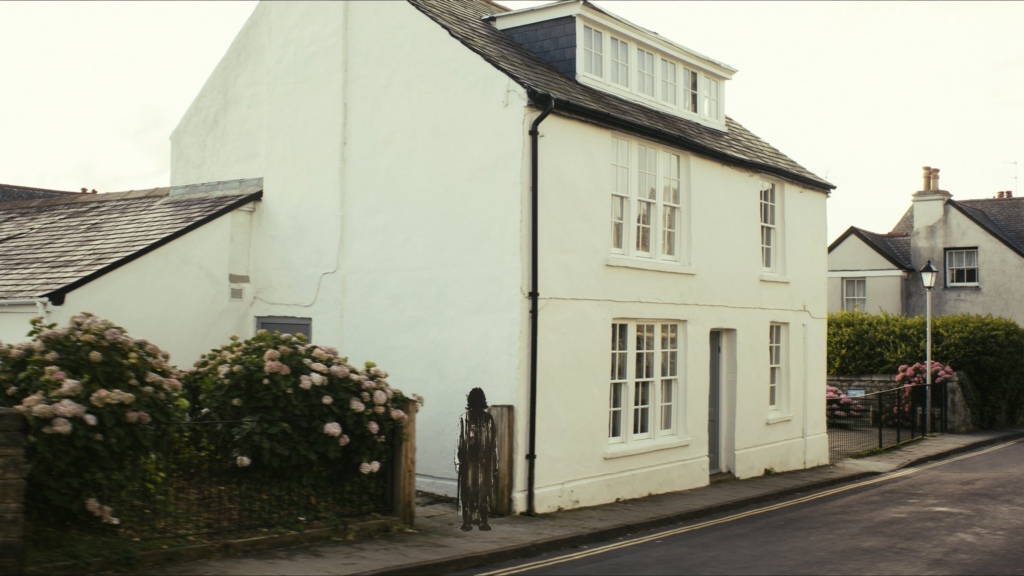
Aluminium-clad timber windows combine the durability of aluminium with the insulation of timber
Aluminium-clad timber windows are a composite product. An aluminium outer shell protects a timber inner frame, merging two materials with distinct strengths. The aluminium exterior resists weathering, corrosion, and fading, which reduces maintenance compared to solid timber windows that need regular painting or staining. The timber core, typically engineered softwood or hardwood such as oak or sapele, provides natural thermal insulation that outperforms uPVC in efficiency. This combination offers a longer lifespan than standard uPVC windows, often exceeding 40 years with proper care (FENSA lifecycle data, 2026).
Aluminium-clad timber windows cost £800–£2,200 per window installed. They combine a durable aluminium exterior with a timber core for better insulation than uPVC, often lasting over 40 years. Compare quotes to see.
- Installed cost ranges from £800 to £2,200 per window depending on timber type.
- Double-glazed units achieve a U-value of 1.2–1.6 W/m²K, beating uPVC.
- Triple glazing adds 15–25% to cost but improves U-value to 0.7–1.0 W/m²K.
- Aluminium exterior needs less maintenance than solid timber windows.
- Lifespan often exceeds 40 years with proper care, per FENSA data.
- Aluminium-clad timber windows combine the durability of aluminium with the insulation of timber
- The typical cost of aluminium-clad timber windows in the UK
- How the U-value of aluminium-clad timber windows compares to uPVC
- Quick numbers Aluminium-clad timber vs uPVC vs solid timber
- The direct answer Are aluminium-clad timber windows better than uPVC?
- How to verify an aluminium-clad timber window installer in the UK
- The long-term cost of ownership for aluminium-clad timber windows
The typical cost of aluminium-clad timber windows in the UK
The installed cost per window ranges from £800 to £2,200 depending on size, opening style, and glazing specification. A standard 1.2m x 1.2m casement window averages £1,200–£1,600 installed (FENSA industry data, 2026). Timber type affects price: engineered softwood cores are cheaper, from around £800, while hardwood cores such as oak or sapele cost £1,500–£2,200 per window. Double glazing is standard, and triple glazing adds 15–25% to the total cost (Glass and Glazing Federation, 2026).
How the U-value of aluminium-clad timber windows compares to uPVC
The U-value measures how quickly heat passes through a window; lower numbers mean better insulation. Standard double-glazed aluminium-clad timber windows achieve a U-value of 1.2–1.6 W/m²K (British Fenestration Rating Council, 2026). High-performance triple-glazed units can reach 0.7–1.0 W/m²K (BFRC window energy ratings database, 2026). By comparison, standard double-glazed uPVC windows typically achieve 1.4–1.8 W/m²K (Energy Saving Trust, 2026). The timber core reduces thermal bridging compared to aluminium-only frames, improving overall insulation and reducing cold spots near the window.
Quick numbers Aluminium-clad timber vs uPVC vs solid timber
| Factor | Aluminium-clad timber | uPVC | Solid timber |
|---|---|---|---|
| Cost per window (installed) | £800–£2,200 | £400–£1,000 | £1,000–£3,000 |
| U-value (double-glazed) | 1.2–1.6 W/m²K | 1.4–1.8 W/m²K | 1.0–1.4 W/m²K |
| Lifespan | 40–60 years | 20–30 years | 50–80 years |
| Maintenance (annual) | Low: clean aluminium; re-coat timber every 8–12 years | None | High: repaint every 3–5 years |
| Recyclability | High: aluminium and timber both recyclable | Moderate: limited recycling infrastructure | High: timber compostable or reusable |
| Aesthetic options | Wide colour range for aluminium; natural timber finish inside | Limited colours, can look plastic | Natural wood grain, custom stains |
Data sources: FENSA (cost, lifespan), BFRC (U-value), Energy Saving Trust (lifespan), WRAP (recyclability, 2026).
The direct answer Are aluminium-clad timber windows better than uPVC?
For homeowners prioritising lifespan, thermal performance, and appearance, aluminium-clad timber windows outperform uPVC. They last 40–60 years versus 20–30 years for uPVC (FENSA lifecycle data, 2026). Their U-value is typically 0.2–0.4 W/m²K better than equivalent uPVC, meaning lower heat loss (BFRC registry, 2026). The trade-off is higher upfront cost: aluminium-clad timber is 50–100% more expensive than uPVC per window. For long-term value and sustainability, timber is a renewable material and aluminium is highly recyclable, making aluminium-clad timber the superior choice over a building’s lifetime. guide to window energy ratings in the UK
How to verify an aluminium-clad timber window installer in the UK
Installers must be registered with FENSA or CERTASS for building regulations compliance for replacement windows (GOV.UK, 2026). The timber component should be sourced from Forest Stewardship Council (FSC) or Programme for the Endorsement of Forest Certification (PEFC) certified suppliers. Check the manufacturer’s warranty: 10–20 years for the aluminium cladding, 5–10 years for the timber core. Request a BFRC energy rating certificate for each window model to confirm U-value claims. No specific MCS or Gas Safe registration applies, but TrustMark accreditation indicates quality workmanship (TrustMark, 2026). how to check a window installer's credentials
The long-term cost of ownership for aluminium-clad timber windows
The timber core requires re-coating or repainting every 8–12 years, costing £150–£300 per window (FENSA maintenance data, 2026). The aluminium cladding needs only occasional cleaning with water and mild detergent. Over a 40-year period, total maintenance costs are approximately £600–£1,200 per window for timber re-coating, versus £0 for uPVC. Despite this, the lifespan advantage of 40–60 years against 20–30 years for uPVC means fewer replacements, lowering long-term embodied carbon and waste. For homeowners who plan to stay in their property for decades, the higher initial investment is offset by reduced replacement frequency and better thermal performance.
Frequently Asked Questions
Installed costs range from £800 to £2,200 per window. A standard 1.2m x 1.2m casement averages £1,200–£1,600 installed, according to FENSA industry data (2026).
Yes, for insulation and lifespan. Double-glazed aluminium-clad timber units achieve a U-value of 1.2–1.6 W/m²K, while standard uPVC achieves 1.4–1.8 W/m²K, per the Energy Saving Trust. The timber core reduces thermal bridging.
Standard double-glazed units achieve 1.2–1.6 W/m²K. High-performance triple-glazed units can reach 0.7–1.0 W/m²K, based on the British Fenestration Rating Council database (2026).
They often exceed 40 years with proper care, according to FENSA lifecycle data (2026). The aluminium exterior resists weathering, reducing maintenance compared to solid timber.
Aluminium-clad timber has an aluminium outer shell that resists weathering and fading, requiring less maintenance than solid timber. The timber core still provides natural insulation. That makes it a durable composite option.