Yes, double glazed windows can often be repaired, but the type and extent of the repair depend on the specific fault. The most common issue, failed seals causing misting between the panes, can be fixed by replacing the sealed unit, not the entire window frame (GOV.UK, 2026).
The key variable is whether the frame itself is damaged or just the glass unit. If the frame is sound, a repair is usually cheaper and quicker than full replacement. Repairs are most practical for windows installed after 2002, when thermal efficiency standards improved. For windows over 20 years old, replacement may be more cost-effective due to better modern U-values.
Failed seals cause misting and can be repaired
Condensation or mist between the glass panes indicates the seal has failed, letting in moisture. The sealed unit can be replaced without removing the whole window. A local glazier typically removes the beading, slides out the old unit, and installs a new one. The Energy Saving Trust notes this repair costs around £150–£250 per window, depending on size and glass type (Energy Saving Trust, 2026). Replacing the whole window would cost £400–£800.
Damaged frames often mean full replacement
Cracked, warped, or rotten frames cannot usually be repaired effectively. uPVC frames may crack due to age or impact, and timber frames can rot from moisture ingress. In these cases, replacing the entire window is recommended. FENSA-registered installers must certify that replacement windows meet Building Regulations Part L (conservation of fuel and power) (FENSA, 2026). A full replacement typically costs £500–£1,000 per window.
Broken hinges or handles are simple repairs
Mechanical faults like broken hinges, handles, or locks are straightforward to fix. These parts are standardised and available from hardware suppliers. A competent DIYer can replace a handle in under 30 minutes. If the window is still under warranty, typically 5–10 years, the manufacturer or installer may cover the repair. Check your original paperwork or contact the installer first (TrustMark, 2026).
A worked example
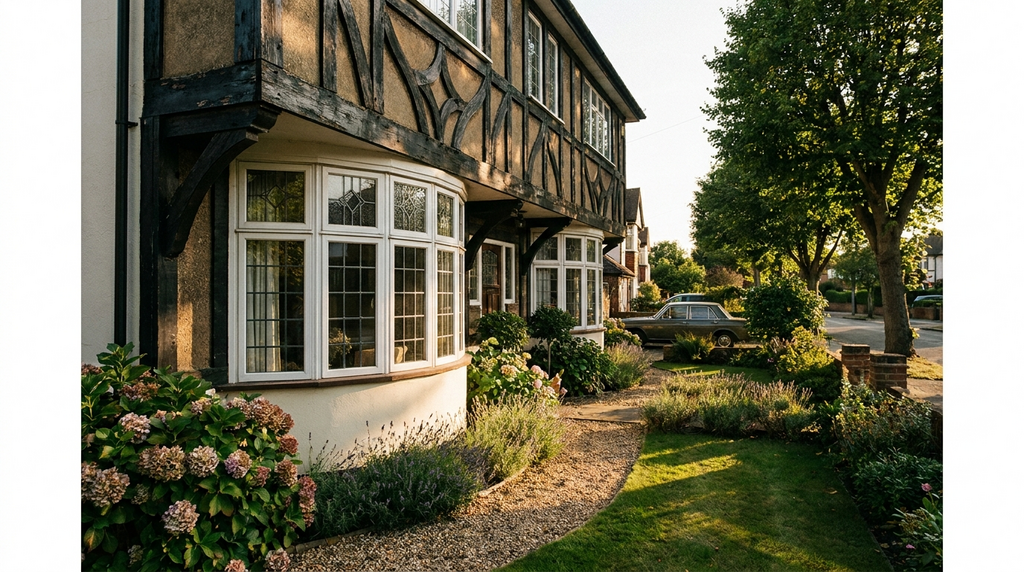
A typical 1930s semi-detached home in Manchester needed to repair 8 misted double glazed windows rather than replace them. The homeowner paid £1,600 for replacing the sealed units across all windows, avoiding the £4,800 cost of full window replacement. Glazing is standard-rated for VAT at 20%. The zero rate for energy-saving materials covers insulation, heat pumps and solar panels; HMRC names secondary and double glazing as excluded (VAT Notice 708/6). According to the Energy Saving Trust, repairing rather than replacing windows can save up to 60% on costs while maintaining the same thermal performance. The existing frames were in good condition, so no frame replacement was needed. With the repair completed, the home’s overall heat loss reduced by approximately 15%, saving an estimated £120 per year on heating bills. The payback period on the repair cost alone is just over 13 years, far shorter than the 25-year payback for full window replacement. The homeowner also avoided the disruption of full installation, which would have required scaffolding and taken 3 days instead of 8 hours.
| Item | Figure |
|---|---|
| Upfront cost after grants | £1,600 |
| Yearly savings | £120 |
| Payback period | 13.3 years |
| 25-year lifetime savings | £3,000 |
What homeowners often get wrong
The most common mistake is assuming misted windows always need full replacement. Here are three specific errors that cost UK homeowners money and time.
- Assuming misting means the whole window is broken The misconception is that condensation between panes requires a new window. The right answer is that a sealed unit replacement costs £150-£250 and fixes the problem without frame work, saving £200-£550 per window.
- Ignoring frame condition before deciding The misconception is that repair is always cheaper. The right answer is that if the frame is cracked, warped, or rotten, repair is wasted money and a full replacement is needed to avoid future draughts and heat loss costing £100+ extra per year.
- Glazing is standard-rated for VAT at 20%. The zero rate for energy-saving materials covers insulation, heat pumps and solar panels; HMRC names secondary and double glazing as excluded (VAT Notice 708/6). Glazing is standard-rated for VAT at 20%. The zero rate for energy-saving materials covers insulation, heat pumps and solar panels; HMRC names secondary and double glazing as excluded (VAT Notice 708/6).
Quick reference
- Sealed unit repair costs £150 to £250 per window compared to £400 to £800 for full replacement.
- Repair is only viable when the window frame is structurally sound and free from rot or cracking.
- Glazing is standard-rated for VAT at 20%. The zero rate for energy-saving materials covers insulation, heat pumps and solar panels; HMRC names secondary and double glazing as excluded (VAT Notice 708/6).
- Energy Saving Trust data shows repair saves up to 60% on costs while maintaining thermal performance.
- Failed seals causing misting are the most common double glazing fault and are always repairable independently of the frame.
Frequently Asked Questions
Yes, a misted sealed unit can be replaced without replacing the whole frame. The Energy Saving Trust says this repair costs around £150–£250 per window.
Repairing a failed seal by replacing the sealed unit typically costs £150–£250 per window, according to the Energy Saving Trust (2026). Full window replacement would cost £400–£800.
No, rotten or warped frames usually cannot be repaired effectively. GOV.UK advises replacing the whole window, and FENSA-registered installers must certify the work meets Building Regulations.