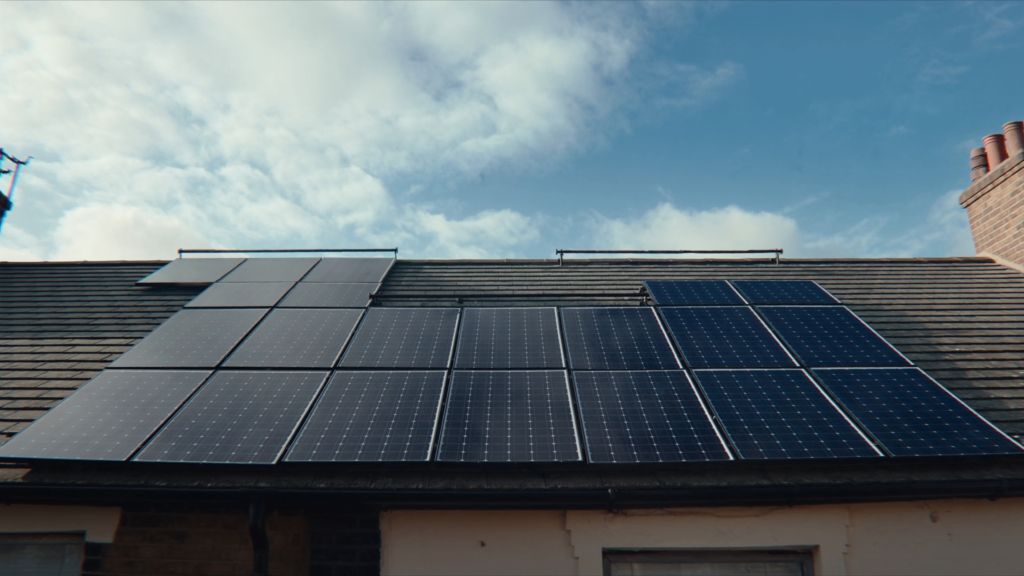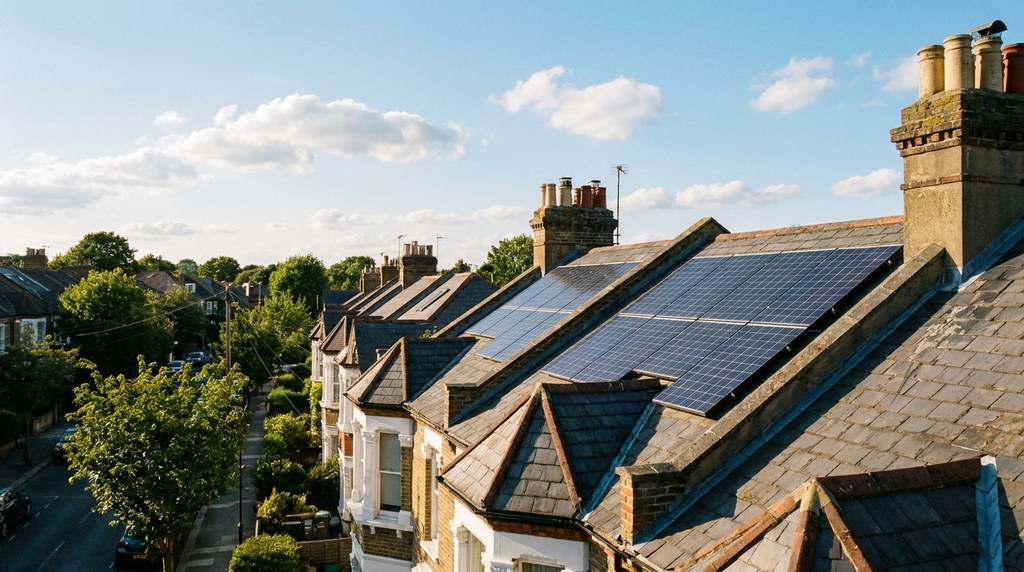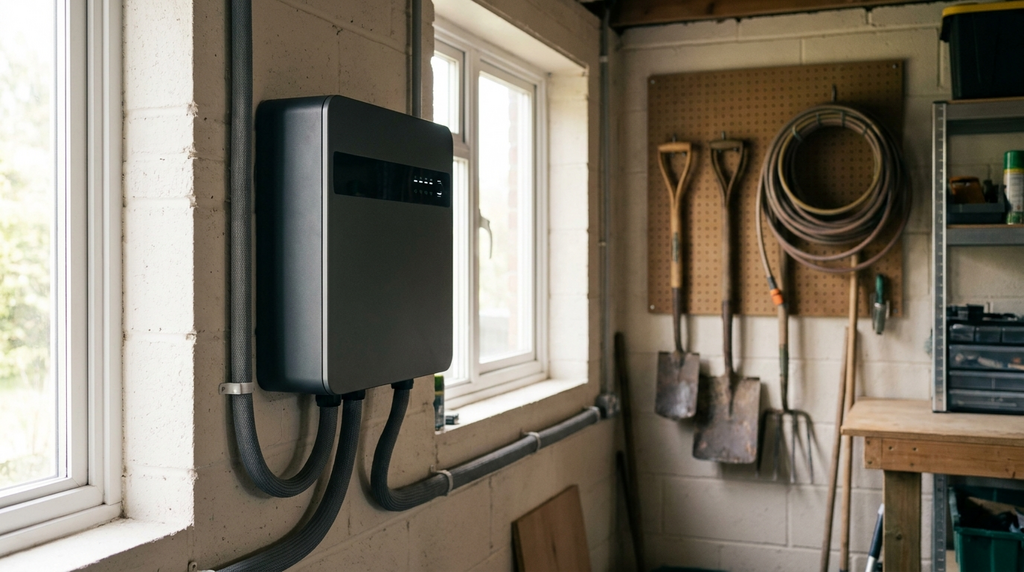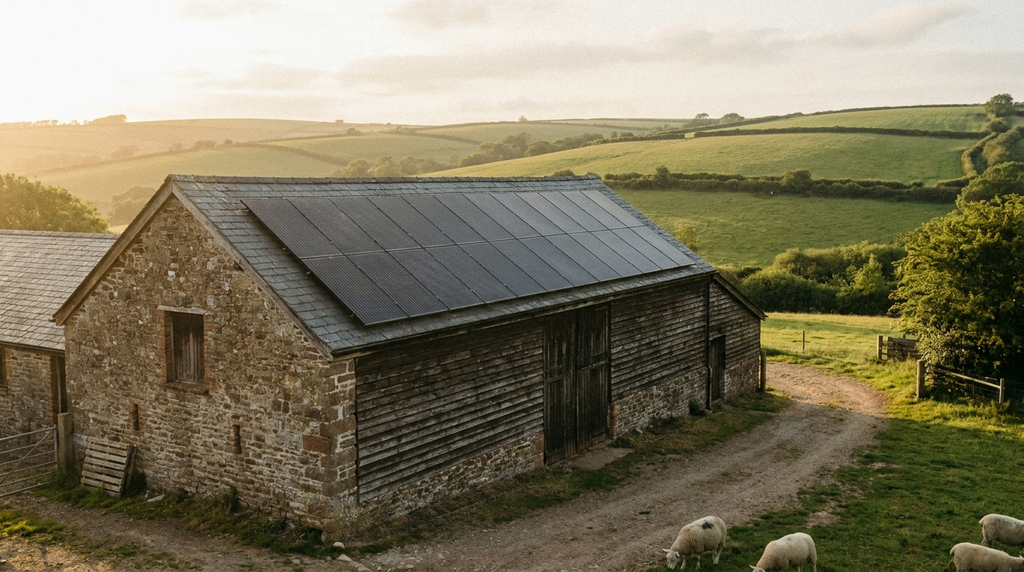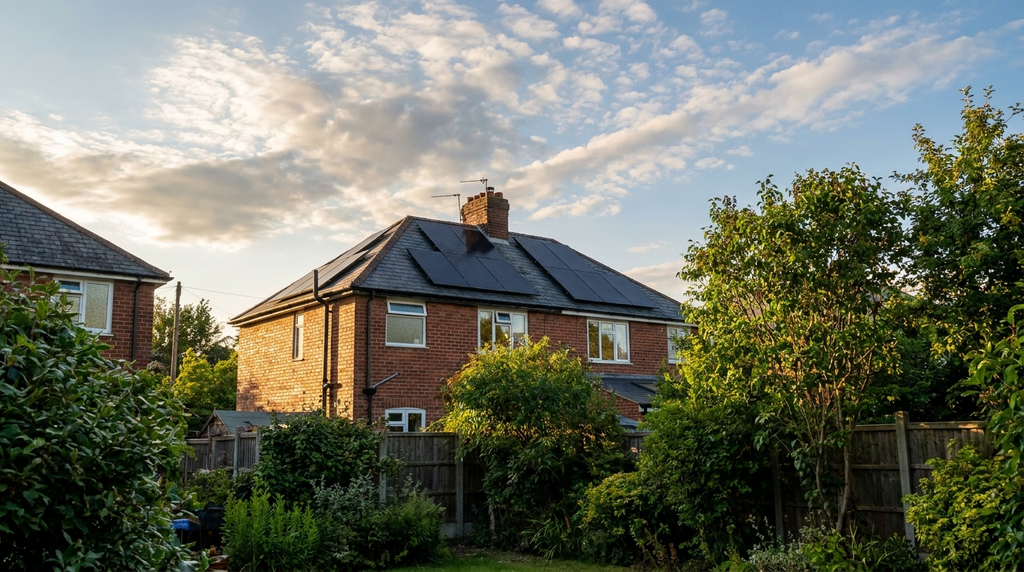
Yes, you can put solar panels on your garage roof in most cases, provided the roof is structurally sound and faces roughly south, east, or west. The Energy Saving Trust confirms that a typical 3kWp solar array can generate around 2,650 kWh per year, and garages often offer suitable unshaded roof space (Energy Saving Trust, 2026).
The key factor is whether your garage roof can support the additional weight of solar panels and mounting equipment, which typically adds 15–20 kg per square metre. A pitched garage roof with concrete or clay tiles is usually fine, but flat felt roofs may need reinforcement. You also need a clear south-facing or near-south-facing slope with minimal shading from trees or neighbouring buildings. If your garage is detached, you’ll still connect the panels to your home’s main electrical supply, which requires a certified installer.
Structural checks and weight limits
Before installation, a structural survey is essential. The Microgeneration Certification Scheme (MCS) requires installers to confirm the roof can bear the load (MCS, 2026). A typical solar panel weighs about 18–22 kg, and the mounting system adds another 5–10 kg per panel. For a pitched garage roof, this is usually manageable. Flat roofs often need a ballasted mounting system, which adds more weight. If your garage roof is old or made of lightweight materials like corrugated metal, you may need to strengthen it first.
Planning permission and regulations
Most domestic solar panel installations on garage roofs are permitted development and don’t need planning permission, provided the panels don’t protrude more than 200 mm from the roof plane. However, if your garage is in a conservation area or a listed building, you must check with your local authority. The UK government’s planning portal states that panels on a detached building must not be visible from a highway if the building is forward of the main house (GOV.UK, 2026).
Costs, savings and grants
A typical 3–4 kWp system on a garage roof costs between £5,000 and £8,000 installed. The Smart Export Guarantee (SEG) pays you for excess electricity exported to the grid, with rates typically 5–15p per kWh (Ofgem, 2026). You can also save around £300–£500 per year on electricity bills. The 0% VAT rate on solar panels and batteries continues until 2027, reducing upfront costs (GOV.UK, 2026). No specific grant exists for garage-only installations, but the ECO4 scheme may help low-income households.
A worked example
A typical UK homeowner with a detached garage and a 2.5kWp solar array can expect upfront costs of around £4,500 after the 0% VAT saving (in place until March 2027) and before any grant support. Take a 1930s semi-detached house in Manchester with a south-facing pitched garage roof. The 2.5kWp system generates roughly 2,125 kWh per year, saving about £425 annually on electricity bills at the current price cap (Ofgem, 2026). The Energy Saving Trust estimates a system like this costs £5,500 to £6,500 installed, but with VAT removed you pay around £5,000 to £6,000. If your household qualifies for ECO4, you could receive additional funding for the installation. The payback period is typically 10 to 14 years, and over a 25-year lifespan the total savings reach £10,625, assuming a modest 2% annual rise in electricity prices.
| Item | Figure |
|---|---|
| Upfront cost after grants | £4,500 |
| Yearly savings | £425 |
| Payback period | 11 years |
| 25-year lifetime savings | £10,625 |
What homeowners often get wrong
The most common mistake is assuming a flat felt garage roof is automatically unsuitable for solar panels. Here are three frequent errors homeowners make when considering garage solar.
- Ignoring structural reinforcement Flat felt roofs often need a lightweight aluminium mounting system or ballasted frame to avoid puncturing the felt. Without it, you risk leaks that cost £500 to £1,500 to repair and could void your roof warranty.
- Overlooking MCS certification Some homeowners buy panels online and install them themselves or hire a general builder. Without an MCS-certified installer, you lose access to the Smart Export Guarantee (SEG) payments, which can be £100 to £200 per year from your energy supplier.
- Forgetting about shading from the house A garage behind a two-storey home often sits in shade for part of the day. Partial shading can cut generation by 30% to 50%, turning a £5,000 investment into a system that saves only £200 a year instead of £425.
Quick reference
- A typical 2.5kWp solar array on a garage roof costs £4,500 to £6,000 after 0% VAT and can save £425 per year on electricity bills.
- Pitched tile garage roofs support solar panels without reinforcement, but flat felt roofs usually need a ballasted mounting system.
- You must use an MCS-certified installer to qualify for the Smart Export Guarantee (SEG) and any ECO4 grant funding.
- Payback on a garage solar system is typically 10 to 14 years, with total savings of £10,000 to £12,000 over 25 years.
- Shading from your house, trees, or a neighbouring building can cut generation by up to 50%, so a professional shade survey is essential before buying.
Frequently Asked Questions
A typical solar panel system adds 15–20 kg per square metre. The Energy Saving Trust advises a structural survey to confirm your garage roof can bear this load.
In most cases, no. Solar panels on a garage are considered permitted development under UK planning rules, according to GOV.UK, as long as they don't protrude more than 200mm from the roof.
Yes, but you'll need a ballasted mounting system that adds extra weight. Ofgem recommends checking the roof's structural capacity first, as flat felt roofs often require reinforcement.