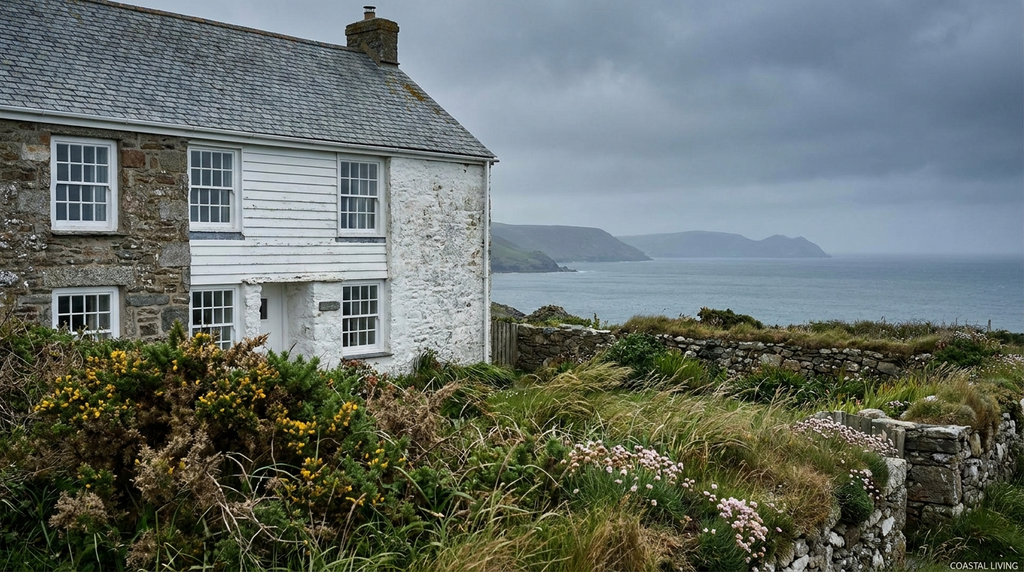
Replacing windows in a period UK home is one of the most consequential decisions an owner can make, not just for comfort and running costs, but for the character of the property itself and its standing with local planning authorities. The casement vs sash windows UK debate is far more specific than simply picking a style you like the look of. Get it right and you enhance the home’s authenticity, energy performance, and long-term value. Get it wrong and you could face enforcement action, a cold draughty house, and a property that looks visually out of place on its own street.
For period UK homes, the choice between casement and sash windows should be led by the architectural era of the property and local planning requirements rather than personal preference alone. Georgian and Victorian properties are historically associated with vertical sliding sash windows, while Edwardian and inter-war homes more commonly featured casements. Historic England advises retaining and repairing original windows wherever possible, as like-for-like replacement in matching materials is most likely to gain planning approval in conservation areas.
- Match your window style to your home's era – sash windows suit Georgian and Victorian properties while casement windows are more authentic to Edwardian and inter-war homes
- In a conservation area or listed building, you will likely need planning permission or listed building consent before replacing any windows, regardless of style
- Timber sash windows cost roughly £800 to £2,500 per window installed in 2026, compared to £400 to £900 for a standard timber casement – budget accordingly
- Modern slim-profile double glazed sash and casement windows can both meet current building regulations for thermal performance without sacrificing period appearance
- Draught-proofing an existing original sash window can cost as little as £150 to £300 per window and may satisfy both planning officers and your energy bills
- Always get written confirmation from your local planning authority before committing to a window style if your home is in a conservation area or on a locally listed building
- Like-for-like replacement in matching materials is the safest route through planning and typically adds the most value to a period property
- What Casement and Sash Windows Actually Are
- The Architectural Heritage of Each Style in the UK
- How Much Each Window Type Costs in 2026
- Comparing Energy Efficiency Between the Two Styles
- Appearance and Kerb Appeal for Period Properties
- Maintenance Requirements and Long-Term Practicality
- Planning Rules, Conservation Areas, and What Homeowners Must Check
- Making the Final Decision for Your Home
This guide covers everything an everyday homeowner needs to know before making this decision, from architectural heritage and 2026 installation costs through to planning rules, energy efficiency, and long-term maintenance. Whether your home is a Georgian townhouse, a Victorian terrace, an Edwardian semi, or an inter-war cottage, the information below will help you make a confident, well-informed choice.
What Casement and Sash Windows Actually Are
Before comparing the two styles, it helps to be clear on what each one actually is, because these terms are used loosely and sometimes confused.
Casement windows are the most widely fitted window type in the UK today. They are hinged on one side and swing open outward (or occasionally inward) when you turn a handle. The frame is relatively simple: a fixed outer frame with one or more opening lights attached by hinges. You will find casement windows throughout inter-war semis, bungalows, cottage-style homes, and most new-build properties. They are familiar, practical, and, in their modern uPVC form, extremely common.
Sash windows work on an entirely different principle. Rather than swinging open, they feature two framed panels (called sashes) that slide vertically past each other. Traditional box sash windows use a counterbalance system of hidden weights connected by cords or chains inside the frame to make lifting effortless. Modern versions often replace this mechanism with spring balances. The sash window is synonymous with Georgian (1714–1830) and Victorian (1837–1901) terraced and semi-detached properties found in cities and towns across the UK.
The visual difference matters enormously in a street context. Sash windows have a tall, elegant profile with characteristic slim glazing bars and a distinctive meeting rail where the two sashes overlap at the centre. Casement windows tend to have a more angular, contemporary appearance. Placing the wrong style on the wrong property does not just look incongruous to a trained eye, in conservation areas, it can actually breach planning conditions.
Practical tip before you go any further, photograph your existing windows in detail and note whether the frames open by swinging or sliding. This single observation tells you which style your home was originally built with, and that original style should be your strong starting point for any replacement.
The Architectural Heritage of Each Style in the UK
Understanding where each style comes from helps explain why period authenticity matters so much to planners, conservationists, and buyers alike.
The vertical sliding sash became the default window of urban Britain from the early 18th century. Thousands of terraced streets across London, Edinburgh, Bristol, Bath, and Manchester were built with sash windows as an architectural standard. The style’s proportions, tall, narrow, with multiple small panes divided by slim glazing bars, were well suited to the neoclassical and Regency architecture of the Georgian era, and continued through the Victorian period even as construction methods evolved. Today, these windows define the visual identity of millions of British streets.
Casement windows are actually older in origin, side-hung casements predate the sash in Britain, but they fell out of fashion for urban housing during the Georgian and Victorian eras. They made a strong comeback during the Arts and Crafts movement of the late 19th century, championed by architects such as Richard Norman Shaw and Edwin Lutyens who favoured leaded lights and cottage-style detailing. The inter-war suburban boom of the 1920s and 1930s then embedded the casement as the dominant window style of the English semi-detached house.
According to Historic England, approximately 5.5 million properties in England sit within conservation areas or are listed. For owners of these homes, replacing a sash with a casement, or vice versa, can require planning permission or listed building consent. Conservation officers will typically expect like-for-like replacement in both style and, often, material. Homeowners who deviate from this without consent risk enforcement action, costly retrospective applications, and complications when selling or remortgaging.
Practical tip, before you even begin requesting quotes, use your local authority’s online planning portal to check whether your property sits within a conservation area. This single step can save you significant time and money.
How Much Each Window Type Costs in 2026
Cost is inevitably one of the first questions homeowners ask, and the honest answer is that sash windows are consistently more expensive than casement equivalents, sometimes significantly so. Here is a realistic breakdown of 2026 UK installation costs.
| Window Type | Material | Typical Cost Per Window (Supply and Install) |
|---|---|---|
| Casement | uPVC | £400 to £700 |
| Casement | Timber | £600 to £1,200 |
| Casement | Aluminium | £700 to £1,400 |
| Sash (sliding) | uPVC | £600 to £1,000 |
| Sash (box sash, traditional) | Timber | £1,000 to £2,500+ |
| Sash | Aluminium | £900 to £1,800 |
The reason sash windows cost more comes down to complexity. A traditional box sash window involves a hidden pocket in the frame housing counterbalance weights, a more detailed joinery profile, and considerably more skilled labour to manufacture and install correctly. Even modern spring-balance sash units require more components and assembly time than a straightforward hinged casement.
For a typical Victorian or Edwardian three-bedroom terraced house with eight to ten windows, replacing all of them in timber sash could easily cost £12,000 to £20,000 or more. The equivalent in uPVC casements, were it architecturally appropriate, might cost £4,000 to £7,000 for the same number of openings.
Beyond the window units themselves, factor in installation labour (typically £150 to £300 per window depending on complexity and region), scaffolding for upper floors, disposal of old frames, and any internal making-good such as replastering reveals or repainting. Always obtain at least three quotes from installers registered with FENSA or CERTASS, these registration schemes mean the installer is certified to self-certify compliance with Building Regulations, saving you the cost of a separate local authority inspection.
Guide to finding a trustworthy window installer in the UK
Practical tip, ask each installer to break down their quote into supply, installation, and any making-good costs separately. This makes like-for-like comparison far easier when you receive multiple quotes.
Comparing Energy Efficiency Between the Two Styles
Energy performance is increasingly central to any window replacement decision, particularly with energy bills remaining a significant household concern. So which style performs better thermally?
In straightforward terms, modern double-glazed casement windows tend to achieve marginally better U-values than equivalent sash windows of the same specification. A U-value measures how much heat passes through a building element, the lower the number, the better the insulation. The reason casements have a slight edge is mechanical: when a casement closes, the frame compresses against a continuous perimeter seal, creating a very tight closure. A sash window, by contrast, relies on sliding seals that must allow movement, meaning small gaps are harder to eliminate entirely.
| Window Style | Typical Whole-Window U-Value (Double Glazed) | Part L Compliant | Draught Resistance |
|---|---|---|---|
| Modern casement (uPVC or aluminium) | 1.0 to 1.3 W/m²K | Yes | Excellent |
| Modern sash (uPVC or aluminium) | 1.2 to 1.4 W/m²K | Yes | Good to very good |
| Timber casement (high specification) | 1.1 to 1.4 W/m²K | Yes | Very good |
| Timber sash (high specification) | 1.2 to 1.6 W/m²K | Marginal, spec-dependent | Good with weatherstripping |
| Original single-glazed sash (unrestored) | 4.8 to 5.5 W/m²K | No | Poor |
Under current UK Building Regulations (Part L), replacement windows must achieve a whole-window U-value of 1.4 W/m²K or better. Both modern casement and modern sash units from reputable manufacturers can meet this standard, though with timber sash windows, the specification needs care to ensure compliance.
Traditional single-glazed sash windows are notoriously draughty. The gaps around the sliding mechanism, combined with single-pane glass, make them among the worst-performing elements of any period home. However, this does not automatically mean full replacement is the only answer. Specialist draught-proofing, using brush pile or blade seals inserted into the frame, can dramatically reduce heat loss and is considerably cheaper than full replacement. The Energy Saving Trust acknowledges this as an effective measure for period properties where full replacement is not permitted or affordable.
For listed buildings where neither replacement nor secondary glazing externally is approved, internal secondary glazing panels can be fitted behind the original sash frames. These do not alter the external appearance and can reduce heat loss and noise significantly. That makes them a valuable compromise for owners of the most protected properties.
secondary glazing options for listed buildings and conservation area homes
Practical tip, if your existing sash windows are structurally sound but draughty, get a specialist draught-proofing quote before committing to full replacement. At £200 to £400 per window, it may deliver most of the thermal improvement at a fraction of the cost.
Appearance and Kerb Appeal for Period Properties
Of all the factors in the casement vs sash debate, visual appropriateness is arguably the most important for period homes, both because it affects how the house looks and because it directly influences planning decisions and property value.
The slim glazing bars, tall proportions, and characteristic meeting rail of a sash window are integral to the visual character of Georgian and Victorian terraced streets. These architectural details were not arbitrary, they were carefully considered design elements that give Britain’s historic townscapes their distinctive quality. Replacing them with casement windows does not simply change one functional component; it disrupts the rhythm and coherence of the entire streetscape.
The same logic applies in reverse. Edwardian and inter-war homes were designed around casement windows, often with leaded lights, cottage-bar glazing, and side-hung frames that form essential parts of the building’s identity. Fitting vertical sliding sash windows to a 1930s semi would look equally incongruous and historically inaccurate.
The choice of material matters in how authentic the result looks. Timber is generally regarded as the most authentic and visually appropriate material for period homes, it can be painted to match original profiles and has a warmth that uPVC struggles to replicate. Modern slim-profile aluminium can replicate the fine sight lines of original timber to an impressive degree and requires far less maintenance. That makes it an increasingly popular choice among conservation-minded homeowners. UPVC, while cost-effective, tends to have bulkier profiles and a finish that conservation officers and period-home buyers can find less sympathetic.
From a property value perspective, estate agents and surveyors consistently report that sympathetic, period-appropriate windows, particularly well-maintained timber sash windows in sought-after Victorian or Georgian streets, contribute positively to a property’s perceived value and saleability. Conversely, uPVC casements on a Georgian townhouse can actively deter buyers who value period authenticity.
Timber vs uPVC vs aluminium windows, which material suits your home
Practical tip, look along your street before finalising any window specification. If your neighbours’ period-appropriate windows are attracting positive attention and your proposed replacement looks different, reconsider the spec.
Maintenance Requirements and Long-Term Practicality
Day-to-day practicality matters just as much as appearance and energy performance, particularly over a window’s typical lifespan of 20 to 40 years.
Casement windows are generally considered easier to clean and maintain. The outward-opening sash allows you to access the external glass face from inside the room, a significant convenience on upper floors. The hardware (hinges, handles, espagnolette locks) is widely available and straightforward to replace if it wears. UPVC casements in particular require very little upkeep beyond occasional cleaning and lubricating the hinges and lock mechanism.
Traditional timber box sash windows are at the opposite end of the maintenance spectrum. They typically require repainting every five to seven years to protect the timber from moisture and decay. Sash cords stretch and break over time and need replacement, a job that requires dismantling part of the frame. Putty around the glass can crack and fall out, and the sliding mechanism itself can become stiff as timber swells seasonally. This is not to say timber sash windows are impractical, many are still functioning perfectly after 150 years with appropriate care, but they do demand a level of ongoing attention that some homeowners underestimate.
Modern uPVC sash windows reduce ongoing maintenance considerably and can still deliver an authentic enough appearance for many conservation area applications, though not for the most sensitive listed building contexts. UPVC profiles cannot be repainted if you wish to change the colour, which is worth noting for long-term flexibility.
One underused option for owners of functional original sash windows is specialist draught-proofing. Rather than replacing windows that are structurally sound, a specialist contractor can insert brush pile or blade seals into the frame at a typical cost of £200 to £400 per window, a fraction of full replacement. This approach preserves original fabric, satisfies conservation officers, and delivers a meaningful improvement in comfort and thermal performance.
For finding specialist help, the Guild of Master Craftsmen, the Traditional Windows Alliance, and FENSA’s online installer directory are useful starting points for homeowners seeking vetted, experienced tradespeople with specific knowledge of period window work.
Practical tip, if you choose timber sash windows, budget for repainting every five to seven years from the outset. Factoring this into your total cost of ownership gives you a more honest comparison against lower-maintenance alternatives.
Planning Rules, Conservation Areas, and What Homeowners Must Check
This is the section of the guide that many homeowners wish they had read before ordering their windows. Planning rules around window replacement are more restrictive than most people realise, and the consequences of getting it wrong can be expensive.
For standard residential properties outside conservation areas and not listed, replacing like-for-like windows (same style, same material or equivalent) generally falls under permitted development, meaning no planning application is needed. However, changing the style (for example, swapping sash for casement) or the material in a way that visually alters the property’s appearance may not qualify as permitted development, particularly if local permitted development rights have been removed through an Article 4 Direction.
Within a conservation area, the rules tighten considerably. Any works that materially alter the external appearance of a property, including changing window style, material, or glazing bar pattern, typically require planning permission from the local authority. Conservation officers in many authorities have detailed guidance on what they will and will not approve; contacting them before you commit to a specification can save significant wasted expenditure.
For listed buildings at any grade (Grade I, Grade II*, and Grade II), listed building consent is required for alterations to windows regardless of whether the change is like-for-like. Some listed building owners may not be permitted to install double glazing within original frames, particularly in Grade I and Grade II* properties. Secondary glazing is often the approved solution in these cases.
Historic England publishes detailed guidance through its Advice Notes on the repair and replacement of windows in historic buildings, these documents are freely available online and are worth reading before any consultation with a planning officer or window company.
Complete guide to planning permission for window replacement in conservation areas
Listed building consent explained for homeowners
Homeowners who change windows without the correct consents in conservation areas or listed buildings risk enforcement notices requiring reinstatement at their own cost, a situation that can be far more expensive than the original window replacement itself.
Practical tip, contact your local planning authority’s conservation officer for a pre-application conversation before spending any money. Most councils offer this free of charge, and it can give you clarity on exactly what is and is not permissible for your specific property.
Making the Final Decision for Your Home
Having worked through all the evidence, the honest conclusion for most period UK homeowners is this, the right window for your home is almost certainly the one that was originally fitted.
If your property is a Georgian or Victorian terrace, townhouse, or semi-detached house, sash windows are almost certainly architecturally correct, planning-safe, and most likely to protect or enhance your property’s long-term value. Yes, they cost more. Yes, timber versions require more maintenance. But they are the right window for that building, and in conservation areas or listed building contexts, they may well be the only permissible option.
If your home is an Arts and Crafts property, an inter-war semi, a bungalow, or a cottage-style house, casement windows are the appropriate choice, and fortunately, they also happen to be more cost-effective and easier to maintain. Modern casement windows in timber or slim-profile aluminium can look genuinely beautiful on these properties and will satisfy most conservation officers in relevant areas.
Where the decision becomes genuinely complex is in hybrid situations, a Victorian house that had its windows changed decades ago and currently has mismatched casements, or a listed cottage with original single-glazed casements that the owner wishes to upgrade for thermal performance. In these cases, specialist advice from a conservation architect or an accredited member of the Traditional Windows Alliance is worth the modest consultation fee before committing to any expenditure.
On grants and financial support, The UK’s main energy efficiency schemes in 2026, including the Boiler Upgrade Scheme (BUS), ECO4, and the Great British Insulation Scheme, are primarily focused on heating systems and insulation rather than windows. The Great British Insulation Scheme closed on 31 March 2026. It funded insulation measures only and never covered windows or glazing. Contact the Energy Saving Trust helpline or your energy supplier to establish whether your property and circumstances qualify.
Practical tip, treat the window specification as a long-term investment decision, not a short-term cost-cutting exercise. The difference in upfront cost between uPVC casements and period-appropriate timber sash windows is real, but so is the difference in how your home looks, feels, and performs over the next 30 to 40 years.
Frequently Asked Questions
In most cases, replacing sash windows with casement windows is not permitted development and will require planning permission, particularly if your home is in a conservation area or is listed. Even outside these designations, changing the style of window can require approval if it materially alters the appearance of the property. Always check with your local planning authority before proceeding.
Timber sash window replacement typically costs between £800 and £2,500 per window fully installed, depending on size, glazing specification, and supplier. Slimline double glazed timber sash units sit at the higher end of that range. UPVC sash windows are cheaper at around £500 to £900 installed but are generally not accepted by planning authorities in conservation areas.
Modern casement windows tend to achieve slightly better air-tightness than sliding sash windows because the opening sash compresses against a continuous seal when closed. However, well-specified double or triple glazed sash windows can still achieve a U-value of 1.4 W/m²K or better, meeting current building regulations requirements. The difference in real-world energy saving between the two styles is small when both are properly installed.
In the vast majority of conservation areas in England, uPVC windows are not acceptable replacements for original timber windows and planning permission will be refused. Local authorities follow Historic England guidance which states that uPVC is inappropriate in historic settings due to its appearance, reflectivity, and inability to be repaired. Timber, aluminium with a slim sightline, or accredited heritage window systems are far more likely to be approved.
For many period properties, repairing and draught-proofing original sash windows is the most cost-effective and planning-friendly option. Restoration and draught-proofing typically costs £150 to £400 per window, a fraction of full replacement. Historic England notes that original single-glazed windows in good condition, once draught-proofed, can perform comparably to poorly fitted modern replacements and retain far more heritage value.