Why Cardigan Homeowners Are Looking at Double Glazing Right Now
There’s a quiet revolution happening in the streets around Teifi Terrace and the older stone-built homes that line the approaches to Cardigan town centre. Homeowners are waking up to a combination of factors that make right now a particularly compelling moment to think seriously about double glazing. It reduces energy bills and offers other benefits too.
With an average EPC rating of Band E, Cardigan sits below the Welsh national average. That means most homes here are losing more heat than they should, and residents are paying for it every single month. The irony is that Cardigan sits in one of the milder corners of Wales, winters here rarely bite as hard as in the Brecon Beacons or the north of the country, yet the housing stock is letting that natural advantage slip away through poorly insulated windows.
Add to that Cardigan’s position on the western fringes of Wales, where Atlantic weather rolls in off Cardigan Bay with impressive regularity, and you start to understand why draught-proofing and thermal efficiency matter so much here. Westerly winds drive rain hard against exposed facades, and single-glazed or ageing windows simply aren’t up to the job. Double glazing is one of the most direct ways to address that.
There’s also the grant picture. Because so many Cardigan properties sit in Band E or below, a significant number of households qualify for Welsh Government and UK-wide funding schemes. This is genuinely an area where good advice can save you thousands, not just on heating bills, but on the upfront cost of installation too.
What Double Glazing Actually Involves for a Typical Cardigan Home
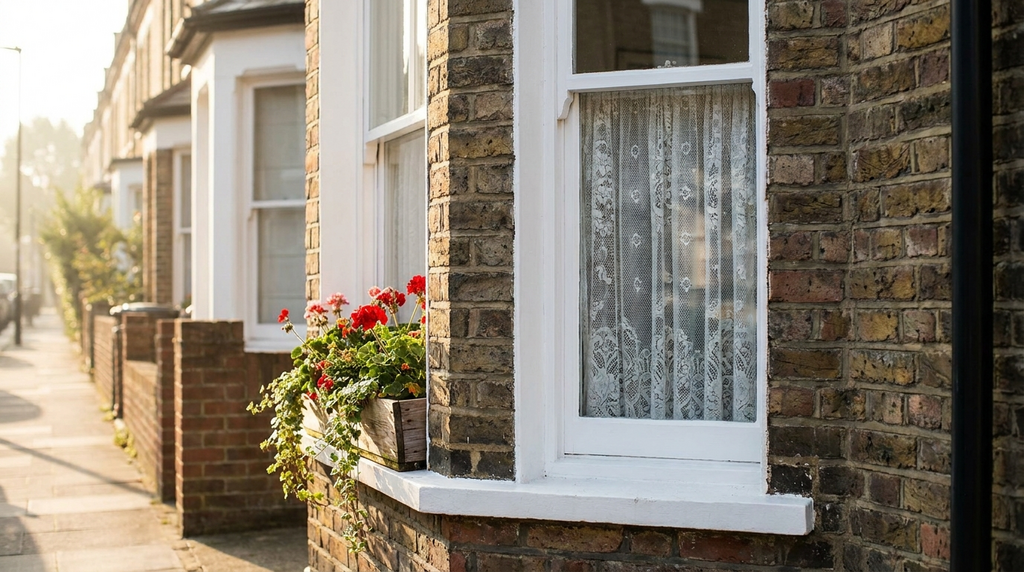
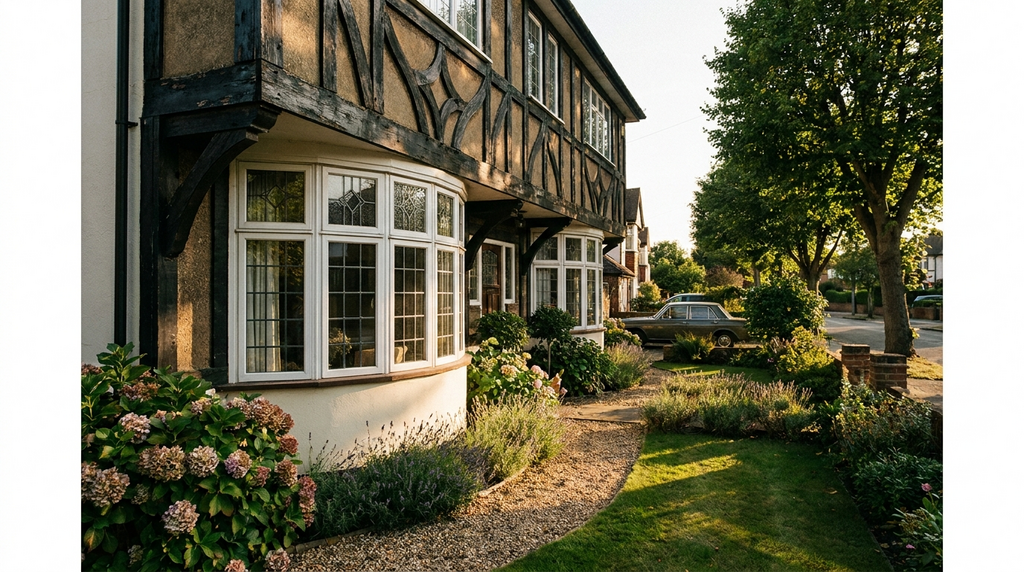
Most homes in Cardigan are terraced or semi-detached properties, many built between the late Victorian era and the 1970s. That building heritage creates some very specific considerations for double glazing.
Older stone-built cottages and terraces, common on streets feeding down towards the Teifi, often have thick rubble-stone walls and traditional timber frames. These frames may not be standard sizes, which means off-the-shelf units won’t always fit. You’ll likely need made-to-measure frames, which adds a little to the cost but is entirely manageable.
Here’s what the process typically looks like for a Cardigan terrace or semi-detached property
- Survey visit, An installer measures every opening individually. In older properties, no two windows are quite the same size
- Frame choice, uPVC is the most common choice for value and low maintenance, but timber or aluminium may be preferred in character properties
- Glass specification, Most installers will offer A-rated or A+ rated units as standard in 2026. Argon-filled double glazing is the minimum you should accept
- Fitting day(s), A typical three-bedroom semi takes one to two days. A full terrace with front and back windows might stretch to two days comfortably
- Finishing and snagging, Internal trims, draught seals, and handles are fitted, and the installer should check every unit opens, closes, and locks correctly
One challenge particular to Cardigan’s layout is access. Many terraced properties have no off-street parking and narrow pavements. Installers bringing large frame panels and glass units sometimes need to temporarily restrict the pavement, your installer should flag this in advance and know how to handle it professionally.
Post-war semi-detached homes, particularly those on the more modern residential streets on the outskirts of town, are generally simpler to work with. Standard-sized openings, cavity walls, and easier vehicle access make installation more straightforward.
How Much Double Glazing Costs in Cardigan and the Wales Area in 2026
Let’s talk real numbers. Cardigan is a small town of just over 4,000 people, which means no large glazing company has a depot here. Installers will travel from Carmarthen, Haverfordwest, or occasionally Fishguard to reach you. That travel cost, usually factored into the quote rather than charged separately, does add a modest premium compared to what someone in Cardiff or Swansea might pay.
As a general guide, expect to pay around five to ten percent above the Wales average for a like-for-like job, simply due to the logistics of operating in a small rural town. That’s not excessive, and it shouldn’t put you off, it’s just worth knowing when you’re comparing quotes.
| Property Type | Number of Windows | Standard uPVC A-Rated | Premium uPVC or Timber | Including Front Door |
|---|---|---|---|---|
| Small terraced (2 bed) | 5–7 | £3,200 – £4,400 | £4,800 – £6,500 | Add £800 – £1,400 |
| Mid terraced (3 bed) | 7–10 | £4,500 – £6,200 | £6,500 – £9,000 | Add £900 – £1,500 |
| Semi-detached (3 bed) | 8–12 | £5,200 – £7,500 | £7,500 – £11,000 | Add £900 – £1,600 |
| Detached (4 bed) | 12–16 | £7,000 – £10,500 | £10,500 – £16,000 | Add £1,000 – £2,000 |
| Wales average (3 bed semi) | 8–12 | £4,900 – £7,000 | £7,000 – £10,000 | , |
These figures assume standard installations without complications. Homes in or near Cardigan’s conservation area, or older stone properties requiring specialist fitting, may see quotes at the upper end or slightly beyond. Always get three written quotes, not estimates scribbled on a leaflet, but proper itemised quotes that break down labour, materials, and VAT.
Compared to neighbouring towns, Cardigan tends to sit slightly above Fishguard pricing (similar rurality) and notably above what you’d pay in Carmarthen, where there’s more installer competition. Haverfordwest and Tenby are similar to Cardigan for most property types.
How Cardigan’s Weather and Location Affect Your Double Glazing Choices
Cardigan sits right on the edge of Cardigan Bay, and the weather makes no attempt to hide that fact. Rainfall can reach well over 1,000mm per year here, and the westerly prevailing winds mean that rain doesn’t just fall, it drives horizontally into west-facing elevations with real force.
This matters enormously for double glazing in two specific ways.
First, your window frames and seals need to be genuinely weathertight, not just technically compliant. Cheaper uPVC systems can develop seal failures within a few years when they’re exposed to this level of driving rain. Specify frames with multi-point locking (which pulls the sash tightly against the seal all the way round) and ask your installer about the quality of the weatherstrip gaskets they use.
Second, moisture ingress between panes, that milky condensation that forms inside a failed sealed unit, is more likely to occur sooner in a coastal westerly location than it would be in, say, the Midlands. Look for sealed units with a minimum 10-year guarantee on the glass unit itself, and ideally 20 years from a reputable manufacturer.
On the positive side, Cardigan’s climate is genuinely mild by UK standards. You’re not dealing with the prolonged freezing spells that test materials in upland areas. Winters are cool rather than cold, which means your double glazing investment is more about keeping warmth in and noise out than defending against extreme freeze-thaw cycles.
The milder climate also means you can take advantage of solar gain quite effectively. South-facing rooms, particularly in the semi-detached properties on newer streets, can be kept comfortably warm on winter days through well-positioned low-emissivity glass that lets solar energy in but stops it escaping back out.
The Products and Options That Work Best Here
Based on Cardigan’s specific combination of mild but wet and windy conditions, Band E housing stock, and a mix of older character properties and post-war semis, here’s what actually makes sense rather than what sounds good in a brochure.
For Victorian and Edwardian terraces in the town centre
- Slim-profile uPVC or timber-look composite frames, These respect the character of the property and, in some cases, are required to get through planning. They cost more but protect the look of the street
- Argon-filled A-rated double glazing, The sweet spot between cost and performance. Triple glazing is excellent but rarely cost-effective in Cardigan’s mild climate
- Warm-edge spacer bars, These reduce condensation on the inside edge of the glass (a cold spot that often appears in winter). They cost very little extra and are worth specifying every time
- Low-E coating (soft coat), This is the coating that keeps heat inside the room. Any A-rated unit should include this, but ask the installer to confirm
For post-war semis on Cardigan’s residential streets
- Standard white uPVC casement windows, Cost-effective, durable, and entirely appropriate for 1960s–1990s builds. No planning complications in most cases
- A+ rated units if budget allows, The step up from A to A+ is modest in price but meaningful in performance over 20 years
- Trickle vents, Often overlooked, but important in well-sealed homes. Without some controlled ventilation, you can create condensation problems inside the house
- Composite or reinforced door panels, If you’re replacing the front door at the same time, a good composite door handles Cardigan’s weather significantly better than standard uPVC
Triple glazing is increasingly popular across Wales, but in Cardigan’s mild climate the payback period stretches longer than it would in colder regions. It’s worth considering if you’re doing a whole-house retrofit and already have other measures in place, but as a standalone upgrade, A-rated double glazing offers better value for most homes here.
How to Find a Trustworthy Double Glazing Installer Near Cardigan
You won’t find a long list of local glazing companies based in Cardigan itself, the town simply isn’t large enough to sustain them. What you will find are reputable installers from Carmarthen, Haverfordwest, and Fishguard who regularly cover this area and know the local housing stock well.
The key certifications to look for
- FENSA registered, This is the essential one for replacement windows and doors in Wales. A FENSA-registered installer self-certifies that work complies with Building Regulations, which means you don’t need a separate building control application. You’ll receive a certificate after completion, which is important for conveyancing when you sell
- CERTASS registered, An alternative to FENSA and equally valid. Some excellent Welsh installers use CERTASS rather than FENSA
- TrustMark approved, This broader quality mark covers trader competence and consumer protection. It’s worth checking, particularly for larger jobs
- Which? Trusted Traders, Useful cross-reference, especially for smaller local traders
Questions worth asking before you commit
- How many jobs have you done in Cardigan or Ceredigion in the past year
- Can I see a reference from a similar property in the area
- What is your lead time from deposit to installation
- Who handles any warranty claims, you directly, or a third-party insurance-backed guarantee
- Is your quote fixed price or subject to change on the day
Red flags to watch for include high-pressure same-day discount tactics, quotes that don’t include VAT, installers who can’t provide a FENSA or CERTASS number upfront, and anyone unwilling to put the full specification in writing before you pay a deposit.
Lead times from Carmarthen-based installers to Cardigan typically run six to ten weeks in 2026. Summer and autumn are the busiest periods, if you’re planning ahead, enquiring in January or February can get you better availability and sometimes more competitive pricing.
Grants and Funding That Could Reduce Your Costs in 2026
This is where Cardigan homeowners have a genuine advantage. Because the local EPC average is Band E, below the national average of Band D, a significant proportion of residents will qualify for support that isn’t available to homeowners in better-rated properties elsewhere.
Warm Homes Nest (Wales)
The Welsh Government’s Nest scheme is the most relevant starting point for most Cardigan households. It provides free energy efficiency improvements, which can include windows, for households on qualifying benefits or with an annual income below a set threshold. In many cases the improvements are completely free. Contact Nest through the Welsh Government website or call them directly, the application process is straightforward and there’s no catch.
ECO4 (UK-wide)
The Energy Company Obligation scheme requires large energy suppliers to fund improvements in low-income and low-EPC homes. Band E properties in Cardigan fit the profile well. Double glazing can be funded as part of a broader ECO4 package, though it’s usually paired with other measures like insulation. Your installer or a local energy advisor can help you establish eligibility.
Great British Insulation Scheme (GBIS)
The Great British Insulation Scheme closed on 31 March 2026. It funded insulation measures only and never covered windows or glazing. As a Band E household, you sit squarely in the target group. Funding isn’t always enough to cover the full cost of double glazing, but it can make a meaningful dent.
Boiler Upgrade Scheme and Optimised Retrofit Programme
These schemes don’t directly fund windows, but if you’re considering a whole-house energy improvement, which makes a lot of sense in a Band E home, combining window replacement with a heat pump installation can unlock larger packages of support. The Welsh Government’s Optimised Retrofit Programme is particularly relevant for social housing, but the principles of whole-house retrofit apply to private homeowners too when approaching grant applications.
One important note for Cardigan specifically, because the town is partly or wholly off the gas grid in some areas, households relying on oil, LPG, or electric heating may qualify for additional support. Being off-grid isn’t a disadvantage for grants; in many schemes it actually strengthens your eligibility.
Planning Permission and Regulations in Cardigan
Cardigan comes under Ceredigion County Council for planning purposes, and the council takes the character of its historic market towns seriously