Ballymena’s Housing Story and Why Eco Upgrades Matter Here
Ballymena sits in the Braid River valley, surrounded by the rolling drumlin countryside of mid-Antrim, with the Antrim Hills rising to the west and the Slemish plateau visible on clear days. It’s a proper market town, busy, practical, and unpretentious, and its housing stock reflects that character entirely.
Most of the residential areas you’ll recognise, streets around Harryville, Dunclug, Ballykeel, and the Victorian terraces closer to the town centre, were built in distinct waves from the late 1800s through to the 1980s. The result is a mixed picture, with solid older stone-built properties sitting alongside post-war council housing and 1970s semis that weren’t built with energy efficiency anywhere near the top of the list.
What makes eco improvements particularly relevant right now in Ballymena is a combination of factors that really do add up. You’re in one of the colder parts of Northern Ireland, you’re likely heating your home with oil rather than gas (more on that shortly), and if you live in Dunclug or on one of the Harryville estates, your home is probably losing heat through walls and a roof that haven’t been touched since they were built. That’s money leaving your home every single day.
For the bigger picture on eco homes across Northern Ireland, take a look at our county overview for Antrim, but this guide is written specifically for Ballymena homeowners.
How Energy Efficient Are Ballymena Homes Right Now
The average EPC rating for homes in Ballymena is Band D, which puts you right at the UK average, but that headline figure hides some important local nuances worth understanding.
A Band D rating means your home is rated somewhere between 55 and 68 on the energy efficiency scale. In practical terms, that translates to a typical annual energy bill of roughly £2,100 to £2,600 for a semi-detached home, depending on your heating fuel and how your household uses energy. If you’re on oil heating, which the majority of Ballymena homes are, given how few streets here are connected to the mains gas network, your bills will sit at the higher end of that range because oil prices are more volatile and less predictable than gas.
Compared to the Northern Ireland average, Ballymena homes are broadly typical, but the colder inland climate here means you’re likely burning through more fuel than a similar-rated home in coastal Larne or suburban Carrickfergus. The Braid valley location and the altitude of some western neighbourhoods near the Antrim Hills means cold air settles here on still winter nights in a way that simply doesn’t happen in Belfast or Antrim town.
Here’s what Band D actually costs you compared to what’s achievable with upgrades:
| EPC Band | Typical Annual Bill (Ballymena semi) | What Gets You There |
|---|---|---|
| Band D (current average) | £2,100 – £2,600 | Partial loft insulation, no wall insulation, old boiler |
| Band C | £1,500 – £1,900 | Full loft and cavity wall insulation, modern efficient boiler |
| Band B | £950 – £1,300 | Heat pump, solar panels, good insulation throughout |
| Band A | Under £700 | Full retrofit with renewables and excellent fabric |
Moving from Band D to Band C alone could save you £500 to £700 a year without touching your heating system at all, just fabric improvements. That’s a meaningful sum for most families.
Solar Panels on Ballymena Rooftops, What You’ll Actually Get
People in Ballymena sometimes assume solar panels aren’t worth it because of the Northern Ireland weather. The reality is more nuanced and more encouraging than that reputation suggests.
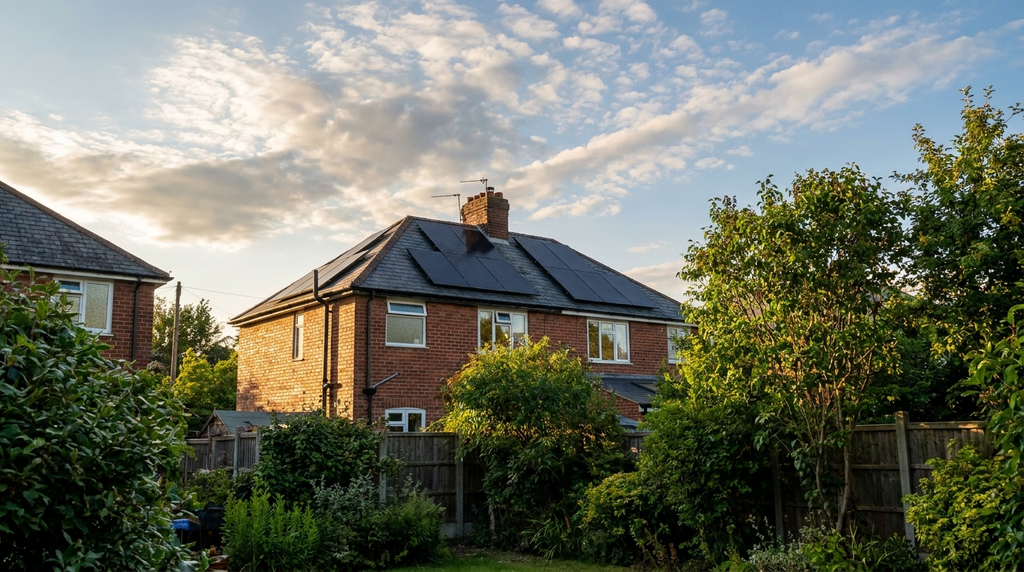
Ballymena receives around 850 to 950 sunshine hours per year, lower than southern England, yes, but modern solar panels generate electricity from daylight as much as direct sunshine. A well-positioned south-facing roof on a Harryville or Ballykeel semi will still generate meaningful electricity through summer and shoulder seasons. Winter output will be low, but that’s true everywhere in the UK.
The bigger local consideration is roof orientation and pitch. Many of the 1970s and 1980s semis across Dunclug and Ballykeel have relatively shallow-pitched roofs that can be ideal for solar installation. The older Victorian terraces near the town centre often face east-west rather than south, which reduces output somewhat but doesn’t make solar unviable.
One practical note, because Ballymena sits close enough to the north Antrim coast to experience salt-laden westerly winds, your panels will need more frequent cleaning than those in inland towns. Salt and road grime build up on the glass surface, reducing output. Budget for a professional clean every 12 to 18 months, which typically costs £60 to £120 depending on system size.
| System Size | Typical Install Cost (2026) | Annual Generation (Ballymena) | Annual Saving + Export | Payback Period |
|---|---|---|---|---|
| 3kW | £5,500 – £6,500 | 2,200 – 2,500 kWh | £480 – £580 | 10 – 13 years |
| 4kW | £6,800 – £8,000 | 2,900 – 3,300 kWh | £620 – £740 | 10 – 12 years |
| 6kW | £9,500 – £11,500 | 4,200 – 4,800 kWh | £880 – £1,050 | 10 – 12 years |
Savings figures assume Northern Ireland electricity tariffs with Power NI or SSE Airtricity and include Smart Export Guarantee (SEG) payments for exported electricity. Adding a battery storage system (typically £2,500 to £4,000 extra) improves self-consumption and is worth considering if you’re away from home during the day.
Heating Systems That Actually Suit Ballymena’s Climate and Housing
This is where Ballymena genuinely differs from most of the towns you’ll read about in eco home guides written for England. The majority of Ballymena homes run on oil heating, a Worcester Bosch or Grant oil boiler in a cupboard or outhouse, and a tank somewhere in the garden. Mains gas is available on some streets closer to the town centre, but most of the residential estates off the Ring Road, around Harryville, and throughout Dunclug are entirely off-grid for gas.
That actually changes the conversation around heat pumps quite significantly. If you’re already paying oil prices, switching to an air source heat pump (ASHP) can make strong financial sense, particularly as oil prices remain unpredictable.
Air Source Heat Pumps
For a typical Ballymena semi, an ASHP system will cost £8,000 to £14,000 installed after any applicable grants. Running costs depend heavily on how well insulated your home is, a poorly insulated home will still be expensive to heat with a heat pump, so insulation comes first (see the next section). With decent insulation, expect annual running costs of £900 to £1,300 compared to £1,400 to £2,000 for oil.
The cold winters around Ballymena, with heating degree days in the 1,800 to 2,200 range, mean you want an ASHP rated to perform well at low ambient temperatures. Look for systems rated to operate efficiently down to -20°C.
Oil Boiler Replacement
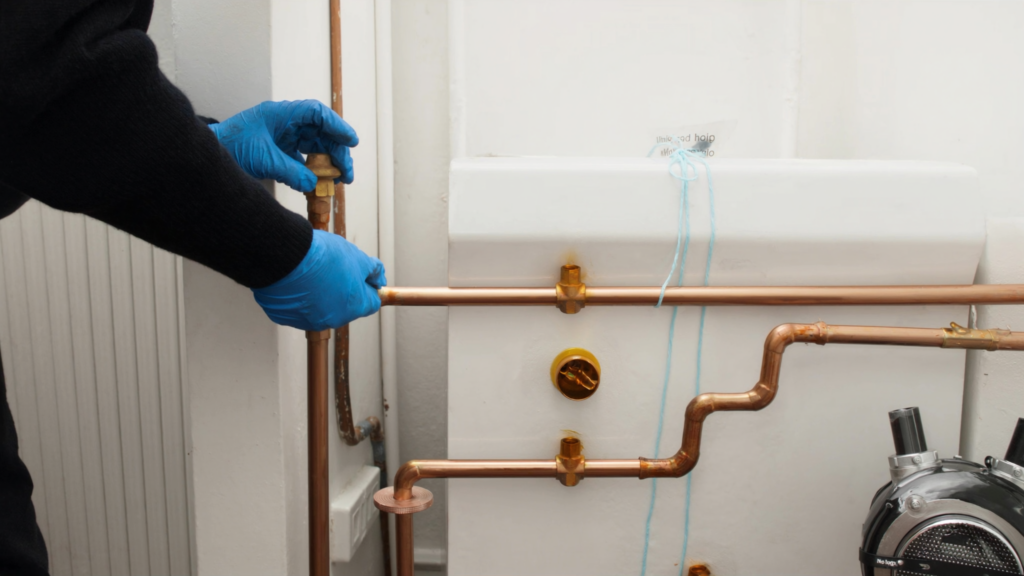
If an ASHP isn’t right for you yet, replacing an ageing oil boiler with a modern condensing model can cut fuel consumption by 15 to 25%. A new Grant Vortex or Worcester Bosch oil condensing boiler costs around £2,200 to £3,500 installed and is a sensible interim step while you improve insulation and plan a longer-term switch.
Ground Source Heat Pumps
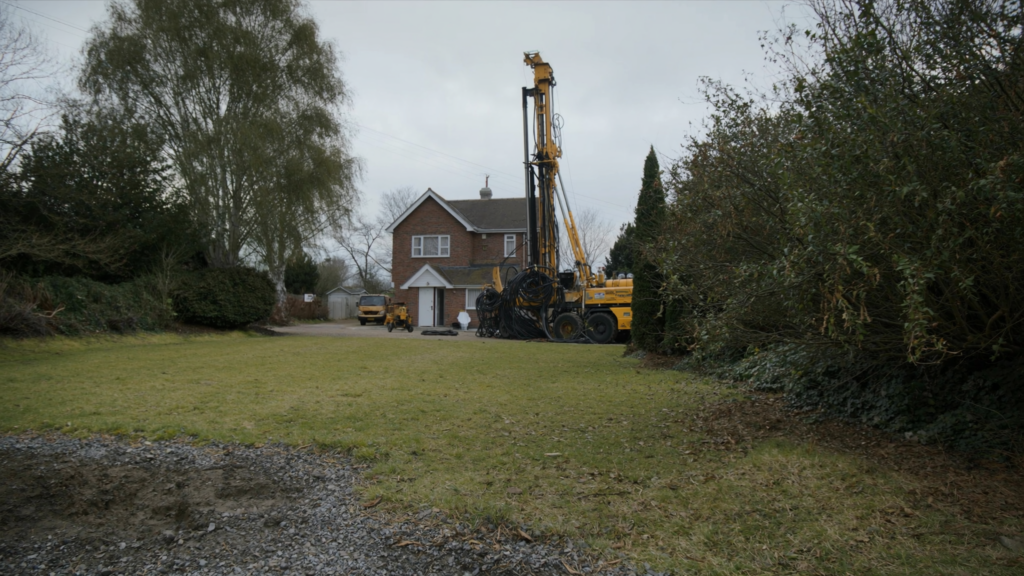
The drumlin landscape around Ballymena means many homes on the town’s edges have reasonable garden space, but ground source systems (typically £18,000 to £30,000) are mainly viable for larger detached properties with sufficient land. For Dunclug and Harryville semis with modest back gardens, air source is almost always the more practical option.
| Heating Option | Install Cost | Annual Running Cost (Ballymena semi) | CO2 Reduction vs Oil |
|---|---|---|---|
| Oil boiler (existing) | Already installed | £1,400 – £2,000 | Baseline |
| New condensing oil boiler | £2,200 – £3,500 | £1,100 – £1,600 | 15 – 25% |
| Air source heat pump | £8,000 – £14,000 | £900 – £1,300 | 40 – 60% |
| Ground source heat pump | £18,000 – £30,000 | £750 – £1,100 | 50 – 70% |
Where to Start With Insulation in a Ballymena Home
Insulation is unglamorous but it’s where most Ballymena homeowners will see the fastest return on their money. The terraced streets around the town centre and the 1970s semis across Dunclug and Ballykeel share a common problem, they were built to the standards of their era, which were frankly inadequate by today’s measure.
Here’s the priority order for a typical Ballymena semi or terrace, based on what saves the most heat for the least cost:
1, Loft Insulation
If your loft has less than 270mm of insulation (the current recommended depth), topping up is the single cheapest and most effective improvement you can make. Cost is typically £300 to £600 for a standard semi, and annual savings can reach £200 to £300. Payback in under two years is realistic.
2, Cavity Wall Insulation
Most homes built in Ballymena from the 1940s through to the early 1990s have cavity walls. If yours haven’t been filled, you could be losing up to 35% of your home’s heat through the walls. Installation costs £700 to £1,200 and saves roughly £150 to £250 per year. However, there’s an important local note here, because Ballymena receives significant westerly driving rain (rainfall regularly exceeds 1,000mm a year), cavity fill must be done with the right materials for your exposure zone. An assessor should check your wall exposure rating before any work goes ahead. Poorly installed cavity insulation in a high-exposure area can lead to damp problems.
3, Underfloor Insulation
Many terraced homes near the town centre have suspended timber ground floors with a cold void underneath. Insulating between the joists from below costs £800 to £1,500 and can save £100 to £150 a year. It also makes a remarkable difference to draughty, cold ground floor rooms in winter.
4, External Wall Insulation
For solid-walled Victorian terraces, particularly the older streets closer to Ballymena’s town centre, external wall insulation (EWI) is often the only practical wall insulation option. It’s more expensive at £8,000 to £15,000 for a typical terrace, but savings of £300 to £500 a year are realistic. The coastal proximity and driving rain exposure mean render choice matters hugely here, ask installers specifically about silicone render systems designed for high-exposure Northern Ireland conditions.
If your property is in or near a conservation area, Ballymena’s town centre has areas of historical character that Mid and East Antrim Borough Council monitors carefully, you’ll need to check whether EWI requires planning permission, as it can affect the external appearance of buildings.
5, Window and Door Upgrades
Replacing single-glazed windows with A-rated double or triple glazing costs £4,000 to £9,000 for a typical semi and saves around £120 to £180 a year. It’s rarely the best first investment, but old draughty windows genuinely affect comfort. Specify marine-grade uPVC or aluminium frames given the salt air exposure from westerly winds, standard hardware corrodes noticeably faster here than in inland towns.
Grants and Funding Ballymena Residents Can Get in 2026
Northern Ireland operates its own energy efficiency grant framework, separate from England and Wales, which means some GB schemes don’t apply here, but there are equivalent Northern Ireland programmes worth knowing about.
The NI Sustainable Energy Programme (NISEP)
NISEP is funded by a levy on NI energy suppliers and delivers free or heavily subsidised energy efficiency measures to eligible households. Eligibility is typically tied to income thresholds or benefit receipt. Qualifying households can receive free loft insulation, cavity wall insulation, or heating system upgrades through approved installers. Contact your energy supplier, Power NI or SSE Airtricity, directly to ask whether you qualify, as they administer the scheme.
The Affordable Warmth Scheme
This is the Northern Ireland equivalent of the GB Warm Homes Discount and goes further. If your household income is below around £23,000 and you own or privately rent your home, you may qualify for grants covering insulation, heating replacement (including oil boiler upgrades and heat pump installations), and draught-proofing. Grants can reach £10,