Why Kent Is One of the Best Places in England to Go Green at Home
Kent has always been a county of contrasts. You’ve got medieval market towns sitting alongside Victorian terraces, sprawling coastal communities, and leafy commuter villages tucked into the North Downs. From the chalk cliffs of Dover to the apple orchards of the Weald, it’s a genuinely varied part of England, and that variety matters when you’re thinking about eco home improvements.
What makes Kent stand out from its South East neighbours is the combination of excellent solar potential, a strong and growing installer market, and some of the highest property values outside London. That last point is important. When house prices are high, energy-efficient upgrades add real value to your home, as well as savings on your bills. A heat pump or a well-insulated roof is a lifestyle choice here and a sound financial decision.
With 699,832 residents spread across 14 towns and a huge variety of surrounding rural communities, Kent is also big enough to have a genuinely competitive installer market. That means you’re more likely to get fair quotes and good service than in more remote parts of the country.
What EPC Band D Really Means for Kent Homeowners
The average home in Kent sits at EPC Band D, which puts the county right at the national average. That might sound reassuring, but Band D still means your home is losing more heat than it should, and you’re almost certainly paying more than necessary to stay warm.
In practical terms, a typical Kent household uses around 11,050 kWh of gas per year and 3,107 kWh of electricity. At current energy prices, that works out to roughly £1,400–£1,700 a year on energy bills for an average semi-detached home, sometimes significantly more for larger detached properties or older Victorian terraces with solid walls.
The picture varies considerably across the county. Here’s a rough guide to how different areas tend to compare.
- Sevenoaks and Tunbridge Wells have a lot of larger, older detached homes. These often have solid brick walls and original single-glazed sash windows, a real heat sink in winter. They tend to score lower on EPCs despite being well-maintained properties.
- Chatham, Margate, and Dover have significant concentrations of pre-war terraced housing, many in Band D or E. These are often privately rented or owner-occupied by households on tighter budgets, making grant funding particularly relevant here.
- Canterbury and Maidstone offer a broad mix. Newer estates on the edges of the city tend to score in Band C or better, while the older central streets can sit in Band E or even F.
- Faversham and Hythe have a higher proportion of listed buildings and conservation area properties, which can make upgrades more complex, but there are still options available.
Moving from Band D to Band C could realistically save you £300–£600 a year depending on your property. Moving to Band B or above, achievable for many homes with a package of measures, could save £700–£1,200 annually.
The Full Range of Eco Home Services Available Across Kent
If you’re just starting out with a smart thermostat or planning a full whole-house retrofit, there’s a wide range of services available to Kent homeowners. Here’s a plain-English overview of the main options.
Solar Panels
Kent gets some of the best sunshine in the UK, consistently 1,200 to 1,500 sunshine hours per year, and some of the highest solar irradiance figures in England. A south-facing roof in Kent will generate meaningfully more electricity than the same system installed in the Midlands or North. A typical 4kWp system costs £6,000–£8,000 installed, and can generate around 3,500–4,000 kWh per year.
Heat Pumps
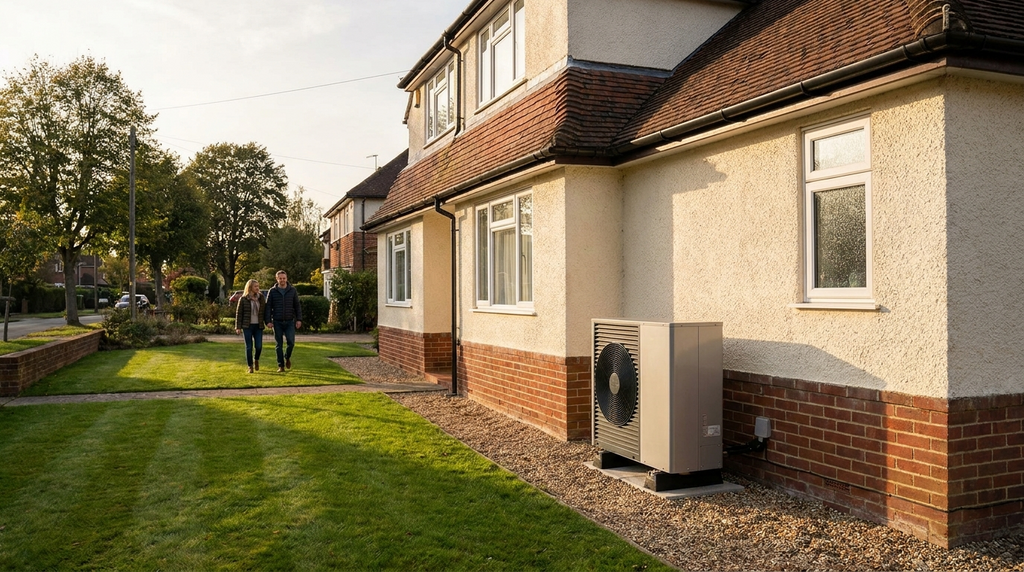
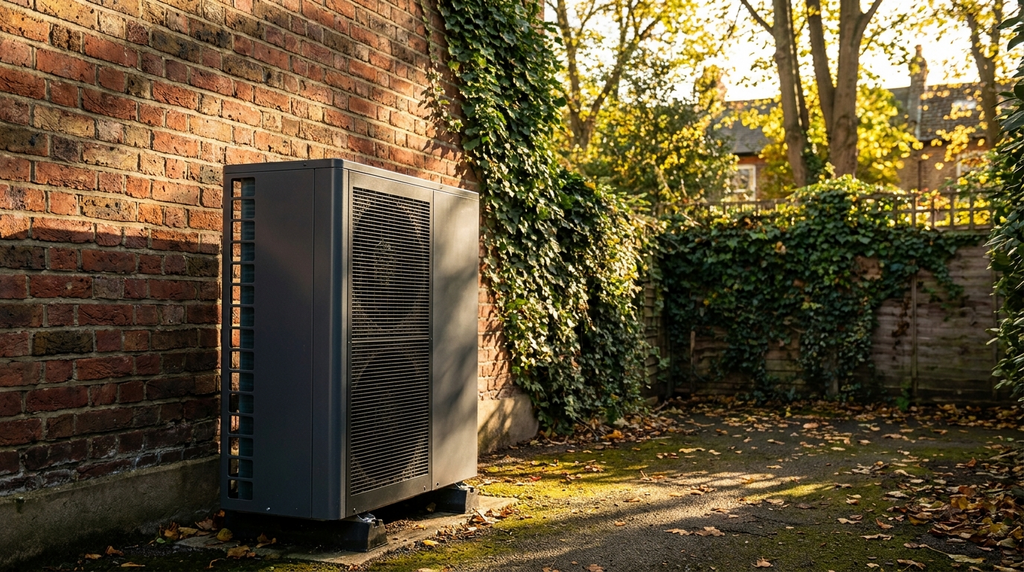
Air source heat pumps work by extracting warmth from outdoor air, even in winter, and using it to heat your home. Because Kent’s winters are milder than much of the UK (averaging 1,200–1,500 heating degree days), heat pumps perform particularly efficiently here. A typical installation costs £8,000–£15,000 before the Boiler Upgrade Scheme grant, which currently provides £7,500 off.
Insulation
Loft insulation, cavity wall insulation, solid wall insulation, and underfloor insulation are the bread and butter of home energy efficiency. Loft insulation is often the cheapest and quickest win, sometimes under £500 installed, with annual savings of £200 or more. Solid wall insulation (common in older Kent properties) costs more but delivers proportionally bigger savings.
Double and Triple Glazing
Replacing old single-glazed windows makes a noticeable difference to both warmth and noise. Costs vary significantly by property size, but a typical terraced home might spend £4,000–£7,000 on full replacement double glazing. Triple glazing adds roughly 10–15% to the cost and is increasingly popular for properties near busy roads.
Energy Efficiency Improvements
This category covers smart thermostats, thermostatic radiator valves, hot water cylinder insulation, LED lighting, and draught-proofing. These smaller measures are often overlooked but can collectively save £150–£400 per year for relatively modest upfront costs. A good starting point for almost any Kent home.
Typical Costs and Savings Across Different Kent Property Types
To help you plan, here’s a realistic comparison of what key improvements cost and what they typically save across the most common property types in Kent.
| Improvement | Semi-Detached | Terraced | Detached | Flat |
|---|---|---|---|---|
| Loft Insulation | £400–£600 / saves £200/yr | £300–£500 / saves £150/yr | £500–£800 / saves £250/yr | Rarely applicable |
| Cavity Wall Insulation | £800–£1,200 / saves £200/yr | £600–£1,000 / saves £150/yr | £1,200–£1,800 / saves £300/yr | £400–£700 / saves £100/yr |
| External Wall Insulation | £8,000–£14,000 / saves £400/yr | £6,000–£11,000 / saves £350/yr | £12,000–£22,000 / saves £600/yr | N/A (whole block) |
| Solar Panels (4kWp) | £6,500–£8,000 / saves £600/yr | £6,000–£7,500 / saves £550/yr | £7,000–£9,000 / saves £700/yr | Rarely applicable |
| Air Source Heat Pump | £9,000–£13,000 / saves £400/yr | £8,000–£12,000 / saves £350/yr | £11,000–£15,000 / saves £600/yr | £7,000–£10,000 / saves £250/yr |
| Double Glazing (full house) | £4,500–£7,000 / saves £150/yr | £3,500–£6,000 / saves £120/yr | £6,000–£10,000 / saves £200/yr | £1,500–£3,000 / saves £80/yr |
Payback periods at a glance, loft and cavity wall insulation typically pay back in 3–6 years. Solar panels in Kent pay back in 10–13 years thanks to the high irradiance. Heat pumps (after the grant) often pay back in 12–18 years, though that improves significantly if you’re replacing an old, inefficient boiler.
Grants and Funding Available to Kent Residents in 2026
There’s more financial support available than most homeowners realise. Here’s a clear breakdown of what you can access in Kent right now.
The Boiler Upgrade Scheme
This national scheme provides £7,500 off the installed cost of an air source heat pump, and £7,500 off a ground source heat pump. You apply through your installer, you don’t need to deal with the paperwork yourself. Your home must have adequate insulation to qualify, and you’ll need a current EPC with no outstanding recommendations for loft or cavity wall insulation.
ECO4
The Energy Company Obligation scheme (ECO4) funds insulation and heating upgrades for lower-income households. In Kent, households receiving qualifying benefits, including Universal Credit, Pension Credit, or Child Tax Credit, may be eligible for free or heavily subsidised insulation, glazing, and heat pumps. Areas like Chatham, Margate, and parts of Dover have higher concentrations of eligible households, and some local councils actively refer residents to the scheme.
The Great British Insulation Scheme
The Great British Insulation Scheme (GBIS) is broader than ECO4 and doesn’t require you to receive benefits. Homes in Council Tax bands A–D with an EPC of Band D or below may qualify, which covers a large proportion of Kent properties. Insulation measures including loft, cavity wall, and solid wall may be available at reduced or no cost.
Kent County Council and Local Authority Programmes
Kent County Council has been involved in regional retrofit initiatives as part of broader South East sustainability programmes. Several district councils, including Canterbury City Council, Maidstone Borough Council, Sevenoaks District Council, and Thanet District Council, have run their own home energy advice services and occasionally funded area-based schemes. It’s always worth checking with your local council directly, as funding windows open and close throughout the year.
Smart Export Guarantee
If you install solar panels, you can earn money by exporting surplus electricity back to the grid through the Smart Export Guarantee. Rates vary by supplier but typically sit at 4–15p per kWh. Over a year, a typical Kent solar installation might earn you £100–£300 in export payments on top of your self-consumption savings.
What Kent Homeowners Need to Know About Planning Permission
Most standard eco home improvements fall under permitted development in England, meaning you don’t need planning permission. But Kent has some specific considerations worth knowing about.
Conservation Areas
Kent has a significant number of conservation areas, particularly in Canterbury, Faversham, Sevenoaks, Tunbridge Wells, and Hythe. If you live in a conservation area, you typically cannot install solar panels on a front roof slope that faces a highway without seeking prior approval. External wall insulation may also require permission if it would alter the character of the building.
Listed Buildings
Kent has a high concentration of listed buildings given its history. If your home is listed, even Grade II, you’ll need listed building consent for most external changes, and some internal changes too. This doesn’t mean upgrades are impossible, but it does mean you need specialist advice before starting. An experienced retrofit coordinator familiar with Kent’s planning authorities is invaluable here.
Areas of Outstanding Natural Beauty
Parts of Kent fall within the Kent Downs National Landscape (formerly the Kent Downs AONB). Additional restrictions may apply to external changes in these areas. If you’re in a rural property near the Downs, around Sevenoaks, Tonbridge, or the villages between Canterbury and Folkestone, it’s worth checking with your local planning authority before committing to external insulation or large-scale solar installations.
Who Handles Planning in Kent
Planning in Kent is handled at the district and borough level rather than by the county council. The main planning authorities you may deal with are Ashford Borough Council, Canterbury City Council, Dartford Borough Council, Dover District Council, Folkestone and Hythe District Council, Maidstone Borough Council, Sevenoaks District Council, Swale Borough Council, Thanet District Council, Tonbridge and Malling Borough Council, and Tunbridge Wells Borough Council. Each has its own online planning portal where you can check local policies and submit applications.
How Kent’s Climate and Geography Shape Your Best Options
Kent’s position in the south-east corner of England gives it a genuinely distinctive climate, and that directly affects which eco improvements will work hardest for you.
Solar panels are one of the best investments you can make in Kent. The county consistently records some of the highest solar irradiance in the UK, particularly along the coastal strip from Whitstable to Folkestone and across the eastern part of the county around Margate and Deal. Even north-facing or east-west split roof installations can perform well here compared to the national average.
Kent’s milder winters, thanks to its southerly position and the moderating influence of the English Channel, mean that air source heat pumps perform particularly efficiently. Heat pumps lose efficiency in very cold weather, so Kent’s relatively moderate winter temperatures are a genuine advantage. You’ll see better performance here than homeowners further north would from the same system.
The lower rainfall in eastern Kent (as little as 500–600mm per year in parts of Thanet and Dover) is actually good news for external wall insulation. EWI systems need dry conditions during installation and perform better long-term in areas that don’t get constantly drenched. West Kent gets a bit more rain but still sits well within acceptable ranges.
Cold easterly winds in winter, which Kent gets more than most counties, particularly on the coast and across the open farmland of Thanet, make draught-proofing and good window sealing especially worthwhile. That northerly coastal exposure around Margate and Whitstable means wind-driven heat loss can be significant in older properties.
The North Downs create a mild rain shadow across parts of mid-Kent, making Maidstone and the surrounding area particularly sunny and sheltered, another good spot for solar.
Where to Find Eco Home Services Across Kent
We cover eco home services across all 14 major towns in Kent, with installer networks extending out into the surrounding villages and rural communities. Here’s a quick overview of coverage across the county.
- Ashford, Good installer coverage serving both the town and the surrounding rural communities of the Weald.