Swindon’s Housing Story, and Why Eco Upgrades Matter More Here Than You Might Think
Swindon is one of those towns that often gets overlooked in conversations about green homes, but it really shouldn’t be. Built largely on the back of the Great Western Railway works, the town expanded rapidly through the mid-20th century, leaving behind a landscape dominated by inter-war semis, post-war council estates, and the kind of solid-but-draughty terraced housing that fills streets across Pinehurst, Rodbourne, and Even Swindon. More recently, sprawling estates like Haydonwick, Freshbrook, and the ever-growing eastern fringes around Wichelstowe have added thousands of newer homes to the mix.
What all of this means for you as a homeowner is that Swindon sits in an interesting middle ground, some homes are relatively modern and reasonably efficient, while a large chunk of older stock is crying out for improvement. The town sits on relatively flat ground in the Vale of the White Horse and Upper Thames plain, with the North Wessex Downs rising to the south towards Marlborough. This sheltered position means you’re not dealing with the battering that coastal homes in Cornwall or Devon get, but winters can still bring cold spells off the Downs that push your heating bills higher than you’d expect.
Swindon Borough Council handles planning applications and has its own climate commitments under its Local Plan. If you’re in or near any of the older parts of town, particularly the Victorian and Edwardian streets around Old Town, or properties close to the listed buildings along Bath Road, you’ll want to check permitted development rules before making any visible changes to your home’s exterior.
How Energy-Efficient Are Swindon Homes Really
The average EPC rating in Swindon is Band D, which puts the town right at the national average, not terrible, but a long way from where it could be. In practical terms, Band D means your home is losing heat faster than it should, your heating system is probably working harder than necessary, and you’re likely spending more than you need to on energy bills.
For a typical semi-detached or terraced home in Swindon using 10,800 kWh of gas and 3,100 kWh of electricity per year, you’re looking at annual energy bills in the region of £1,650 to £2,000 depending on your tariff. That’s based on current 2026 unit rates, gas sitting around 7.5p per kWh and electricity around 25p per kWh under the Energy Price Cap.
Compared to the South West region as a whole, Swindon’s consumption figures are fairly typical, you don’t have the extreme off-grid situations that push bills sky-high in rural Wiltshire or the Somerset Levels. But you also don’t benefit from the very high sunshine hours that coastal Devon and Cornwall enjoy. The good news is that the improvement potential here is real and measurable, moving from Band D to Band B is achievable for most homes in Swindon, and it could cut those bills by £500 to £900 per year.
Solar Panels in Swindon, Better Returns Than Most People Expect
Here’s something worth knowing, Swindon sits in one of the better locations in the UK for solar panels. The South West as a whole receives the highest solar irradiance in the country, and while Swindon isn’t quite as sunny as Torquay or Penzance, it still gets a solid 1,100 to 1,200 kWh of solar energy per square metre per year. That’s meaningfully better than the North of England or Scotland, and it translates into real money on your bills.
Most semi-detached and terraced homes in Swindon have south or south-west facing rear roofs, ideal for solar. The relatively flat terrain around the town means you’re unlikely to have shading issues from hills, though mature trees in older residential areas like Park South and Walcot can be worth checking before you commit.
If you’re in Old Town or near any conservation-designated streets, Swindon Borough Council may require you to use less visible panel options, so it’s worth a quick call to the planning department before getting quotes.
| System Size | Typical Install Cost (2026) | Annual Generation (Swindon) | Estimated Annual Saving | Payback Period |
|---|---|---|---|---|
| 3 kW | £5,500 – £6,500 | ~2,700 kWh | £480 – £580 | 10–13 years |
| 4 kW | £6,500 – £8,000 | ~3,600 kWh | £620 – £750 | 9–12 years |
| 6 kW | £8,500 – £10,500 | ~5,400 kWh | £880 – £1,050 | 9–11 years |
Adding a battery storage system (typically £2,500 – £4,000 extra) makes a real difference if you’re out during the day. It lets you store the midday generation and use it during the evening peak, which is exactly when Swindon households tend to draw most power.
Heating Choices That Actually Make Sense for Swindon Homes
Swindon’s climate is milder than many people assume. Sitting at around 70–80m above sea level on sheltered lowland, the town sees fewer extreme cold days than upland Wiltshire towns like Marlborough or Devizes. That matters when you’re choosing a heating system, because heat pumps perform better in milder climates, they work less hard and use less electricity.
For the typical semi-detached or terraced home in areas like Covingham, Stratton St Margaret, or Park North, here’s how the main options stack up in 2026
- Gas boiler (condensing), Still the most common choice for homes already on mains gas. A new A-rated condensing boiler costs £2,000 – £3,500 installed and can cut gas usage by 15–20% compared to an older unit. Running costs on current rates sit around £810 per year for typical Swindon usage.
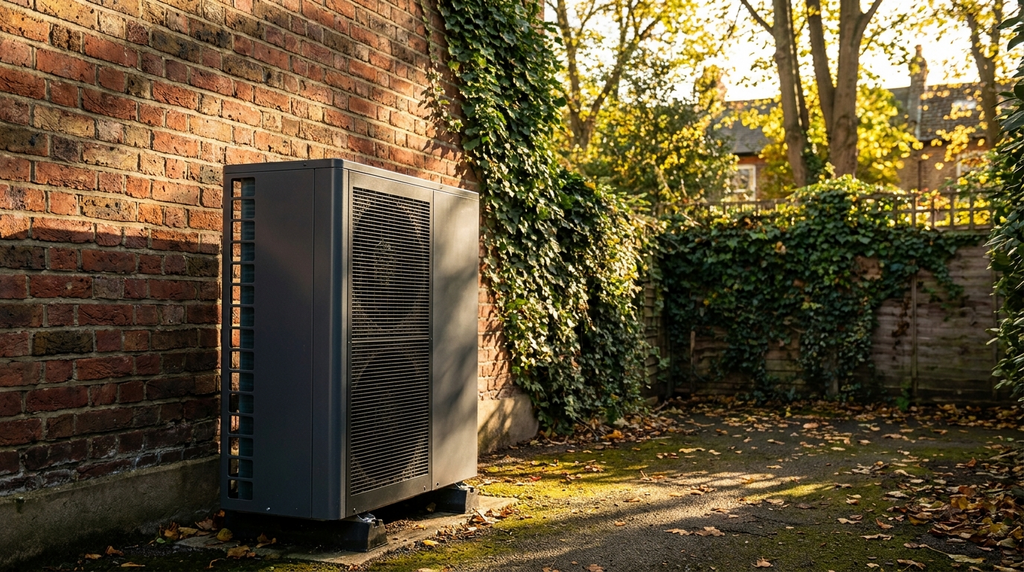
- Air source heat pump (ASHP), Increasingly popular and now genuinely well-suited to Swindon’s milder winters. Costs £8,000 – £14,000 installed (before grants, see below). Running costs depend heavily on your home’s insulation, but a well-insulated semi can expect annual heating bills around £700 – £950, and you qualify for the Boiler Upgrade Scheme grant.
- Ground source heat pump (GSHP), More efficient but requires garden space for ground loops. Swindon’s flat terrain makes installation relatively straightforward compared to hillier areas, but the upfront cost of £18,000 – £30,000 puts it out of reach for most terraced homes. Better suited to detached properties on the newer outer estates.
Practical tip, if you’re in a pre-1970s terraced home in Rodbourne or Gorse Hill, get your insulation sorted first before switching to a heat pump. A heat pump in a poorly insulated home will cost you more to run, not less.
Where to Start With Insulation, a Swindon Priority List
Insulation is where most Swindon homeowners get the fastest return on their investment. Given the predominance of 1930s–1970s semi-detached and terraced homes in the town, cavity walls and uninsulated lofts are the two biggest heat loss culprits. Here’s how to prioritise
- Loft insulation, If your loft has less than 270mm of mineral wool, topping it up is the single cheapest improvement you can make. Cost for a typical semi is £300 – £600, and it can save you £150 – £250 per year. Most homes built before 1990 in areas like Penhill and Park West will benefit from this.
- Cavity wall insulation, The majority of Swindon’s post-war housing stock has unfilled cavity walls. Injecting mineral wool or EPS beads costs £800 – £1,500 for a semi, and annual savings run to £200 – £350. Worth checking with a surveyor first if you’re in a home that’s faced persistent damp, filling a damp cavity makes things worse, not better.
- Floor insulation, Often overlooked. Suspended timber floors in older Swindon terraces (particularly those in Old Town and the Railway Village conservation area) lose a surprising amount of heat. Insulating underneath costs £800 – £1,800 and can save £70 – £150 per year.
- Solid wall insulation (external or internal), If you have solid brick walls, common in pre-1920 homes, this is expensive but high-impact. External wall insulation runs £8,000 – £15,000 for a semi; internal is cheaper at £4,000 – £8,000 but reduces room size slightly. Annual savings of £300 – £500 make the long-term case strong, especially if you combine it with grant funding.
- Double or triple glazing, If you’re still on single glazing (surprisingly common in some of Swindon’s older terraces), upgrading to A-rated double glazing costs £4,000 – £8,000 for a whole house and saves £100 – £200 per year, plus it dramatically improves comfort.
Grants and Funding Available to Swindon Residents in 2026
This is where things get genuinely exciting for Swindon homeowners. There are several funding routes available right now, and many households qualify for more than they realise.
The Great British Insulation Scheme
This national scheme targets homes in EPC Band D or below, which covers the majority of Swindon properties. If your household income is under £36,000 or you receive certain benefits, you may qualify for fully funded insulation. Even above that threshold, a contribution grant is available. Applications go through Swindon Borough Council’s housing team or directly through registered installers.
The Boiler Upgrade Scheme
If you’re replacing a gas or oil boiler with a heat pump, the government currently offers a £7,500 grant for air source heat pumps and £7,500 for ground source. This comes off the installer’s invoice, you don’t pay it upfront and claim it back. Your installer must be MCS-certified to access this. For many Swindon semis, this brings an ASHP install down to a much more manageable £4,000 – £7,000 after the grant.
ECO4 Funding
The Energy Company Obligation (ECO4) requires large energy suppliers to fund home upgrades for lower-income households. If you rent, receive means-tested benefits, or have a low EPC rating, your home may qualify for free or heavily subsidised insulation, heating upgrades, or solar panels. Swindon Borough Council can refer households directly, contact their housing team to check eligibility.
Swindon Borough Council’s Climate Action Programme
The council has committed to carbon neutrality and has partnered with several local retrofit programmes. Keep an eye on the council’s website for area-specific funding rounds, which have historically targeted Pinehurst, Penhill, and parts of Walcot, where older housing stock and lower average incomes make a compelling case for targeted investment.
Finding Good Installers Around Swindon
The good news is that Swindon is well-served by installers. Being a large town of 222,000 people, you have more choice than homeowners in smaller Wiltshire towns like Devizes or Marlborough, and many installers based in Swindon also cover Chippenham, Cirencester, and the surrounding area, so they tend to be competitive on price.
Here’s what to look for and watch out for
- MCS certification, Mandatory for solar, heat pumps, and battery storage if you want to access government grants or Smart Export Guarantee payments. Check the MCS certificate directory online before signing anything.
- TrustMark registration, For insulation and general retrofit work, TrustMark is the government-endorsed quality scheme. Unregistered traders aren’t necessarily bad, but registered ones carry more accountability.
- Get three quotes, Prices for solar and heat pumps in Swindon can vary by £1,500 – £3,000 for identical systems. Spending an afternoon getting three quotes is genuinely worth your time.
- Watch for pressure tactics, Any installer who tells you the grant “expires this week” or won’t give you a written quote to take away is a red flag. Legitimate installers are busy but not desperate.
- Waiting times, In 2026, reputable solar and heat pump installers in the Swindon area typically have 6–14 week lead times. If someone can start immediately with no wait, it’s worth asking why.
Your Step-by-Step Upgrade Plan for a Typical Swindon Home
If you own a Band D semi-detached or terraced home in Swindon and want to do this sensibly, without blowing your budget or doing things in the wrong order, here’s the roadmap I’d suggest
- Get a retrofit assessment, Before spending a penny on upgrades, pay for a proper whole-house retrofit survey from a qualified assessor (typically £200 – £400). This tells you what your home needs, in what order, and what you can expect to save. It also helps you target grant funding more effectively.
- Sort your loft insulation first, If it’s not at 270mm, top it up. It’s cheap, quick, and the return is immediate. The Great British Insulation Scheme closed on 31 March 2026. It funded insulation measures only and never covered windows or glazing.
- Fill those cavity walls, If your home was built between 1930 and 1995, there’s a very good chance the cavity is empty. Get it filled. Check for damp first. Budget £800 – £1,500 or apply for grant support.
- Install solar panels, With Swindon’s decent irradiance levels and strong south-facing roof potential, a 4kW system is usually the sweet spot for a semi. This sets you up perfectly for the next step.