Corsham’s Housing Story and Why Eco Upgrades Matter Here
Corsham is one of those Wiltshire towns that quietly gets on with things. Tucked between the limestone hills of the southern Cotswolds and the flat vale running towards Chippenham, it sits at around 100 metres above sea level, high enough to catch some sharp westerly winds in winter, but sheltered enough to enjoy genuinely good solar conditions most of the year.
The town’s housing stock tells its own story. Much of central Corsham, think the streets around Pickwick Road, the older parts near the High Street, and the traditional terraces off Priory Street, is built from the warm, honey-coloured Bath stone that was literally quarried beneath the town. Corsham Court and its estate shaped the older residential lanes, and the conservation area covering much of the town centre means that not every upgrade is as simple as slapping solar panels on a roof and calling it done.
Then there’s the newer side of town. Estates like Leafield and the residential streets out towards the A4 corridor include a lot of 1970s–1990s semi-detached and terraced homes, properties that were built to the standards of their era, which weren’t exactly energy-efficient by today’s measure. These homes are where the real upgrade opportunity lies, and they’re also the most straightforward to improve.
With 13,379 residents and most properties sitting at EPC Band D, Corsham is a town with solid potential for energy savings. Installers from Chippenham (just 5km away) regularly serve the area, and Bath-based firms (14km) often cover Corsham as part of their wider patch, so you’re not as isolated as some rural Wiltshire villages for finding good tradespeople.
How Energy-Efficient Are Corsham Homes, Honestly?
The average EPC rating in Corsham is Band D, which puts it exactly in line with the UK national average. That might sound reassuring, but Band D still means your home is losing a significant amount of heat and costing more to run than it should.
In practical terms, a Band D home in Corsham is likely spending somewhere between £1,800 and £2,400 a year on energy bills, depending on how old the property is and how well the previous owners looked after it. The average gas usage here is 12,100 kWh per year, almost exactly the national median, suggesting Corsham homes are pretty typical in how they consume energy.
What that Band D rating usually means in practice
- Loft insulation that may be thin, absent, or damp-affected
- Cavity walls that may or may not have been filled
- A gas boiler that’s probably between 10 and 20 years old
- Single or older double glazing in the period properties
- No solar generation offsetting electricity costs
Move a Corsham home from Band D to Band B and you’d realistically be looking at saving £600–£900 a year on energy costs. That’s not a marketing figure, that’s based on the difference in typical energy consumption between the two bands at current tariff rates.
Compared to the South West region overall, Corsham’s housing sits mid-table. Towns like Bath, with their Georgian terraces and listed buildings, often average Band E or worse. More modern Chippenham estates can reach Band C. Corsham’s mix of old stone and 20th-century housing means you’ll find everything from a draughty Band F cottage on the High Street to a Band C semi on a newer estate, the average hides a lot of variation.
Solar Panels in Corsham, Better Than You’d Think
This is where Corsham’s geography genuinely works in your favour. Being in the South West, you’re sitting in the best solar belt in the UK, with 1,100–1,200 kWh of solar irradiance per square metre per year. That’s meaningfully better than the Midlands or the North, and it makes solar panels a genuinely strong investment here.
The 1,200–1,500 sunshine hours Corsham receives annually aren’t just summer figures, the south-facing slopes around the town and the relatively low cloud cover compared to coastal areas like Somerset or Devon mean your panels are generating usefully even in spring and autumn.
For the terraced and semi-detached homes that make up most of Corsham’s housing stock, a 3kW to 4kW system tends to be the sweet spot, enough to cover a good chunk of daily electricity use without overwhelming a modest roof space. Larger detached homes on estates like Leafield could comfortably fit a 6kW system.
One important caveat, if your home is in the Corsham conservation area or is listed, you’ll need to check with Wiltshire Council (the local planning authority) before installation. Solar panels on listed buildings almost always require listed building consent, and conservation area properties sometimes need permitted development confirmation too. It’s worth a quick call to the planning team before you book anyone in.
| System Size | Typical Install Cost (2026) | Annual Generation | Estimated Annual Saving | Payback Period |
|---|---|---|---|---|
| 3kW | £5,500–£6,500 | ~2,700 kWh | £500–£620 | 9–12 years |
| 4kW | £7,000–£8,500 | ~3,600 kWh | £650–£800 | 9–12 years |
| 6kW | £9,500–£11,500 | ~5,400 kWh | £950–£1,150 | 9–11 years |
Adding a battery storage system (typically £3,000–£5,000 extra) makes a bigger difference in Corsham than in northern towns, simply because you’re generating more to store. With electricity usage averaging 3,000 kWh a year, a well-sized solar-plus-battery setup could cover 60–80% of your electricity needs across the year.
Heating Choices That Actually Make Sense for Corsham Homes
Most Corsham homes are on the mains gas grid, and the town’s relatively sheltered, mild-winter climate (around 1,200–1,500 heating degree days per year) means your heating system doesn’t have to work as hard as it would in, say, Yorkshire. That has real implications for which upgrades are worth the money.
A modern condensing gas boiler is still a perfectly sensible choice for most Corsham terraces and semis right now, especially if your current boiler is over 15 years old. Replacing an old G-rated boiler with a new A-rated condensing model could cut your gas bills by £200–£300 a year on its own, for an install cost of around £2,500–£3,500.
Air source heat pumps (ASHPs) are increasingly viable for semi-detached homes in Corsham, particularly on the newer estates where there’s often a side return or back garden for the unit. Corsham’s mild winters mean ASHPs perform efficiently here, they work best when outdoor temperatures stay above freezing, which is most of the time in this part of Wiltshire. Running costs depend heavily on your electricity tariff and insulation quality, but a well-insulated semi running an ASHP could spend £900–£1,200 a year on heating, compared to £1,400–£1,800 for an older gas system.
Ground source heat pumps (GSHPs) are harder to justify for the terraced and semi-detached properties that dominate Corsham, you need a decent garden for ground loops, and the higher install cost (typically £18,000–£25,000) makes payback periods long. For a larger detached property on the edge of town with enough land, it becomes more interesting.
| Heating System | Install Cost | Est. Annual Running Cost | Best Suited To |
|---|---|---|---|
| New gas condensing boiler | £2,500–£3,500 | £900–£1,300 | Most Corsham terraces and semis |
| Air source heat pump | £10,000–£14,000 | £900–£1,200 | Well-insulated semis with outdoor space |
| Ground source heat pump | £18,000–£25,000 | £700–£1,000 | Larger detached homes with gardens |
One thing worth knowing, Wiltshire Council has been working on its climate strategy as part of its commitment to reach net zero carbon by 2030. There’s growing support infrastructure for heat pump installations across the county, and local authorities are increasingly joining up with retrofit programmes that include surveying support.
Where to Start With Insulation, a Corsham-Specific Priority List
Insulation is unglamorous but it’s where you get the best bang for your pound, especially in Corsham’s older housing. Here’s the order I’d tackle it in, based on what delivers the biggest savings for the most common property types here.
Loft Insulation
If you have a standard pitched roof and accessible loft, this is always first. Many Corsham semis and terraces have thin or degraded loft insulation from the 1980s or 1990s. Topping up to the recommended 270mm depth costs around £300–£500 and saves £150–£250 a year on heating. The payback is often under two years.
Cavity Wall Insulation
The 1970s–1990s semis on estates like Leafield almost certainly have unfilled cavities if nobody’s touched them since they were built. Cavity wall insulation for a typical semi costs around £600–£900 and saves roughly £150–£250 a year. Get a survey first, damp or damaged wall ties need sorting before you fill cavities.
Solid Wall Insulation (for the Stone Properties)
The Bath stone terraces in central Corsham and around the conservation area are a different story. Solid stone walls can’t be cavity-filled, you need either internal wall insulation (less disruptive to the outside appearance, important if you’re in the conservation area) or external wall insulation. This is expensive: £8,000–£20,000 for a full treatment, depending on the size and method. Annual savings are significant at £300–£600, but this is a long-term investment and needs specialist handling for listed properties.
Floor Insulation
Suspended timber ground floors, common in older Corsham terraces, can account for up to 15% of heat loss. Insulating underneath costs around £800–£1,500 for a typical terrace and saves £60–£120 a year. Less dramatic, but worth doing as part of a broader package.
Draught Proofing
Cheap, immediate, and underrated. Sealing gaps around windows, doors, floorboards, and loft hatches typically costs £200–£400 including professional draught-proofing and saves £80–£150 a year. Start here if budget is tight.
Grants and Funding Available to Corsham Residents in 2026
This is where a lot of homeowners feel overwhelmed, there are schemes out there, but the eligibility rules can feel like a puzzle. Let me cut through it.
The Warm Homes Plan (Great British Insulation Scheme)
The UK government’s flagship retrofit scheme in 2026 offers free or heavily subsidised insulation for homes in Council Tax bands A–D and households receiving qualifying benefits. Corsham falls well within the eligible area, Wiltshire Council administers local referrals. You could receive loft or cavity wall insulation completely free if you qualify on income grounds, or at a significant discount if you’re in a lower Council Tax band. Apply through the government’s Find a Local Energy Adviser service or directly via the Wiltshire Council energy advice line.
The Boiler Upgrade Scheme
Still running in 2026, this scheme offers a £7,500 grant towards an air source heat pump, or £7,500 towards a ground source heat pump. Your installer claims it on your behalf, you just see a reduced upfront cost. The key eligibility requirement is that your current heating system is being replaced (not just supplemented) and your property has reasonable insulation. A Corsham semi in decent condition should qualify without trouble.
ECO4 and Local Flex
ECO4 is funded by energy suppliers and offers whole-house improvements for lower-income households. Wiltshire Council operates a Local Flex referral route, meaning even households not on benefits may qualify if they meet the council’s own eligibility criteria, worth checking even if you think you won’t qualify. Contact the council’s housing team for a referral.
Smart Export Guarantee (SEG)
If you install solar panels, you’re entitled to be paid for the excess electricity you export back to the grid. Rates from energy suppliers in 2026 range from 4p to 15p per kWh depending on which tariff you choose. Not life-changing money, but it’s income that didn’t exist before, and in Corsham’s sunny conditions, you’ll have plenty to export during summer months.
Wiltshire Council Climate Fund
Wiltshire Council has been developing its own local grant pot as part of its climate action commitments. This is worth checking directly with the council as eligibility and funding rounds change, but Corsham residents have successfully accessed small grants for draught-proofing and insulation through local referral routes.
Finding Good Installers Near Corsham, What to Look For
Corsham is well-served by the cluster of installer businesses centred on Chippenham, Bath, and Trowbridge. You’re not at the end of a long supply chain. Even so, it’s still a smaller market than a city, and the best tradespeople can have waiting lists of 6–12 weeks, especially for heat pump and solar installations.
Key certifications to look for
- MCS (Microgeneration Certification Scheme), essential for solar panels and heat pumps if you want to access grants or SEG payments
Services in Corsham
Windows & Glazing
Solar Panels
Boilers & Heating
Home Insulation
Energy Saving
Government Grants
Nearby Towns
5.4 km away
12.9 km away
13.5 km away
16.1 km away
24.9 km away
25.7 km away
28 km away
31.1 km away
Frequently Asked Questions About Eco Homes in Corsham – Energy Saving Solutions and Local Services
For a typical Corsham home with an EPC Band D rating, solar panel installation generally runs between u00a35,000 and u00a39,000 in 2026 depending on system size and roof orientation. Many Wiltshire homes see payback periods of 7 to 10 years thanks to the South West's reasonable sunshine levels. It is worth getting at least three quotes from MCS-certified installers to make sure you are getting a fair local price.
The Great British Insulation Scheme closed on 31 March 2026. It funded insulation measures only and never covered windows or glazing. If your household income is lower or your home is in a lower EPC band, the Warm Homes Plan funding may also apply to properties in the Corsham area. Wiltshire Council sometimes runs additional top-up support, so it is worth checking their website or speaking to an approved local retrofit assessor.
For any funded or certified work in Corsham, you will want to look for installers registered under TrustMark and those holding MCS certification for renewables like solar or heat pumps. There are several established Wiltshire-based firms covering the Corsham and Chippenham area who specialise in whole-house retrofit projects. Asking your installer for local references from nearby towns like Chippenham or Bradford-on-Avon is a great way to check the quality of their work before committing.
Many older stone properties in Corsham and the wider Wiltshire area have been successfully fitted with heat pumps, though good insulation is really the key to making them work efficiently. A retrofit assessor will carry out a heat loss calculation on your specific property to see whether your current fabric meets the requirements or whether some upgrades to walls and floors are needed first. With Corsham having a strong stock of Bath Stone and traditional properties, local installers are well experienced in finding practical solutions for exactly this kind of home.
Cavity wall insulation for a typical Corsham semi-detached or detached home is usually completed within a single day and causes very little disruption. Solid wall insulation, which is more common in older Wiltshire stone-built properties, takes longer and could run from three days to a couple of weeks depending on whether you choose internal or external installation. Your installer should carry out a survey beforehand to confirm your wall type and advise on the best approach for your specific Corsham property.
Research consistently shows that moving up an EPC band can add meaningful value to a Wiltshire property, with Band C homes typically achieving noticeably stronger sale prices than Band D equivalents in the current market. In a desirable commuter town like Corsham, buyers are increasingly aware of energy bills and are willing to pay a premium for homes with lower running costs. Even straightforward improvements like loft insulation and a smart thermostat can nudge your rating up and make your home more attractive for selling or remortgaging.
Featured eco home guides.
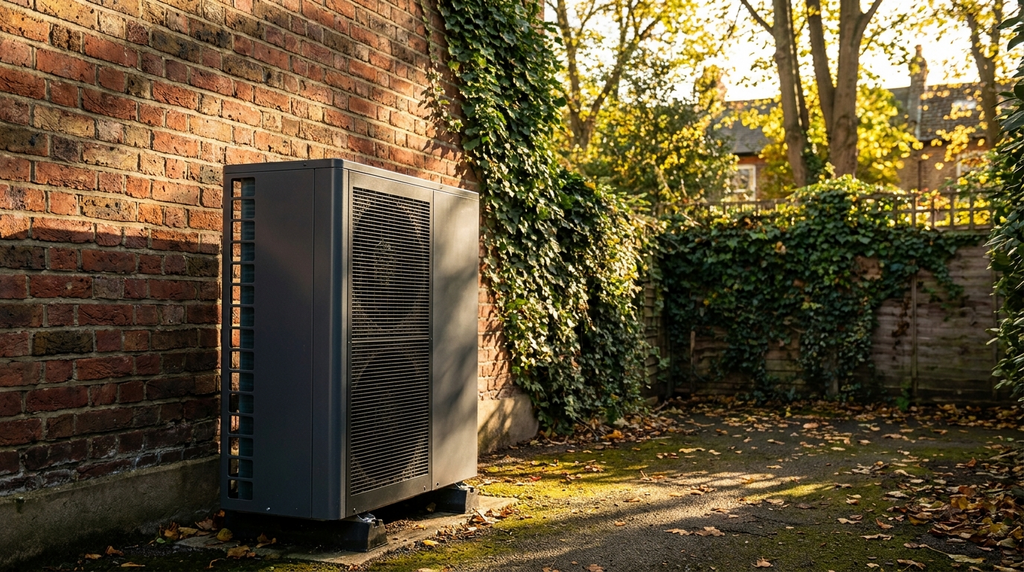
How many heat pumps were installed in 2025?
The number of heat pump installations in the UK is the key measure of the country’s heating transition For any homeowner considering a low-carbon heating system, the single most important fact is the official installation figure for the most recent full year. Published data from the government’s Microgeneration Certification Scheme (MCS) and the Department for […]
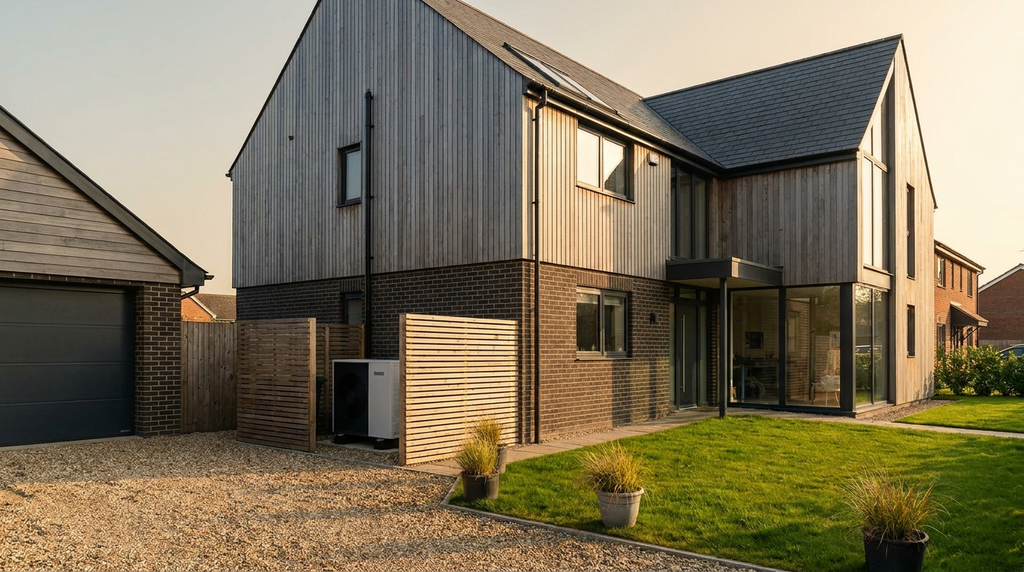
How many heat pumps does a house need?
The single most important thing to know one heat pump per house is the standard rule If you are looking into heat pumps, the first question is often about how many you need. The answer is straightforward for the vast majority of UK homes. Quick Answer One heat pump per house is the standard rule […]
How heat pump works in summer
A heat pump can cool your home in summer for roughly £150–£300 in electricity per season If you are wondering how a heat pump works in summer, the short answer is that the same system that heats your home in winter can also cool it, by reversing its refrigerant cycle. The typical electricity cost to […]
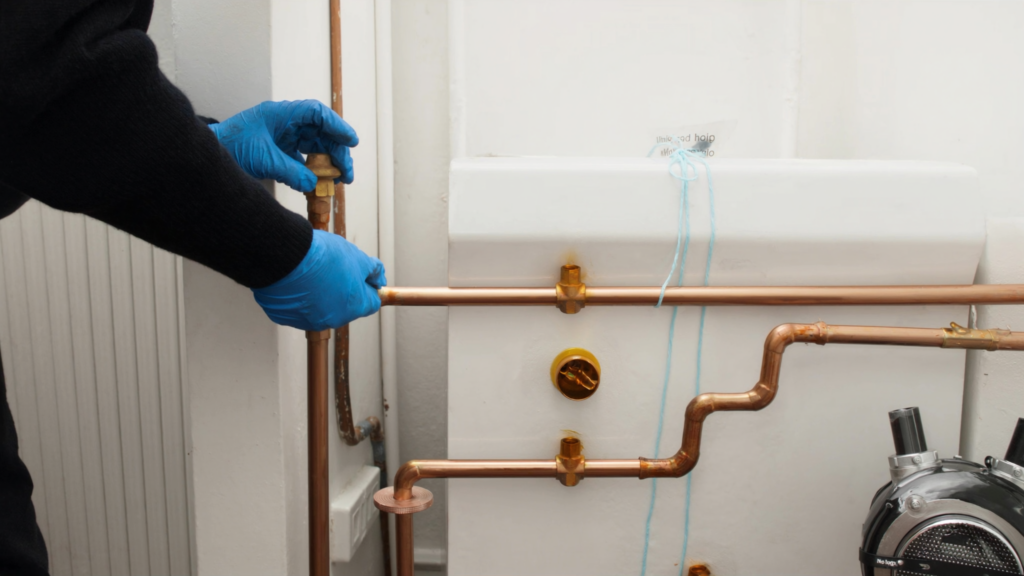
How heat pumps work for dummies
If you have heard that a heat pump can cut your heating bills but costs thousands more to install than a gas boiler, you may wonder how the technology actually works. The basic principle is simple, even if the system looks unfamiliar. Quick Answer A heat pump can cut your heating bills by 25% but […]
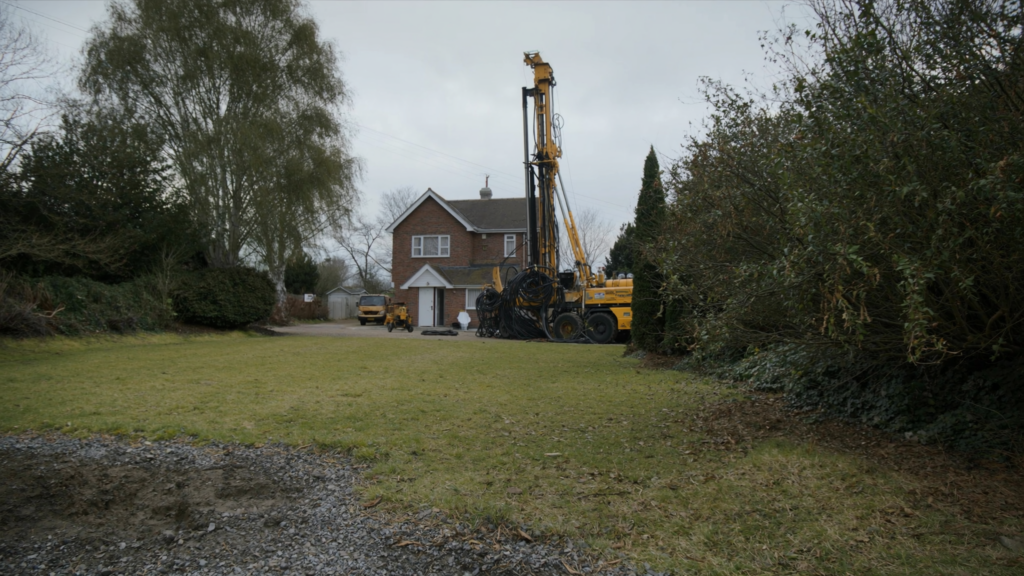
How many heat pumps have been installed in the uk?
The UK passed 550,000 heat pump installations by early 2026, but the annual rate still lags behind the government’s target As of January 2026, the total number of heat pump installations in UK homes is estimated at 550,000, based on cumulative MCS-certified installations and non-MCS heat pump sales reported by the Heat Pump Association (HPA). […]

How many heat pump installers are there in the uk?
The UK has over 1,000 MCS-certified heat pump installer companies, but the number of individual installers is harder to pin down The most commonly cited figure for heat pump installers in the UK comes from the Microgeneration Certification Scheme (MCS) database, which lists the number of certified companies, not individual workers. As of early 2026, […]
Get Eco Home Quotes in Corsham
Compare quotes from trusted local eco home installers. No obligation.
Get a Free Quote