Garden rooms have become one of the UK’s most popular home improvement projects, with hundreds of thousands of structures installed across the country in recent years. Yet despite the significant investment involved, a quality garden room can cost anywhere from £10,000 to £40,000 or more, glazing choices are still one of the most frequently underestimated decisions homeowners make during the process. The glass in your garden room affects the appearance and is the primary factor that determines whether the space is usable for eight months of the year or twelve.
For most UK homeowners, the best garden room windows are double-glazed units with a low-emissivity coating and argon gas fill, set in thermally broken frames, these achieve U-values of around 1.1 to 1.4 W/m²K and cost between £300 and £800 per window installed. Triple glazing is a worthwhile upgrade for daily home office use, particularly in colder parts of the UK, adding roughly £150 to £400 per window and reducing heat loss by up to 40%. The most important thing to know is that the frame material is as critical as the glass itself, a high-performance unit in a non-thermally-broken frame will still haemorrhage heat. Always ask for U-values in writing and use FENSA-registered or Certass-approved installers when comparing quotes.
- Choose double glazing with a low-emissivity coating as your baseline for any year-round garden room use — it delivers the best cost-to-performance ratio for most UK climates
- Upgrade to triple glazing if you plan to use the space as a daily home office, especially in northern England, Scotland, or Wales where heating bills will be noticeably higher without it
- Always specify thermally broken frames alongside your glass choice — a high-performance pane in a standard aluminium frame will still lose significant heat through the frame itself
- Get at least three quotes from FENSA-registered or Certass-approved installers and ask each one to state the U-value of the glazing unit, not just the frame material
- For garden rooms where glass covers more than 40% of the wall area, prioritise solar control glass on south-facing elevations to prevent overheating in warmer months
- Budget between £300 and £800 per window for quality double-glazed units in thermally broken frames, and between £500 and £1,200 per window for triple glazing, depending on size and supplier
- Check whether your garden room supplier includes glazing specifications in their written quote — vague references to 'high-quality glass' without U-values should be treated as a red flag
- Understanding Garden Room Windows and Why Glazing Matters More Than You Think
- Which Glazing Option Is Best for a Garden Room in the UK
- The Main Types of Glazing Available for Garden Rooms
- Frame Materials and How They Affect Glazing Performance
- What Garden Room Windows Cost in 2026
- Grants and Financial Support Available in 2026
- How to Choose the Right Glazing for Your Garden Room
- Common Mistakes to Avoid When Specifying Garden Room Glazing
For most UK homeowners using a garden room year-round, double glazing with a low-emissivity coating in a thermally broken frame represents the best balance of cost, thermal performance, and longevity. Triple glazing offers a meaningful upgrade for daily home offices, particularly in colder regions, but is not always necessary for seasonal use. The right choice depends on how and when you plan to use the space, your budget, and the orientation and size of your glazed areas. This article covers the main glazing types, frame materials, realistic 2026 costs, and exactly what to look for when comparing quotes.
Understanding Garden Room Windows and Why Glazing Matters More Than You Think
Garden room windows are not scaled-down versions of standard house windows. In the context of modern UK garden buildings, including home offices, art studios, garden gyms, and leisure rooms, they meet a fundamentally different set of demands. A house window sits within a thermally efficient envelope that includes wall insulation, cavity fill, and an overall Building Regulations-compliant fabric. A garden room, by contrast, is typically a standalone structure where the windows and doors can account for a far larger proportion of the total external surface area. In some contemporary designs, glass makes up 40–60% of the wall space.
According to Energy Saving Trust guidance on glazing heat loss, glass is one of the weakest thermal barriers in any building. In a poorly specified garden room, the glazing can account for the majority of total heat loss. That makes it the single most important thermal element to get right. This is not a marginal consideration. A garden room fitted with basic or low-quality glass can feel cold and uncomfortable from October through to April, requiring constant and expensive supplementary heating just to reach a workable temperature.
It is worth clarifying the regulatory position. Most garden rooms fall under permitted development rights and do not require Building Regulations approval, provided they meet size and proximity criteria. However, the absence of a legal requirement for compliance does not mean performance standards should be abandoned. The Building Regulations’ Part L energy efficiency requirements, while not mandatory for most garden rooms, represent a sensible benchmark. Homeowners who specify their glazing to at least meet these standards will create a more comfortable, more energy-efficient, and ultimately more valuable space.
In 2026, the way homeowners use garden rooms has shifted considerably. What was once a seasonal summerhouse or occasional retreat is now, for a growing number of households, a full-time workplace or daily living space. This has pushed glazing choices from a cosmetic decision toward a genuine performance investment, one that deserves the same level of scrutiny as the insulation, heating, and structure of the building itself.
Practical tip, before you begin comparing window quotes, write down how many months per year you expect to use the room and what temperature you need it to reach. This single piece of information will guide every glazing decision that follows.
Which Glazing Option Is Best for a Garden Room in the UK
The best glazing for a UK garden room used year-round is double glazing with a low-emissivity coating, fitted in a thermally broken frame, this combination delivers strong thermal performance at a price point that is realistic for most homeowners. For a dedicated daily home office, particularly in northern England or Scotland where winter temperatures are more extreme, triple glazing is a worthwhile upgrade. For purely seasonal use from late spring to early autumn, standard double glazing without a thermal break may be sufficient, though it limits the room’s future flexibility.
There are three main glazing specifications to understand before speaking to any supplier. Double glazing uses two panes of glass separated by a gas-filled cavity, typically argon, and is the current market standard for garden rooms. Triple glazing adds a third pane and second cavity for significantly better thermal performance, at a cost premium of roughly 30–50% over double. Thermally broken aluminium-framed glazing refers to a frame construction where the aluminium is separated into interior and exterior sections by an insulating material, preventing cold from transferring directly through the metal, a critical distinction from standard aluminium frames, which can undermine even excellent glass performance.
The word “best” requires context. A summer studio used mainly for painting or reading in warmer months has genuinely different requirements from a daily home office that needs to be warm and condensation-free at seven in the morning in January. Matching the glazing specification to the actual intended use, rather than defaulting to the cheapest option or being upsold to a specification you do not need, is the central principle of smart glazing selection for a garden room.
Practical tip, ask every supplier you contact to quote for both double and triple glazing so you can compare the actual cost difference for your specific project, rather than relying on general estimates.
The Main Types of Glazing Available for Garden Rooms
Understanding the technical differences between glazing types does not require a degree in building physics, the key terms are straightforward once explained in plain language.
Double Glazing
Double glazing consists of two panes of glass with a sealed cavity between them, typically 16–20mm wide and filled with argon gas, which is a better insulator than air. This is the current baseline for garden room windows in the UK. The glass unit itself typically achieves a U-value, a measure of how much heat passes through a material, where lower is better, of around 1.2 to 1.4 W/m²K. However, the whole-window U-value, which includes the frame, is almost always higher (worse) than the glass-only figure. This distinction matters enormously when comparing quotes.
Triple Glazing
Triple glazing adds a third pane and a second cavity, bringing whole-window U-values down to the 0.6–0.8 W/m²K range when fitted in a quality frame. This is a meaningful improvement over double glazing and can significantly reduce heating bills in a well-insulated garden room used daily through winter. In 2026, triple glazing has become increasingly common in premium garden room installations, particularly for home offices where thermal comfort directly affects productivity. The cost premium is real, typically 30–50% more than equivalent double-glazed units, but so is the performance benefit over a 20-year lifespan.
Low-Emissivity Coatings
A low-emissivity coating, usually referred to as a low-E coating, is a microscopically thin metallic layer applied to the inner surface of the glass. Its function is to reflect long-wave infrared heat, the warmth generated inside your room, back toward you rather than allowing it to escape through the glass. In plain terms, it acts like a thermal mirror. Low-E coatings are now standard on most quality double and triple-glazed units in the UK market and should be considered non-negotiable for any garden room intended for year-round use. If a supplier does not mention low-E coatings, ask directly whether they are included.
Safety Glass Requirements
Certain locations within a garden room require glass that meets specific safety standards. Toughened glass breaks into small, relatively harmless fragments rather than dangerous shards, while laminated glass holds together when broken due to an interlayer between the panes. British Standard BS EN 12600 sets the impact resistance requirements for safety glazing in critical locations, these include any pane within 800mm of floor level, roof lights, and glazing in or adjacent to doors. You do not need to memorise the standard number, but you should ask your installer to confirm in writing that all critical location glazing meets current safety requirements.
Practical tip, always ask your supplier whether low-E coating is included as standard or priced as an extra. Some budget suppliers omit it to keep headline prices competitive.
Frame Materials and How They Affect Glazing Performance
The frame is not a passive container for the glass, it directly affects the overall thermal performance of the window, its lifespan, its appearance, and the long-term maintenance demands placed on the homeowner.
UPVC Frames
uPVC frames (unplasticised polyvinyl chloride) are the most affordable and widely available option in the UK market. Modern multi-chambered uPVC profiles offer genuinely good thermal performance, trapping air within internal cavities to reduce heat transfer. They require minimal maintenance, no painting or treating, and are available in a range of colours and woodgrain finishes. For a garden room where budget is a priority and aesthetics are secondary, uPVC represents strong value. Indicative supply costs for a garden room window in uPVC sit around £150–£400 per unit depending on size, before fitting.
Aluminium Frames
Aluminium frames are the dominant choice for contemporary garden room designs in 2026, prized for their slim sightlines, clean aesthetics, and exceptional longevity. However, the phrase thermally broken aluminium is critical. Standard aluminium conducts cold extremely efficiently, without an insulating thermal break running through the middle of the frame profile, cold from outside transfers directly to the interior, dramatically undermining the performance of even the best glazing unit. Always confirm that aluminium frames are thermally broken before accepting a quote. Reputable suppliers will make this explicit; if it is not mentioned, ask.
Timber Frames
Timber frames offer natural insulating properties and a traditional aesthetic that suits cottage-style garden rooms or properties in conservation areas. Timber requires more maintenance than uPVC or aluminium, regular repainting or re-staining every five to ten years, but many homeowners value the appearance and the natural, sustainable character of the material. If you opt for timber, look for FSC-certified wood (Forest Stewardship Council), which confirms responsible sourcing. Engineered timber, which uses layered construction to reduce the warping and swelling that affects solid timber, is a more dimensionally stable choice for the UK’s variable climate.
Composite Frames
Composite frames combine an aluminium exterior with a timber or insulated interior, offering the low maintenance and weather resistance of aluminium on the outside with the thermal performance and aesthetic warmth of timber on the inside. This is a premium option that commands a higher price but suits homeowners who want longevity, minimal upkeep, and design flexibility, particularly relevant in planning-sensitive areas where materials requirements may be specified by the local authority.
Practical tip, if you are drawn to aluminium frames for aesthetics, always request written confirmation from the supplier that the profiles are thermally broken. This should appear on the product specification sheet, not just in conversation.
What Garden Room Windows Cost in 2026
Understanding the realistic cost of garden room glazing requires looking at the full picture rather than individual window prices. A typical 4m x 3m garden room will usually include two or three windows, one door, which may be a single door, French doors, or bi-fold/sliding panels, and potentially a roof light. Each of these elements carries a different cost profile, and the door glazing in particular can represent the largest single glazing expense in the whole project.
The table below provides indicative supply-and-fit cost ranges for 2026. These figures are based on commonly quoted market rates for standard residential garden room installations and should be treated as a guide only. Actual costs will vary based on window dimensions, location, site access, and the specific supplier or installer you engage with.
| Glazing Type | Frame Option | Indicative Cost Per Window (Supply and Fit) | Typical Whole-Window U-Value (W/m²K) | Expected Lifespan | Best Suited For |
|---|---|---|---|---|---|
| Double glazing | uPVC | £300–£600 | 1.2–1.6 | 20–25 years | Seasonal use, budget builds |
| Double glazing | Aluminium (thermally broken) | £500–£900 | 1.2–1.4 | 30+ years | Year-round use, modern aesthetics |
| Triple glazing | uPVC | £450–£750 | 0.7–1.0 | 20–25 years | Year-round home offices |
| Triple glazing | Aluminium (thermally broken) | £700–£1,200 | 0.6–0.8 | 30+ years | Premium year-round spaces |
| Roof lantern or roof light (double glazed) | Aluminium | £800–£2,500 | 1.2–1.6 | 25–30 years | Natural overhead light, design feature |
Bi-fold and sliding door glazing deserves separate attention. For many contemporary garden rooms, the large glazed door opening is the most visually prominent feature, and the most significant thermal weak point if not specified correctly. A four-panel bi-fold door set in thermally broken aluminium with double glazing typically costs between £3,000 and £5,500 supply and fit. Triple-glazed bi-folds at the premium end of the market can reach £5,000–£7,000 for the same configuration. These are significant sums, and the thermal performance difference between a thermally broken bi-fold and a standard aluminium bi-fold in a heating-dominated UK climate is substantial.
For a complete 4m x 3m garden room fitted with two windows, one set of French doors, and a roof light, all in thermally broken aluminium with double glazing and low-E coating, a realistic total glazing budget in 2026 would be £3,500 to £7,000 depending on specification and supplier. This will vary based on your home’s location, the complexity of the installation, and the specific sizes involved.
| Element | Specification | Indicative Supply and Fit Cost |
|---|---|---|
| Two standard windows | Double glazed, thermally broken aluminium, low-E | £1,000–£1,800 |
| French doors (double) | Double glazed, thermally broken aluminium, low-E | £1,200–£2,200 |
| Roof light (fixed) | Double glazed, aluminium frame | £800–£1,800 |
| Full package estimate | As above for a 4m x 3m garden room | £3,000–£5,800 |
| Upgrade to bi-fold doors | Four-panel, double glazed, thermally broken aluminium | Add £1,500–£3,000 |
Always obtain a minimum of three quotes before committing. For glazing installers working on garden rooms, look for FENSA registration, FENSA (Fenestration Self-Assessment Scheme) is the government-authorised scheme that allows window and door installers to self-certify their work meets Building Regulations standards for thermal performance and safety. TrustMark registration is also a useful indicator of quality and accountability. You can verify FENSA registration at fensa.org.uk and TrustMark registration at trustmark.org.uk.
Practical tip, when comparing quotes, ensure every supplier is quoting from the same specification. If one quote covers thermally broken aluminium with low-E glass and another covers standard aluminium without, you are not making a like-for-like comparison. Ask for written specs before comparing prices.
Grants and Financial Support Available in 2026
Homeowners should be aware of what financial support is and is not available for garden room glazing in 2026, so expectations are realistic from the outset.
The Great British Insulation Scheme closed on 31 March 2026. It funded insulation measures only and never covered windows or glazing. Both of these programmes are specifically focused on improving the thermal performance of the main, primary dwelling, and a freestanding garden room or outbuilding falls outside their eligibility criteria. This is an important point to clarify before making any assumptions about grant support.
The situation becomes slightly more specific if a garden room is structurally integrated with the main home, or if broader energy efficiency work on the primary property is being undertaken at the same time. In these cases, it is worth speaking with an MCS-accredited assessor, MCS (Microgeneration Certification Scheme) accredits installers working across renewable energy and low-carbon heating, who may be able to advise on whether any related works qualify for support. You can find MCS-accredited assessors at mcscertified.com.
The Boiler Upgrade Scheme (BUS) offers £7,500 toward the cost of installing an air source heat pump as of 2026. While BUS funding applies to the heat pump installation rather than the glazing, homeowners who are planning to install a heat pump to serve both their main home and a connected garden room or home office should explore this route. A heat pump providing low-temperature underfloor or radiator heating to a well-glazed, well-insulated garden room can be a cost-effective long-term combination. More information on BUS eligibility is available at gov.uk.
Some local authorities operate their own green homes grant schemes, which can include small grants or interest-free loans for energy efficiency improvements. These vary significantly by council, and a handful extend eligibility to outbuildings and garden offices in certain circumstances. The Energy Saving Trust website at energysavingtrust.org.uk has a regularly updated grants and schemes database, and is the most reliable starting point for checking what is available in your area.
Practical tip, if you are planning both a garden room and a broader home energy improvement project at the same time, speak to an MCS-accredited assessor before committing to any specification. Bundling works intelligently may open up grant options that would not apply to either project in isolation.
How to Choose the Right Glazing for Your Garden Room
Choosing the right glazing is a process that starts with your usage requirements and ends with a verified written specification, not the other way around. The steps below will help you move from initial thinking to a confident purchasing decision.
- Define your intended use before anything else, Establish clearly whether the garden room will be used seasonally or throughout the year. A daily home office in Scotland or northern England that needs to be comfortable at 7am in January justifies a meaningfully different specification than a summer art studio used from April to September. Write this down and share it with every supplier you speak to. If you are not sure, plan for year-round use, you can always use it less, but you cannot easily upgrade the glazing once the building is complete.
- Consider the glazing-to-floor-area ratio carefully, Large expanses of glass are visually dramatic but carry real thermal costs. More glass means more heat loss in winter and a greater overheating risk in summer, particularly in south-facing rooms. For rooms with significant south-facing glazing, ask suppliers about solar control glass, a coating that reduces solar heat gain without sacrificing visible light transmission. Balancing natural light, thermal efficiency, and overheating risk is one of the less-discussed but genuinely important aspects of garden room glazing design.
- Set a realistic full-project glazing budget before you approach suppliers, Include windows, door glazing, roof lights, installation labour, and any ancillary joinery or lintels in your budget estimate. Suppliers will often quote windows attractively and price doors and roof lights more aggressively. Knowing your total budget upfront allows you to make informed trade-off decisions, for example, investing more in the bi-fold door thermal performance while choosing standard double glazing for fixed windows, rather than being surprised partway through a project.
- Ask for the whole-window U-value, not just the glass unit figure, This is one of the most common points of confusion in garden room glazing. Many suppliers quote the centre-pane U-value, which measures only the glass in isolation and is always better than the complete assembly. The whole-window U-value accounts for the frame, spacer bars, and edge effects, giving you a true picture of performance. Ask specifically for the whole-window U-value or the Window Energy Rating (WER), a WER of A or above is a reasonable target for a year-round garden room.
- Request a written specification before accepting any quote, A written specification should confirm the glazing type (double or triple), gas fill (argon is standard), low-E coating inclusion, frame material and whether it is thermally broken, safety glass provision for critical locations, and the installer’s FENSA or TrustMark registration number. If a supplier is reluctant to provide this in writing, that reluctance is itself a signal worth taking seriously. guide to reading window energy ratings
- Verify the installer’s credentials independently, FENSA registration can be checked at fensa.org.uk. TrustMark registration can be verified at trustmark.org.uk. For garden room companies that supply and fit the whole structure including glazing, check whether they carry FENSA accreditation specifically for the window and door elements, or whether they subcontract this work. If glazing is subcontracted, ask for the subcontractor’s credentials directly.
- Think about condensation management, Even well-specified double glazing can experience surface condensation during cold, humid UK winters, particularly overnight. This is not necessarily a sign of a faulty product, it can indicate that the glass surface temperature is below the dew point of the interior air. Warm-edge spacer bars, which replace the traditional aluminium spacer at the edge of the glass unit with a lower-conductivity material, significantly reduce this risk. Ask whether warm-edge spacer bars are included as standard in any unit you are considering. Dealing with condensation in garden rooms
Practical tip, take photographs of each supplier’s specification sheet and create a simple comparison table covering glazing type, U-value, frame material, thermal break confirmation, safety glass provision, and price before making any final decision. This removes ambiguity and protects you if any disputes arise later.
Common Mistakes to Avoid When Specifying Garden Room Glazing
Even well-informed homeowners make avoidable errors when specifying glazing for a garden room. Understanding the most common pitfalls can save significant money and frustration.
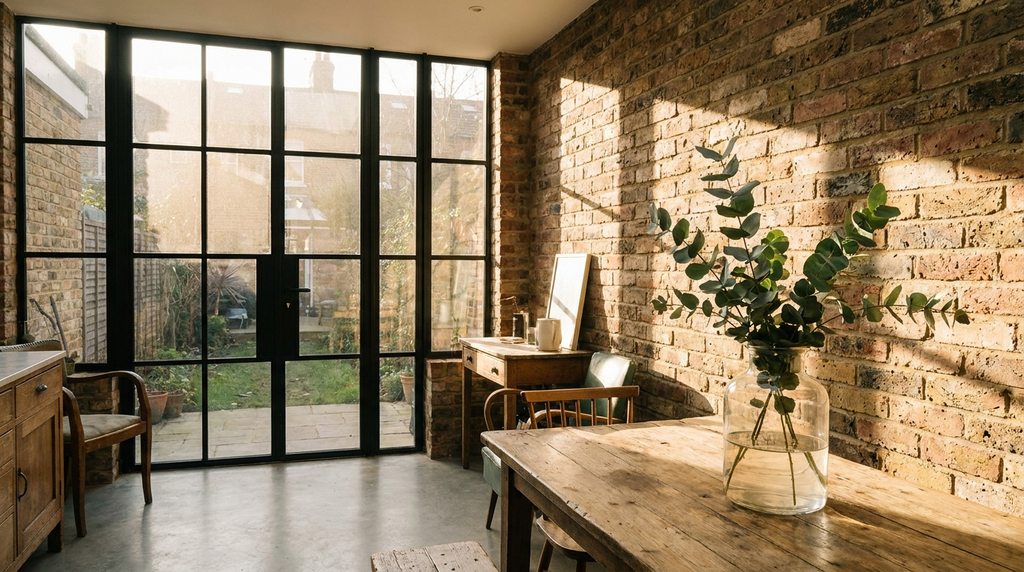
One of the most frequent mistakes is treating glazing as a purely aesthetic decision rather than a thermal one. The slim black frames of thermally broken aluminium bi-folds look undeniably striking, but homeowners sometimes prioritise visual impact over whether those frames are genuinely thermally broken, or accept a cheaper, non-thermally-broken alternative that looks similar but performs significantly worse. The visual difference between a thermally broken and non-thermally-broken aluminium frame is essentially invisible. The thermal difference in a cold January is very much not.
Another common error is specifying the glazing before finalising the garden room’s orientation and use. A south-facing garden room with floor-to-ceiling glass and no solar control coating can become uncomfortably hot in summer, a problem that high-performance double glazing alone does not solve. Solar control glass, external blinds, or thoughtful shading through pergola structures or planting are all relevant considerations that should be addressed during design rather than retrospectively.
Homeowners also frequently underestimate the impact of the door glazing specification on overall thermal performance. In many garden rooms, the door opening is the largest single glazed area in the building. Fitting premium triple-glazed windows alongside a budget-specification sliding door undermines the entire thermal envelope. Bi-fold versus sliding doors for garden rooms
Finally, some homeowners rely solely on the garden room company’s in-house glazing recommendation without seeking independent comparisons. Garden room companies often have preferred supplier relationships or carry stock of specific glazing systems. This is entirely reasonable commercially, but it does not remove the homeowner’s responsibility to verify the specification independently and compare it against market alternatives. Seeking at least two independent glazing quotes, separate from the garden room builder’s own recommendation, is a straightforward way to validate both the specification and the price. how to compare garden room builders in the UK
The quality of a garden room’s glazing does not just affect your heating bills, it determines whether the room is genuinely usable as a workspace, a gym, or a hobby studio through the darker months of the year. Investing in the right specification upfront is almost always more cost-effective than retrofitting improvements later.
As a closing thought, it is worth framing the glazing decision in terms of cost per day of use. A £600 upgrade from standard double glazing to low-E triple glazing in a quality thermally broken frame, spread over a 25-year lifespan of daily use, represents less than a penny a day in additional cost. Against the backdrop of improved thermal comfort, reduced heating demand, and a more usable space for an additional three or four months of the year, that is a straightforward calculation for anyone planning genuine year-round use. The most important thing is to be honest with yourself about how you plan to use the space, and then match your specification to that reality, rather than to the budget or the aesthetics alone. complete guide to garden room insulation
Frequently Asked Questions
For most UK homeowners, double glazing with a low-emissivity coating and argon gas fill in a thermally broken frame is the best all-round choice, achieving U-values around 1.1 to 1.4 W/m²K. Triple glazing, which can reach U-values below 0.8 W/m²K, is worth the extra cost of roughly £150 to £400 more per window if you plan daily year-round use, particularly in colder regions. The frame material matters as much as the glass — always pair your chosen unit with thermally broken aluminium, uPVC, or timber frames.
Most garden rooms fall under permitted development and are exempt from full Building Regulations, meaning there is no legal minimum glazing standard in the way there is for house extensions. However, if your garden room exceeds 30 square metres or is used as a habitable room requiring planning permission, Part L energy efficiency requirements may apply. Even when not legally required, specifying windows with a U-value of 1.4 W/m²K or better is strongly recommended for comfort and running costs.
In 2026, expect to pay between £300 and £800 per double-glazed window unit fitted in a thermally broken frame, depending on size, frame material, and supplier. Triple-glazed units in equivalent frames typically cost between £500 and £1,200 per window installed. For a mid-sized garden room with four to six windows and a set of bifold or sliding doors, total glazing costs commonly range from £3,000 to £9,000, and this figure should be itemised separately in any quote you receive.
Triple glazing is worth the additional investment if you intend to use your garden room as a daily home office or heated living space throughout the year, as it can reduce heat loss through windows by 30 to 40% compared with standard double glazing. The typical price premium is around £150 to £400 per window over equivalent double-glazed units. For occasional or seasonal use, the payback period from energy savings alone is unlikely to justify the upgrade, making double glazing with a low-e coating the more practical choice.
A U-value of 1.4 W/m²K or lower is the recommended benchmark for garden room windows intended for year-round use, aligning with the standard applied to new-build windows under Part L of the Building Regulations. Quality double-glazed low-e units typically achieve 1.1 to 1.4 W/m²K, while triple-glazed units can reach 0.6 to 0.8 W/m²K. Always ask your supplier or garden room company to confirm the whole-window U-value in writing, as glass-only figures are often quoted and will appear more favourable than the installed unit performance.