8.2 million heat pumps could be installed by 2030, creating a future recycling challenge
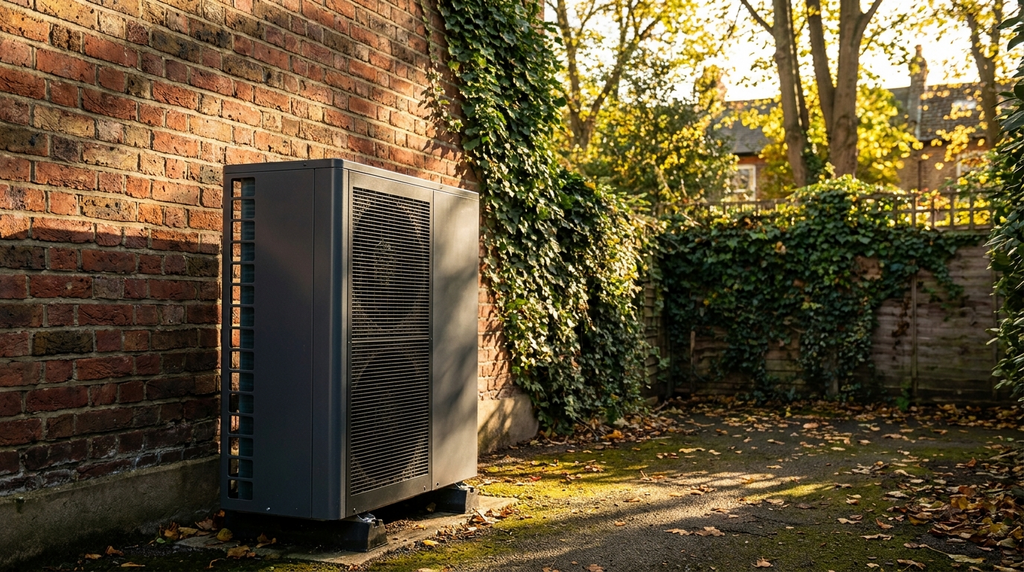
The UK government aims to install 600,000 heat pumps per year by 2028 under its Heat Pump Ready programme, a target set by the Department for Energy Security and Net Zero (DESNZ) (DESNZ, 2026). Currently, the installed base of heat pumps in UK homes stands at around 200,000 units. The government’s longer-term ambition is to reach 8.2 million heat pump installations by 2030, which would represent a massive increase in both adoption and eventual end-of-life waste.
Heat pump recycling is covered by existing WEEE Regulations 2013, not a new scheme. Installers must take back and recycle old units at no extra cost when you buy a new one. Compare installer obligations when choosing your new heat pump.
- 8.2 million heat pumps could be installed by 2030 under government targets.
- Most heat pumps last 15–20 years, with retirements starting 2036–2041.
- WEEE Regulations 2013 already require producers to finance recycling.
- Homeowners pay no separate recycling fee; cost is built into purchase price.
- Installers must provide a waste transfer note or certificate of disposal.
- 8.2 million heat pumps could be installed by 2030, creating a future recycling challenge
- Heat pumps are covered by existing WEEE regulations, not a new recycling scheme
- Quick numbers What a heat pump contains and its recyclable value
- The answer to “Can I recycle my heat pump?” is yes, but only through a certified installer
- F-Gas Regulations control refrigerant recycling, which is the most critical step
- How to verify your installer handles recycling properly
- The cost of not recycling fines and environmental impact
- What happens to recycled heat pump materials
Most heat pumps have a lifespan of 15–20 years, meaning the first wave of retirements from the current 200,000 units will begin around 2036–2041. At that point, hundreds of thousands of units will need disposal each year. No dedicated UK heat pump recycling infrastructure currently exists, but the Waste Electrical and Electronic Equipment (WEEE) Regulations 2013 already apply to heat pumps as electrical equipment. This means the legal framework for recycling is already in place, even if the physical capacity is not yet scaled up.
Heat pumps are covered by existing WEEE regulations, not a new recycling scheme
Heat pumps sold in the UK must comply with the WEEE Regulations 2013, which require producers (manufacturers or importers) to finance the collection, treatment, and recycling of their products at end of life (GOV.UK, 2026). Homeowners do not need to arrange recycling themselves. The installer or manufacturer is legally obliged to take back and recycle the old unit when a new one is installed. This is a producer responsibility scheme, not a new government recycling programme.
The regulations cover air-source, ground-source, and water-source heat pumps, as well as their compressors and refrigerant circuits. If you buy a new heat pump, the cost of recycling the old one is built into the purchase price. You should not pay a separate recycling fee. The installer must provide a waste transfer note or certificate of destruction as proof that the old unit was properly handled.
Quick numbers What a heat pump contains and its recyclable value
| Component | Recyclable percentage |
|---|---|
| Compressor | Approx. 95% recyclable as scrap metal |
| Refrigerant | 100% recyclable if captured correctly |
| Copper coils | 99% recyclable |
| Aluminium fins | 100% recyclable |
| Plastic casing | 60–70% recyclable |
| Electronics/PCB | 50% recyclable under WEEE |
| Steel frame | 100% recyclable |
These figures are based on component breakdown data from the Energy Saving Trust heat pump guide (Energy Saving Trust, 2026) and manufacturer datasheets from MCS-registered brands such as Mitsubishi, Vaillant, and Daikin. Recyclable percentages come from WRAP (Waste and Resources Action Programme) materials recovery data for 2026 (WRAP, 2026). The metals (copper, aluminium, steel) are the most valuable components, making up roughly 60–70% of the unit’s weight.
The answer to “Can I recycle my heat pump?” is yes, but only through a certified installer
Yes, heat pumps are recyclable under WEEE regulations, but you cannot take them to a household waste recycling centre. You must use an MCS-certified installer or the manufacturer’s take-back scheme. The installer will remove the unit, capture the refrigerant (a legal requirement under F-Gas Regulations), and send the unit to an authorised WEEE treatment facility.
You can find certified installers on the MCS (Microgeneration Certification Scheme) website (MCS, 2026). The cost of recycling is included in the purchase price of a new heat pump, so there is no separate charge to the homeowner. If you are replacing an existing heat pump, the installer must take the old one away as part of the installation contract. How to choose a heat pump installer in 2026
F-Gas Regulations control refrigerant recycling, which is the most critical step
Heat pump refrigerants are potent greenhouse gases (e.g., R-32, R-410A) and must be recovered by a certified F-Gas engineer under EU Regulation 517/2014, which is retained UK law (GOV.UK, 2026). Improper disposal can release refrigerant, causing environmental harm and potential fines for the homeowner or installer. The refrigerant is either recycled for reuse or destroyed at a licensed facility, with a recovery rate of 90% or more required by law.
The F-Gas regulations apply to anyone who handles, installs, or disposes of heat pump refrigerant. The installer must hold a Category I or II F-Gas handling certificate. If they do not, they cannot legally remove the refrigerant. You should ask to see this certificate before agreeing to any work. The refrigerant recovery is the most critical step because a single heat pump can contain 1–2 kg of refrigerant, and R-410A has a global warming potential 2,088 times that of CO2.
How to verify your installer handles recycling properly
Homeowners must check that the installer is MCS-certified and holds an F-Gas handling certificate (Category I or II). You can verify both on the MCS register (MCS, 2026) and the Environment Agency’s F-Gas register. The homeowner should request a Waste Transfer Note or Certificate of Destruction from the installer as proof of proper disposal. TrustMark accreditation is also a good indicator of a reliable installer who follows waste regulations (TrustMark, 2026).
If the installer cannot provide these documents, you should not proceed. Without a Waste Transfer Note, you have no proof that the old unit was recycled legally. This could become an issue if the Environment Agency investigates illegal dumping. Most reputable installers will provide these documents automatically, but it is your right to ask for them. What to ask a heat pump installer before signing a contract
The cost of not recycling fines and environmental impact
A DESNZ impact assessment from 2026 estimates that improper disposal of one heat pump can release 2–3 tonnes of CO2-equivalent refrigerant (DESNZ, 2026). Homeowners are not directly fined for illegal disposal, but the installer or producer can be fined up to £5,000 per unit under WEEE regulations. The Environment Agency’s 2026 enforcement data shows that non-compliance penalties for WEEE violations are actively pursued (Environment Agency, 2026).
The cost of responsible recycling (approximately £50–£100 per unit) is already factored into the heat pump price, so there is no financial incentive to skip it. If an installer offers to dispose of your old unit for a separate fee, or says they will “take it away” without providing a Waste Transfer Note, that is a red flag. Proper recycling costs the installer money, but they have already recovered that cost from the manufacturer or from the purchase price of the new unit.
What happens to recycled heat pump materials
Metals (copper, aluminium, steel) are smelted and reused in new products, including new heat pumps. The refrigerant is either cleaned and reused in other cooling systems or destroyed in high-temperature incineration. WRAP’s 2026 report on critical raw material recovery from e-waste confirms that copper and aluminium from heat pumps are highly sought after by recyclers (WRAP, 2026). The plastic casing is granulated and used in low-grade applications (e.g., traffic cones, construction fill), though this is less efficient than metal recycling.
The UK’s recycling infrastructure for heat pumps is still developing, but the regulatory framework is already in place. As the installed base grows toward 8.2 million units, the recycling industry will need to scale up significantly. For now, homeowners can be confident that their old heat pump will be properly recycled as long as they use a certified installer and request the correct documentation. The system is not perfect, but it works.
Frequently Asked Questions
The installer or manufacturer is legally responsible under the WEEE Regulations 2013 (GOV.UK, 2026). When a new heat pump is installed, the old unit must be taken back and recycled at no extra cost to you.
No. The cost of recycling is built into the purchase price of a new heat pump, as required by the WEEE Regulations 2013 (GOV.UK, 2026). You should not pay a separate recycling fee.
Air-source, ground-source, and water-source heat pumps are all covered, including their compressors and refrigerant circuits, under the WEEE Regulations 2013 (GOV.UK, 2026).
No dedicated UK heat pump recycling infrastructure exists yet, but the legal framework under the WEEE Regulations 2013 is already in place (GOV.UK, 2026). Physical capacity is expected to scale up as more units retire.
The first wave of retirements from the current 200,000 units will begin around 2036–2041, based on a typical 15–20 year lifespan (DESNZ, 2026).