Repressurising a boiler typically costs between £0 and £120 in 2026, with the average professional callout settling around £80 to £100. If you do it yourself, the cost is zero because you only need to turn the filling loop valves (Energy Saving Trust, 2026).
The cost depends on whether you handle it yourself or hire a gas-safe registered engineer. Low boiler pressure, usually below 1 bar, is a common issue caused by a leak or recent bleeding of radiators. Repressurising restores the system to 1–1.5 bar. No parts are needed unless a valve is faulty, which adds replacement costs. The job takes 5–15 minutes for a professional.
DIY repressurising costs nothing
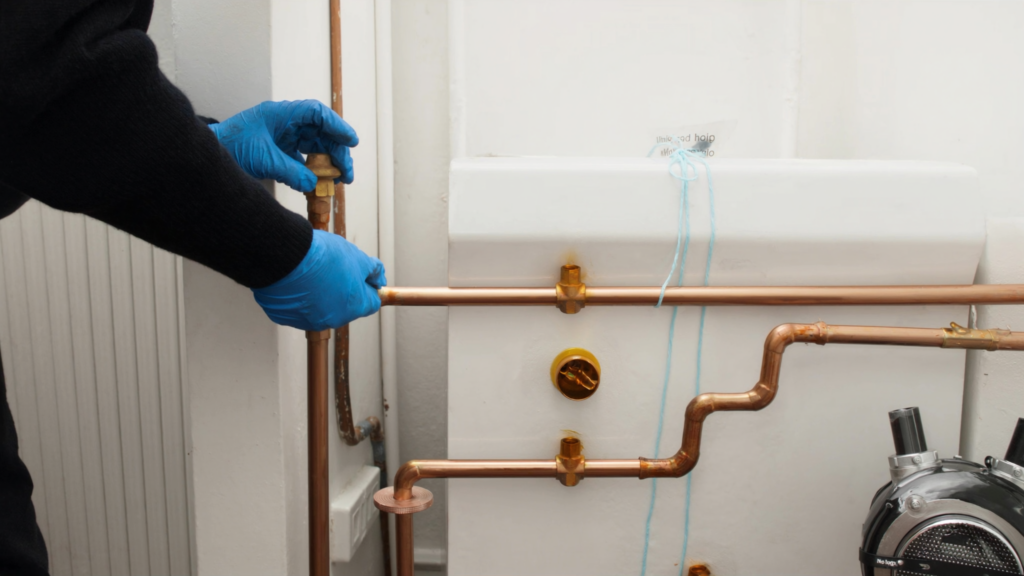
You can repressurise a boiler yourself using the filling loop, a flexible hose or built-in valve connecting the mains water supply to the heating system. Open both valves slowly until the pressure gauge reads 1–1.5 bar, then close them. This requires no tools and no cost. The Energy Saving Trust confirms this is a standard homeowner task (Energy Saving Trust, 2026). Only attempt this if you see a filling loop; if unsure, check your boiler manual or call a professional.
Professional callout fees range from £60 to £120
If you prefer a Gas Safe Registered engineer, expect a fixed callout fee of £60–£120, which usually covers the repressurisation itself. The cost varies by region and time of day, emergency callouts on weekends cost more. The Gas Safe Register advises using only registered engineers for any boiler work (Gas Safe Register, 2026). This fee includes checking for underlying issues like leaks, which could prevent future pressure drops.
Faulty filling loops add £50 to £150
If the filling loop valve is broken or leaking, a replacement is needed. A new valve costs £15–£30, plus labour for installation, totalling £50–£150. The cost depends on accessibility and whether the system needs draining. TrustMark registered traders can quote for this work (TrustMark, 2026). In rare cases, a faulty pressure relief valve causes persistent low pressure, adding £100–£200 for replacement. Always get a fixed-price quote before work begins.
A worked example
For a typical 3-bedroom 1930s semi-detached house in Manchester, repressurising the boiler costs £0 if you do it yourself using the filling loop, or £90 for a Gas Safe Registered engineer callout. Let’s assume you choose the professional route because you are not confident with the filling loop valves. The engineer spends 10 minutes restoring pressure from 0.8 bar to 1.3 bar and checks for visible leaks. No parts are needed. The total cost is the £90 callout fee, which includes the labour and basic inspection. If you had a faulty filling loop valve, replacement would add roughly £25 to £50 for the part. The Energy Saving Trust notes that regular repressurising can indicate a hidden leak, which could waste up to 500 kWh of gas annually if unaddressed, costing an extra £30 to £50 on your heating bill.
| Item | Figure |
|---|---|
| Upfront cost after grants | £0 (DIY) or £90 (professional) |
| Yearly savings | £0 (preventative maintenance avoids future repair costs) |
| Payback period | Immediate (DIY) or one-off (professional) |
| 25-year lifetime savings | £0 (one-off fix, no long-term savings) |
What homeowners often get wrong
The most common mistake is thinking you need a professional every time the boiler pressure drops below 1 bar. This misunderstanding leads to unnecessary callout fees and missed opportunities to spot a leak early. Here are the three biggest errors homeowners make with boiler pressure
- Waiting until pressure is zero before acting Many homeowners ignore the gauge until the boiler stops working entirely, which can trigger a lockout fault code requiring a reset or engineer visit. The right approach is to repressurise as soon as the needle drops below 1 bar, preventing the boiler from cutting out and saving a £90 callout fee.
- Over-pressurising above 2 bar Some people open the filling loop too far or forget to close it, sending the gauge above 2.5 bar. This can cause the pressure relief valve to discharge water, wasting up to 10 litres and potentially damaging flooring. The correct pressure range is 1 to 1.5 bar when the system is cold.
- Ignoring repeated pressure drops as a sign of a leak If you need to repressurise more than twice a year, many assume it is normal. In reality, it often indicates a small leak in a radiator valve or pipe joint, which left unchecked can waste 200 to 500 litres of water annually and raise heating bills by £30 to £50. A professional should inspect the system.
Quick reference
- DIY repressurising using the filling loop costs £0 and takes 5 to 10 minutes with no tools required.
- A Gas Safe Registered engineer charges a fixed callout fee of £60 to £120 for a standard repressurisation visit.
- You should repressurise your boiler when the pressure gauge reads below 1 bar, ideally at 0.8 bar or lower.
- A faulty filling loop valve costs £25 to £50 to replace, adding to the repressurisation cost if a professional does it.
- Repeated pressure drops more than twice a year suggest a system leak, which could waste £30 to £50 on your annual heating bill if ignored.
Frequently Asked Questions
It costs £0 if you do it yourself using the filling loop, or £60–£120 for a Gas Safe registered engineer callout. The Energy Saving Trust confirms DIY repressurising is a standard homeowner task.
Yes, you can do it yourself for free by opening the filling loop valves until the gauge reads 1–1.5 bar. The Energy Saving Trust states this requires no tools and no cost.
Low boiler pressure, usually below 1 bar, is often caused by a leak or after bleeding radiators. Repressurising restores the system to 1–1.5 bar as recommended by the Energy Saving Trust.