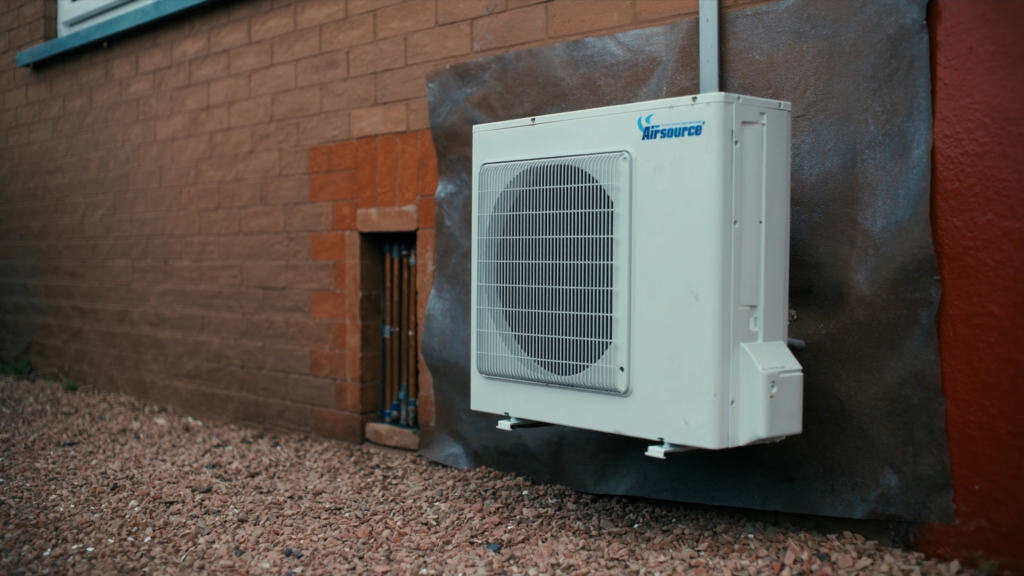
Over 60% of UK heat-pump installations in 2026 are in homes smaller than 80 m², DESNZ data
Department for Energy Security and Net Zero data shows that more than 60% of all heat pump installations in the UK during 2026 are in homes smaller than 80 square metres. This article explains the eligibility rules and grant requirements for small homes, not which brand performs best in a technical comparison. The UK Government’s Boiler Upgrade Scheme (BUS) provides a grant of £7,500 in 2026 for most eligible small homes (GOV.UK Boiler Upgrade Scheme, 2026). The focus here is on eligibility, not on comparing manufacturer performance data.
Eligibility starts with the Energy Performance Certificate
The Boiler Upgrade Scheme requires a valid Energy Performance Certificate (EPC) with a rating of band D or higher. The EPC must show no outstanding recommendations for loft insulation or cavity-wall insulation (GOV.UK Boiler Upgrade Scheme eligibility, 2026). If your EPC is band E, F, or G, you must first install the recommended insulation to reach band D before applying for the grant. The EPC must have been lodged within the last 10 years, you can check the register at gov.uk/find-energy-certificate.
Quick numbers, grant amounts, minimum efficiency, and size limits
| Criteria | Value | Source |
|---|---|---|
| Grant amount (England & Wales) | £7,500 | GOV.UK BUS page, 2026 |
| Grant amount (Scotland) | £7,500 | Home Energy Scotland, 2026 |
| Minimum Seasonal Coefficient of Performance (SCOP) | 2.8 | MCS 007 standard, 2026 |
| Maximum property size for small-home category | 80 m² | DESNZ Heat Pump Deployment in Small Homes report, 2026 |
| Typical heat output for a small home | 4–6 kW | Energy Saving Trust heat-pump sizing guide, 2026 |
The Seasonal Coefficient of Performance (SCOP) measures how efficiently a heat pump produces heat over a year. A SCOP of 2.8 means the heat pump delivers 2.8 kWh of heat for every 1 kWh of electricity used.
The direct answer, the best air source heat pump for small homes in the UK in 2026 is one that meets MCS certification and BUS eligibility
The best air source heat pump for a small home in the UK in 2026 is any model that holds valid MCS certification under the MCS 007 standard, is correctly sized for a home under 80 m², and is installed by an MCS-certified contractor who can apply for the £7,500 Boiler Upgrade Scheme grant on your behalf. No single brand is inherently “best”, the eligibility framework set by the government and the Microgeneration Certification Scheme determines suitability. The MCS 007 standard requires a minimum SCOP of 2.8 and compliance with noise and safety regulations (MCS 007 standard, 2026).
Who qualifies for the £7,500 grant, property and owner criteria
To qualify for the Boiler Upgrade Scheme grant, you must be the owner-occupier or a private landlord of the property. Social landlords, including housing associations and local authorities, are not eligible (GOV.UK Boiler Upgrade Scheme eligibility, 2026). The property must not have previously received a BUS grant for a heat pump installation. The grant applies to England and Wales only. Scotland has a separate scheme administered by Home Energy Scotland, which offers a similar £7,500 grant with comparable eligibility criteria (Home Energy Scotland, 2026).
Who does NOT qualify, exclusions and common rejections
Flats and maisonettes that are not the sole heating system for the entire building do not qualify for the BUS grant (Ofgem BUS eligibility guidance, 2026). Homes with an EPC band below D are excluded unless insulation is installed first to bring the rating up to band D. Properties that already have a working heat pump installed cannot receive a replacement grant. Homes connected to the gas grid may still qualify, but the grant is not available for hybrid systems that combine a heat pump with a gas boiler.
How to verify the installer, MCS certification and TrustMark
The installer must hold MCS certification for the specific heat pump model and size you choose. You can check the MCS register at mcsregister.co.uk by searching the installer’s name or postcode (MCS Find an Installer, 2026). The installer must also be registered with TrustMark in England and Wales, or with an equivalent scheme in Scotland. Gas Safe Register is not relevant for heat pumps, the installer may need NICEIC or NAPIT registration for any electrical work required.
Eligibility confirmation checklist, four steps before you buy
Step 1: Check your EPC rating at gov.uk/find-energy-certificate. Step 2: If your EPC is band D or higher, proceed to step 3. If it is band E, F, or G, install the recommended loft or cavity-wall insulation first and obtain a new EPC. Step 3: Find an MCS-certified installer using the MCS register at mcsregister.co.uk. Step 4: Ask the installer to apply for the BUS grant through Ofgem (or Home Energy Scotland in Scotland) before any installation work begins (Ofgem How to apply for the Boiler Upgrade Scheme, 2026). The grant application must be submitted before installation, not after.
how to read your EPC certificate MCS certification explained for homeowners
Frequently Asked Questions
The best model depends on your home's heat loss and EPC rating. The UK Government's Boiler Upgrade Scheme requires a minimum SCOP of 2.8, and typical small homes need a 4–6 kW output. Check MCS-certified models for eligibility.
Installation costs for a small home typically range from £7,000 to £13,000 after the £7,500 BUS grant. The Energy Saving Trust estimates running costs of £600–£900 per year for a well-insulated 80 m² property.
Most small homes under 80 m² require a 4–6 kW heat pump, according to the Energy Saving Trust heat-pump sizing guide. A professional heat-loss survey is essential to confirm the exact size.
Yes, if your property is under 80 m² and your EPC is band D or higher. The Boiler Upgrade Scheme provides £7,500 in England and Wales, and Home Energy Scotland offers the same amount. Insulation must be up to standard.
A SCOP of 2.8 is the minimum under MCS 007, but a SCOP of 3.5 or higher is recommended for better efficiency. Higher SCOP ratings mean lower running costs, especially in well-insulated small homes.