The 2026 UK heat pump installation cost range is £7,000–£13,000
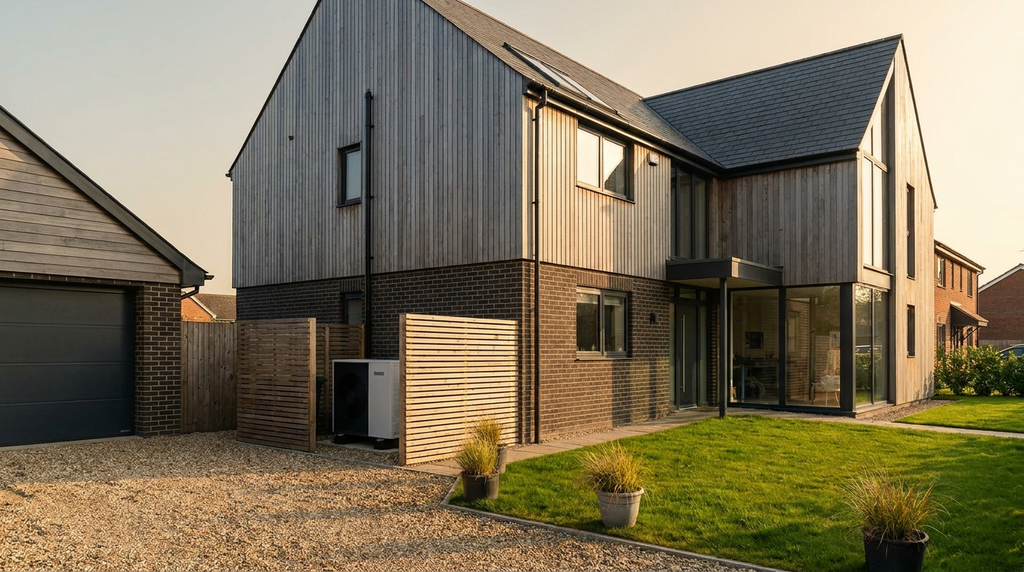
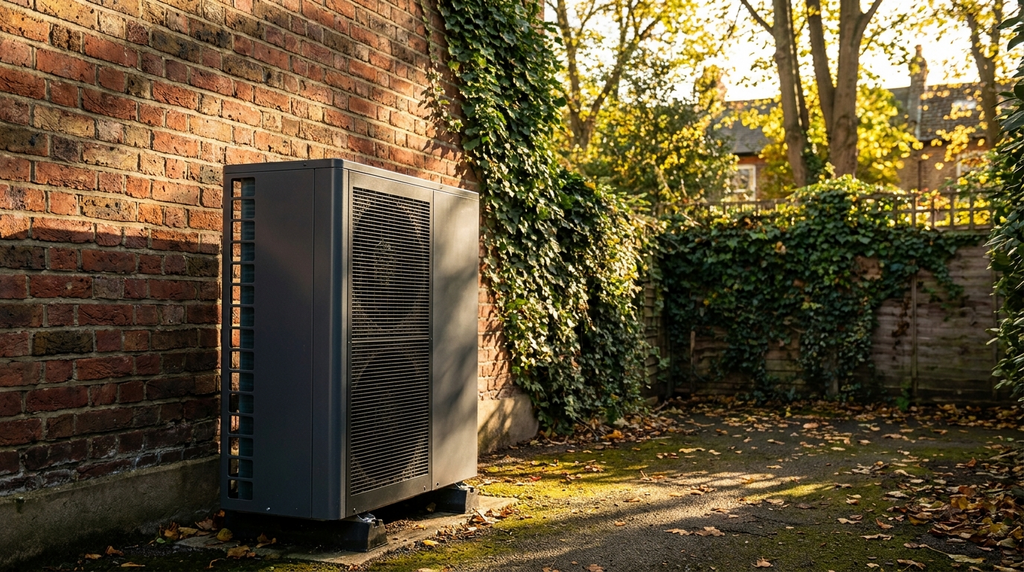
The Department for Energy Security and Net Zero (DESNZ) reported in its 2026 heat pump cost analysis that the median installed cost for an air-source heat pump in a typical UK home is £10,500 (DESNZ, 2026). The full range for a standard installation is £7,000 to £13,000, with the variation driven primarily by property size, system complexity, and the condition of existing heating infrastructure. Ground-source heat pump installations, which require buried pipework, typically cost £20,000 to £35,000 according to the same DESNZ data. All these figures exclude the £7,500 Boiler Upgrade Scheme grant, which reduces the net cost significantly.
What the £10,500 median cost covers equipment, labour, and system components
The Energy Saving Trust (EST) 2026 heat pump cost breakdown allocates the median £10,500 across three main categories. The heat pump unit itself accounts for 40–50% of the total, or roughly £3,000 to £5,000, based on MCS installer pricing data (MCS, 2026). Installation labour makes up 25–30% of the cost, typically £2,500 to £4,000 depending on regional labour rates and installer overheads (EST, 2026).
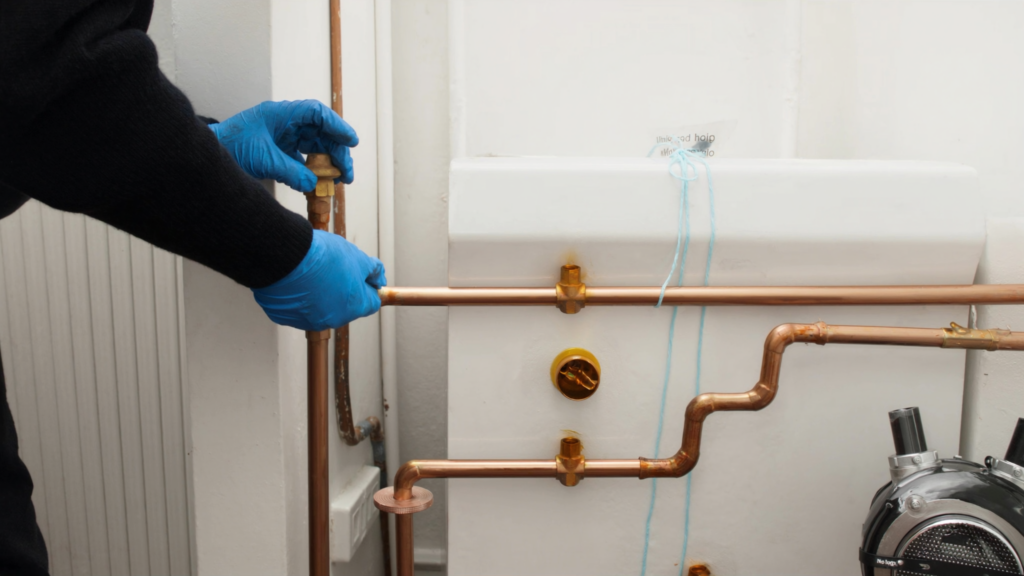
Ancillary components include controls, a buffer tank, and a new hot water cylinder. Heat pumps require a compatible hot water cylinder because they operate at lower flow temperatures than gas boilers; if your property lacks one, the installation cost includes its supply and fitting. This cylinder typically adds £800 to £1,500 to the total (DESNZ, 2026).
Additional costs you must budget for radiators
Most existing UK homes were designed for gas boiler flow temperatures of 65–80°C, whereas heat pumps operate most efficiently at 35–55°C. To deliver the same heat output at lower temperatures, you typically need larger radiators or underfloor heating. DESNZ 2026 guidance on heat pump sizing estimates radiator upgrades for a typical 3-bedroom home at £1,500 to £4,000 (DESNZ, 2026).
Insulation improvements are often necessary too. Loft insulation, cavity wall insulation, or solid wall insulation can add £2,000 to £8,000 to the project, though these may be eligible for separate funding under the Energy Company Obligation (ECO) scheme (GOV.UK, 2026). Pipework modifications, such as installing a buffer tank or upgrading pipe diameter to handle lower flow rates, add another £500 to £2,000 (MCS installer standards, 2026).
Quick numbers typical cost breakdown for an air-source heat pump installation
| Cost category | Typical cost range (2026) | % of total median cost (approx.) |
|---|---|---|
| Heat pump unit | £3,000–£5,000 | 40–50% |
| Installation labour | £2,500–£4,000 | 25–30% |
| Hot water cylinder | £800–£1,500 | 8–14% |
| Radiator/emitter upgrades | £1,500–£4,000 | 14–38% |
| Insulation (if needed) | £2,000–£8,000 | 19–76% |
| Pipework/ancillaries | £500–£2,000 | 5–19% |
| Total (excl. grant) | £7,000–£13,000 | 100% |
| Total (after £7,500 grant) | £0–£5,500 | N/A |
Sources: DESNZ median cost analysis, 2026 and EST breakdown, 2026.
Who qualifies for the £7,500 Boiler Upgrade Scheme grant in 2026
To claim the £7,500 Boiler Upgrade Scheme (BUS) grant, you must meet three criteria. First, you must own the property or have written permission from the landlord. Second, the property must have a valid Energy Performance Certificate (EPC) that does not already include a recommendation for a heat pump installation. Third, you must be replacing an existing fossil fuel heating system, such as a gas or oil boiler (GOV.UK, 2026).
The grant is deducted from the installer’s invoice, not paid directly to you. It applies to air-source and ground-source heat pumps but not to hybrid systems that combine a heat pump with a fossil fuel boiler (Ofgem BUS guidance, 2026). Your EPC must have no outstanding recommendations for heat pump installation, meaning the property is already sufficiently efficient for a heat pump to work effectively.
How to confirm your installer is certified MCS, TrustMark, and Gas Safe Register
To qualify for the Boiler Upgrade Scheme, you must use an installer certified under the Microgeneration Certification Scheme (MCS). Ofgem’s BUS installer requirements specify that only MCS-certified installers can process the grant deduction (Ofgem, 2026). TrustMark registration is a secondary quality mark that indicates good practice but is not mandatory for the grant (TrustMark, 2026).
If you are considering a hybrid system that includes a gas boiler, the installer must also be Gas Safe registered to handle the gas connection (Gas Safe Register, 2026). Before hiring, check the MCS installer database at mcsregister.co.uk. Uncertified installers void your grant eligibility entirely.
The net cost after the grant typical savings for 2026 installations
Subtracting the £7,500 BUS grant from the median £10,500 air-source heat pump cost gives a net cost of £3,000 for a standard installation (DESNZ, 2026; Ofgem, 2026). If you need radiator upgrades costing £1,500 to £4,000, the net cost rises to £4,500–£7,000. For ground-source heat pumps, after the £7,500 grant, the net cost is £12,500–£27,500. These are typical figures; actual costs vary by installer and property characteristics (EST, 2026).
How to get an accurate quote for your home in 2026
Obtain at least three quotes from MCS-certified installers, as regional pricing can differ by 20–30% (EST, 2026). Each quote must include a full design and heat loss calculation, as required by MCS standards (MCS, 2026). The Energy Saving Trust’s online tool provides a personalised cost estimate based on your postcode and property type (EST, 2026).
Check your EPC first to identify any insulation upgrades needed, as this affects the final quote. How to read your EPC and improve your rating A property with poor insulation will require a larger, more expensive heat pump and may need additional building work. The EPC also confirms whether you meet the BUS eligibility requirement for no outstanding heat pump recommendations (GOV.UK EPC guidance, 2026).
Frequently Asked Questions
The cost is £7,000–£13,000 for an air-source heat pump, with a median of £10,500 according to DESNZ 2026 data. Ground-source installations range from £20,000 to £35,000.
Yes, the Boiler Upgrade Scheme offers a £7,500 grant for heat pump installations in 2026. This is deducted from the installation cost, reducing your net outlay.
The median £10,500 covers the heat pump unit (40–50%), installation labour (25–30%), and ancillary parts like controls and a hot water cylinder. This is based on MCS installer data from 2026.
Yes, most homes need larger radiators or underfloor heating because heat pumps operate at lower flow temperatures (35–55°C). DESNZ 2026 guidance estimates these upgrades cost £800–£1,500 for a typical 3-bedroom house.
Heat pump installations include more components, such as a hot water cylinder and often radiator upgrades, plus complex labour. Gas boilers are simpler and cheaper, but the Boiler Upgrade Scheme helps offset the difference.