Internal wall insulation costs £40–£120 per m² in 2026
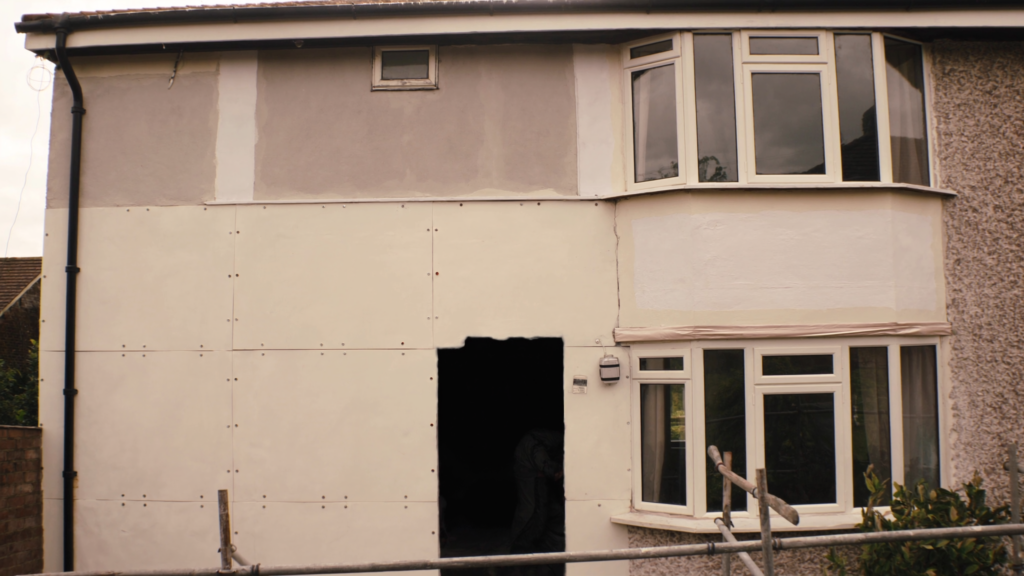
Internal wall insulation (IWI) involves fixing insulation boards to the inside face of an external wall and covering them with plaster or a decorative finish. It is a common solution for solid-wall homes that cannot have cavity wall insulation. The cost per square metre for installing IWI in a UK home ranges from £40 to £120, depending on wall type, area size, and the finish you choose (Energy Saving Trust, 2026).
For a typical three-bedroom semi-detached house, total IWI installation costs fall between £2,500 and £8,000. Costs are higher for rooms with windows, doors, or complex layouts due to additional labour and materials. Preparing the wall, removing skirting boards and architraves, and making good after installation all add to the final bill.
Quick numbers, costs, savings, and payback period for internal wall insulation
| Item | Value | Source |
|---|---|---|
| Average cost per m² | £40–£120 | EST, 2026 |
| Typical total cost (3-bed semi) | £2,500–£8,000 | EST, 2026 |
| Annual energy bill saving | £200–£600 | DESNZ, 2026 |
| Typical payback period | 8–15 years | EST, 2026 |
| U-value improvement (solid wall) | 2.1 W/m²K → 0.30 W/m²K | DESNZ, 2026 |
| Great British Insulation Scheme grant | Up to £5,000 | GOV.UK, 2026 |
Internal wall insulation typically saves £200–£600 per year on energy bills
Annual savings depend on property size, wall type (solid vs. cavity), and current heating system. For a solid-wall semi-detached home, the average saving is £350–£500 per year (DESNZ, 2026). Savings are higher if you heat with gas and lower if you use electric storage heaters.
The Great British Insulation Scheme can reduce the upfront cost by up to £5,000, improving payback. Without a grant, the payback period for IWI is typically 8–15 years. how to apply for the Great British Insulation Scheme
The answer to “How much can I save with internal wall insulation?” is £200–£600 per year
This is the direct, plain-English answer to the keyword query. The saving is based on a typical solid-wall home built before 1920, heated with gas central heating, after installing 100mm PIR-board IWI (DESNZ, 2026). Savings vary by property, use the Energy Saving Trust home energy check tool for a personal estimate. The £200–£600 range accounts for regional price differences and property size.
Internal wall insulation reduces U-values from 2.1 to 0.30 W/m²K or lower
A solid brick wall (uninsulated) has a typical U-value of 2.1 W/m²K. A U-value measures how much heat passes through a structure, lower numbers mean better insulation. Installing 100mm PIR-board IWI reduces the U-value to approximately 0.30 W/m²K (DESNZ, 2026).
Lower U-values mean less heat escapes through the wall. The building regulations target for IWI is 0.30 W/m²K or better. Thicker insulation (150mm) achieves 0.20 W/m²K but reduces room space further. how to calculate U-values for your home
Internal wall insulation must meet building regulations approval, you need to apply
Installing IWI in a dwelling is a building regulation matter under Approved Document L (conservation of fuel and power). You must submit a building notice or full plans application to your local council building control before work starts (GOV.UK, 2026).
The installation must achieve a target U-value of 0.30 W/m²K or the element’s current U-value, whichever is lower. Failure to get approval can cause problems when selling the property, solicitors ask for compliance certificates.
The Great British Insulation Scheme closed on 31 March 2026. It funded insulation measures only and never covered windows or glazing.
The Great British Insulation Scheme (GBIS) requires all insulation installations to be carried out by an MCS-certified contractor (GOV.UK, 2026). MCS certification ensures the installer meets technical standards for insulation materials and installation methods. Without MCS certification, you cannot claim the grant, the scheme pays the installer directly, not the homeowner.
Also check the installer holds TrustMark registration for consumer protection. The Great British Insulation Scheme closed on 31 March 2026. It funded insulation measures only and never covered windows or glazing. You can find certified installers through the MCS website or TrustMark’s find-a-tradesperson tool. how to check if your installer is MCS certified
Frequently Asked Questions
Internal wall insulation costs £40–£120 per m² in 2026, according to the Energy Saving Trust. The price varies with wall type, room size, and the finish you choose.
The typical payback period is 8–15 years, based on Energy Saving Trust data. The Great British Insulation Scheme closed on 31 March 2026. It funded insulation measures only and never covered windows or glazing.
You can save £200–£600 per year on energy bills, as reported by DESNZ in 2026. Savings depend on your home size, wall type, and heating system.
Yes, internal wall insulation reduces the u-value of a solid wall from around 2.1 W/m²K to 0.30 W/m²K, according to DESNZ. This significantly improves thermal performance.
Yes, internal wall insulation is worth it for solid wall homes, with annual savings of £200–£600 and a payback period of 8–15 years. The Great British Insulation Scheme can also reduce upfront costs.