Mullion, Muntin, Astragal A Short Glossary for Window People
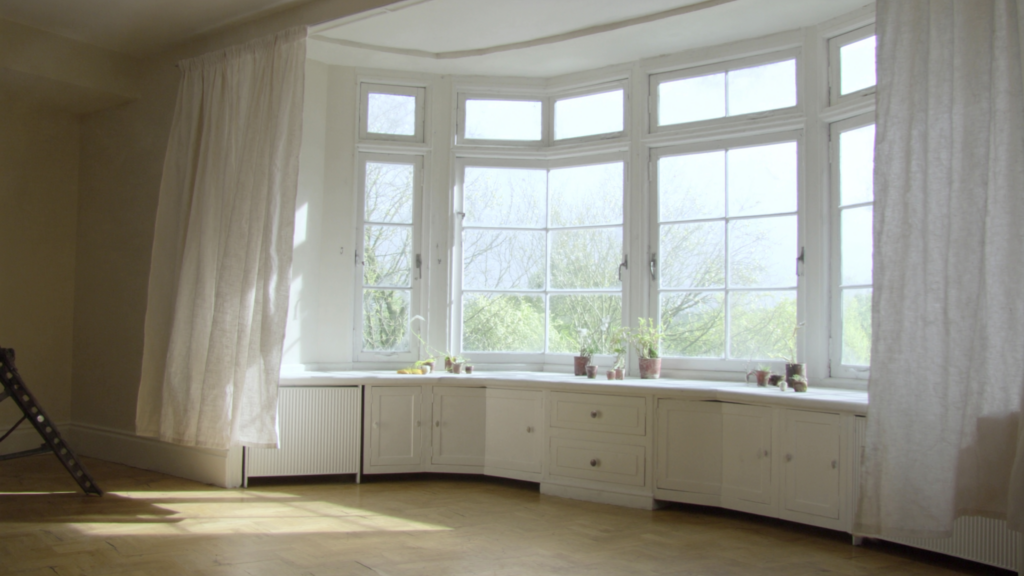
The light in a Georgian terrace arrives in slices, divided by timber, framed by stone. On a late January afternoon, the sun catches the muntins first, throwing a grid of shadows across the floorboards. You notice the words before you know them. This is a glossary for those moments: a quiet guide to the parts that make a window more than a hole in the wall.
We spend our lives looking through windows, but rarely at them. Yet the language of the window frame is a secret code, one that unlocks better conversations with joiners, conservation officers, and, most importantly, yourself, standing at the window with a cup of tea, wondering why one room feels calm and another chaotic. The answer is often in the joinery.
Why this matters
Knowing the names of what you see every day changes how you describe what you want. It turns a vague “I’d like something that looks old” into “I want a slim muntin profile in a timber sash, with an astragal that meets the meeting rail cleanly.” The difference is not pedantry; it’s precision. And precision saves money, time, and the quiet disappointment of a window that looks almost right but not quite.
The mullion the spine of the window wall
The mullion is the vertical post that divides two or more casements or sashes. In older homes, it is often structural, a load-bearing spine that holds the wall together. In modern slimlite double glazing, it may be a steel or timber profile mimicking the original, but its job remains the same: to dictate the rhythm of the facade. Too thick and the room feels caged, as if you’re peering through bars. Too thin and the elevation loses its poise, the windows looking flimsy against the brickwork. A good mullion is the difference between a window that sings and one that merely opens.
The muntin the quiet grid-maker
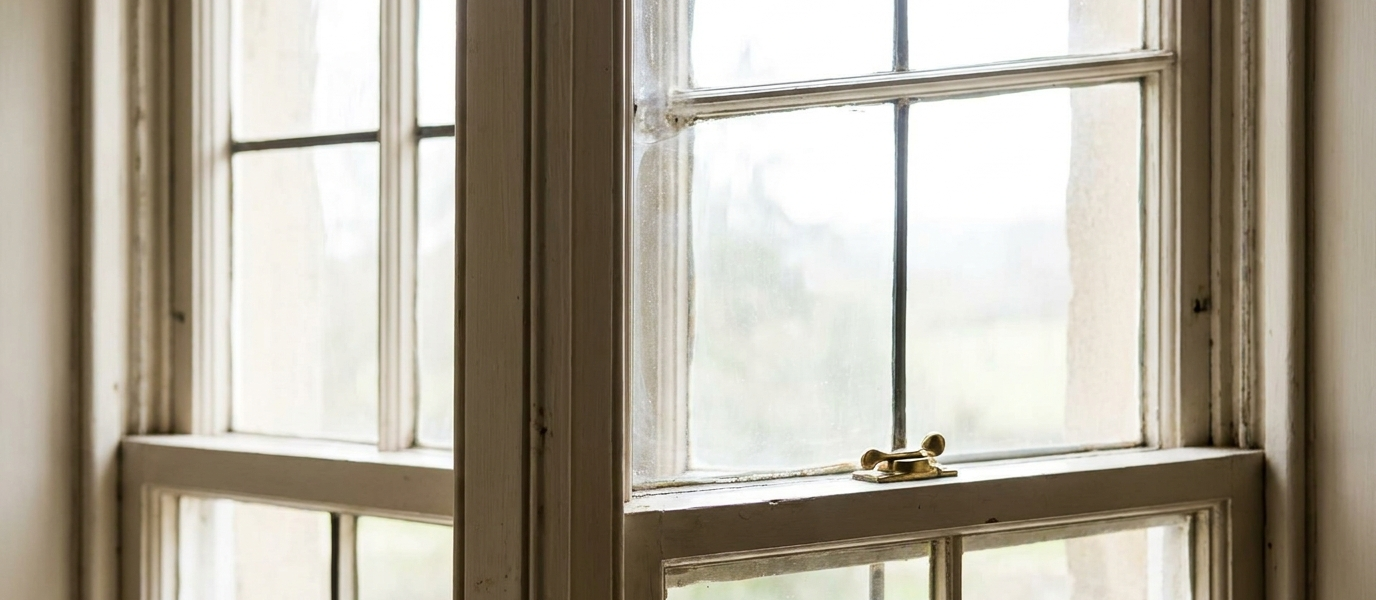
The muntin is the smaller vertical (and sometimes horizontal) bar that divides a single sash into panes. It is often mistaken for the astragal, which is a different thing entirely. In pre-1850 joinery, muntins were load-bearing within the sash, they held the glass in place. Later, they became decorative, a way to add pattern and proportion without changing the structure. A room with muntined sashes feels measured, deliberate. The light arrives in chapters, not a flood. It is the difference between a blank stare and a thoughtful gaze.
The astragal the one everyone misnames
The astragal is the horizontal bar that separates upper and lower sashes in a vertical sliding window, or, in some circles, the glazing bar itself. Historically, astragals were the meeting rail, the point where the two halves of a sash window touch. Today the term is used loosely for any applied glazing bar, but getting it wrong in conversation with a joiner reveals more than you think. Use it correctly, “I need the astragal profile to match the original”, and you earn a nod. Use it loosely and you’ll be corrected, gently, by someone who has been making windows since before you bought your first house.
The transom the line that changes the view
The transom is the horizontal bar across the top of a door or window, often above an opening casement. In Victorian terraces, transoms carried fanlights, those delicate, fan-shaped windows that let light into the hallway. In modern extensions, they separate a tall fixed pane from an opening section below. A transom at the right height lets you look out at the garden while keeping the street-level view private, a trick of proportion, not cost. It is the line that decides what you see and what you don’t, a subtle editor of your daily view.
The cill the unsung workhorse
The cill is the sloping ledge at the base of the frame, usually stone or timber. Its job is simple: throw water away from the wall. A failed cill is the start of every damp problem, the slow rot that creeps up the frame and into the plaster. But a deep stone cill also makes a shelf, for pots, a cat, or a morning coffee. It is an accidental domestic detail that only window people notice, a piece of architecture that doubles as furniture. A good cill is both practical and poetic, a place where the outside world pauses.
Eight ways to soften a tall sash window
- Hang a linen panel from a brass rod set just below the architrave, no pelmet, no fuss. The fabric should puddle slightly on the floor.
- Paint the reveals a tone darker than the wall to shrink the apparent depth. A deep Farrow & Ball Down Pipe works well.
- Use a single Roman blind in a textured wool; stop it at the top of the lower sash, so the muntins remain visible.
- Install a slim oak shelf across the cill for a row of small ceramics, the window becomes a display case.
- Fit an internal secondary glazing frame in bronze, it reads as furniture, not retrofit, and adds a warm gleam to the room.
- Plant a climbing rose outside the lower pane; the light filters green through the leaves, softening the geometry.
- Place a low armchair at an angle to the window, not square on, the room relaxes, the view becomes incidental.
- Leave the muntins bare. No curtains. Let the geometry be the decoration. It is the bravest option, and often the best.
The meeting rail where the two halves touch
The meeting rail is the horizontal bar where the upper and lower sash meet in a sliding window. In a well-fitted sash, the meeting rail sits flush, with a slight bevel to shed water. A draughty meeting rail is the most common complaint in a Georgian sash, and the easiest to fix with a brush pile strip hidden in the groove. It is the point of connection, the place where the two halves of the window come together. When it works, you don’t notice it. When it doesn’t, you feel every draft.
Glazing bar depth the difference between elegant and chunky
Slim glazing bars, 18 to 22mm, read as historic, delicate, precise. Thicker bars, 30mm and above, are modern and often necessary for double glazing. The trick is visual balance: a bar that looks too heavy for the pane size makes the window feel squat, like a man in a suit that doesn’t fit. In a listed building, the bar depth is non-negotiable, but a good joiner can achieve a 20mm bar with a 14mm sealed unit behind it. It costs more, but it transforms the room. slim double glazing The difference between elegant and chunky is measured in millimetres, but felt in the soul.