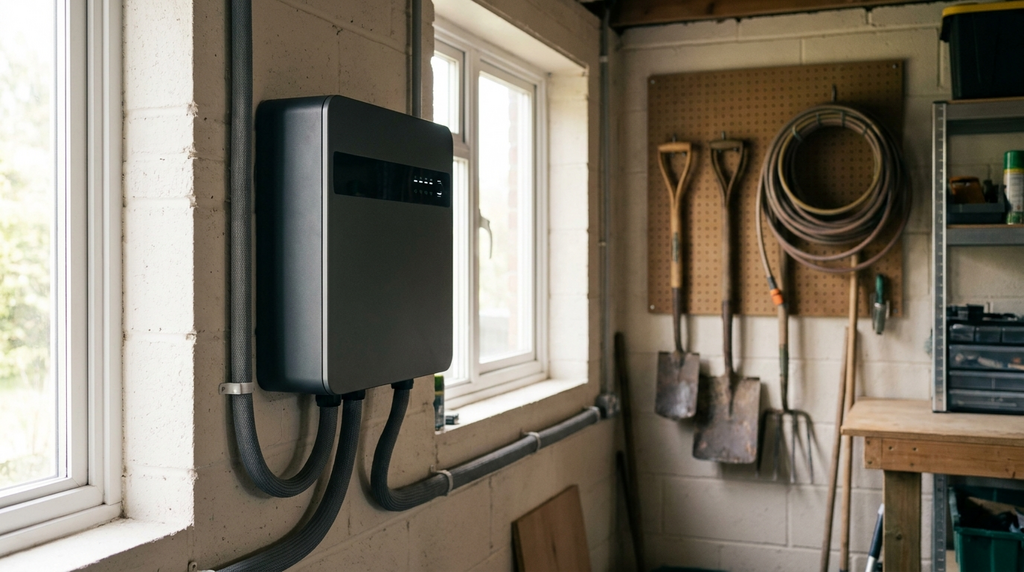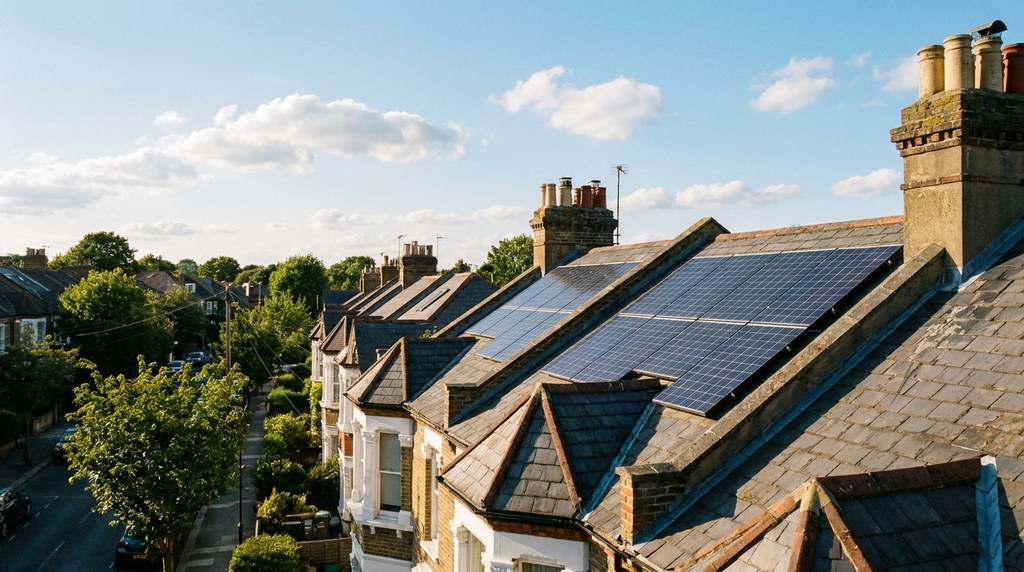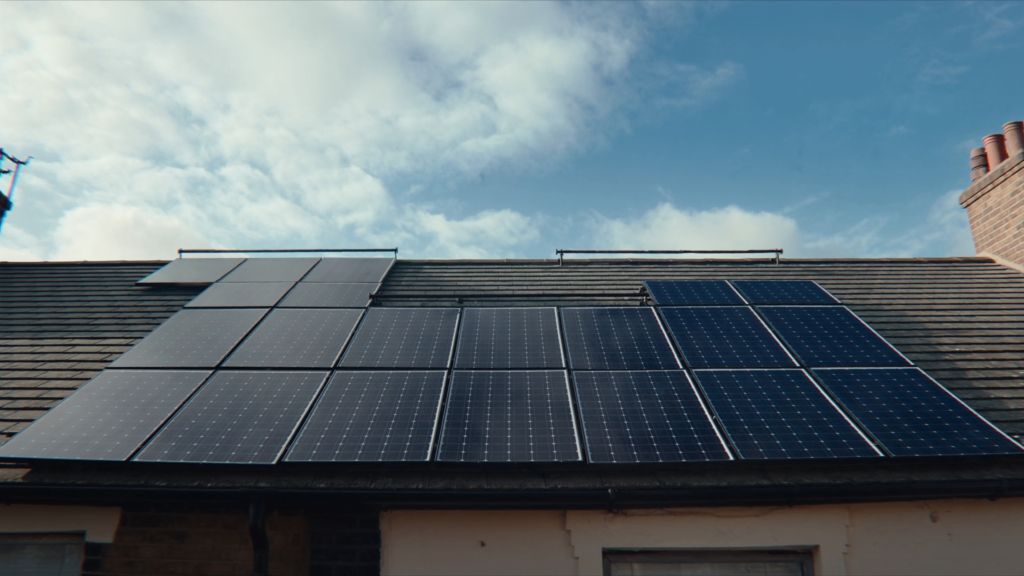
No, a solar diverter is rarely the best use of your surplus solar electricity in 2026. The Energy Saving Trust confirms that a typical 3kWp solar array generates around 2,650 kWh/year, but most homes export 50–60% of that to the grid (Energy Saving Trust, 2026). A solar diverter sends that excess power to your immersion heater instead of letting it feed back to the grid. Whether this saves you money depends entirely on your hot water usage, your cylinder size, and your energy tariff.
The key variable is how often you have surplus solar generation when your hot water cylinder needs heating. If you are out all day and your cylinder is already hot from morning heating, the diverter has nothing useful to do. Similarly, if you have a heat pump or gas boiler that already heats your hot water efficiently, a diverter may compete with that system rather than supplement it. The device works best for homes with high daytime hot water demand, such as families with children or people working from home who use hot water regularly during sunlight hours.
A solar diverter typically saves £40 to £90 per year
The average UK household uses around 2,500–3,000 kWh of electricity to heat hot water annually. A solar diverter can redirect roughly 600–1,000 kWh of surplus solar power to the immersion heater each year, depending on your array size and usage patterns (Energy Saving Trust, 2026). At the current electricity price cap of 24.5p/kWh (October 2026), that saves you between £147 and £245 gross. But you lose the export tariff payment, which is typically 15p/kWh under the Smart Export Guarantee (Ofgem, 2026). Net saving after lost export income is roughly £40–£90 per year. A diverter unit costs £250–£500 installed, so payback takes 3–6 years.
A battery usually beats a diverter for surplus solar
For the same £400–£500 investment, a small 2.4kWh home battery can store around 2kWh of usable solar electricity each cycle. That battery can then power your home in the evening, displacing grid electricity at 24.5p/kWh, and you still receive the SEG export payment for any remaining export. The Energy Saving Trust notes that a battery can increase self-consumption from 40% to 70–80% (Energy Saving Trust, 2026). A diverter only heats water, so it cannot power lights, appliances, or your fridge. If your hot water cylinder is well insulated, you may also lose heat overnight, wasting the energy you diverted. Batteries are more flexible and typically yield higher annual savings.
Diverter suitability depends on cylinder size and insulation
A solar diverter works best with a standard 120–180 litre vented or unvented cylinder that has a large surface area for heat transfer. If your cylinder is smaller than 100 litres or has poor insulation (less than 50mm of foam), the hot water may lose heat faster than you use it, reducing savings (BRE, 2026). You also need a dedicated immersion heater element, usually a 3kW unit, and the cylinder must be capable of reaching 60°C to kill Legionella bacteria. The diverter controller typically manages this automatically, but if your cylinder is already heated by a gas boiler or heat pump, you may need to disable that system during solar hours to avoid conflict. Check your cylinder’s label for maximum operating temperature and element compatibility.
A worked example
A semi-detached 1930s home in Manchester with a 3.5kWp solar array and a standard 180-litre hot water cylinder can expect to save roughly £65 per year with a solar diverter. This scenario assumes two occupants working from home, using about 150 litres of hot water daily during daylight hours. The diverter captures around 800 kWh of surplus solar generation annually that would otherwise export to the grid at 15p per kWh under a typical export tariff. With a solar diverter costing £450 installed after the 0% VAT reduction (valid until March 2027), and no eligibility for the BUS grant (which applies to heat pumps, not diverters), the payback period stretches to around seven years. Over 25 years, assuming a 3% annual energy price rise, total savings reach roughly £2,100. The Energy Saving Trust notes that diverters work best when daytime hot water demand aligns with solar generation, which is not the case for many UK households (see Energy Saving Trust solar water heating advice).
| Item | Figure |
|---|---|
| Upfront cost after grants | £450 |
| Yearly savings | £65 |
| Payback period | 7 years |
| 25-year lifetime savings | £2,100 |
What homeowners often get wrong
The most common mistake is assuming a solar diverter will automatically cut your water heating bills in half. Here are three misconceptions that cost UK homeowners money and miss out on better alternatives.
- Believing a diverter works with every tariff Many homeowners on a time-of-use tariff like Economy 7 or Octopus Flux assume a diverter saves money, but if your off-peak electricity costs 7p per kWh and your solar export pays 15p per kWh, you actually lose 8p for every kWh diverted. The right answer is to check your import and export rates first, or you could be paying more to heat water than you save.
- Thinking a diverter replaces a battery A solar diverter only heats water when surplus solar exists, whereas a battery stores that energy for evening use when you need it most. A 5kWh battery costs roughly £4,500 but can save £300–£500 per year by shifting solar power to peak-rate hours. That makes it far more cost-effective than a diverter that saves £40–£90 annually.
- Assuming it works with any cylinder Older cylinders with a single immersion heater coil may require a plumber to fit a second immersion port, adding £150–£250 to installation costs. The right answer is to check your cylinder has a dedicated immersion heater port at the top, or you risk voiding your warranty and paying more for installation than the diverter saves in a decade.
Quick reference
- A solar diverter typically saves £40–£90 per year for a UK home with a 3–4kWp solar array and moderate daytime hot water use.
- The payback period for a solar diverter ranges from 5 to 12 years depending on installation cost, energy tariff, and how much surplus solar you generate.
- You need a hot water cylinder with a dedicated immersion heater port at the top for a diverter to work effectively, and most combi boiler homes cannot use one at all.
- A 5kWh home battery can save three to five times more per year than a solar diverter by storing solar power for evening use instead of heating water.
- Installing a solar diverter yourself voids the manufacturer warranty and usually fails to meet Part P electrical safety regulations in England and Wales.
Frequently Asked Questions
A solar diverter saves £40–£90 per year for a typical 3kWp array, according to the Energy Saving Trust. Actual savings depend on your hot water usage and electricity tariff.
A solar diverter is worth it if you have high daytime hot water demand, like families at home during sunlight hours. It works best when your cylinder needs heating while solar generation is high.
Battery storage is usually better in 2026 because it stores surplus solar for evening use, saving more money. The Energy Saving Trust advises batteries over diverters for most homes.