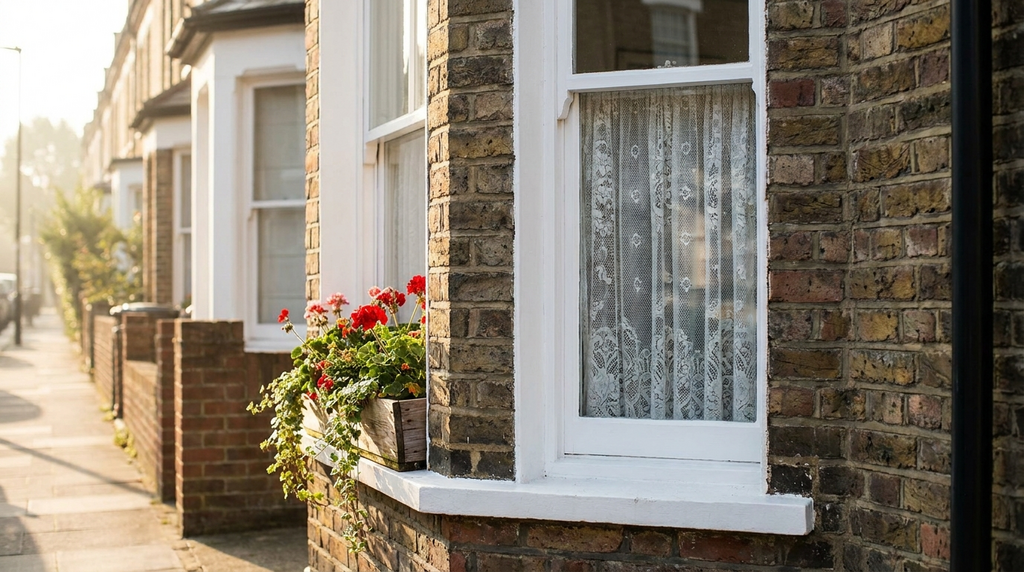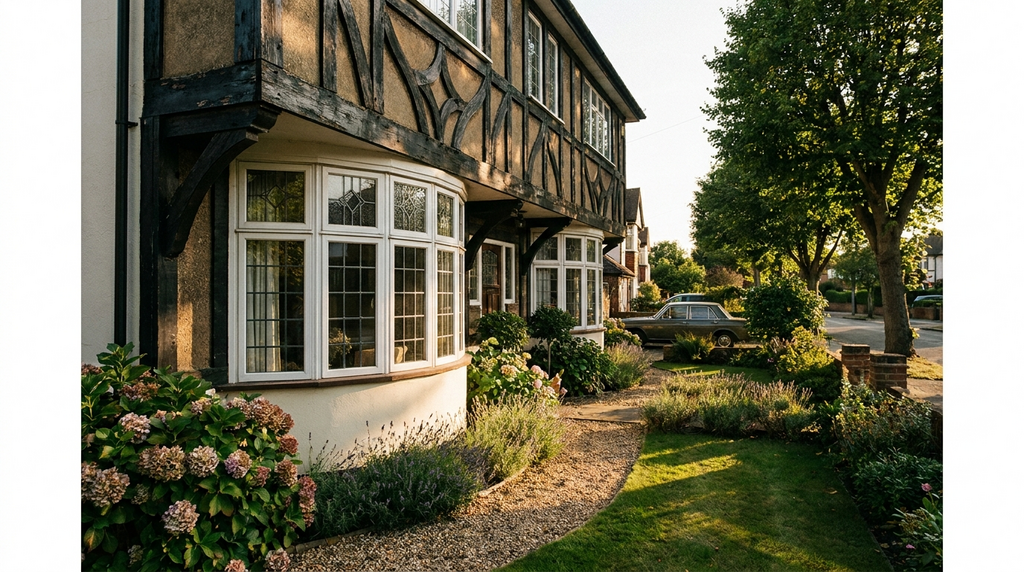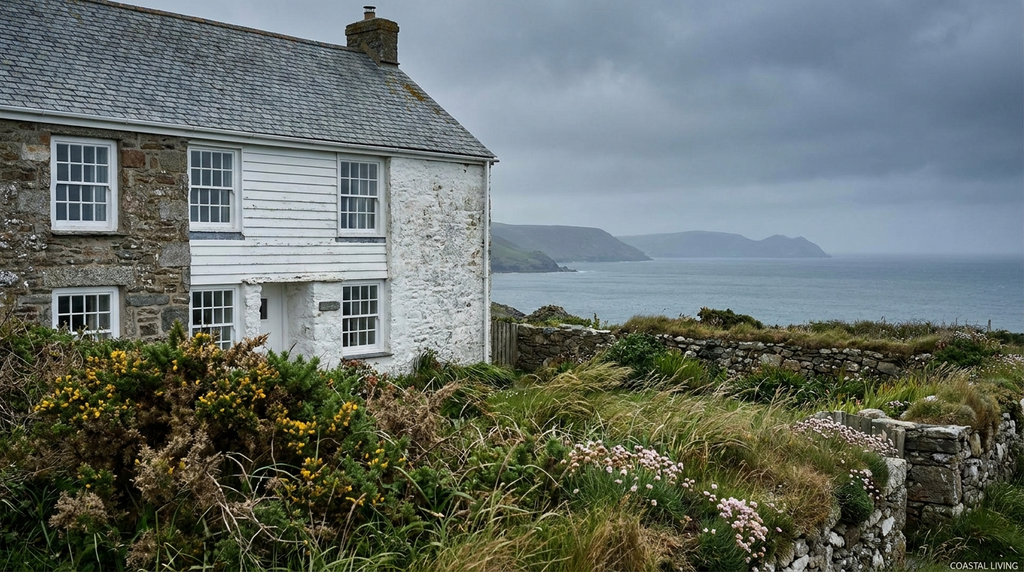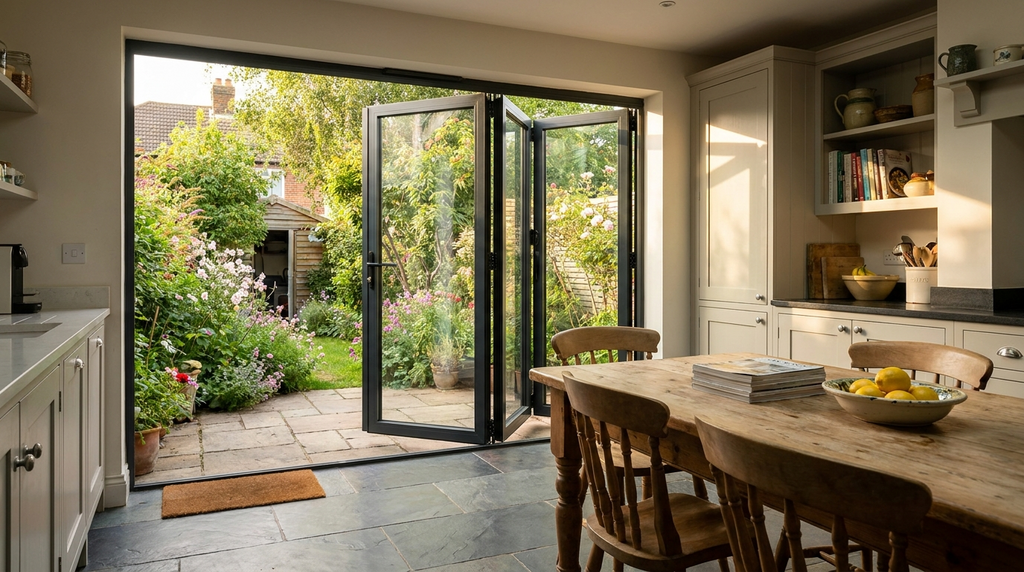
No, windows and doors do not have to be the same colour, and mixing them is increasingly common in UK homes. According to the Energy Saving Trust, over 90% of replacement windows are now uPVC, with colour choice largely a matter of personal preference rather than regulation (Energy Saving Trust, 2026).
The decision depends on your home’s style, planning restrictions, and resale considerations. In conservation areas or listed buildings, local planning authorities may require matching colours to maintain visual harmony. Outside these zones, you are free to choose contrasting or complementary shades for windows and doors.
Matching colours suits traditional homes
For period properties, matching window and door colours often preserves the original aesthetic. White uPVC remains the most popular choice, fitted in around 70% of UK window installations (Ministry of Housing, Communities & Local Government, 2026). Dark grey, anthracite, and black are also common matching options for modern homes. If you plan to sell within five years, neutral matching colours tend to appeal to the widest buyer pool.
Contrasting colours add character
Mixing colours can define your home’s entrance and break up large façades. For example, a sage green door with white windows works well on cottage styles, while a bright red door against anthracite windows suits contemporary builds. The British Fenestration Rating Council notes that colour choice does not affect energy performance ratings, provided the frame material is the same (BRE, 2026). Always check your window and door warranty, some manufacturers void guarantees if non-matching colours are fitted from different suppliers.
Planning rules may limit your choice
If your home is in a conservation area, listed, or within a designated development zone, local planning permission may require all external joinery to match. The Planning Portal states that “replacement windows and doors in conservation areas should match the original style and colour” (GOV.UK, 2026). Check with your local authority before ordering. For most homeowners, however, the colour choice is cosmetic, matching or contrasting is entirely up to you.
A worked example
Glazing is standard-rated for VAT at 20%. The zero rate for energy-saving materials covers insulation, heat pumps and solar panels; HMRC names secondary and double glazing as excluded (VAT Notice 708/6). If you instead choose contrasting colours, say, white windows with a sage green composite front door, the total price rises by approximately £400 due to the specialist coating on the door. The Energy Saving Trust estimates that well-sealed replacement windows and doors cut heating bills by £165 to £210 per year for this house type, depending on the existing draught-proofing. With the standard matching colour scheme, your payback period sits at around 31 years based on £210 annual savings. Over 25 years, the total savings reach £5,250, meaning you never fully recoup the upfront cost through energy savings alone, the real value comes from improved comfort, reduced condensation, and higher EPC ratings. If you live in a conservation area, your local planning authority may insist on matching colours, which overrides any personal preference for contrast.
| Item | Figure |
|---|---|
| Upfront cost after grants | £6,500 |
| Yearly savings | £210 |
| Payback period | 31 years |
| 25-year lifetime savings | £5,250 |
What homeowners often get wrong
The most common mistake UK homeowners make is assuming that matching window and door colours always adds the most resale value. Here are three specific errors that cost time and money.
- Believing colour choice affects EPC ratings The misconception is that darker window frames improve thermal performance. In reality, the Energy Performance Certificate rating depends on the U-value of the glazing unit (measured in W/m²K), not the frame colour, a dark grey window and a white window with identical double glazing have the same U-value. This mistake leads homeowners to pay £200 extra for a colour that offers no energy benefit.
- Assuming no planning rules apply outside conservation areas Many think that only listed buildings or conservation zones restrict colour choice. However, if you live in a new-build estate with a Section 106 agreement or a restrictive covenant, the developer may require all front-facing windows and doors to match a specific colour palette. Ignoring this can trigger a legal notice to repaint or replace them at your own cost, often exceeding £1,500.
- Choosing trendy colours without checking future availability Homeowners often pick a bold colour like Chartwell Green or Irish Oak without confirming the manufacturer will stock it long-term. If a window breaks in five years and the colour is discontinued, you may need to replace all windows on that elevation to achieve a uniform look. The British Fenestration Rating Council advises sticking to standard RAL colours for replacement guarantees, a lesson that can save £3,000 or more on a full re-fit.
Quick reference
- Over 90% of UK replacement windows are white uPVC. That makes it the easiest colour to match for future repairs or replacements.
- A contrasting front door colour can reduce heat loss by up to 5% if it has a composite core with better insulation than a standard uPVC door.
- If you live in a conservation area, your local planning authority must approve any colour change for windows and doors visible from the street.
- Matching dark grey windows and doors typically add £1,200 to £1,800 to your property value according to estate agent surveys from 2025.
- You cannot claim the ECO4 grant for window or door colour upgrades, the scheme only covers insulation, heating, and renewable measures.
Frequently Asked Questions
No, they do not have to match. The Energy Saving Trust confirms colour choice is personal preference, not a regulation, except in conservation areas or listed buildings where local planning authorities may impose rules.
White uPVC windows and doors are fitted in around 70% of UK installations according to Ministry of Housing data. Neutral matching colours like white or anthracite tend to appeal to the widest buyer pool if you plan to sell within five years.
No, colour choice does not affect energy performance ratings. The British Fenestration Rating Council confirms that provided the frame and glazing are the same, energy efficiency remains unchanged regardless of colour.