Why Aberdeenshire homeowners are choosing Underfloor Heating in 2026
Walk into any home improvement show across Aberdeenshire this year and you will notice something striking. Underfloor heating has moved from a luxury addition to a practical necessity for many homeowners. The numbers tell a clear story. With average gas usage sitting at 14,250 kWh per year, your heating bills in this county run roughly 20% higher than the UK median. That cold reality is driving real change.
Your Aberdeenshire home faces 2,200 plus heating degree days each year. Those long winters from October through April mean your current radiators work hard for months on end. Underfloor heating offers something different. It runs at lower water temperatures, typically 35°C to 45°C compared to 60°C to 70°C for radiators. This alone can shave significant money off your annual heating costs.
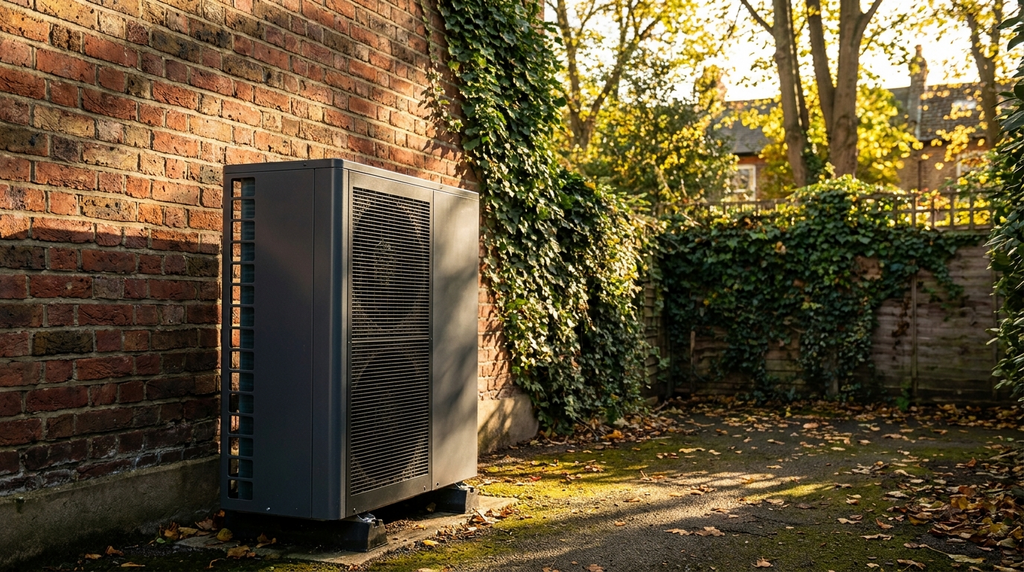
The shift toward heat pumps across Scotland has also pushed underfloor heating into the spotlight. If you are considering an air source or ground source heat pump, underfloor heating pairs with them beautifully. Heat pumps operate most efficiently at those lower flow temperatures, exactly what underfloor systems deliver. Many Aberdeenshire homeowners are now future proofing their homes by installing underfloor heating alongside new heat pump systems.
Another driver is the age of housing stock across the county. Aberdeenshire has a good mix of older granite buildings and modern developments. Older properties especially benefit from the even heat distribution that underfloor systems provide. No more cold spots near drafty windows or uneven warmth from radiators tucked in corners.
Home Energy Scotland has reported a surge in enquiries about underfloor heating over the past year. Their free advice service now fields more calls about this technology than ever before. The combination of high energy costs, cold climate, and available funding makes 2026 the year to seriously consider this upgrade.
How much Underfloor Heating costs across Aberdeenshire in 2026
Let us talk real numbers for your Aberdeenshire home. Underfloor heating costs vary based on your property type, the system you choose, and which town you live in. Installers charge different rates in Aberdeen compared to Fraserburgh or Inverurie due to travel distances and local competition.
Here is a detailed breakdown for typical Aberdeenshire properties. Prices include materials, labour, and standard thermostatic controls. VAT at 20 percent applies unless you qualify for reduced rate through certain schemes.
| Property type | Electric system cost | Wet system cost | Wet system with heat pump | National average comparison |
|---|---|---|---|---|
| 1 bed flat (40m²) | £1,200 to £1,800 | £2,400 to £3,200 | £5,500 to £7,000 | Similar to national average |
| 2 bed terraced (60m²) | £1,800 to £2,600 | £3,500 to £4,800 | £7,500 to £9,500 | 5% above national average |
| 3 bed semi-detached (85m²) | £2,600 to £3,800 | £5,000 to £6,800 | £10,000 to £13,000 | 8% above national average |
| 4 bed detached (120m²) | £3,800 to £5,500 | £7,000 to £9,500 | £14,000 to £18,000 | 10% above national average |
Why the higher costs in Aberdeenshire compared to England or the Central Belt? Three main reasons. First, installer travel times across the county add labour costs. Second, materials often carry a small premium due to transport distances from major distribution hubs. Third, the colder climate means installers recommend higher specification insulation boards and thicker screed, adding to material costs.
Electric systems remain the budget friendly option. They work well for smaller homes, flats, and retrofit projects where lifting floors is tricky. Wet systems cost more upfront but deliver lower running costs, especially when paired with a heat pump or modern boiler.
For a typical 85m² semi-detached home in Inverurie or Peterhead, expect to pay around £5,500 to £6,000 for a professionally installed wet system. This includes the manifold, pipework, insulation boards, and full installation. Add another £1,000 to £1,500 if you need floor coverings removed and reinstated.
County-specific considerations for Underfloor Heating
Your Aberdeenshire home presents unique opportunities and challenges when installing underfloor heating. The county sits in northern Scotland where winter temperatures regularly drop below freezing. This affects everything from insulation requirements to system design.
Climate and insulation, Aberdeenshire homes need better insulation than the UK average. Underfloor heating works best when heat loss is minimised. Your floor insulation must meet current Building Standards Section 6 requirements for Scotland. This typically means 100mm to 150mm of high performance insulation beneath the heating pipes or cables. Without adequate insulation, much of your heat escapes downwards, wasting money.
Floor construction, Older Aberdeenshire properties often have suspended timber floors. These work well with underfloor heating but require careful installation. The pipes or cables fit between joists with insulation placed below. Solid concrete floors found in modern homes and some post war properties accept underfloor heating more easily. Your installer should inspect your floor construction before providing a quote.
Conservation areas and planning, Aberdeenshire has several conservation areas, particularly in Old Aberdeen, parts of Inverurie, and around historic buildings. If your home sits in a conservation area, external changes may need planning permission. Underfloor heating itself does not affect the external appearance of your property, so it rarely needs planning consent. However, if you plan to dig up a historic floor or install a heat pump externally, check with Aberdeenshire Council planning department first.
Granite buildings, Many Aberdeenshire homes feature granite construction. These buildings have excellent thermal mass, meaning they absorb and store heat well. Underfloor heating works brilliantly with granite homes because the thermal mass helps maintain steady temperatures. The system can run intermittently, warming the structure which then releases heat slowly over many hours.
National parks, The Cairngorms National Park extends into western Aberdeenshire. If your property lies within the park boundary, you face stricter planning rules. Underfloor heating inside your home remains unaffected, but any external work like digging for ground source heat pumps may need additional permissions. Check with Cairngorms National Park Authority if you live in this area.
Strong winds, Aberdeenshire experiences strong winds, especially in coastal areas like Fraserburgh and Peterhead. This increases heat loss from your home through draughts and air leakage. Before installing underfloor heating, address draught proofing and improve your home air tightness. Otherwise your new system will struggle to keep you warm and your bills will stay high.
The best Underfloor Heating options for Aberdeenshire homes
Choosing the right underfloor heating system for your Aberdeenshire home depends on your property type, existing heating system, and budget. Here are the options that work best across the county.
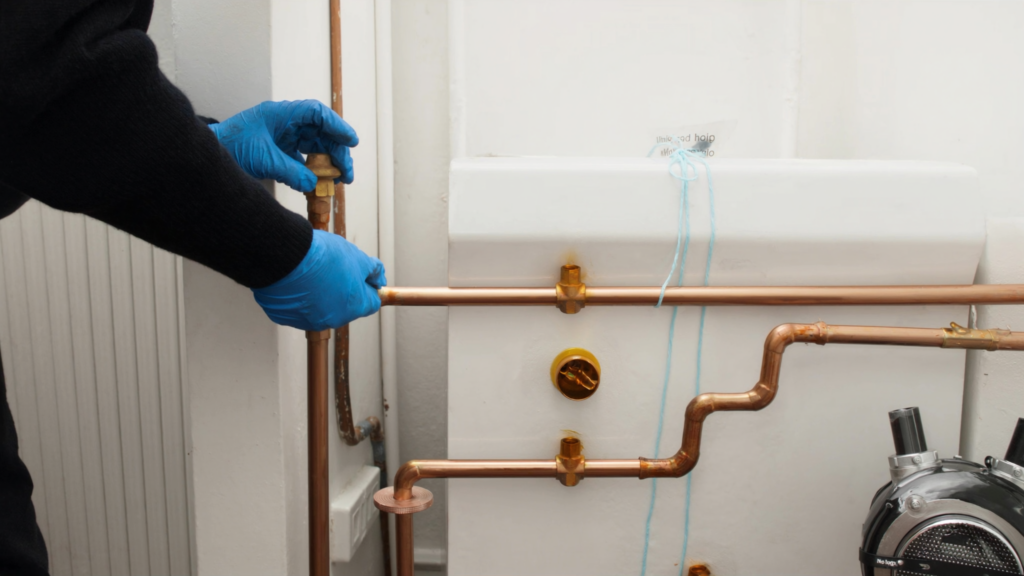
Warm water systems for most homes, Wet underfloor heating remains the top recommendation for Aberdeenshire homes with gas boilers or heat pumps. The system circulates warm water through pipes embedded in your floor. For a typical 85m² semi-detached home, expect pipe spacing of 200mm to 300mm depending on heat loss calculations. Use 16mm or 20mm pipe with oxygen barrier to prevent corrosion.
For homes with gas boilers, the system runs efficiently at 45°C to 50°C flow temperature. If you pair it with a heat pump, the flow temperature drops to 35°C to 40°C, maximising efficiency. This combination can cut your heating costs by 20 to 30 percent compared to radiator systems.
Electric systems for retrofit and smaller homes, Electric underfloor heating suits flats and smaller homes where lifting floors is impractical. These systems use heating mats or loose cables installed directly under floor coverings. They heat up quickly, typically within 30 minutes, making them ideal for rooms used intermittently like bathrooms or home offices.
Running costs for electric systems are higher than wet systems. Electricity costs roughly three times more per kWh than gas in Aberdeenshire. However, installation costs are much lower and you can install them room by room. Many homeowners choose electric for bathrooms and wet systems for main living areas.
Insulation requirements, Every underfloor system in Aberdeenshire needs proper insulation beneath it. Use high density PIR or phenolic insulation boards with a minimum thickness of 100mm for ground floors and 50mm for upper floors. Some installers recommend 150mm for ground floors in older properties with poor existing insulation. This upfront cost pays back through lower running costs.
Floor coverings matter, The covering you choose affects system performance. Tile, stone, and engineered wood work best as they conduct heat well. Carpet with a tog rating above 2.5 acts as insulation and reduces heat output. If you want carpet, choose a product with a tog rating of 2.0 or less. Your installer should calculate the maximum floor covering resistance your system can handle.
| Floor covering | Suitability | Maximum recommended tog | Notes for Aberdeenshire |
|---|---|---|---|
| Ceramic tile | Excellent | N/A | Great heat transfer, ideal for bathrooms |
| Engineered wood | Good | 1.5 | Check manufacturer warranty for UFH |
| Vinyl or LVT | Good | 1.0 | Must be glued down, not floating |
| Carpet | Moderate | 2.0 | Use low tog underlay |
| Solid wood | Poor | N/A | Risk of warping, not recommended |
Grants and funding for Underfloor Heating in 2026
Several funding schemes can reduce your upfront costs for underfloor heating in Aberdeenshire. The key is understanding which apply to your situation and how to access them.
Home Energy Scotland loans, This is the most accessible funding for Aberdeenshire homeowners. Home Energy Scotland offers interest free loans up to £15,000 for energy efficiency improvements. Underfloor heating qualifies when installed alongside a heat pump or as part of a wider heating upgrade. The loan covers materials and installation. Repayment terms stretch over five to ten years with no interest charged.
You must live in Scotland and own your home. Private tenants can apply with landlord permission. The application process takes four to six weeks and requires quotes from approved installers.
Warmer Homes Scotland, This scheme provides free improvements for qualifying households. If you receive certain benefits or have a low income, Warmer Homes Scotland can cover the full cost of underfloor heating and insulation. The scheme targets homes with the poorest energy performance. Your EPC rating must typically be E, F, or G to qualify.
Warmer Homes Scotland covers homes across Aberdeenshire including Aberdeen, Fraserburgh, Inverurie, and Peterhead. Apply through Home Energy Scotland who manage the scheme. Waiting times vary but expect three to six months from application to installation.
ECO4, The Energy Company Obligation continues in 2026. Major energy suppliers fund energy saving improvements for low income and vulnerable households. Underfloor heating can be included as part of a whole house upgrade. You qualify if you receive certain benefits or your local authority refers you through the LA Flex scheme.
Aberdeenshire Council participates in LA Flex, meaning more households can access ECO4 funding. Contact your energy supplier or a local installer who works with ECO4 to check eligibility.
GBIS, The Great British Insulation Scheme offers funding for insulation improvements. While it does not directly cover underfloor heating, improving your floor insulation through GBIS makes underfloor heating more effective. Consider applying for floor insulation first, then installing the heating system separately.
Boiler Upgrade Scheme, This scheme applies across Scotland and provides grants for heat pump installation. You receive £7,500 toward an air source heat pump or £7,500 for a ground source heat pump. While the grant covers the heat pump, you can use it alongside underfloor heating installation. Many homeowners combine BUS with a Home Energy Scotland loan to cover the full system cost.
How to find trusted Underfloor Heating installers in Aberdeenshire
Finding a reliable installer across Aberdeenshire requires some homework. The county covers a large area with installers based mainly in the four main towns. Here is how to find someone you can trust.
Certifications to look for, Your installer should hold relevant qualifications. For wet underfloor heating, look for membership in the Underfloor Heating Manufacturers Association or similar bodies. Gas Safe Register registration is essential if your system connects to a gas boiler. For heat pump installations, look for MCS certification or equivalent.
Scottish building regulations require all heating installations to comply with Section 6 of the Building Standards. Your installer should provide a commissioning certificate and system design documentation. Ask for these before work begins.
Getting good quotes, Request quotes from at least three installers. A proper quote includes a site survey, heat loss calculations, system design, and itemised costs. Avoid quotes given over the phone without visiting your property. The installer needs to inspect your floor construction, existing heating system, and insulation levels.
Typical lead times for underfloor heating installation in Aberdeenshire range from four to eight weeks. Installers are busiest from spring through autumn when floors can be lifted and screed dries properly. Winter installations are possible but take longer due to drying times.
Installer coverage across the county, Most installers cover the entire county but charge travel fees for properties far from their base. Installers based in Aberdeen typically cover the city plus a 20 to 30 mile radius. Those in Inverurie serve central Aberdeenshire. Fraserburgh and Peterhead based installers cover the coastal areas.
For remote properties in the Cairngorms or western Aberdeenshire, expect higher quotes due to travel time. Some installers may decline work in very remote locations. Check coverage areas when requesting quotes.
Savings you can expect from Underfloor Heating in Aberdeenshire
Let us calculate realistic savings for a typical Aberdeenshire home. We will use the county average energy data 14,250 kWh gas and 3,450 kWh electricity per year. Your EPC rating starts at Band D.
Annual running cost comparison, A standard gas boiler with radiators in a Band D home uses roughly 14,250 kWh of gas. At current 2026 prices of around 6.5p per kWh, your annual heating cost sits at approximately £925. Add electricity for pumps and controls at about £80, total £1,005.
Switch to wet underfloor heating with the same gas boiler. The lower flow temperature improves boiler efficiency from roughly 85 percent to 92 percent. Your gas consumption drops to about 12,800 kWh. Annual cost becomes £832 for gas plus £85 for electricity, total £917. You save approximately £88 per year.
Now pair underfloor heating with an air source heat pump. The heat pump operates at a coefficient of performance of around 3.2. Your heating requirement of 12,800 kWh becomes 4,000 kWh of electricity. At 14.5p per kWh, your heating cost drops to £580 plus £85 for ancillary electricity, total £665. Annual savings reach £340.
EPC improvement, Underfloor heating alone can lift your EPC rating from Band D to Band C. Combined with improved floor insulation, you may reach Band B. This adds value to your property and qualifies you for better mortgage rates through green mortgage products.
| System configuration | Annual heating cost | Annual savings vs radiators | Payback period | EPC improvement |
|---|---|---|---|---|
| Gas boiler + radiators | £1,005 | Baseline | N/A | Band D |
Gas boiler + UFH</
Towns in Aberdeenshire
Aberdeen
229,000 residents · EPC D
Fraserburgh
13,000 residents · EPC E
Inverurie
13,000 residents · EPC D
Peterhead
19,000 residents · EPC D Nearby Counties
Moray
87.4 km away
Angus
99.4 km away
City of Dundee
118.8 km away
Highland
124 km away
Perth and Kinross
141.1 km away Frequently Asked Questions About Underfloor Heating in Aberdeenshire – Costs, Installers and Savings GuideFor a typical Aberdeenshire home with EPC Band D, electric underfloor heating costs around £30 to £50 per square metre to install. A wet system runs higher, from £60 to £100 per square metre, but it is often cheaper to run long term. These prices include basic preparation of existing floors, which can vary if you have stone or concrete subfloors common in older local homes. Yes, through Home Energy Scotland you can access up to £7,500 in grant funding for heat pumps that pair with wet underfloor heating. The Warmer Homes Scotland scheme also offers support for insulation and heating upgrades if your home is EPC Band D or below. These are available to homeowners in Aberdeenshire regardless of whether you live in a town like Inverurie or a more rural area. Absolutely. Look for installers registered with the Scottish Underfloor Heating Association or TrustMark, as they have experience with Aberdeenshire's older stone and slate properties. Many local companies in Aberdeen, Peterhead, and Banchory specialise in retrofitting systems to homes with solid floors or raised timber floors, which is common in our area. It can, but your boiler needs to be modern and efficient enough to handle lower flow temperatures, ideally a condensing combi or system boiler. For EPC Band D homes, a wet underfloor system on the ground floor often works well with a heat pump, especially if you upgrade insulation first. A local installer can test your boiler's output to see if it is suitable. For a single room, electric underfloor heating can be installed in one to two days, including screed drying time. A whole-house wet system usually takes one to two weeks, depending on whether you need to lift existing floors or can install over them. In rural Aberdeenshire, allow extra time for material delivery if you are far from suppliers. Yes, underfloor heating runs at lower water temperatures, around 35 to 45 degrees Celsius, which is more efficient than radiators that need 60 to 70 degrees. For EPC Band D homes in Aberdeenshire, this can reduce heating bills by 15 to 25 percent if you also draught-proof windows and doors. Pairing it with a heat pump makes it even more cost effective in our cold winters. Featured eco home guides.
Government Grants
Great British Insulation Scheme eligibility (2026)Millions of UK homes remain poorly insulated, with draughty lofts, unlined cavity walls, and solid brick walls bleeding heat into the atmosphere year-round. The Great British Insulation Scheme, known as GBIS, was introduced by the UK government as a direct response to this problem, offering free or heavily subsidised insulation to a wide range of […]
Solar Panels
How Many Solar Panels Does a 3-Bed House Need?Solar photovoltaic panels are now installed on more than one million UK homes, and the most common property type taking them up is the three-bedroom semi-detached, the archetypal family home that sits at the heart of Britain’s housing stock. If you’re weighing up whether to go solar, the very first practical question is usually the […]
Energy Saving Guides
How to Read Your Energy Bill and Spot Where Money Is WastedMillions of UK households hand over money to their energy supplier every month without really understanding what they are paying for. The energy bill lands, the direct debit goes out, and most people give the document no more than a passing glance before filing it away or deleting the email. Yet buried in those columns […]
Boilers & Heating
Ground Source vs Air Source Heat Pumps for UK HomesUnderstanding the Difference Between Ground Source and Air Source Heat Pumps Heat pumps are now one of the most discussed home heating technologies in the UK, yet many homeowners remain unsure about the fundamental differences between the two main types. Choosing the wrong system, or installing either type in the wrong home, can result in […]
Boilers & Heating
Hydrogen ready boiler worth it (2026)Replacing a boiler is one of the most significant home improvement decisions a UK homeowner will make, and the emergence of hydrogen-ready boilers has added a genuinely confusing new dimension to what was already a complicated choice. These products are now widely stocked by installers across the country, with major brands including Worcester Bosch, Baxi, […]
Windows & Glazing
Window opening restrictor regulations UKFalls from windows are one of the most preventable household accidents in the UK, yet window safety remains poorly understood by many homeowners and landlords. A window opening restrictor is a small, relatively inexpensive device that can prevent a tragedy. In many situations, fitting one is sensible practice and a legal requirement under UK Building […] Get Quotes in AberdeenshireCompare quotes from trusted local eco home installers. No obligation. Get a Free Quote |