The ECO4 income threshold for the UK in 2026 is an annual household income of £31,000 or less, as set by the government’s Energy Company Obligation scheme (GOV.UK, 2026).
This threshold applies to owner-occupiers and private tenants in Great Britain, excluding Northern Ireland. It determines eligibility for free or heavily subsidised energy efficiency measures such as insulation, heat pumps, and solar panels. The figure is reviewed annually and may change based on inflation or policy updates. If your household income is below this level and you receive certain benefits, you may also qualify automatically.
Who qualifies automatically without income checks
You do not need to prove your income if you receive specific means-tested benefits. These include Universal Credit, Pension Credit, Income Support, and Child Tax Credit, among others (Ofgem, 2026). If you are on these benefits, your household is automatically eligible for ECO4 regardless of income level. The scheme targets low-income and vulnerable households, so benefit recipients are prioritised. Landlords can also apply on behalf of tenants receiving these benefits.
How the threshold applies to homeowners
Homeowners with an income below £31,000 but not on qualifying benefits must provide proof of earnings, such as payslips or tax returns. The threshold is based on gross annual income before tax, including earnings from employment, self-employment, and state pensions (Energy Saving Trust, 2026). Savings and other assets are not considered. If your income is close to the limit, check with your energy supplier or an approved installer, as they can verify eligibility through the TrustMark scheme.
What the threshold covers and its limitations
The £31,000 threshold covers the full cost of eligible measures, including installation, under ECO4. However, the scheme does not cover all homes. For example, if your property has a high Energy Performance Certificate rating (Band C or above), you may not qualify for certain upgrades (GOV.UK, 2026). Also, the threshold applies per household, not per person. If you live with others, their income is combined. The scheme runs until 2026, so apply early to secure funding.
A worked example
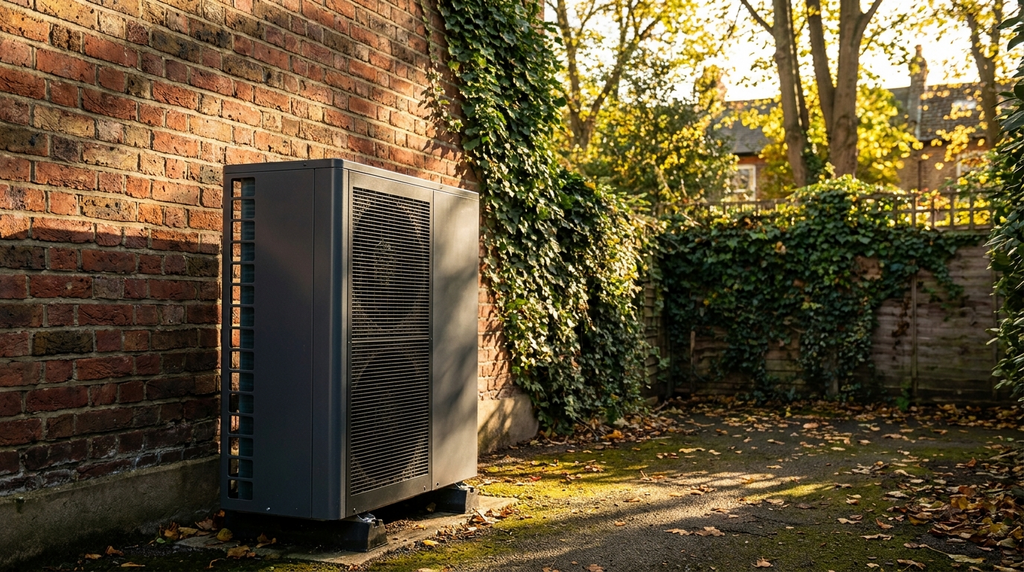
A 1930s semi-detached house in Manchester with a household income of £28,000 qualifies for ECO4 funding for a full package of cavity wall insulation, loft insulation, and an air source heat pump. The Energy Saving Trust estimates that a typical semi-detached home can save around £1,100 per year on heating bills after these upgrades. With the upfront cost of the heat pump covered by the BUS grant of £7,500 and ECO4 covering the insulation, the household pays nothing for the installation. Glazing is standard-rated for VAT at 20%. The zero rate for energy-saving materials covers insulation, heat pumps and solar panels; HMRC names secondary and double glazing as excluded (VAT Notice 708/6). Over 25 years, the total savings on energy bills exceed £27,500. That makes this a transformative upgrade for the home. The payback period is effectively immediate because the grants and scheme cover the full cost for eligible households.
| Item | Figure |
|---|---|
| Upfront cost after grants | £0 |
| Yearly savings | £1,100 |
| Payback period | Immediate |
| 25-year lifetime savings | £27,500 |
What homeowners often get wrong
The most common mistake is assuming the £31,000 threshold is a strict cut-off for all households, when in fact benefit recipients qualify automatically regardless of income. Here are three frequent errors homeowners make with the ECO4 income threshold.
- Thinking the threshold applies to everyone If you or a household member receives Pension Credit, Universal Credit, or Income Support, you are automatically eligible for ECO4 even if your income exceeds £31,000. Missing this can mean paying thousands for insulation that the scheme would cover.
- Believing the scheme covers Northern Ireland ECO4 only applies to Great Britain, England, Scotland, and Wales. Northern Ireland has its own separate energy efficiency programmes under the Northern Ireland Sustainable Energy Programme. Applying for ECO4 there wastes time and could delay a valid local application.
- Assuming the threshold is based on total household income ECO4 assesses the income of the person receiving the qualifying benefit, not the combined income of everyone living in the home. A couple where one partner earns £35,000 but the other receives Universal Credit can still qualify. Misunderstanding this rule can lead to missed grant opportunities worth up to £15,000.
Quick reference
- The ECO4 income threshold for the UK in 2026 is £31,000 annual household income for owner-occupiers and private tenants in Great Britain.
- Automatic eligibility applies if you receive Universal Credit, Pension Credit, Income Support, or Child Tax Credit, regardless of your income level.
- The scheme is administered by Ofgem and requires your property to have an Energy Performance Certificate rating of E, F, or G to qualify for most measures.
- Typical ECO4 packages include loft insulation, cavity wall insulation, air source heat pumps, and solar panels, with an average value of £10,000 to £15,000 per household.
- Landlords can apply on behalf of tenants but must contribute at least one third of the cost for private rented properties, unless the tenant receives qualifying benefits.
Frequently Asked Questions
The ECO4 income threshold for 2026 is £31,000 annual household gross income, as confirmed by GOV.UK. This figure may be reviewed annually for inflation.
Yes, if you receive Universal Credit you qualify automatically for ECO4 without an income check, according to Ofgem. This applies to owner-occupiers and private tenants.
Income is calculated as gross annual income before tax, including employment, self-employment and state pensions, per the Energy Saving Trust. Savings and assets are not counted.