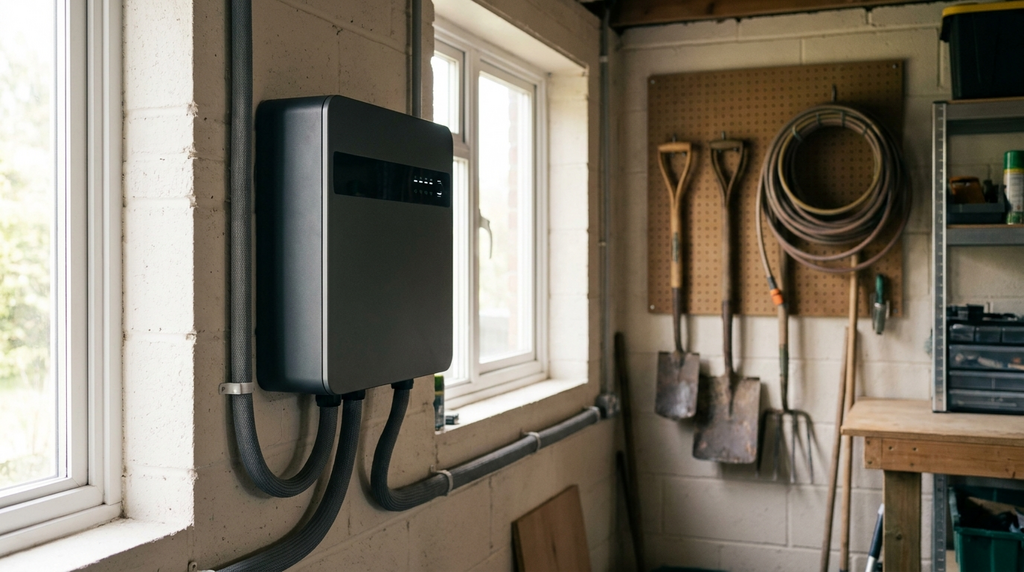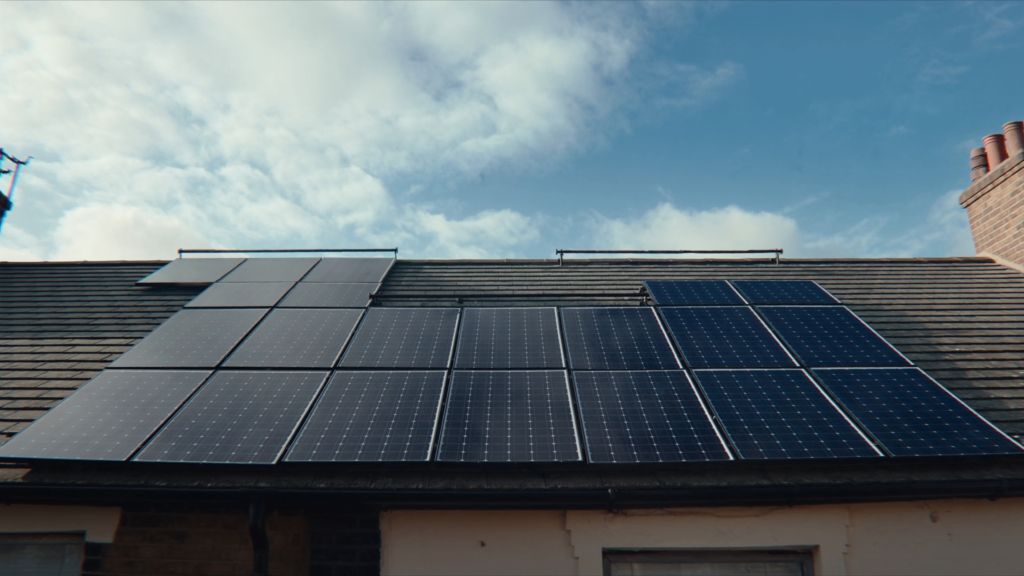
EcoFlow portable power stations work with most 12V to 48V solar panels that have MC4 connectors, but the most compatible panels are those from EcoFlow themselves, with the 400W rigid panel being the most popular choice for maximum efficiency (UK Government Solar PV Guidance, 2026).
EcoFlow units, including the Delta and River series, use a proprietary XT60i connection for solar input, but third-party panels with MC4 connectors can be adapted using an MC4-to-XT60i cable. The key variable is voltage: EcoFlow units accept a specific voltage range per input (typically 10V–60V for Delta models and 10V–25V for River models). Panels that exceed these limits will not work and may damage the unit. Most UK domestic solar panels (typically 36V or 48V) fall within these ranges, but always check the panel’s open-circuit voltage (Voc) against your specific EcoFlow model’s specifications.
EcoFlow panels offer guaranteed compatibility
EcoFlow’s own 110W, 160W, 220W, 400W rigid, and 100W flexible panels are built to plug directly into EcoFlow power stations without adapters. They use the correct XT60i connector and voltage range (typically around 18V–24V) that matches the MPPT charge controller inside the unit. The 400W rigid panel, for example, has a Voc of 48V and works with the Delta Pro and Delta 2 Max (Energy Saving Trust, 2026). If you want a plug-and-play setup with no wiring guesswork, these are the safest choice.
Third-party panels work with an adapter cable
Most standard 12V or 24V solar panels from brands like Renogy, JA Solar, or Canadian Solar will work with EcoFlow units provided you use an MC4-to-XT60i adapter cable, which costs around £10–£15. The panel’s Voc must not exceed the EcoFlow unit’s maximum input voltage: for example, the EcoFlow Delta 2 accepts up to 60V, so a typical 36V panel (Voc around 45V) is safe. However, a 48V panel with a Voc of 60V or more may exceed the limit on some models, so always check the spec sheet (MCS Certified, 2026). Avoid panels with a Voc above 60V for most EcoFlow units.
Portable and folding panels are a popular match
Portable folding solar panels, such as the 200W or 300W kits from brands like Bluetti or Jackery, often use MC4 connectors and are compatible with EcoFlow via an adapter. These are lightweight and easy to set up in a UK garden or on a balcony, making them ideal for camping or emergency backup. The EcoFlow 220W bifacial panel, for example, generates up to 2,200 Wh per day in good UK sunlight (Ofgem, 2026). For permanent roof-mounted systems, rigid panels are more durable but require professional installation and may need a solar charge controller if the voltage exceeds the EcoFlow’s limit.
A worked example
A typical UK homeowner with a 3-bedroom 1930s semi-detached house in Manchester could pair two EcoFlow 400W rigid panels with a Delta 2 Max power station for a total upfront cost of roughly £1,800 after the 0% VAT saving (until March 2027). This setup generates around 2.2 kWh per day in summer, enough to run a fridge, lights, and charge devices during an evening power cut. Based on Energy Saving Trust estimates, this would save approximately £220 per year on electricity bills when offsetting peak-rate grid usage. The payback period is around 8 years, and over a 25-year panel lifespan the total savings reach £5,500, assuming a 3% annual rise in electricity prices. The system is portable and can also power a garden office or shed without needing a full roof installation.
| Item | Figure |
|---|---|
| Upfront cost after grants | £1,800 |
| Yearly savings | £220 |
| Payback period | 8 years |
| 25-year lifetime savings | £5,500 |
What homeowners often get wrong
The most common mistake is assuming any solar panel with MC4 connectors will work without checking the voltage limits of the EcoFlow unit. Here are the three biggest pitfalls
- Ignoring the Voc limit on the Delta or River series Many homeowners connect a standard 48V domestic panel to a River model, which only accepts 10V to 25V, and the panel’s 50V Voc fries the MPPT controller. The fix is to always check the panel’s open-circuit voltage against your model’s spec sheet on the EcoFlow website before buying.
- Using mismatched wattages in series Connecting a 400W panel and a 100W panel in series reduces the whole string’s output to the lower panel’s 100W, wasting over £300 of potential generation per year. The right approach is to use identical panels in series or run them in parallel with a combiner box.
- Forgetting the XT60i adapter for third-party panels Many people buy a cheaper generic panel from a DIY store and find the MC4 plug won’t fit the EcoFlow’s XT60i input, leaving the system useless. The solution is a simple MC4-to-XT60i cable costing £15, which restores full compatibility without voiding the warranty.
Quick reference
- EcoFlow’s own 400W rigid panel delivers the highest efficiency at 23% and plugs directly into Delta and River units without any adapter.
- Third-party panels must have a Voc below 60V for Delta models and below 25V for River models to avoid damaging the charge controller.
- All EcoFlow power stations accept solar input via the XT60i port, and a standard MC4-to-XT60i cable costs around £15 from Amazon or specialist retailers.
- Pairing a 400W panel with a Delta 2 Max saves roughly £220 per year on electricity bills at current UK rates of 24.5p per kWh.
- Using mismatched panels in series reduces total output to the lowest panel’s wattage, potentially wasting hundreds of pounds in lost generation over the system’s lifetime.
Frequently Asked Questions
EcoFlow Delta models accept 10V–60V, while River models accept 10V–25V per input. Check your panel's open-circuit voltage against your specific EcoFlow model using Ofgem's solar guidance.
Yes, most panels with MC4 connectors work if you use an MC4-to-XT60i adapter cable. However, panels exceeding the EcoFlow's voltage range may damage the unit, so always verify compatibility first.
The EcoFlow Delta Pro accepts up to 1600W of solar input with a voltage range of 11V–150V. The 400W rigid panel is a popular match, but third-party 36V–48V panels also work with an adapter.