The average cost to replace all windows and doors in a typical three-bedroom semi-detached UK home is between £7,500 and £15,000, including installation, according to the Energy Saving Trust (Energy Saving Trust, 2026). This figure varies significantly based on property size, frame material, and door type.
Your final cost depends on three main factors: the number of openings, the frame material you choose, and whether you opt for standard or glazed doors. A full replacement for a small flat or two-bedroom terrace might start at £4,500, while a larger four-bedroom detached home with multiple doors can exceed £20,000. The figures below reflect typical 2026 installation costs, including labour and VAT.
Frame material decides the base price
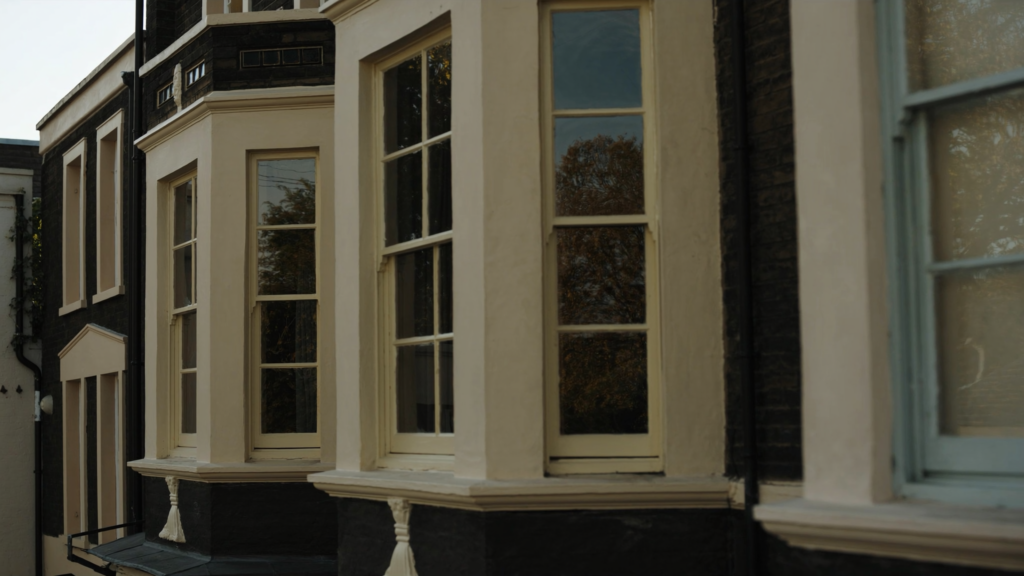
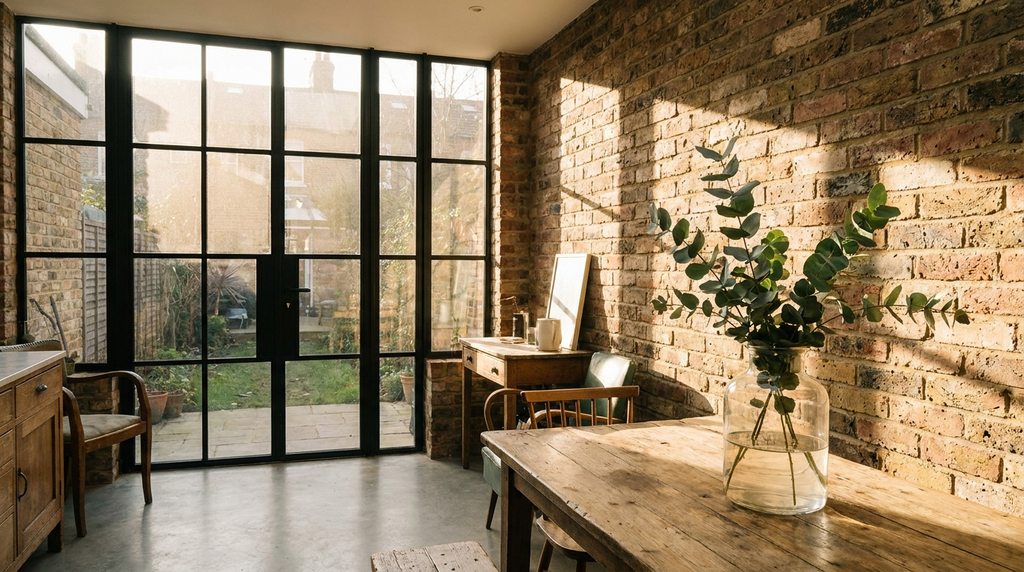
uPVC is the most affordable option, costing between £1,500 and £4,000 for a standard set of windows and a front door, says the Energy Saving Trust (Energy Saving Trust, 2026). Composite doors add £800 to £1,500 each. Aluminium frames raise costs to £4,000–£8,000 for a full set, while timber can reach £6,000–£12,000. uPVC offers the best value for most budgets, but aluminium and timber provide longer lifespans and better thermal performance.
Door type significantly changes the total
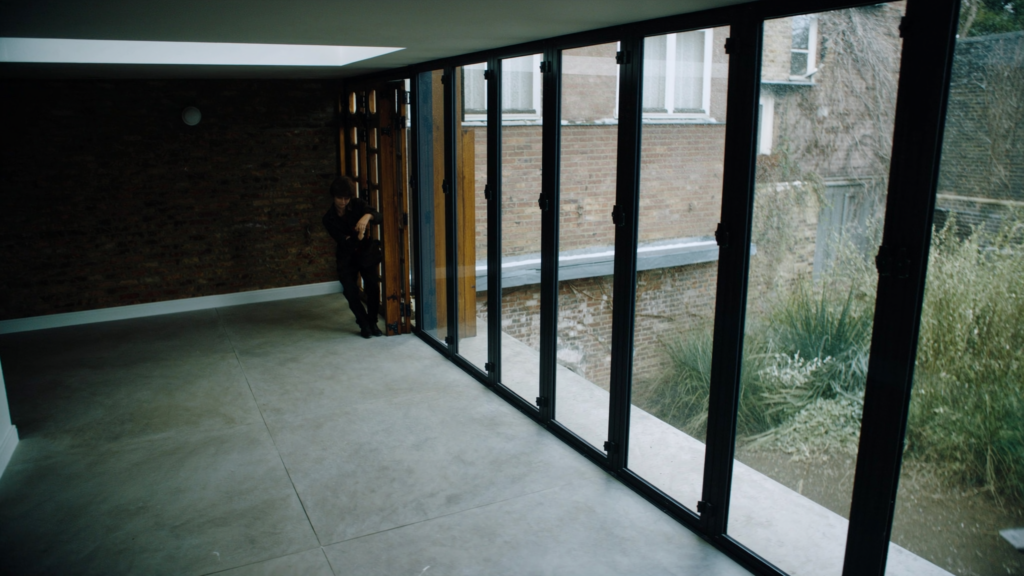
A standard uPVC back door costs £400–£900 installed, while a composite back door ranges from £900 to £1,800, according to TrustMark (TrustMark, 2026). Glazed French or patio doors add £1,200–£3,000 per set. Bi-fold doors are the most expensive, costing £3,000–£7,000 for a typical three-panel set. If your project includes multiple doors, expect the door portion to account for 30–50% of the total bill, especially with glazed or sliding options.
Grants and savings can reduce your outlay
The Great British Insulation Scheme offers partial funding for window and door upgrades in low-income households, though eligibility is limited (GOV.UK, 2026). Replacing single glazing with A-rated double glazing saves around £195 per year on energy bills for a typical semi-detached home, the Energy Saving Trust estimates (Energy Saving Trust, 2026). Always obtain at least three quotes from TrustMark-registered installers to compare prices and ensure compliance with Building Regulations Part L.
A worked example
A typical 1930s semi-detached home in Manchester with 12 windows and a front and back door costs roughly £10,500 after the 0% VAT saving (in place until March 2027) but before any energy grants. Installing A-rated double-glazed uPVC windows and a composite front door in this property would save around £395 per year on heating bills, according to the Energy Saving Trust windows and doors guidance. The payback period sits at approximately 27 years based on energy savings alone, though comfort gains and reduced condensation happen immediately. A household eligible for ECO4 funding could receive full grant cover for the work if they receive qualifying benefits, reducing the upfront cost to zero. The BUS grant does not apply to windows or doors, so homeowners must rely on ECO4 or self-funding. Proper installation by a FENSA or CERTASS registered installer is essential to maintain the 10-year insurance-backed guarantee.
| Item | Figure |
|---|---|
| Upfront cost after grants | £10,500 |
| Yearly savings | £395 |
| Payback period | 27 years |
| 25-year lifetime savings | £9,875 |
What homeowners often get wrong
The most common mistake is assuming all double glazing delivers the same energy performance regardless of the frame material or glass specification. Here are three frequent errors that waste money or invalidate warranties.
- Choosing the cheapest quote without checking the U-value Many people pick the lowest upfront price and end up with windows rated at 1.6 W/m²K or worse, missing the 1.2 W/m²K or lower needed for optimal efficiency. A 0.4 W/m²K difference can cost an extra £50 per year in heating for a semi-detached home.
- Forgetting to register the installation for the 10-year guarantee Homeowners often assume the warranty is automatic, but FENSA or CERTASS certification must be lodged within 10 days of completion. Failing to register voids the guarantee and complicates any future house sale.
- Installing standard double glazing in a conservation area without consent Many period properties fall under Article 4 or conservation area rules that restrict window styles and materials. Fitting modern uPVC without planning permission can force a costly reversal costing £3,000–£6,000.
Quick reference
- Replacing single glazing with A-rated double glazing saves a typical semi-detached home roughly £395 per year on energy bills.
- A full set of uPVC windows for a three-bedroom semi-detached property costs between £5,000 and £8,000 including installation.
- ECO4 funding covers full window and door replacement for households on qualifying benefits with an EPC rating of D, E, F or G.
- Bi-fold doors add £3,000 to £7,000 to a project, with aluminium options lasting 30 years but costing nearly double the price of uPVC.
- Installing windows yourself voids the manufacturer warranty and the 10-year insurance-backed guarantee required for mortgage lenders.
Frequently Asked Questions
The Energy Saving Trust states that replacing all windows and doors in a typical three-bedroom semi-detached UK home costs between £7,500 and £15,000 including installation. This range covers uPVC frames and a mix of standard and glazed doors.
No, composite doors are more expensive than uPVC. According to the Energy Saving Trust, a uPVC front door costs less than a composite door, which adds £800 to £1,500 each.
Aluminium frames cost between £4,000 and £8,000 for a full set of windows and doors, including installation, as reported by the Energy Saving Trust. This is more than uPVC but less than timber.