Why Chippenham Homeowners Are Looking at Double Glazing Right Now
There’s something quietly interesting happening across Chippenham’s residential streets. From the Victorian terraces near the town centre to the post-war semis out towards Pewsham and Cepen Park, more homeowners are asking the same question, is it finally time to replace the windows?
Part of the answer lies in Chippenham’s housing stock itself. A significant chunk of homes here were built between the 1930s and 1980s, and those original single-glazed or early double-glazed units are now well past their best. Misted panes, draughty frames, and condensation running down the glass every winter morning, these aren’t minor inconveniences, they’re signs that your windows are actively costing you money.
But there’s a more specific local driver too. Chippenham sits in the Wiltshire countryside, and while it’s not exposed to the battering Atlantic winds that hit the coast further south-west, it does get its fair share of damp, misty winters rolling in off the Vale of Pewsey. That persistent dampness, combined with older window seals that have long since failed, is pushing many local homeowners toward modern glazing solutions right now.
The town already performs above the national average on energy efficiency, most homes in Chippenham sit at EPC Band C, which is genuinely impressive. But “above average” doesn’t mean “optimised,” and for the homes still on Band D or below, quality double glazing can be a transformative upgrade. Even Band C homes can push toward Band B with the right glazing specification.
What Double Glazing Actually Involves for a Typical Chippenham Home
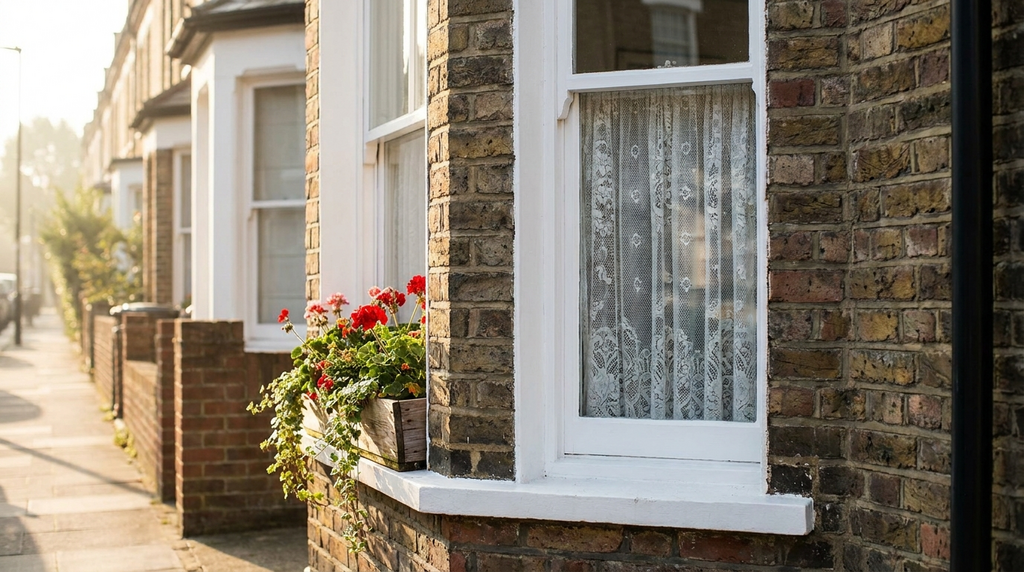
Let’s talk about what this actually looks like on the ground. The most common property types in Chippenham are semi-detached and terraced homes, think the red-brick semis along roads like Hardens Mead or the terraces clustered around the older parts of town near the River Avon. These properties have their own quirks for glazing.
Terraced homes, in particular, often have shared party walls and narrow access down the side. That matters because installers may need to carry large glazing units through your house or negotiate tight entries. It adds time (and occasionally, cost) to the job. Semi-detached homes generally have easier side access, but older builds sometimes feature non-standard window opening sizes, meaning off-the-shelf units won’t fit and you’ll need made-to-measure frames.
What Era Is Your Home
Chippenham’s housing breaks down into a few key eras, each with its own considerations:
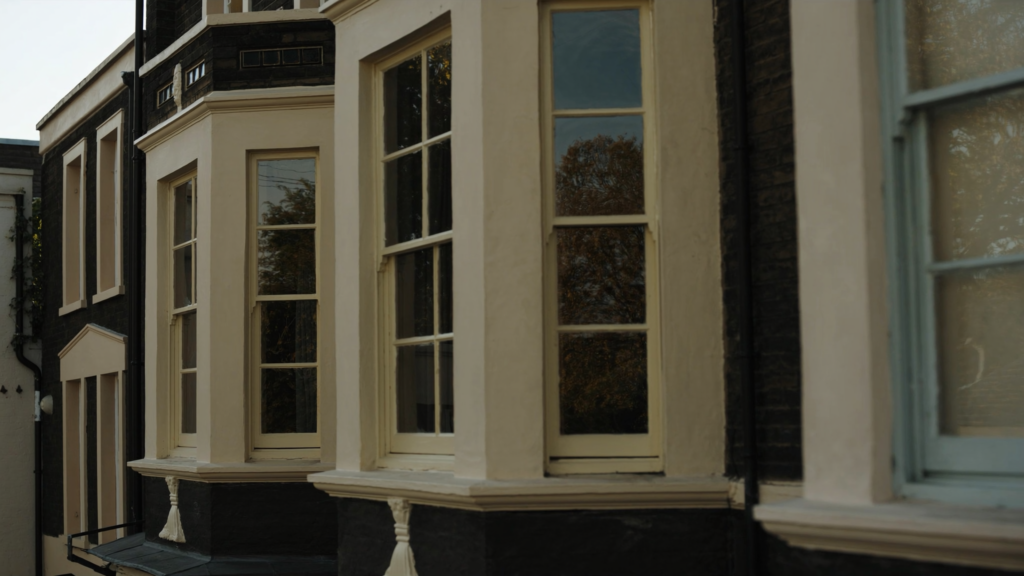
- Pre-1919 Victorian and Edwardian terraces, Often have timber sash windows and thinner wall reveals. Replacing these can be complex, particularly if you’re near the town conservation area. Specialist slim-profile double glazing units exist specifically for these properties.
- 1930s to 1950s semis, Typically steel or timber Crittall-style frames. Steel frames can be thermally inefficient and tricky to replace without significant structural work. Budget accordingly.
- 1960s to 1980s estates, Found heavily in areas like Pewsham and Cepen Park North. Often aluminium or early uPVC frames that are original equipment. These are the easiest and most cost-effective to upgrade and are where you’ll find the best return on investment.
- Modern developments (post-2000), Normally already double or triple glazed. If you’re on a newer estate off the A350 corridor, check your current glazing spec before spending money, you may already have decent units that just need resealing.
How Much Double Glazing Costs in Chippenham and the South West Area in 2026
Let’s cut to the figures you actually need. Prices in Chippenham sit broadly in line with the wider South West average, but you’ll typically pay slightly less than in Bath (19km away) where labour rates are higher, and slightly more than in Devizes or Trowbridge where competition is fierce and overheads are lower.
| Property Type | Number of Windows | Standard uPVC Double Glazing | Premium uPVC or Timber Effect | Triple Glazing Upgrade |
|---|---|---|---|---|
| Mid-terrace (2-bed) | 5–6 windows | £3,200–£4,500 | £4,800–£6,200 | £5,500–£7,500 |
| Semi-detached (3-bed) | 7–9 windows | £4,500–£6,500 | £6,500–£8,500 | £7,500–£10,500 |
| Detached (4-bed) | 10–14 windows | £6,500–£9,500 | £9,000–£13,000 | £11,000–£16,000 |
| Single window replacement | 1 window | £450–£750 | £650–£1,100 | £800–£1,400 |
| Front door (composite) | 1 door | £900–£1,400 | £1,400–£2,200 | N/A |
These figures include supply, fitting, and waste removal. They do not include scaffolding, which you may need for first-floor rear windows on older semis with limited rear access, budget an extra £300–£600 if that applies to you.
One factor that nudges Chippenham prices slightly above some neighbouring towns is that many installers covering the area also serve Bath, Corsham, and Calne, towns where job complexity and customer expectations push average prices up. That trickles through to your quote. Get at least three local quotes and you’ll quickly see where the market sits.
How Chippenham’s Weather and Location Affect Your Double Glazing Choices
Here’s the good news, Chippenham is genuinely one of the more favourable locations in England for a balanced glazing decision. You’re inland, sheltered from the worst coastal storms, and you benefit from some of the best solar irradiance in the UK at around 1,100–1,200 kWh per square metre per year. That’s not trivial when choosing glazing.
South and south-west facing windows on your property are solar assets. Modern double glazing with a high Solar Heat Gain Coefficient (SHGC) on those elevations can passively warm your living areas on winter days, Chippenham gets enough winter sun for this to genuinely matter. Don’t default to low-SHGC units on every window out of habit; it can actually work against you on the south-facing side of a home.
The Wiltshire Damp Factor
Chippenham’s annual rainfall sits in the 750–900mm range, not extreme, but consistent. The Avon valley creates pockets of morning mist and elevated humidity through autumn and winter. This means your glazing seals and frame materials need to handle sustained damp conditions. Cheap uPVC with poor drainage channels will show it within a few years. Look for frames with internal drainage slots and ask your installer specifically about seal longevity in damp environments.
North-facing rooms, often the kitchen or back bedroom on a typical Chippenham terrace, deserve particular attention. These get the least benefit from solar gain and the most exposure to cold damp air. A higher-specification unit here, even if you go standard elsewhere, is a smart investment.
The Products and Options That Work Best Here
Based on Chippenham’s climate profile and dominant housing stock, here’s what actually performs well rather than what simply looks good on a brochure:
For Most Chippenham Homes
- A-rated uPVC double glazing with argon fill, This is the sweet spot for 1960s–1990s properties. U-value of 1.2 W/m²K or better. Look for units certified to BS EN 1279. Not glamorous, but outstandingly cost-effective.
- Warm-edge spacer bars, A detail that makes a real difference. Warm-edge spacers reduce condensation at the glass edge and improve the overall thermal performance. Any reputable installer in the Chippenham area should offer these as standard, if they don’t, ask why.
- Low-E glass coating, Essential. Low-emissivity coating reflects heat back into your room. It should be standard on any modern double-glazed unit, confirm it’s included, not an add-on.
For Victorian and Edwardian Terraces
- Slim-profile double glazing, Built to mimic the look of original single-glazed sash windows while delivering modern thermal performance. Critical if you’re near a conservation area or in a property with narrow window reveals.
- Timber or timber-effect frames, Authentic on older properties and often a planning requirement in certain streets near the town centre. Modern engineered timber frames perform well in Wiltshire’s damp conditions if properly maintained.
Is Triple Glazing Worth It in Chippenham
Triple glazing makes most sense in very cold climates or properties with high noise exposure. In Chippenham’s relatively mild climate (1,200–1,500 heating degree days per year), the extra cost of triple glazing rarely pays back in energy savings alone. The exception is if you live near the A350 or close to the railway line, the acoustic benefits can genuinely improve quality of life and potentially add to your home’s value.
How to Find a Trustworthy Double Glazing Installer Near Chippenham
The Chippenham and North Wiltshire area is reasonably well served by glazing installers, with many operating across the cluster of nearby towns, Corsham, Devizes, Trowbridge, and Bath. That’s broadly good news for you, as it means competition and choice. But it also means you’ll encounter a mix of quality.
Certifications That Actually Matter
- FENSA registration, This is non-negotiable for window and door installations in England. FENSA installers are authorised to self-certify that your new glazing meets Building Regulations, saving you the cost and hassle of a council inspection. Always check the FENSA register at fensa.org.uk before signing anything.
- TrustMark accreditation, The government-endorsed quality scheme. TrustMark installers have been audited for trading standards, technical competence, and customer care. Particularly important if you’re accessing any funded schemes.
- GGF membership, The Glass and Glazing Federation sets technical and ethical standards. Members have access to a deposit indemnity scheme, which matters if you’re paying a deposit upfront.
Questions Worth Asking Every Installer
- Are you FENSA registered and will you provide a FENSA certificate on completion
- What U-value will the finished installation achieve
- What spacer bar system do you use and is warm-edge standard
- What is included in your guarantee and is it backed by an insurance-backed warranty
- Can you show me recent work on similar properties in the Chippenham area
Red Flags to Watch Out For
Be cautious of quotes that arrive without a home survey, high-pressure “today only” pricing tactics, and installers who can’t produce a FENSA registration number on the spot. Lead times in the South West currently sit at around 4–8 weeks for most standard installations, anyone promising much faster than that without explanation deserves a follow-up question.
Grants and Funding That Could Reduce Your Costs in 2026
Double glazing sits in a slightly complicated space for grants, it’s rarely the headline item of a funding scheme but often qualifies as part of a broader home improvement package. Here’s what’s available to Chippenham residents right now.
ECO4 (Energy Company Obligation)
The ECO4 scheme funds energy efficiency improvements for households on qualifying benefits or with a low EPC rating. Double glazing is an eligible measure under ECO4, typically funded when combined with other improvements like insulation or heating upgrades. Eligibility is means-tested, you’ll need to be receiving qualifying benefits such as Universal Credit, Pension Credit, or similar. Contact Wiltshire Council’s housing team or an ECO4-approved installer for an assessment.
Great British Insulation Scheme (GBIS)
GBIS targets single-measure improvements for homes in EPC Bands D to G. If your Chippenham home is still sitting at Band D (and some are, particularly older Victorian terraces), you may qualify for subsidised glazing through this route. The scheme is administered through energy suppliers, so contact yours directly to check eligibility.
Wiltshire Council Local Support
Wiltshire Council periodically offers Warm Homes funding for low-income and vulnerable households, often in partnership with national schemes. It’s worth checking with the council directly as these local top-up schemes vary year to year and eligibility windows open and close. The council’s housing team can point you toward whatever is currently active.
Insider tip, even if you don’t qualify for direct glazing grants, getting your windows upgraded as part of a broader retrofit package (combined with loft insulation or cavity wall insulation) can unlock additional funding that wouldn’t be available for glazing alone. An independent energy assessor can map this out for your specific property.
Planning Permission and Regulations in Chippenham
For most Chippenham homeowners, double glazing falls comfortably under permitted development rights, meaning you don’t need planning permission. This applies to the majority of semi-detached and terraced homes across areas like Pewsham, Cepen Park, and Monkton Park.
However, there are important exceptions that trip up more homeowners in Chippenham than you might expect.
Chippenham Conservation Areas
Chippenham has a designated town centre conservation area covering parts of the historic core near the Buttercross and the older streets leading toward the Avon. If your property falls within this boundary, you’ll almost certainly need to submit a planning application before replacing windows. The requirement typically specifies that replacements must match the original style, material, and profile, which often means traditional timber sash units rather than modern uPVC.
Wiltshire Council is the local planning authority, and their planning portal allows you to check conservation area boundaries before committing to anything. Don’t assume you’re outside the boundary, check first. A rejected installation after fitting is an expensive problem.
Listed Buildings
Listed building consent is required for any alterations to a listed property, and window replacement almost always requires it. Chippenham has a number of listed properties, particularly around the older streets and the Market Place area. If there’s any chance your property is listed, verify