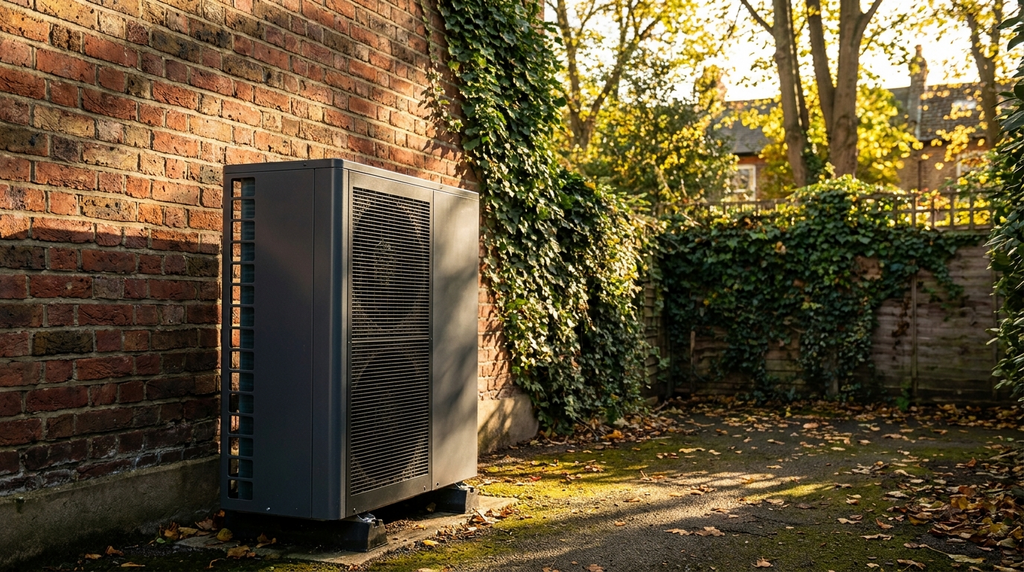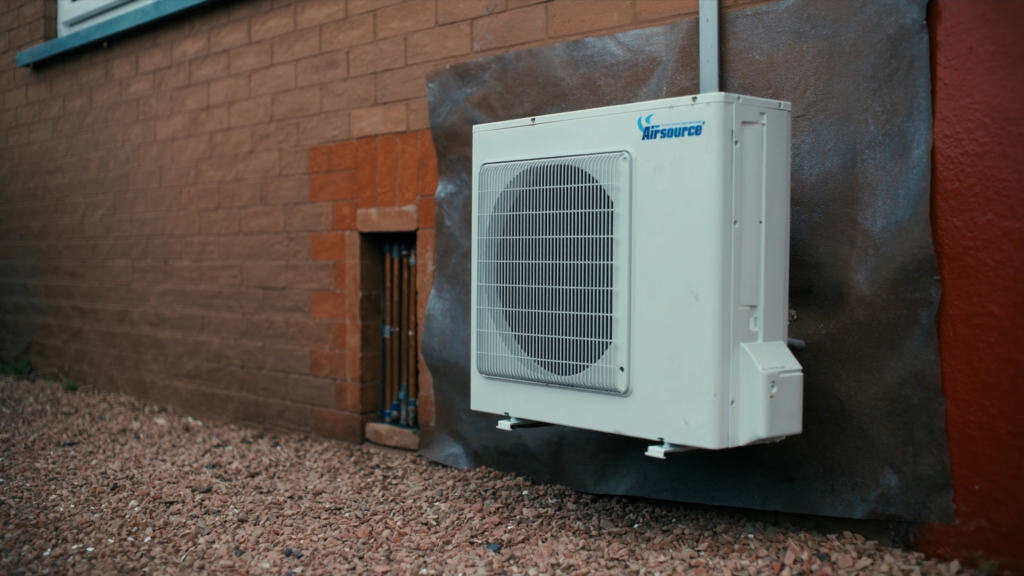
You notice your heat pump outdoor unit is covered in frost or ice. Your first instinct might be to panic, but a layer of frost on the coil in winter is often a sign the system is working correctly.
A frozen outdoor heat pump unit is usually a normal defrost cycle, not a fault. Frost clears automatically within 5–15 minutes. If ice lasts over 30 minutes or forms in mild weather above 5°C, a fault is likely and you should call an engineer.
- Normal frost clears automatically within 5–15 minutes.
- Ice lasting over 30 minutes signals a potential fault.
- Steam or hissing during defrost is normal, not a problem.
- Check for ice in mild weather above 5°C as a warning sign.
- Call an MCS-certified engineer if ice persists or thickens.
- A frozen outdoor heat pump unit is often a normal defrost cycle, not a fault
- How a heat pump defrost cycle works and what it looks like
- Quick numbers normal vs problem ice on your outdoor unit
- The direct answer what to do when your heat pump outdoor unit is frozen
- Eligibility and certification who you should call for a frozen unit repair
- What causes a heat pump outdoor unit to freeze up in the first place
- Can you prevent your heat pump outdoor unit from freezing
- When to replace vs repair a heat pump that keeps freezing
In most cases, a frozen outdoor unit is the result of a normal defrost cycle that clears automatically. If the ice persists for more than 30 minutes or forms in mild weather, a fault is likely present.
A frozen outdoor heat pump unit is often a normal defrost cycle, not a fault
In winter, outdoor heat pump units regularly form frost on the coil as they extract heat from cold air. The unit clears this frost automatically by reversing the refrigerant flow in a defrost cycle. The Energy Saving Trust notes that modern heat pumps are built to operate efficiently in UK winter temperatures, with defrost cycles lasting 5–15 minutes (Energy Saving Trust, 2026). A frozen unit that stays iced up for longer than 30 minutes, or that forms ice in mild weather (above 5°C), signals a potential problem. This article explains how to distinguish a normal defrost cycle from a fault, and what to do if your unit is genuinely freezing up.
How a heat pump defrost cycle works and what it looks like
During a defrost cycle, the heat pump briefly switches to cooling mode, sending warm refrigerant to the outdoor coil to melt frost. You may see steam or vapour rising from the unit, hear a hissing or gurgling sound, or notice water dripping from the base. The cycle typically runs for 5–15 minutes, after which the unit returns to heating mode. The Energy Saving Trust’s 2026 update to its heat pump beginner’s guide describes this operation and typical duration in detail (Energy Saving Trust, 2026).
Quick numbers normal vs problem ice on your outdoor unit
| Symptom | What it means |
|---|---|
| Thin frost layer, clears within 15 minutes, no water pooling | Normal defrost cycle, no action needed |
| Thick ice (over 5 cm), remains for 30+ minutes | Possible defrost system fault |
| Ice only on the bottom of the coil, water pool underneath | Normal condensation freezing, check drainage |
| Ice on the top or sides of the unit, fan not spinning | Fan motor or control board issue |
| Ice in ambient temperatures above 5°C | Likely refrigerant leak or sensor error |
Data on frost formation thresholds comes from DESNZ’s “Heat pump performance in UK winter conditions” report (2026) and defrost cycle specifications from Ofgem’s “Heat pump technical standards” (2026). The MCS 022 standard also sets defrost cycle testing criteria (MCS, 2026).
The direct answer what to do when your heat pump outdoor unit is frozen
If the unit is actively defrosting (steam, dripping water, running for under 15 minutes), leave it alone. Do not try to manually remove the ice. If the unit stays frozen for over 30 minutes, turn off the heat pump at the isolator switch, wait 1 hour, then turn it back on to see if the defrost cycle resets. If ice remains after the reset, do not pour hot water on the unit or chip ice off, this can damage the coil or fan blades. Call an MCS-certified installer for a service visit; do not attempt DIY repairs on sealed refrigerant circuits. The MCS 022 standard (2026) covers defrost cycle testing, and the Energy Saving Trust’s “Heat pump troubleshooting” guide (2026) recommends these specific homeowner actions (Energy Saving Trust, 2026).
Eligibility and certification who you should call for a frozen unit repair
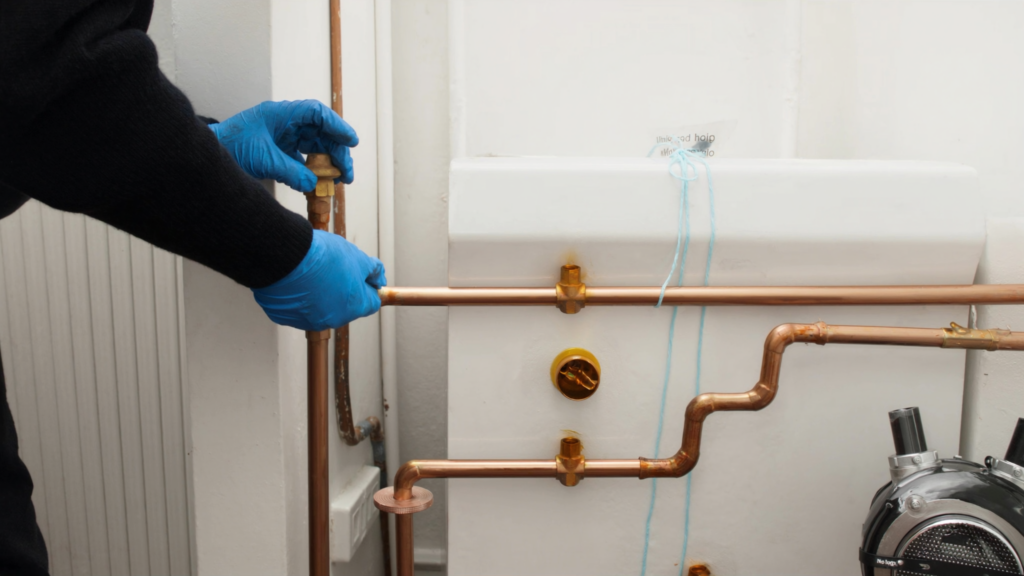
Only use an installer registered with the Microgeneration Certification Scheme (MCS) for heat pump servicing and repairs. Check the installer’s MCS certificate number on the MCS Register at mcscertified.com before booking. For electrical faults (fan not spinning, control board issues), the engineer must also be NICEIC or NAPIT registered for electrical work. If the installer suspects a refrigerant leak, they must hold an F-Gas Handling Certificate, do not accept a repair from anyone without this. The MCS Register provides an installer lookup (2026), and GOV.UK details F-Gas regulations for heat pumps (2026) (GOV.UK, 2026). NICEIC also publishes heat pump installation standards (2026). how to find an MCS certified heat pump installer
What causes a heat pump outdoor unit to freeze up in the first place
Inadequate airflow is the most common cause. Blocked fins, debris, or snow piled against the unit reduces coil temperature, causing ice to form faster than the defrost cycle can clear it. A refrigerant leak is another frequent issue, low refrigerant levels cause the coil to run too cold, leading to thick ice that does not melt during defrost cycles. Defrost sensor failure means the temperature sensor that triggers the defrost cycle may be faulty, so ice builds up without the cycle activating. Drainage blockage also plays a role, melted water from the defrost cycle must drain away; if the drain hole or pipe is blocked, water refreezes on the coil. DESNZ’s “Heat pump fault analysis report” (2026) provides data on these common failure modes, and the MCS 022 standard specifies defrost sensor requirements (MCS, 2026).
Can you prevent your heat pump outdoor unit from freezing
Keep the outdoor unit clear of leaves, snow, and debris. Maintain at least 30 cm clearance on all sides, per MCS installation guidelines. Ensure the unit is mounted on a stand or plinth at least 15 cm above ground level to allow drainage and reduce snow accumulation. Do not cover the unit with a tarp or blanket, this restricts airflow and traps moisture, making frost worse. For units in exposed locations, a windbreak (e.g., a fence or hedge) can reduce cold airflow over the coil, but must not block the unit’s intake or exhaust. The MCS 022 standard (2026) details clearance and mounting requirements, and the Energy Saving Trust’s “Heat pump winter maintenance” guide (2026) offers further prevention advice (Energy Saving Trust, 2026). heat pump winter maintenance checklist
When to replace vs repair a heat pump that keeps freezing
A single frozen-unit incident is usually repairable. Sensor replacement, debris clearance, or a refrigerant top-up typically costs £150–£500 depending on the fault. Repeat freezing (three or more times in a winter) may indicate a design flaw or undersized unit, replacement may be more cost-effective than repeated repairs. If the heat pump is over 10 years old and has a history of faults, replacement with a modern model (which has improved defrost cycle controls) is often recommended. DESNZ’s “Heat pump cost-benefit analysis” (2026) provides repair versus replacement cost thresholds, and Ofgem’s “Heat pump lifetime data” (2026) covers average lifespan and fault frequency (Ofgem, 2026).
Frequently Asked Questions
Yes, a thin layer of frost on the coil in winter is normal and part of the defrost cycle. The Energy Saving Trust confirms that modern heat pumps clear this automatically within 5–15 minutes.
A typical defrost cycle lasts 5–15 minutes, according to the Energy Saving Trust's 2026 heat pump guide. If ice remains for over 30 minutes, a fault is likely.
In cold weather, frost forms on the outdoor coil as the heat pump extracts heat from the air. The defrost cycle clears it. Persistent ice can mean a faulty defrost system, low refrigerant, or blocked airflow.
No, do not turn it off unless ice persists for over 30 minutes or forms in mild weather above 5°C. In that case, switch off the system and contact an MCS-certified engineer.
Ensure good airflow by keeping the outdoor unit clear of debris, snow, and vegetation. Regular servicing by an MCS-certified engineer can prevent defrost system faults.