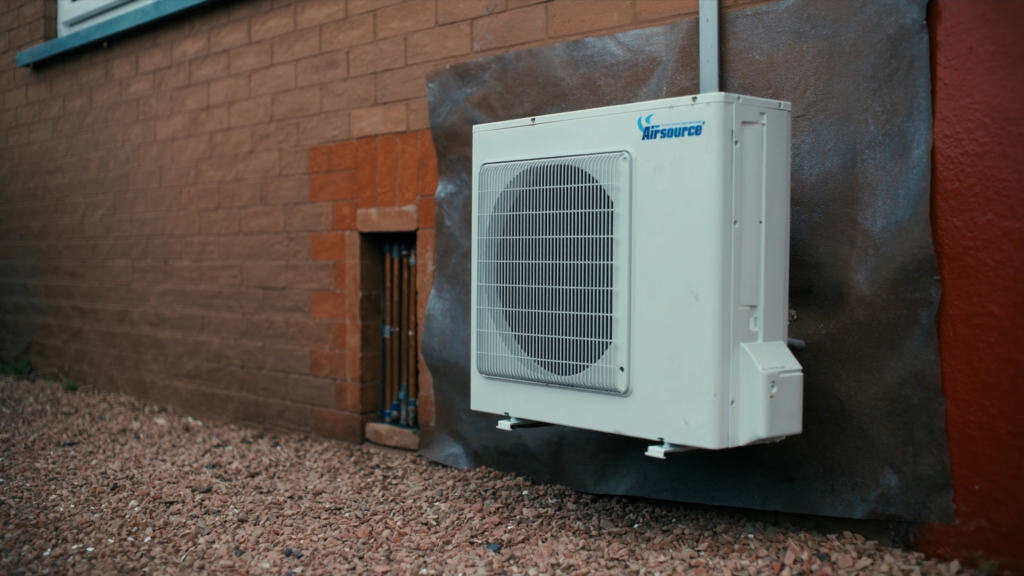
The most common cause of a strange noise from a heat pump is a routine issue, not a major failure
Hearing an unfamiliar sound from your heat pump can be worrying. Many homeowners assume the worst and fear an expensive repair bill.
Most heat pump strange noises are routine, not major failures. Gurgling often means trapped air, clicking is thermal expansion, and hissing can be normal defrost cycles. Check your manual before calling a technician.
- Most strange noises are routine, not major failures.
- Gurgling or bubbling often means trapped air in the system.
- Clicking sounds during cycles are usually thermal expansion.
- Check manufacturer manual before calling a technician.
- Persistent noises after 24 hours may need professional inspection.
- The most common cause of a strange noise from a heat pump is a routine issue, not a major failure
- Gurgling or bubbling noises usually mean trapped air in the system
- Clicking or clanking sounds often point to loose components or expansion
- Hissing or whistling noises indicate a refrigerant leak or blocked airflow
- Quick numbers common noise types, likely causes, and typical resolution costs
- A grinding or rattling sound from the outdoor unit signals a mechanical problem that needs immediate attention
- How to verify your installer and check if your heat pump is correctly certified
- The direct answer to "heat pump strange noises", what to do first
The majority of strange noises from a heat pump are caused by normal operation, minor debris, or simple settings adjustments, not a broken compressor or major mechanical failure. A sudden or unfamiliar sound should be investigated promptly, but most cases are resolved without a costly repair. The first step is always to check your manufacturer’s manual for guidance on expected operational sounds, as many models are built to make specific noises during defrost cycles or compressor ramp-up (Energy Saving Trust, 2026).
Gurgling or bubbling noises usually mean trapped air in the system
Gurgling or bubbling sounds from your heat pump typically indicate air trapped in the refrigerant or water circuit. As the system circulates fluid, pockets of air create these audible noises.
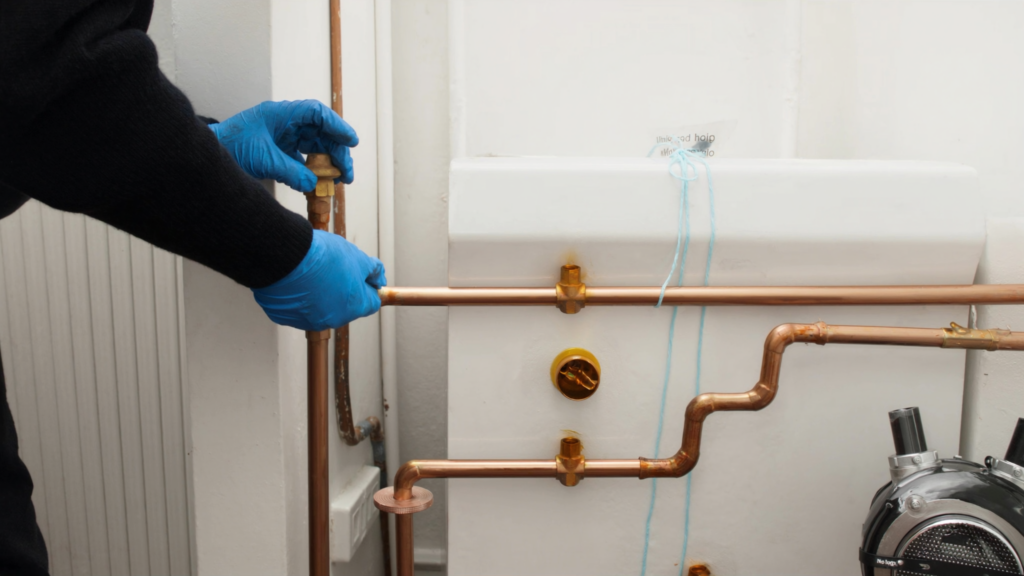
This is common after a new installation or following a service, and it often resolves on its own as the system runs a self-purge cycle. Many modern heat pumps include an automatic air vent that releases trapped air without homeowner action. If the noise persists for more than 24 hours, you may need to manually bleed the system. Some units have a manual bleed valve on the indoor unit or pipework that can be opened with a small screwdriver or Allen key, following the manufacturer’s instructions.
If bleeding does not stop the gurgling, it may indicate a low refrigerant charge. This requires a certified technician to check and top up the refrigerant, as incorrect levels reduce efficiency and can damage the compressor (MCS, 2026).
Clicking or clanking sounds often point to loose components or expansion
Clicking or clanking noises during heating and cooling cycles are often caused by thermal expansion. As metal pipes, brackets, and casing heat up or cool down, they expand and contract, producing audible clicks.
This is normal and usually nothing to worry about. However, if the sound is loud or repetitive, check for loose mounting brackets, panels, or pipe clips. These can often be tightened by a homeowner using basic tools such as a screwdriver or spanner. Simply securing a loose panel or tightening a pipe clip can eliminate the noise entirely.
Persistent clicking from the compressor area may indicate a failing start capacitor or relay. These electrical components can wear over time and produce a clicking sound as they struggle to engage the compressor. This requires an MCS-registered engineer to diagnose and replace the faulty part (MCS 020 standard, 2026).
Hissing or whistling noises indicate a refrigerant leak or blocked airflow
A hissing sound from the outdoor unit often signals a refrigerant leak. This is a serious issue because refrigerant is essential for heat transfer, and a leak reduces system efficiency and can eventually stop the heat pump from working.
A refrigerant leak must be repaired by a certified F-Gas registered engineer. It is not a DIY fix, as handling refrigerant requires specialist training and equipment under UK law (GOV.UK F-Gas regulations, 2026). If you hear hissing, turn off the heat pump and contact your installer immediately.
Whistling from vents or ducts indoors points to a blocked air filter, a closed register, or undersized ductwork. Check your indoor unit’s air filter and replace it if dirty. A simple filter change can resolve whistling and improve airflow, boosting system efficiency (Energy Saving Trust, 2026).
Quick numbers common noise types, likely causes, and typical resolution costs
| Noise Type | Likely Cause | Typical Resolution | Estimated Cost (2026) |
|---|---|---|---|
| Gurgling/bubbling | Trapped air | Bleed system or run purge cycle | £0–£150 (if engineer needed) |
| Clicking/clanking | Thermal expansion or loose parts | Tighten brackets or pipe clips | £0–£100 |
| Hissing/whistling | Refrigerant leak or blocked filter | Repair leak or replace filter | £150–£500 (leak repair) |
| Grinding/rattling | Debris in fan or worn bearings | Clean debris or replace fan motor | £100–£400 |
Costs are based on published industry data from the Energy Saving Trust and MCS service pricing benchmarks (Energy Saving Trust, 2026). Actual costs vary by location, system type, and engineer rates.
A grinding or rattling sound from the outdoor unit signals a mechanical problem that needs immediate attention
Grinding noises from the outdoor unit often come from the fan motor bearings or the compressor. These sounds indicate wear or a failing part that will worsen over time.
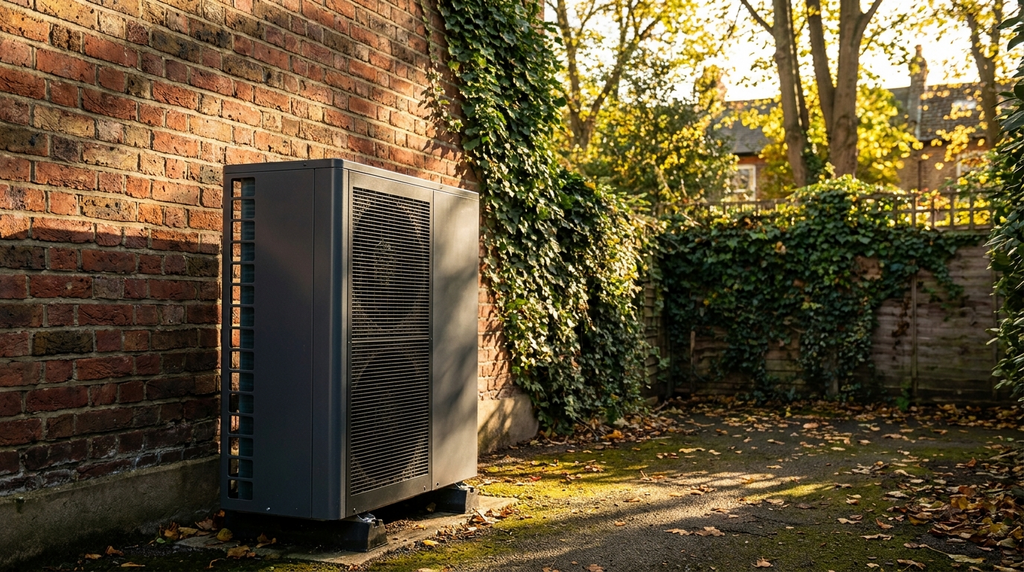
Rattling is frequently caused by debris such as leaves, twigs, or small stones caught in the fan blades. Turn off the heat pump at the isolator switch, wait for the fan to stop completely, and inspect the unit. Clear away any visible debris carefully by hand or with a soft brush.
If the noise persists after cleaning, the fan motor or compressor may need replacement. This is typically a warranty claim if the system is under manufacturer warranty, or an insurance claim if covered by your home insurance policy. Contact your MCS-certified installer to arrange an inspection (MCS, 2026).
How to verify your installer and check if your heat pump is correctly certified
Always use an MCS-certified installer for heat pump installation and major repairs. You can check the MCS register at mcsregister.com to confirm your installer is accredited (GOV.UK, 2026).
For refrigerant work, the engineer must hold a valid F-Gas certificate. Ask to see it before work begins. This is a legal requirement under UK F-Gas regulations (GOV.UK, 2026).
TrustMark registration provides additional consumer protection for installation quality. Check that your installer is registered with TrustMark, which ensures they meet government-endorsed standards for workmanship and customer service (TrustMark, 2026).
heat pump maintenance checklist for homeowners
What to do first
Turn off the heat pump at the isolator switch, wait 10 minutes, and restart it to see if the noise clears. This simple reset can resolve many transient sounds caused by normal system cycling.
Check the outdoor unit for visible debris such as leaves, twigs, or grass clippings and clear it away. Inspect indoor air filters and replace them if dirty; a blocked filter can cause whistling or airflow noise.
If the noise persists or is grinding, hissing, or accompanied by a loss of heating performance, contact your MCS-certified installer or a registered heating engineer. Do not attempt to repair refrigerant leaks or compressor issues yourself (Energy Saving Trust, 2026).
heat pump warranty and insurance claims guide
Frequently Asked Questions
A gurgling or bubbling noise usually means trapped air in the refrigerant or water circuit. According to the Energy Saving Trust, this is common after installation or service and often clears with a self-purge cycle.
Clicking or clanking noises are often caused by thermal expansion of metal pipes and components during heating or cooling cycles. The MCS states this is normal and usually not a sign of failure.
No, most strange noises are routine issues like trapped air or thermal expansion, not major failures. The Energy Saving Trust recommends checking your manual first before calling a technician.
A banging noise may indicate loose components or debris in the fan. Check for visible obstructions and tighten any loose screws or brackets. If it persists, contact an MCS-certified technician.
Yes, many heat pumps make specific noises during defrost cycles, such as hissing or gurgling. The Energy Saving Trust confirms this is normal operation and not a cause for concern.