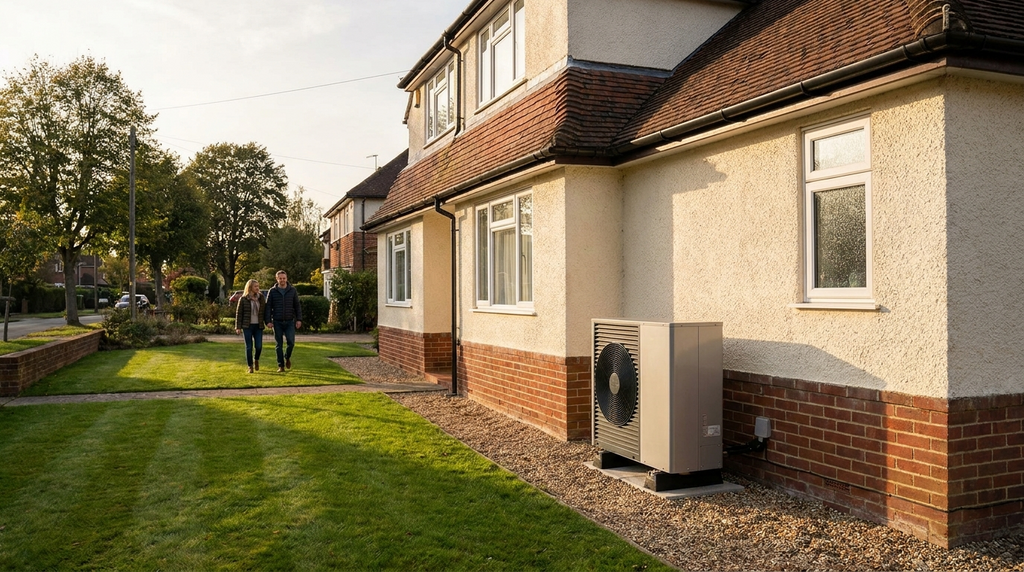
High temperature heat pumps deliver the flow temperatures older radiators need
Standard heat pumps typically supply flow water at 35–45°C, which works best with large radiators or underfloor heating. High temperature heat pumps can output flow temperatures of 60–80°C, matching the range of a gas or oil boiler. This means you can often keep existing radiators, pipework, and wall-mounted panels without replacing them (Energy Saving Trust, 2026).
The key difference is the refrigerant and compressor technology. Standard heat pumps use lower-pressure refrigerants that lose efficiency above 50°C. High temperature models use a two-stage compressor or a different refrigerant blend to reach boiler-like temperatures. This makes them a direct swap for a gas boiler in homes where upgrading radiators would be impractical or expensive.
A high temperature heat pump costs roughly £12,000–£16,000 fully installed in the UK
The Heat Pump Association (HPA) 2025/26 market report gives the median installed cost for a high temperature model as £14,500 (Heat Pump Association, 2026). Costs vary by property size, brand (e.g., Mitsubishi Ecodan, Vaillant aroTHERM plus), and whether you need a hot water cylinder upgrade. The BUS (Boiler Upgrade Scheme) grant of £7,500 applies to high temperature heat pumps, reducing the net cost to £5,000–£8,500 (DESNZ, 2026).
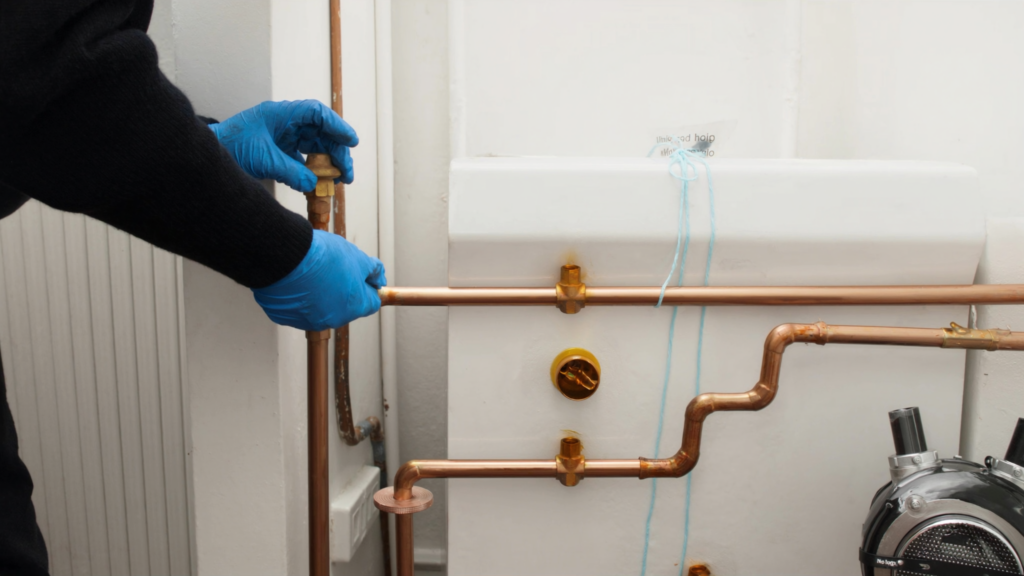
Installation includes the outdoor unit, indoor unit (if separate), a hot water cylinder (if you don’t already have one), and connection to your existing radiators. If your current cylinder is old or undersized, expect an extra £800–£1,500 for a replacement unvented cylinder. Always get at least three itemised quotes from MCS-certified installers before committing.
Running costs are 10–20% higher than a standard heat pump but still lower than a gas boiler
A high temperature heat pump has a lower Coefficient of Performance (COP) at higher flow temperatures – typically COP 2.8–3.5 vs 3.5–4.5 for a standard model. The COP is the ratio of heat output to electricity input, so a COP of 3.0 means you get 3 kWh of heat for every 1 kWh of electricity used. Ofgem’s 2026 typical domestic consumption figures show gas at 10.3p/kWh and electricity at 24.5p/kWh (Ofgem, 2026). Even with a COP of 3.0, the heat pump costs about 8.2p/kWh of heat, compared to 10.3p for gas.
Annual savings vs a gas boiler: roughly £150–£250 for a typical 3-bed semi, depending on insulation and usage (Energy Saving Trust, 2026). The running cost advantage shrinks if your home is poorly insulated, because the heat pump runs for longer hours to maintain temperature. On the other hand, if you have solar panels, you can offset some of the electricity use during sunny winter days.
Quick numbers cost, savings, and payback at a glance
| Item | Value | Source |
|---|---|---|
| Installed cost (before grant) | £14,500 | HPA median |
| Boiler Upgrade Scheme grant | £7,500 | DESNZ |
| Net cost after grant | £7,000 | Calculation |
| Annual heating cost (gas boiler) | £1,200 | Ofgem typical use 2026 |
| Annual heating cost (HT heat pump) | £950 | EST calculator |
| Annual savings vs gas | £250 | Difference |
| Simple payback (net cost / savings) | 28 years | Calculation |
| Payback with solar PV offset | 18–22 years | EST estimate |
All figures from Ofgem, HPA, DESNZ, and EST as cited. heat pump running costs explained
The payback period is long, so high temperature heat pumps suit homes that cannot upgrade radiators
A simple payback of 28 years exceeds the typical 15–20 year lifespan of the heat pump itself. The financial case improves if you also install solar PV or a battery to offset higher electricity use during winter. The real value is avoiding the cost and disruption of replacing all radiators, which can add £3,000–£6,000 to a standard heat pump installation (Energy Saving Trust, 2026).
If you have a large house with 20+ radiators, the saving on radiator replacement alone can make the high temperature option cheaper overall. The same applies if your radiators are in good condition and you have no plans to redecorate. For smaller homes where radiator replacement is cheaper, a standard heat pump with new radiators may offer a faster payback.
You need an MCS-certified installer and a property that meets minimum energy efficiency standards
The Boiler Upgrade Scheme requires the installer to be MCS (Microgeneration Certification Scheme) certified and the heat pump to be on the MCS product database (MCS, 2026). For high temperature models, the installer must also demonstrate the system can achieve a Seasonal Coefficient of Performance (SCOP) of at least 2.8 (DESNZ eligibility criteria). Your home should have at least 100mm of loft insulation and cavity wall insulation (if applicable) to qualify for the grant (DESNZ, 2026).
The SCOP is the average COP over a whole heating season, so it accounts for colder days when the heat pump works harder. If your home loses heat quickly, the SCOP will drop below 2.8 and you won’t qualify for the grant. A pre-installation survey by the installer will check your insulation levels and calculate the expected SCOP.
High temperature heat pumps are the direct answer for homes with standard radiators and no space for upgrades
If you have a gas boiler and 60–80°C radiators, a high temperature heat pump lets you switch to a heat pump without replacing every radiator. This is the featured-snippet answer: a high temperature heat pump in the UK is a heat pump built to deliver flow temperatures of 60–80°C, compatible with existing radiator systems, and eligible for the £7,500 Boiler Upgrade Scheme grant. It costs £12,000–£16,000 installed, saves £150–£250 per year on heating, but has a payback of 25+ years unless you also add solar PV (Energy Saving Trust, 2026; DESNZ, 2026).
The decision comes down to your property’s existing heating system and your budget for disruption. If you have modern radiators that are already sized for lower temperatures, a standard heat pump may be cheaper. If your radiators are original or oversized for a boiler, the high temperature option avoids a costly refit. heat pump vs gas boiler running cost comparison
Certification and installer verification for high temperature heat pumps
Installer must hold MCS certification (check the MCS register at mcscertified.com). The heat pump model must be on the MCS product directory (MCS, 2026). For electrical work, the installer should be registered with NICEIC or NAPIT for Part P compliance (NICEIC, 2026). If the system includes a hot water cylinder upgrade, check the installer is Gas Safe registered (for gas backup) or a competent person for unvented cylinders (Gas Safe Register, 2026).
Never pay a deposit before seeing the installer’s MCS certificate and verifying the heat pump model on the MCS database. The BUS grant is paid directly to the installer, not to you, so you need a signed agreement that the grant will be deducted from the final invoice. If the installer asks for full payment upfront, find a different company. how to choose a heat pump installer
Frequently Asked Questions
A high temperature heat pump costs £12,000–£16,000 fully installed, according to the Heat Pump Association 2025/26 market report. The Boiler Upgrade Scheme grant of £7,500 reduces the net cost to £5,000–£8,500 (DESNZ, 2026).
Yes, high temperature heat pumps deliver flow temperatures of 60–80°C, matching gas or oil boilers. This means you can keep existing radiators and pipework without upgrading them (Energy Saving Trust, 2026).
Yes, running costs are 10–20% higher than a standard heat pump due to a lower COP (2.8–3.5 vs 3.5–4.5). However, they remain cheaper to run than a gas boiler (Energy Saving Trust, 2026).
Yes, the Boiler Upgrade Scheme applies to high temperature heat pumps, offering a £7,500 grant (DESNZ, 2026). This brings the net installed cost down to £5,000–£8,500.
Popular brands include Mitsubishi Ecodan and Vaillant aroTHERM plus. Both offer high temperature models suitable for replacing gas or oil boilers in UK homes (Heat Pump Association, 2026).