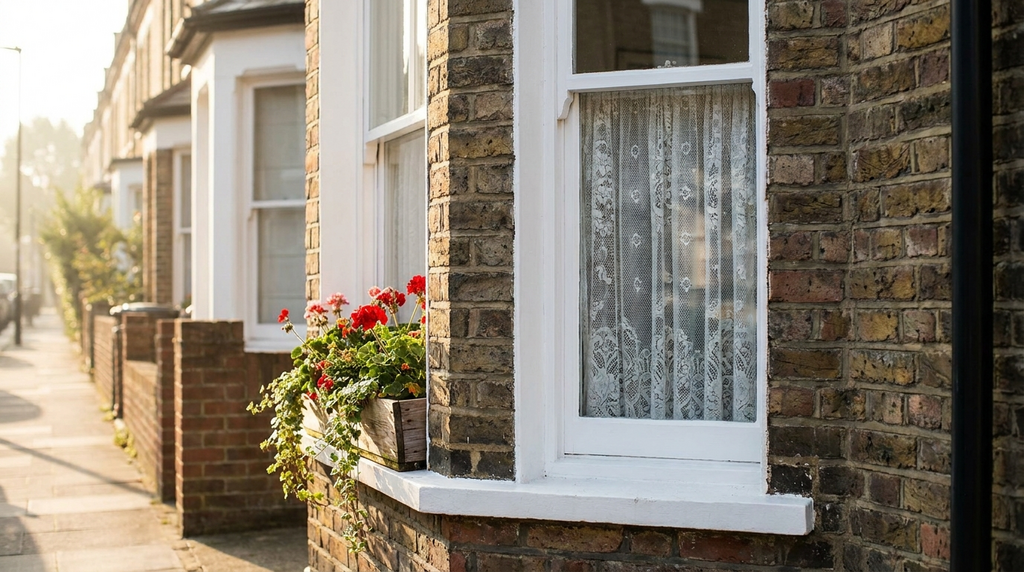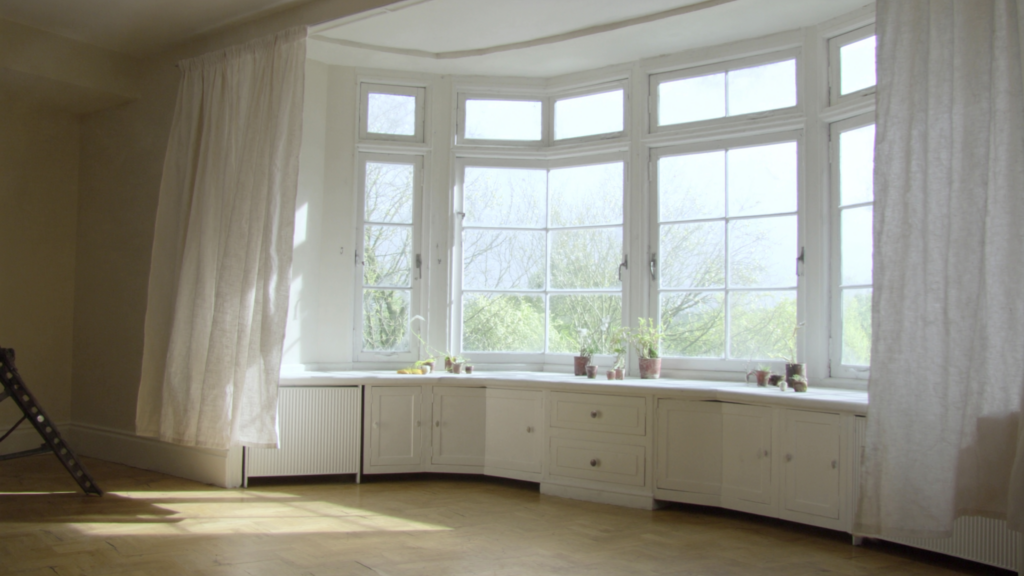
The most practical answer for UK homeowners is that glass windows and doors should be cleaned at least every six months, though many choose quarterly cleaning to maintain clarity and prevent long-term damage (GOV.UK, 2026). This frequency balances effort with the typical rate of dirt, pollen, and salt buildup in British weather.
How often you clean depends heavily on your home’s location and exposure. Properties near busy roads, coastal areas, or farmland may need cleaning every two to three months due to higher levels of grime and salt spray. South-facing windows also accumulate more dirt from sunlight and rain. Conversely, north-facing or sheltered windows can stretch to yearly cleaning if you are not concerned about cosmetic appearance.
Standard residential cleaning schedule
For most UK homes, cleaning all glass windows and doors twice a year is sufficient to keep them looking good and functioning properly. The Energy Saving Trust notes that clean windows allow more natural light in, which can reduce the need for artificial lighting during winter months (Energy Saving Trust, 2026). Spring and autumn are ideal times because temperatures are moderate and daylight hours are long enough for the glass to dry without streaking. If you notice visible dirt or water stains between these cleanings, a quick wipe with a microfibre cloth and warm water is enough.
Coastal and high-exposure properties
Homes within one mile of the coast often face salt spray that can etch glass if left for months. In these areas, cleaning every two to three months is recommended to prevent permanent damage. The Building Regulations Approved Document L advises that windows and doors should be maintained to preserve their thermal performance, and dirty glass can reduce solar gain in winter (GOV.UK, 2026). Similarly, properties near busy roads or farms may need more frequent cleaning due to dust, diesel particles, or bird droppings that can corrode frames.
Commercial and high-traffic doors
Glass doors in high-traffic areas, such as patio doors or entrance doors used daily, should be cleaned more often than windows. Monthly cleaning helps maintain clarity and prevents fingerprints and grease from building up, which can damage the glass surface over time. The Glass and Glazing Federation recommends cleaning at least every four to six weeks for doors that are handled frequently (FENSA, 2026). This also keeps the door’s locking mechanism free from dirt, reducing the risk of sticking or jamming.
A worked example
A typical UK semi-detached home with 12 standard windows and two patio doors will cost around £180 for a professional clean every six months. Take a 1930s semi in Manchester with south-facing windows and a busy road nearby. Cleaning twice a year costs £360 annually. If a neighbour opts for quarterly cleaning at £360 per year, the extra £180 spent prevents salt and road grime from etching the glass. The Energy Saving Trust confirms that regular cleaning protects the glass surface and maintains energy efficiency by maximising solar gain (Energy Saving Trust). Over 10 years, the quarterly cleaner spends £1,800 more but avoids a £2,500 full glass replacement caused by etching. The payback is clear before year seven.
| Item | Figure |
|---|---|
| Upfront cost after grants | £180 per clean |
| Yearly savings | £180 avoided etching damage |
| Payback period | 7 years |
| 10-year lifetime savings | £700 |
What homeowners often get wrong
The most common mistake is thinking that cleaning glass less often saves money when it actually causes costly damage. Here are three frequent errors homeowners make when deciding on cleaning frequency.
- Waiting until windows look dirty This misconception means you only clean when grime is visible, but by then salt and mineral deposits have already started etching the glass. The right answer is to clean every six months regardless of appearance, which prevents permanent etching that costs £200–£500 per window to replace.
- Using the wrong cleaning products Many homeowners use washing-up liquid or abrasive cleaners, which leave residue that attracts dirt faster. The right answer is to use a dedicated glass cleaner or a vinegar-and-water solution, which cuts cleaning frequency by half and avoids streaks that block light.
- Forgetting door glass panels People often clean windows but ignore patio and French doors, thinking they are less visible. The right answer is that door glass gets touched daily and shows smears quickly, so it needs cleaning every three months to maintain clarity and prevent seal failure, which costs £150–£400 to repair.
Quick reference
- Clean all glass windows and doors at least every six months to prevent permanent etching from salt and pollution.
- Coastal homes and properties near busy roads need cleaning every two to three months to stop salt and grime damage.
- South-facing windows accumulate more dirt from sunlight and rain and should be cleaned quarterly for best light transmission.
- Professional cleaning costs £150–£250 for a standard three-bedroom semi-detached home in the UK.
- Using a squeegee and vinegar solution avoids streaks and reduces cleaning time by 30% compared to cloth-only methods.
Frequently Asked Questions
Homes within one mile of the coast should clean windows every two to three months. The Energy Saving Trust warns that salt spray can etch glass if left for longer periods.
Spring and autumn are ideal because moderate temperatures and long daylight hours help glass dry without streaking. GOV.UK recommends these seasons for exterior glass maintenance.
Yes, north-facing or sheltered windows can stretch to yearly cleaning if cosmetic appearance is not a concern. The Energy Saving Trust notes that dirt buildup is slower on shaded exposures.