Insulation grants in Wales are available through Nest and the Warm Homes Fund, but eligibility is primarily income- and benefit-based
If you are a homeowner in Wales wondering whether free or heavily subsidised insulation is available, the answer is yes, but it is tightly linked to your household income and benefit status. The Nest scheme, funded by the Welsh Government and administered by British Gas, covers loft, cavity wall, and solid wall insulation for eligible households, with grants averaging up to £4,000 per property (GOV.WALES Nest scheme page, 2026).
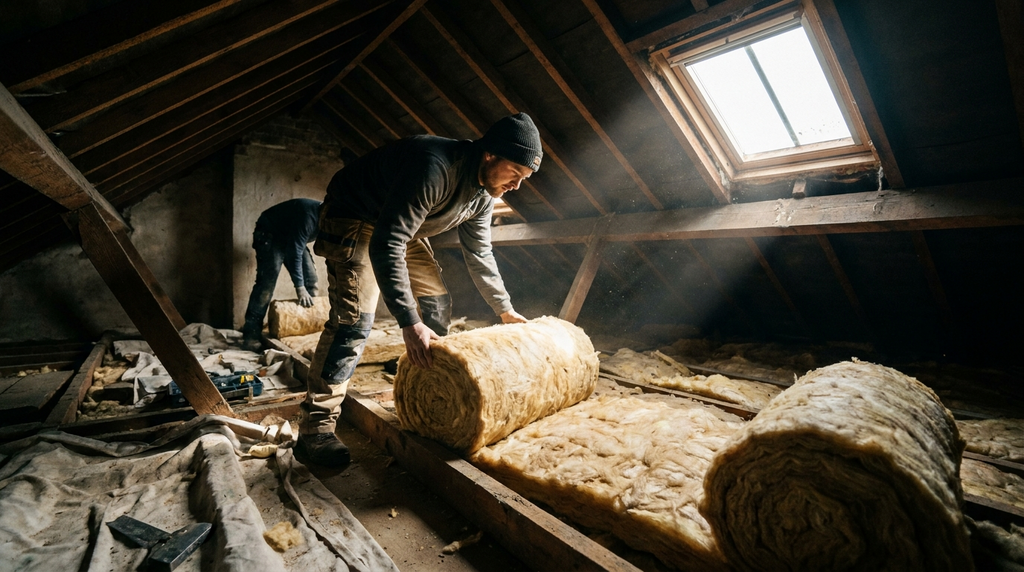
Insulation grants in Wales are available through the Nest scheme (income and benefit-based) and the Warm Homes Fund (for low-income households not on benefits). Nest covers loft, cavity wall, and solid wall insulation up to £4,000. To qualify, you must live in Wales, own your home or have landlord permission, and meet income or benefit thresholds. Apply via gov.wales/nest or call 0800 512 012.
Nest grants cover up to £4,000 for insulation
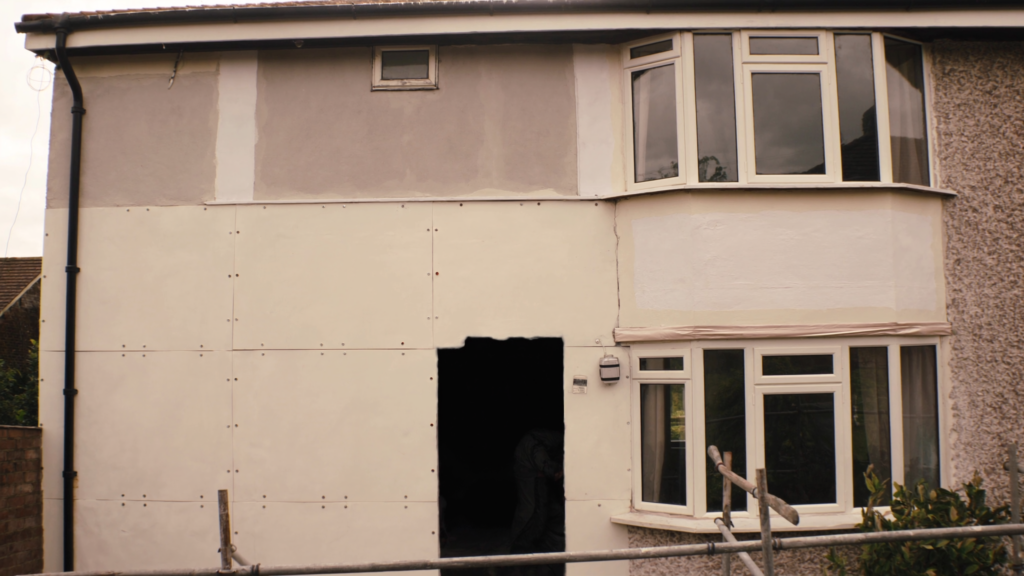
The Nest scheme offers up to £4,000 in insulation measures, including loft, cavity wall, and external or internal wall insulation. This figure is an average cap; the actual grant value depends on your property type and the specific insulation work required (GOV.WALES Nest eligibility and application page, 2026). The grant is not a cash payment – it covers the full cost of installation by an approved Nest installer. Income and benefit receipt are the primary gateways for eligibility, as detailed in the section below.
Quick numbers – insulation grant amounts
| Grant type | Maximum grant value (£) | Typical annual energy saving (£) | Typical installation cost (£) | Source |
|---|---|---|---|---|
| Nest loft insulation | Up to £600 | £200–£300 | £500–£800 | Energy Saving Trust, 2026 |
| Nest cavity wall insulation | Up to £1,200 | £300–£500 | £1,000–£1,500 | Energy Saving Trust, 2026 |
| Nest solid wall insulation | Up to £4,000 | £500–£800 | £8,000–£15,000 | DESNZ Home Energy Efficiency Grants release, 2026 |
Note that for solid wall insulation, the grant may not cover the full installation cost. The figures above are based on typical UK averages for a semi-detached home, as cited by the Energy Saving Trust and DESNZ.
Who qualifies for Nest insulation grants – the three eligibility pathways
There are three main pathways to qualify for Nest insulation grants:
- Pathway 1: Means-tested benefits. Households receiving Universal Credit, Pension Credit, Income Support, Income-based Jobseeker’s Allowance (JSA), Income-based Employment and Support Allowance (ESA), Child Tax Credit with income below the threshold, or Working Tax Credit with income below the threshold are eligible (GOV.WALES Nest eligibility page, 2026).
- Pathway 2: Low income and poor energy efficiency. Households with a gross annual income below the Welsh Government’s threshold (£30,000 after tax for a single person, £38,000 for a couple) AND living in a property with a low energy performance rating (EPC band E, F, or G) qualify (Welsh Government Nest income thresholds guidance, 2026).
- Pathway 3: Health referral. Households referred by a health professional (e.g., GP, health visitor) due to a cold-related health condition such as asthma, COPD, or cardiovascular disease are eligible regardless of income or benefit status (GOV.WALES Nest health referral page, 2026).
Key exclusion: Households already receiving a different Welsh Government home energy grant (e.g., Warm Homes Fund) for the same insulation measure are ineligible.
Who does NOT qualify – the five common reasons for rejection
Even if you think you meet the criteria, these five reasons commonly lead to rejection:
- Income or benefits do not meet thresholds. Your household income or benefit type must match one of the three pathways above. Data from British Gas (2025–26) shows this is the most common rejection reason (Nest application data, 2026).
- Previous grant for same measure. Your property has already received a Nest grant for the same insulation measure within the last 5 years (Nest terms and conditions, 2026).
- Property type excluded. The property is a new-build (less than 2 years old) or a park home (GOV.WALES Nest what is covered page, 2026).
- Non-domestic building. The home is not a domestic building, such as a business premises or holiday let (Nest scheme rules, 2026).
- No landlord permission. The applicant does not own the property and does not have written landlord permission (private tenants must provide landlord consent) (Nest application form guidance, 2026).
How to confirm your eligibility before applying – the three-step check
Before you apply, follow these three steps to confirm your eligibility:
- Use the online eligibility checker. Go to the Welsh Government’s Nest eligibility checker at gov.wales/nest. Enter your postcode, household income, and benefit status for an instant yes/no answer (GOV.WALES Nest eligibility checker page, 2026).
- Call the Nest helpline. If the checker says “maybe”, call 0800 512 012 for a manual income and benefit assessment (Nest contact page, 2026).
- Health referral pathway. For the health referral route, ask your GP or health visitor for a written referral letter confirming a cold-related condition such as asthma, COPD, or cardiovascular disease (GOV.WALES Nest health referral page, 2026).
Important: The online checker is not legally binding. Final eligibility is confirmed only after a home survey by a Nest-approved assessor.
How to verify your installer – MCS certification is mandatory for any government-funded insulation grant
All insulation work under Nest must be carried out by an MCS-certified installer for cavity wall and solid wall insulation. Loft insulation requires a registered installer under the TrustMark scheme (Ofgem ECO and Nest installer requirements guidance, 2026). For cavity wall and solid wall insulation, the installer must also be registered with the Cavity Insulation Guarantee Agency (CIGA) for a 25-year guarantee (CIGA website, 2026).
To verify an installer, ask for their MCS certificate number and check it on the MCS register at mcscertified.com (MCS register, 2026). Do not proceed if they cannot provide one. Gas Safe Register is only relevant if the installation involves gas pipework (e.g., for a boiler – not for insulation alone).
How to choose an MCS-certified installer for insulation grants
The direct answer – insulation grants in Wales are available through Nest and the Warm Homes Fund, but eligibility is primarily income- and benefit-based
Insulation grants in Wales are available through the Nest scheme (income and benefit-based) and the Warm Homes Fund (for low-income households not on benefits). Nest covers loft, cavity wall, and solid wall insulation up to £4,000. To qualify, you must live in Wales, own your home or have landlord permission, and meet income or benefit thresholds. Apply via gov.wales/nest or call 0800 512 012 (GOV.WALES Nest page, 2026; GOV.WALES Warm Homes Fund page, 2026).
Warm Homes Fund eligibility and how it differs from Nest
Frequently Asked Questions
You qualify if you live in Wales, own your home or have landlord permission, and receive certain benefits or have a low household income. The Nest scheme, administered by British Gas and funded by the Welsh Government, sets specific income and benefit criteria (GOV.WALES Nest eligibility page, 2026).
The Nest grant covers up to £4,000 for insulation measures, including loft, cavity wall, and solid wall insulation. This is an average cap; the actual amount depends on your property type and the work needed (GOV.WALES Nest scheme page, 2026).
Yes, cavity wall insulation is free through the Nest scheme if you meet the eligibility criteria. The grant covers the full installation cost, typically saving £300–£500 per year on energy bills (Energy Saving Trust, 2026).
Apply online at gov.wales/nest or call 0800 512 012. You will need to provide proof of income, benefits, and property ownership or landlord permission. Nest handles the rest, including arranging an approved installer (GOV.WALES Nest application page, 2026).
The Warm Homes Fund provides insulation and heating improvements for low-income households in Wales who do not receive qualifying benefits. It is separate from Nest and targets those just above the benefit threshold (GOV.WALES Warm Homes Fund page, 2026).