The Before and After
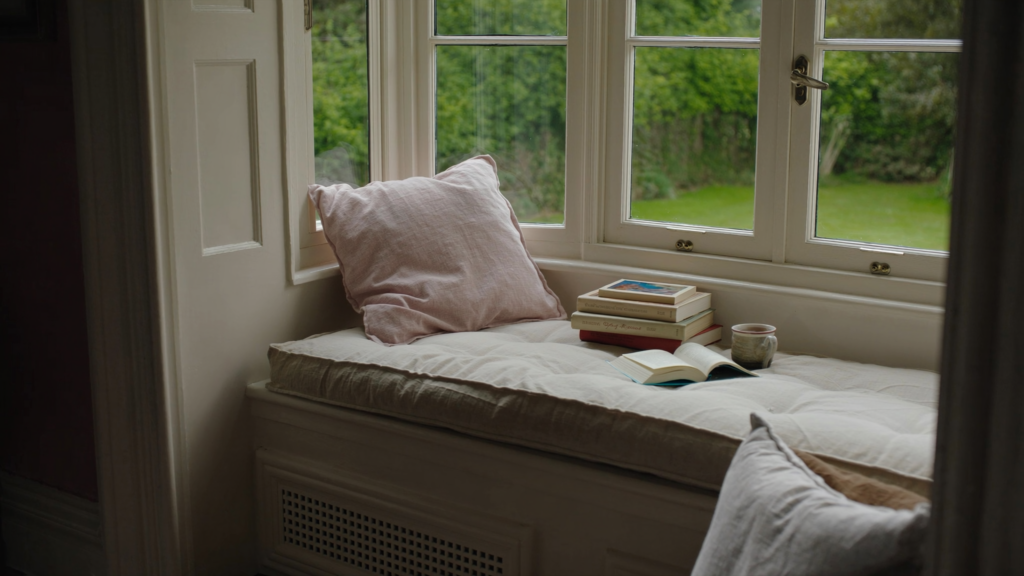
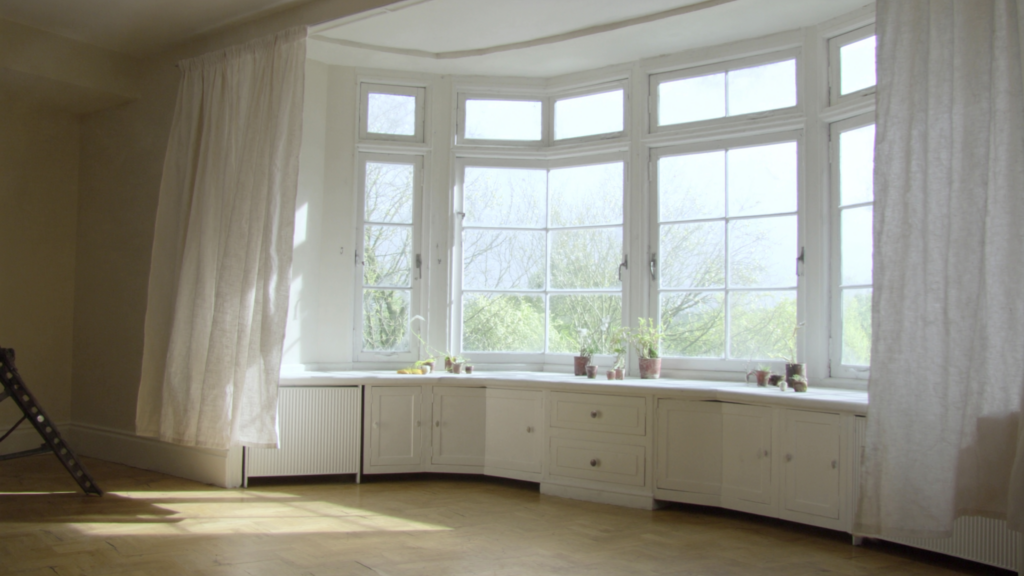
You know the corner I mean. The one under the sash window where a cardboard box of Christmas decorations has sat for three years, or where the cat’s bed collects dust while the radiator hisses. It’s the spot you walk past, not into, draughty in winter, cluttered in summer, and somehow always the last place you think to sit. Now picture the same window transformed: a deep, cushioned seat that pulls you in like a favourite armchair. A cushion that holds your weight while you lean back and watch the garden light shift. Suddenly, that forgotten corner becomes the room’s emotional centre, the place where coffee lasts longer and books actually get finished. No renovation required, just intention and a few smart choices.
This piece walks you through the practical decisions that turn a window seat from a Pinterest fantasy into a spot you’ll use every single day. From the measurements that fit your body to the fabric that won’t fade, here’s how to build a seat people actually sit in.
Measure for the human body, not the architecture
Most window seats fail because they’re built to fit the window, not the sitter. You end up with a perch that’s too deep to lean back and too shallow to lounge, a decorative shelf for cushions, not a place to read. The fix is simple: ignore the sill depth and measure for your own proportions. Seat depth should sit between 18 and 20 inches, shallow enough to sit upright with your feet on the floor, deep enough to curl sideways with a book. Seat height should match a standard dining chair: 17 to 19 inches. Any lower and you’ll feel like a child at an adult table; any higher and your knees knock the sill.
One quick check: if the window sill is lower than 20 inches from the floor, you’ll need a custom cushion that builds up the seat height, or a shallow built-in step that doubles as a footrest. A Victorian sash with a low sill works beautifully with a 3-inch platform beneath the cushion, it creates a sense of depth without sacrificing comfort.
Choose a cushion that doesn’t fight the light
The sun is brutal. A standard cotton cushion will fade, flatten, and look tired within a single summer. For a seat that stays fresh, invest in outdoor-grade foam wrapped in a UV-resistant, washable fabric. Think of the cushion as the hardest-working piece of furniture in the room, it takes direct light, daily weight, and the occasional spill. Treat it accordingly. A soft sage green works beautifully in a north-facing window, mirroring the muted tones of the garden. For a south-facing room that floods with afternoon sun, a warm oatmeal or a pale terracotta holds the light without washing out.
The real trick is the removable cover. It means you can swap the cushion for a thicker winter throw in December and a linen cover in June, without rebuilding the entire seat. That seasonal flexibility keeps the window seat feeling fresh for years.
Add a storage drawer that doubles as a footrest
The hollow space under the seat is wasted square footage unless you put it to work. A shallow drawer, no more than 12 inches deep, slides out to hold books, blankets, or board games. Design the drawer front to match the skirting board, using the same MDF profile and paint colour, so it disappears when closed. The result is a clean, built-in look that hides the clutter.
If the window is low, add a pull-out step or a low shelf beneath the seat. It lets children climb up comfortably and gives shorter adults a place to rest their feet while they read. A simple painted wooden step that slides out from under the drawer turns the seat into a proper lounging spot for everyone in the house.
Frame the view with a shallow shelf above
A window seat without something above it feels like a floating bench, disconnected from the architecture. Install a slim shelf, 4 to 6 inches deep, at sill height or just above. It anchors the seat visually and gives you a surface for a small lamp, a trailing plant, or a single art object. The shelf should be painted in the same finish as the window frame, so the line stays clean and intentional.
This is where you can break the symmetry. A single ceramic vase on the left, a stack of books on the right, the asymmetry draws the eye outward toward the garden. Avoid crowding the shelf; one or two objects is enough to frame the view without competing with it.
Let the window dressing work with the seat, not against it
Long curtains that bunch on the cushion are the fastest way to ruin a window seat. They collect dust, shorten the visual length of the seat, and make the whole arrangement feel fussy. Instead, choose Roman blinds or tailored shutters that sit flush against the glass, leaving the sill clear for sitting. For a tall sash window, a single roller blind at the top paired with a cushion that ends just below the sill keeps the line clean and the light manageable.
If you love curtains, use them as a separate layer that hangs outside the window reveal, not over the seat itself. That way the fabric frames the window without touching the cushion. The rule is simple: the dressing should disappear when you sit down, leaving you with an unobstructed view.
Why texture matters more than colour
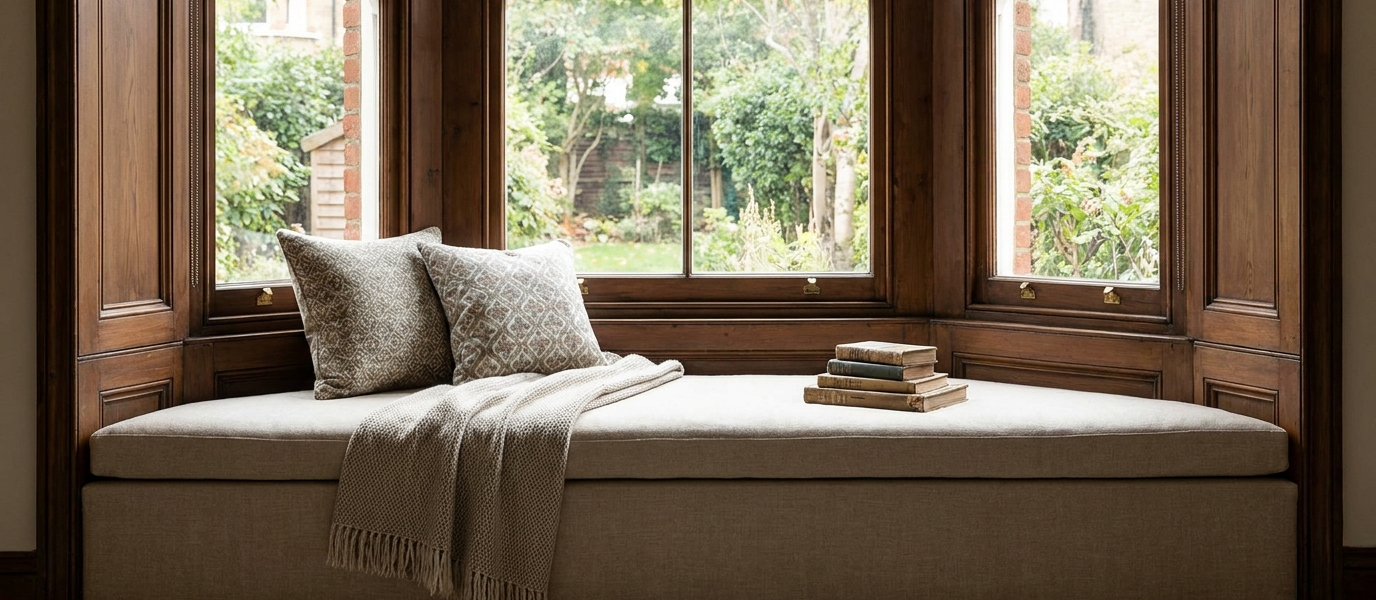
Colour fades from memory; texture stays. The seat will be touched, leaned on, and looked at daily, so choose a fabric with tactile interest. A linen-cotton blend, a soft bouclé, or a fine cord all absorb light and soften the hard lines of the window frame. A single textured cushion in a neutral tone, think a warm stone or a pale clay, works better than a loud print that dates quickly. The texture makes the seat feel inviting rather than structural, like a piece of furniture you want to sink into.
For a south-facing room, a slightly nubby fabric like a wool-linen blend catches the light and adds depth without overwhelming the space. In a north-facing room, a smooth velvet or a tightly woven cotton reflects what little light there is, keeping the seat from feeling heavy.
Eight ways to soften a tall sash window seat
- Deep cushion, 4–5 inches thick. The extra depth counters the vertical height of a tall sash, making the seat feel grounded.
- Floor-length cushions at each end. A pair of long, narrow cushions act as back support and create a cosy nook effect.
- Single pendant light or wall sconce at reading height. A focused light source turns the seat into a proper reading spot after dark.
- Low, wide basket under the seat. For extra storage without a drawer build, a woven basket slides out easily and adds texture.
- Narrow upholstered backrest between the window reveals. A custom panel that sits snugly between the reveals gives lumbar support without blocking the view.
- Paint the window frame a darker shade than the wall. A deep charcoal or a muted navy pushes the view outward, making the garden feel closer.
- Small, round table or stool as a side surface. A built-in shelf is lovely, but a movable side table lets you adjust the layout as needed.
- Wool throw draped over the back edge. The weight of the throw adds warmth and softens the transition between cushion and window frame.
door colour ideas can help you choose a paint shade for the frame that complements the seat without competing. For more on fabric choices, see how to choose upholstery fabric. And if you’re considering the full room layout, living room seating ideas offers a broader view of how a window seat fits into the bigger picture.