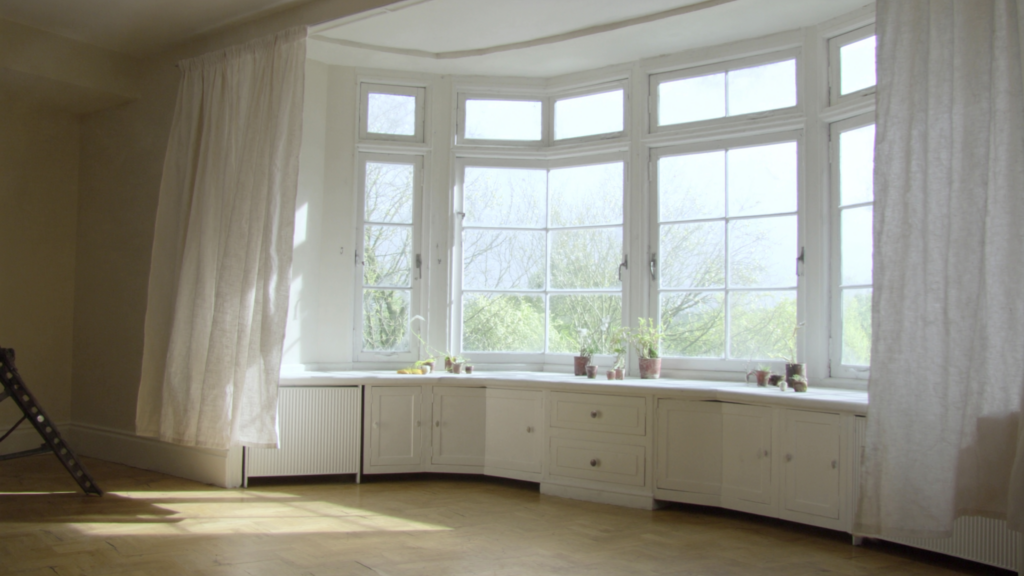
The window as a lung
Think of the air in a room that has been sealed for a damp week. It has a texture, slightly heavy, clinging to curtains and carpets with a faint, sour note that no plug-in diffuser can mask. Now imagine the same room after a window has been opened properly. The scent shifts: rain on warm stone, clean linen, the faint sweetness of cut grass drifting through the frame. That change is not cosmetic. It is the room exhaling.
We spend so much time curating how a home looks, the right Farrow & Ball Setting Plaster pink, the perfect 1930s suntrap bay, that we forget the invisible layer. The air we breathe shapes how a room feels in a way no paint colour can fix. A window that opens properly is the room’s way of exhaling. Compare the sluggish atmosphere behind sealed double-glazing with the brisk, oxygenated lift of a sash dropped an inch at the top. The smell of a well aired home is not a product you buy; it is a byproduct of movement. Air that moves carries scent away; air that sits holds onto yesterday’s cooking, damp coats, the quiet must of a forgotten corner. The shift from stale to fresh is almost immediate when a window is built to open wide, not just tilt. That rush of outdoor air brings with it a whole landscape, wet pavement, cut hedges, the season itself.
Three windows that change how a room breathes
Not all windows are created equal when it comes to air exchange. The design of the frame and the way it opens fundamentally alters how a room breathes. Here are three that do it best:
- The vertical sash: Opens at both top and bottom, creating a thermal chimney effect. Warm, stale air escapes at the top while cooler, fresh air enters below. The result is a gentle, constant exchange, not a blast that slams doors, but a quiet, steady renewal. This is the classic window of the Victorian terrace for a reason.
- The casement with a deep reveal: When the frame sits back from the wall, the open pane catches and redirects breezes, pulling air through the room rather than just past the opening. It turns a simple window into a scoop, channelling the outside in. Ideal for a kitchen where cooking smells need a fast exit.
- The tilt-and-turn (used properly): Tilt mode for overnight ventilation without security risk; turn mode for a full, clean sweep of air when you are home. The smell of a well aired home depends on knowing which mode suits the moment. Many homeowners default to tilt and never turn, missing the dramatic air exchange a full open frame provides.
Why the frame matters as much as the glass
The scent of a window is also the scent of its materials. Warm timber absorbs and releases moisture slowly, never acquiring that sharp, chemical coldness of PVC on a hot day. A well-made timber frame does not just look soft; it smells soft, of linseed oil, wood dust, the faint resin of a forest. That olfactory backdrop blends with the air coming in rather than competing with it. The wrong frame, left damp, can produce its own must, a silent signal that the seal has failed, the paint is peeling, the room is no longer breathing properly. It is a subtle thing, but once you notice it, you can never un-smell it. A good window frame should be neutral, almost invisible, in its contribution to the room’s atmosphere.
Eight ways to soften a tall sash window
A tall sash window is a beautiful thing, but its proportions can make the room feel drafty or exposed. Here is how to work with its airflow rather than against it:
- Hang a linen panel that just skims the sill, the fabric catches and diffuses incoming air, softening the draft and carrying a clean, laundered scent.
- Place a shallow dish of dried lavender or rosemary on the sill; the passing air lifts the scent into the room without effort.
- Open the top sash first, then the bottom, the two-pane system creates a gentle crossflow that does not slam doors or scatter papers.
- Keep the track clean and the cords balanced; a window that opens smoothly is more likely to be opened often.
- Add a slim window seat or cushioned bench beneath, a place to sit in the moving air makes the window a room, not just an opening.
- Use a fine mesh screen in warmer months; airflow without insect intrusion keeps the room feeling generous, not trapped.
- Pair with a ceiling fan on low, the fan circulates the incoming air rather than competing with it.
- Open on opposite sides of the house, even briefly, to create a full exchange; the smell of a well aired home is strongest when two windows work together.
A room that remembers how to breathe
The best windows do not just let air in; they let the room release what it no longer needs, cooking smells, humidity, the faint staleness of a day spent closed. That release is what makes a home feel clean without smelling of cleaning products. It is the difference between a room that has been aired and one that has only been sprayed. The smell of a well aired home is not a fragrance. It is the absence of everything stale, and the quiet presence of the outside world, just enough to remind you that your home is part of the landscape, not separate from it.
A window that opens well is a small, daily ritual. The sound of it shifting, the feel of the air changing, the scent of the season arriving, that is the real value of a well made frame. Not energy ratings, not security ratings, but the simple, human pleasure of a room that knows how to breathe.