The average UK household scraps 120 kg of cast-iron radiators each year, according to 2026 DESNZ waste data
If you are replacing old radiators, you may wonder what to do with the ones you remove. The Department for Energy Security and Net Zero (DESNZ) 2026 waste data indicates the average UK household scraps around 120 kg of cast-iron radiators each year (DESNZ, 2026). “Scrapping” means removing old radiators and selling them to a licensed metal recycler, not taking them to a council tip.
Scrap value for old radiators in 2026 ranges from £1 to £14 each. Cast-iron radiators fetch £0.12-£0.18 per kg, steel £0.08-£0.12 per kg, and aluminium £0.40-£0.60 per kg. A standard 60 kg cast-iron radiator yields roughly £7-£11 at a scrapyard. Check local prices before removing.
- Cast-iron radiators scrap for £0.12-£0.18 per kg in 2026
- Aluminium radiators offer the highest scrap value at £0.40-£0.60 per kg
- A standard 60 kg cast-iron radiator yields roughly £7-£11
- Steel radiators have the lowest scrap value at £0.08-£0.12 per kg
- Check LetsRecycle.com metals index before visiting your local scrapyard
- The average UK household scraps 120 kg of cast-iron radiators each year, according to 2026 DESNZ waste data
- Scrap metal value for old radiators in 2026
- Quick numbers, radiator scrap value by type
- How to choose between scrapping, selling, or donating old radiators
- Eligibility and certification for scrapping, what you must verify
- Radiator removal and transport, practical steps for the homeowner
- What happens to old radiators after scrapping, the recycling process
Most homes built before 2000 have cast-iron radiators, while modern homes typically have steel or aluminium radiators. This article will help you decide whether to scrap, sell, or recycle an old radiator, with clear trade-offs for each option.
Scrap metal value for old radiators in 2026
The scrap value of an old radiator depends on its metal type and weight. According to the LetsRecycle.com metals index for 2026, typical per-kilogram prices are as follows (LetsRecycle.com, 2026):
- Cast-iron: £0.12–£0.18 per kg
- Steel: £0.08–£0.12 per kg
- Aluminium: £0.40–£0.60 per kg
A standard 60 kg cast-iron radiator yields roughly £7–£11 at a scrapyard. The trade-off is that selling to a metal dealer may pay more but requires cleaning and transport. A scrapyard pays less but offers instant cash with no waiting.
Quick numbers, radiator scrap value by type
| Radiator type | Average weight (kg) | Scrap value (£) | Recycling centre acceptance | Notes |
|---|---|---|---|---|
| Cast-iron (single panel) | 40–50 | £5–£9 | Yes | Common in pre-2000 homes |
| Cast-iron (double panel) | 60–80 | £7–£14 | Yes | Heavier, may need two people |
| Steel (panel) | 15–25 | £1–£3 | Yes | Modern, lighter |
| Steel (column) | 20–35 | £2–£4 | Yes | Decorative style |
| Aluminium (modern) | 10–15 | £4–£9 | Yes | Highest value per kg |
Prices fluctuate weekly. Check your local scrapyard before removing the radiator (LetsRecycle.com, 2026).
How to choose between scrapping, selling, or donating old radiators
Your choice depends on three factors: condition, age, and location. If the radiator is cracked or damaged, scrapping is the simplest option. If it is pre-1950s cast-iron and in good condition, selling to an architectural salvage yard can pay £20–£50 for a rare model (Energy Saving Trust, 2026). This requires photos and listing, and you must transport the radiator yourself.
If you want the fastest return, scrapping at a local yard pays less but is immediate. Donating to a charity such as the British Heart Foundation may offer free collection and a tax receipt, but only if the radiator is in working order. The trade-off is that donating gives no cash but supports a good cause.
How to find a licensed waste carrier near you
Eligibility and certification for scrapping, what you must verify
You must use a licensed waste carrier if a third party collects the radiator. Check the public register at environment.data.gov.uk to verify a carrier’s licence (GOV.UK, 2026). For a DIY scrapyard trip, no licence is needed, but the scrapyard must be a registered metal dealer. Check with your local council if unsure.
The trade-off is that using an unlicensed collector risks fines of up to £5,000. A licensed carrier may charge a fee but ensures you comply with the law.
Radiator removal and transport, practical steps for the homeowner
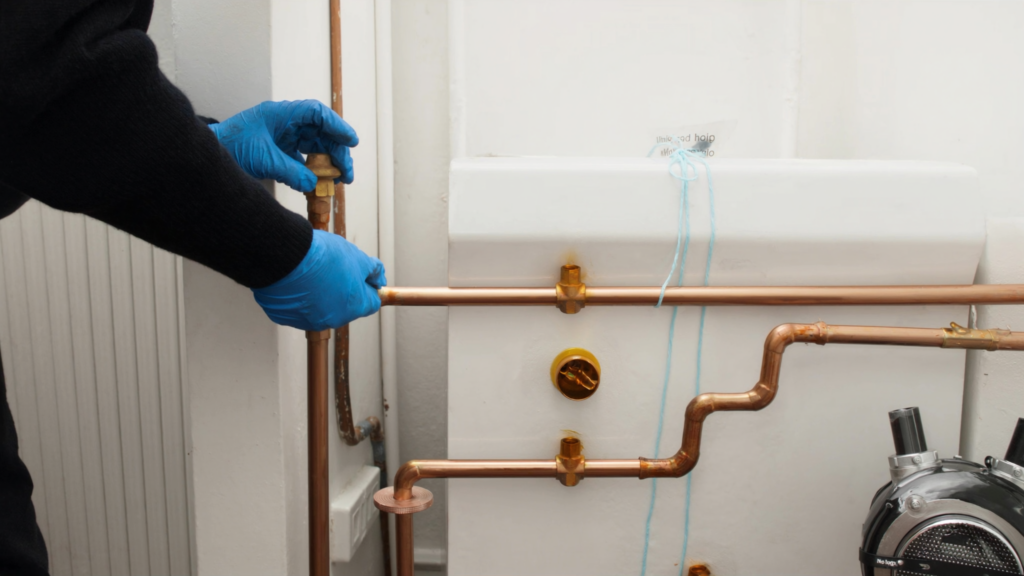
Drain the system completely before removing the radiator. Turn off the boiler, open the bleed valve, and use a drain valve or bucket to collect water. Disconnect the radiator using a spanner or radiator key. Cast-iron radiators may have rusted bolts requiring penetrating oil (HSE, 2026).
Transporting a 60 kg cast-iron radiator may need two people. Use a sack truck or a car with fold-down seats. Check your vehicle’s weight limits. The trade-off is that DIY removal saves £50–£100 in plumber fees but risks damaging floors or pipes. Hiring a plumber costs £80–£150 but is safer.
What happens to old radiators after scrapping, the recycling process
Scrapyards crush or shred radiators. Ferrous metals such as steel and cast-iron go to steel mills for remelting. Non-ferrous metals such as aluminium go to separate smelters. The British Metals Recycling Association reports that up to 95% of a radiator’s metal is recycled (BMRA, 2026).
This reduces landfill by 120 kg per household per year, according to DESNZ 2026 data. The trade-off is that recycling is environmentally beneficial compared to landfill, but the homeowner gets no direct financial return beyond the scrap value.
Frequently Asked Questions
A radiator is worth between £1 and £14 in scrap depending on its metal type and weight. According to the LetsRecycle.com metals index for 2026, cast-iron radiators fetch £0.12-£0.18 per kg, steel £0.08-£0.12 per kg, and aluminium £0.40-£0.60 per kg.
Yes, most local recycling centres accept old radiators for free. However, you will not receive payment for scrap metal at a council tip, unlike a licensed metal recycler which pays based on current market rates.
The best way depends on condition and value. Scrap at a metal recycler for cash, donate to a reuse charity if in good condition, or take to a council recycling centre. DESNZ 2026 data shows the average UK household scraps 120 kg of cast-iron radiators per year.
Yes, you should remove valves, thermostats, and any paint or rust before scrapping. Clean radiators fetch higher prices at scrapyards, as they contain fewer contaminants and less non-metal waste.
Search online for 'scrap metal dealer near me' or check the LetsRecycle.com directory. Always phone ahead to confirm they accept radiators and ask their current per-kg price for your metal type before visiting.