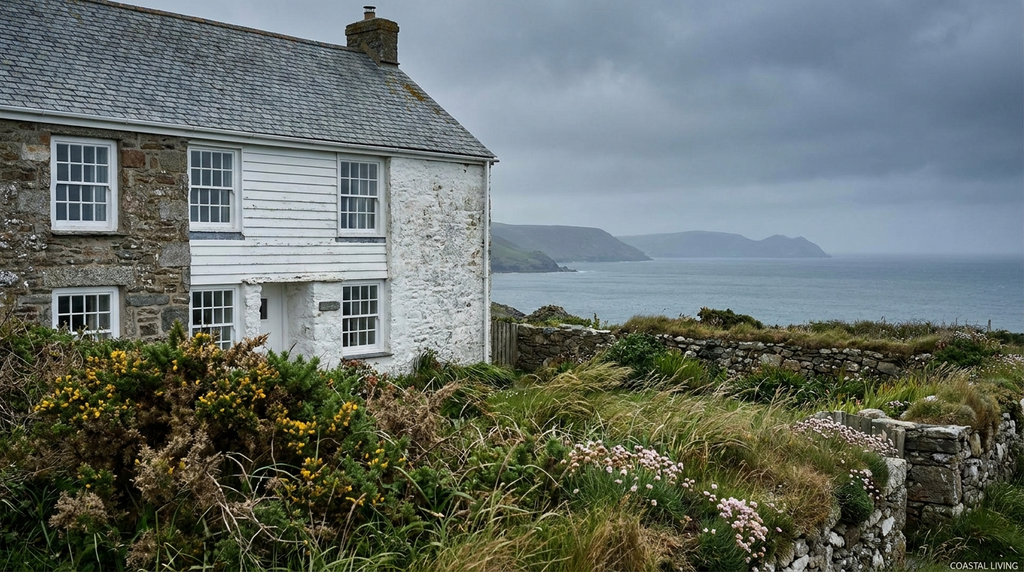
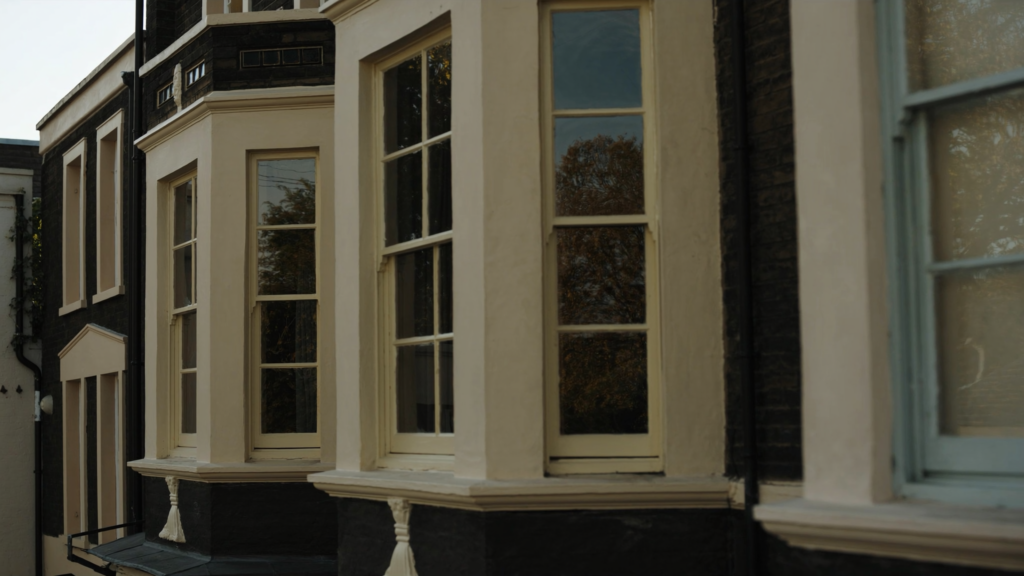
Triple glazing costs roughly 40% more than double glazing but saves only 2–4% more energy
If you are weighing up new windows, the central question is whether the extra cost of triple glazing pays you back. The answer, based on 2026 data, is that it usually does not. A typical UK home replacing all windows with triple glazing pays £5,000 to £8,000, compared to £3,500 to £5,500 for A-rated double glazing, based on a three-bed semi-detached house with uPVC frames (Energy Saving Trust, 2026).
The Energy Saving Trust 2026 report states triple glazing saves £95 to £115 per year on heating bills for a gas-heated semi-detached home, versus £90 to £110 for A-rated double glazing (Energy Saving Trust, 2026). That means the extra energy saving from triple glazing is only £5 to £15 per year. The payback period for triple glazing over double glazing is 50 to 100 years at current energy prices. That makes it a long-term investment not justified by energy savings alone (DESNZ, 2026).
The real-world energy saving gap narrows further in well-insulated homes. Once wall and loft insulation are at 2026 Building Regulations levels, triple glazing’s benefit is marginal. For most homes, the heat lost through windows is already small compared to walls and roofs, so upgrading from double to triple glazing delivers diminishing returns.
Triple glazing is worth it primarily for noise reduction, not energy efficiency
The strongest reason to choose triple glazing is noise reduction, not energy bills. Triple glazing reduces external noise by 35 to 40 decibels (dB), compared to 28 to 32 dB for standard double glazing (British Fenestration Rating Council, 2026). That difference of 7 to 12 dB is significant: a 10 dB drop is perceived by the human ear as roughly halving the loudness of a sound.
Homes near motorways, airports, or railways see the most benefit. The Energy Saving Trust 2026 noise survey found that 72% of triple-glazing buyers cited noise as their main reason for choosing it (Energy Saving Trust, 2026). For most suburban or rural homes, double glazing already meets Part E of Building Regulations for sound insulation, so triple glazing offers no legal or comfort advantage.
If noise is the primary concern, triple glazing is worth the premium. If energy saving is the goal, it is not. Be honest with yourself about which problem you are solving.
Quick numbers, triple vs. double glazing comparison table
| Measure | Triple glazing (typical range) | Double glazing (A-rated typical range) | Difference |
|---|---|---|---|
| Cost (installed, per m²) | £400 – £650 | £280 – £450 | Triple costs roughly 40% more |
| U-value (W/m²K) | 0.6 – 0.9 | 1.2 – 1.6 | Triple is 30–50% better |
| Annual energy saving (gas-heated semi) | £95 – £115 | £90 – £110 | Triple saves £5–£15 more per year |
| Payback period (vs. double glazing) | 50 – 100 years | N/A (baseline) | Not recouped within window lifespan |
| Noise reduction (dB) | 35 – 40 | 28 – 32 | Triple reduces noise by 7–12 dB more |
| Lifespan (years) | 25 – 35 | 20 – 30 | Triple lasts 5 years longer typically |
All figures from the Energy Saving Trust 2026 “Windows and Doors” report, BFRC 2026 ratings, and DESNZ 2026 “Energy Savings from Glazing” (Energy Saving Trust, 2026; BFRC, 2026; DESNZ, 2026).
You almost certainly do not qualify for a government grant for triple glazing in 2026
No national grant specifically for triple glazing exists in 2026. The Great British Insulation Scheme closed on 31 March 2026. It funded insulation measures only and never covered windows or glazing. The Boiler Upgrade Scheme (BUS) covers heat pumps and biomass, not windows.
Local authority grants, such as the Home Upgrade Grant (HUG), may cover double glazing in low-income homes but rarely triple glazing. You need to check your council’s 2026-27 scheme documents directly. The only exception is if triple glazing is part of a whole-house retrofit under a Social Housing Decarbonisation Fund programme, but that is for housing associations, not private homeowners.
Private finance is the only subsidy route. Glazing is standard-rated for VAT at 20%. The zero rate for energy-saving materials covers insulation, heat pumps and solar panels; HMRC names secondary and double glazing as excluded (VAT Notice 708/6). But there is no cash grant from central government for triple glazing in 2026.
Triple glazing is worth it only if you prioritise noise or live in an exposed, cold region
For a standard UK home in a temperate area, triple glazing’s energy saving is 2 to 4% more than A-rated double glazing, not enough to justify the 40% higher cost. The Energy Saving Trust 2026 report confirms that for 90% of UK homes, upgrading from double to triple glazing has a payback period exceeding the window’s 25-year lifespan (Energy Saving Trust, 2026).
It is worth it for homes on noisy roads, near airports, or in exposed coastal or high-altitude areas, such as the Scottish Highlands, where heat loss is greater and noise is a problem. If you are replacing old single glazing, triple glazing is a bigger improvement, but double glazing still gives 90% of the benefit at 60% of the cost. How to choose the right window frame material for your home
For the vast majority of homeowners, the money is better spent on loft insulation, cavity wall insulation, or a modern heating system. Those upgrades deliver far faster payback than triple glazing.
How to verify your installer, MCS certification is not required for triple glazing, but FENSA or CERTASS registration is
Triple glazing installation does not require MCS (Microgeneration Certification Scheme) certification. MCS applies to renewable energy systems, not windows. Instead, installers must be registered with a Competent Person Scheme (CPS) such as FENSA, CERTASS, or BSI to self-certify compliance with Building Regulations Part L and Part F (GOV.UK, 2026).
Before signing a contract, check the FENSA or CERTASS online register for the installer’s company name and address. Unregistered installers must use Building Control, which adds cost and delay. TrustMark is a voluntary quality mark for customer service, but not a legal requirement. FENSA or CERTASS registration is mandatory for self-certification.
Gas Safe Register does not apply to window installation. NICEIC or NAPIT applies to electrical work only, not windows. What to check before hiring a window installer in the UK
Your installer should also provide a BFRC energy rating certificate for the windows. This gives you the U-value and overall energy performance, so you can compare products directly.
Frequently Asked Questions
Triple glazing costs roughly 40% more than double glazing. For a typical three-bed semi, expect £5,000 to £8,000 for triple glazing compared to £3,500 to £5,500 for A-rated double glazing, based on Energy Saving Trust 2026 data.
Yes, but only marginally. Triple glazing saves £95 to £115 per year on heating bills versus £90 to £110 for A-rated double glazing, according to the Energy Saving Trust 2026 report. The extra saving is just £5 to £15 annually.
Yes, triple glazing is worth it primarily for noise reduction. It reduces external noise by 35 to 40 decibels compared to 28 to 32 dB for standard double glazing, according to the British Fenestration Rating Council 2026. A 10 dB drop roughly halves perceived loudness.
The payback period for the extra cost of triple glazing over double glazing is 50 to 100 years at current energy prices, based on DESNZ 2026 data. This makes it a poor investment if energy savings are the only goal.
No, triple glazing's energy benefit is marginal in well-insulated homes. Once wall and loft insulation meet 2026 Building Regulations levels, the heat lost through windows is already small compared to walls and roofs, so upgrading from double to triple glazing delivers diminishing returns.