Heat pump planning permission is usually not required for air source heat pumps under permitted development
If you are considering an air source heat pump, the first question is often whether you need planning permission. In most cases for a standard house in England, you do not.
Permitted development rights allow you to install an air source heat pump without a full planning application, as long as the installation meets specific conditions set by the government. These rights were updated in 2026 and apply to single-dwelling houses in England that are not in a designated area (GOV.UK, Permitted development rights for domestic microgeneration, 2026).
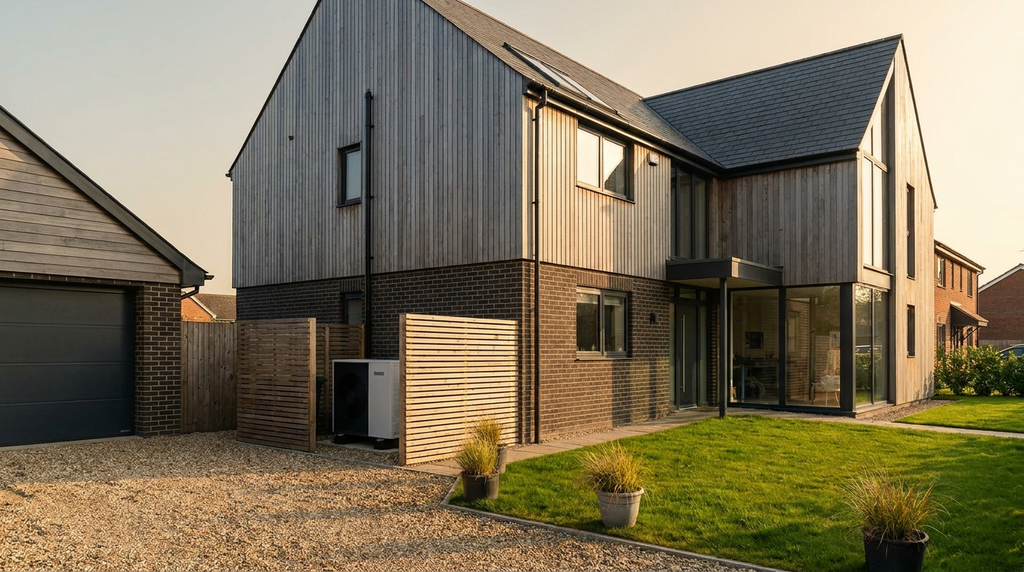
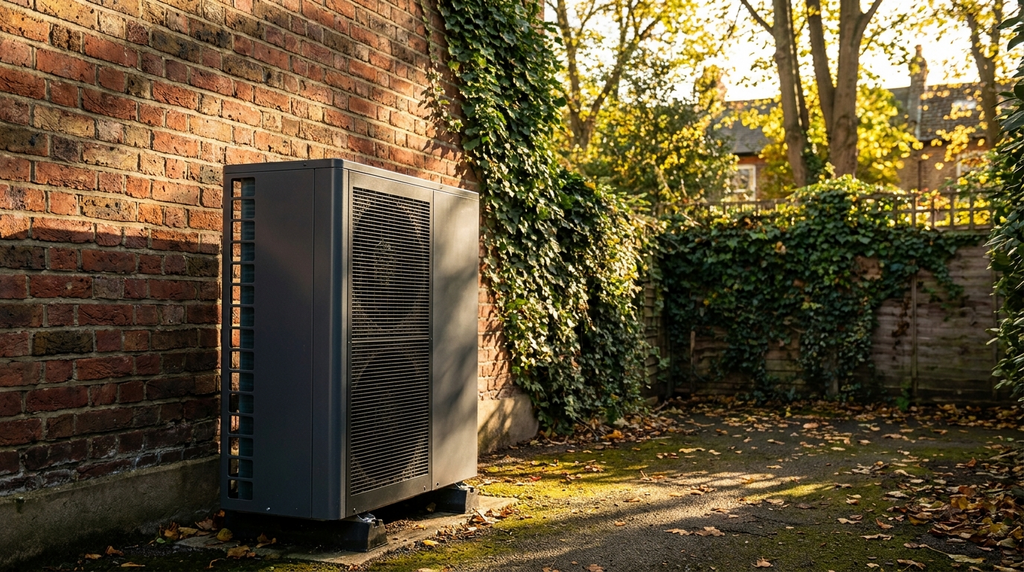
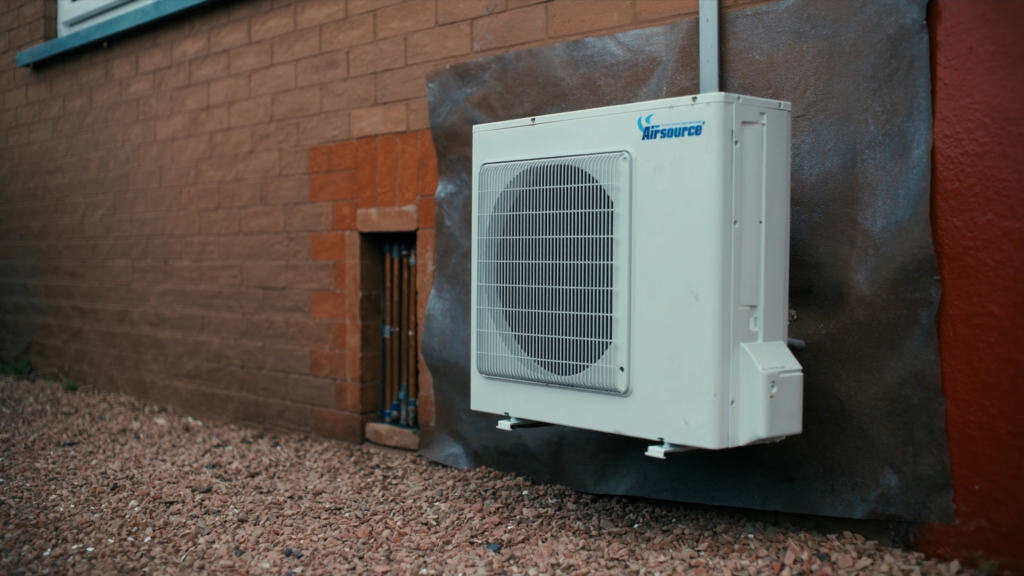
The key conditions are that the outdoor compressor unit must not exceed 0.6 cubic metres in volume, it must be at least 1 metre from any property boundary, and the installation must comply with the MCS 020 standard for noise limits. If your property is a listed building, in a conservation area, a World Heritage Site, or an Area of Outstanding Natural Beauty, you will almost certainly need full planning permission regardless of these conditions (Planning Portal, Heat pumps, 2026).
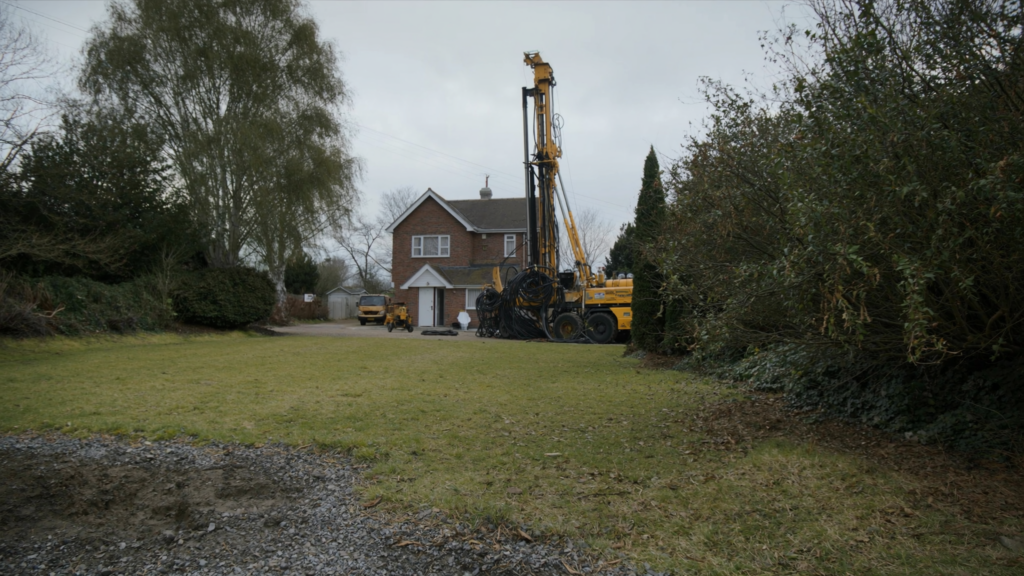
Ground source heat pumps and water source heat pumps almost always need planning permission
Ground source and water source heat pumps are treated differently under planning rules. Ground source heat pumps require excavation and boreholes, which are not covered by permitted development rights in most cases (GOV.UK, Planning permission for heat pumps, 2026).
Water source heat pumps, which extract heat from a river, lake, or groundwater, require an abstraction licence from the Environment Agency in addition to planning permission (Environment Agency, Water abstraction licences, 2026). The standard planning application fee for a householder application in England in 2026 is £462, though this can vary by local authority (GOV.UK, Planning application fees, 2026).
The noise condition is the most common reason planning permission is refused for air source heat pumps
The noise limit is the condition that most often causes problems for homeowners. Permitted development requires the heat pump to meet a noise limit of 42 dB(A) at the nearest neighbouring habitable window, measured over a 1-hour period (MCS, MCS 020 standard, 2024 revision).
If your installation cannot meet this limit, for example because your garden is small or the unit must be placed close to a neighbour’s window, you must apply for full planning permission. A noise assessment report from an acoustic consultant typically costs between £400 and £800, which you may need to submit with a full planning application (Department for Levelling Up, Housing and Communities, Permitted development rights technical guidance, 2026).
Quick numbers costs, fees, and timeframes for heat pump planning permission
| Item | Typical cost (GBP) | Source |
|---|---|---|
| Planning application fee (England 2026) | £462 | GOV.UK, 2026 |
| Noise assessment report | £400–£800 | Industry average from acoustic consultant quotes |
| Planning decision timeframe | 8 weeks | Planning Portal, 2026 |
| Appeal cost (written representations) | £0 | Planning Inspectorate, 2026 |
| MCS certification cost (per installation) | £0 (included in installer’s fee) | MCS website, 2026 |
The direct answer to “Do I need planning permission for a heat pump in 2026?”
For an air source heat pump on a single-dwelling house in England that is not in a designated area, you do not need planning permission if you meet the permitted development conditions. These conditions are that the unit is no more than 0.6 cubic metres in volume, is at least 1 metre from the boundary, and complies with the 42 dB(A) noise limit (GOV.UK, 2026).
For ground source or water source heat pumps, you almost always need planning permission, plus an abstraction licence for water source. For flats, maisonettes, or commercial properties, permitted development does not apply, so planning permission is always required.
How to verify your installer and ensure your heat pump meets planning rules
To rely on permitted development, your installer must be MCS-certified and the installation must comply with MCS 020 for noise. If you apply for planning permission, you do not need MCS certification, but it strengthens your application because it proves the unit meets noise and performance standards (MCS, Find an installer, 2026).
You can check an installer’s MCS status on the MCS website or via the TrustMark database (TrustMark, Find a tradesperson, 2026). For gas-fired heat pumps, which are rare in 2026, the installer must be Gas Safe registered. For electrical work, they should be NICEIC or NAPIT registered. How to choose a heat pump installer
What happens if you install a heat pump without planning permission when you need it
If you install a heat pump that requires planning permission and do not apply, you risk an enforcement notice from the local planning authority. This notice can require you to remove the unit at your own cost (Planning Portal, Enforcement, 2026).
The cost of removing and reinstalling an air source heat pump in 2026 is typically between £2,500 and £4,000, plus the cost of any remedial landscaping or building work. You can apply for retrospective planning permission, but the fee is the same at £462 and there is no guarantee of approval. Heat pump installation costs 2026
Frequently Asked Questions
No, you usually do not need planning permission for an air source heat pump in England under permitted development rights. The installation must meet conditions on size, siting, and noise set by the government (GOV.UK, Permitted development rights for domestic microgeneration, 2026).
The standard planning application fee for a householder heat pump in England is £462 in 2026. Costs vary by local authority, so check with your council before applying (GOV.UK, Planning application fees, 2026).
Permitted development requires the heat pump to meet MCS 020 noise limits, typically 42 dB(A) at 1 metre from the nearest neighbour. Exceeding this can lead to refusal, especially in noise-sensitive areas (Planning Portal, Heat pumps, 2026).
Yes, ground source heat pumps almost always need full planning permission in England. Excavation and boreholes are not covered by permitted development rights (GOV.UK, Planning permission for heat pumps, 2026).
No, you cannot install a heat pump under permitted development in a conservation area, listed building, World Heritage Site, or Area of Outstanding Natural Beauty. You must apply for full planning permission (Planning Portal, Heat pumps, 2026).