Why Bristol homeowners are choosing Windows in 2026
Bristol is buzzing with home improvement activity in 2026. The city’s unique mix of Victorian terraces, 1930s semis, and modern builds means homeowners are constantly juggling character with energy efficiency. If you live in a classic red-brick terrace in Bedminster or a semi in Fishponds, you already know the struggle of draughty single glazing and sky-high heating bills.
What is driving the surge in window replacements this year? Three big factors. First, energy prices remain stubbornly high. With average gas usage hitting 11,000 kWh per year across Bristol, every bit of heat you keep inside your home saves real money. Second, the government’s Great British Insulation Scheme (GBIS) and ECO4 are still running, offering financial help for eligible households. Third, Bristol’s relatively mild but damp climate means your windows take a beating from constant moisture and temperature swings. Old timber frames rot. Aluminium single glazing sweats. Modern double or triple glazing simply handles it better.
Bristol also has a strong eco-conscious community. Many of you want to reduce your carbon footprint without living in a draughty old house. Replacing windows is one of the most visible and effective upgrades you can make. It cuts heat loss, reduces condensation, and boosts your EPC rating from the typical Band D towards a C or even B. That matters whether you are selling up or just want a warmer home.
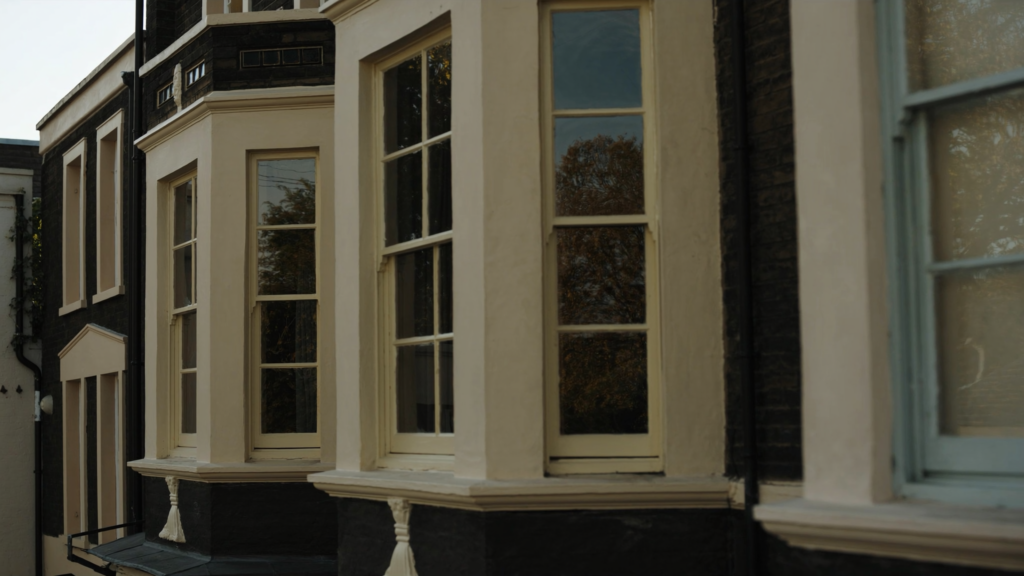
Another local driver is the city’s conservation areas. Clifton, Cotham, and parts of Redland have strict planning rules. Homeowners there are choosing heritage-style double glazing that looks original but performs like modern units. This is a niche but growing market, and installers across Bristol are getting very good at it.
How much Windows costs across Bristol in 2026
Window prices in Bristol sit close to the national average for 2026, but you will see variation depending on your property type and the spec you choose. A standard uPVC double glazed window for a terraced house costs less than an aluminium heritage unit for a conservation area property. Below is a detailed breakdown for the two most common Bristol home types.
| Property type | Window spec | Number of windows | Total cost (supply and fit) | National average comparison |
|---|---|---|---|---|
| 2-bed Victorian terrace | uPVC double glazed, A-rated | 6 | £2,400 – £3,000 | £2,500 – £3,200 (Bristol slightly lower) |
| 2-bed Victorian terrace | Timber heritage double glazed, A-rated | 6 | £4,200 – £5,400 | £4,500 – £5,800 (Bristol competitive) |
| 3-bed semi-detached (1930s) | uPVC double glazed, A-rated | 8 | £3,200 – £4,000 | £3,500 – £4,300 (Bristol slightly lower) |
| 3-bed semi-detached (1930s) | uPVC triple glazed, A++ rated | 8 | £4,800 – £5,800 | £5,000 – £6,200 (Bristol good value) |
| 3-bed semi-detached (1930s) | Aluminium double glazed, A-rated | 8 | £5,600 – £6,800 | £6,000 – £7,500 (Bristol cheaper) |
Why are Bristol prices slightly below the national average in many cases? The city has a healthy number of window installers competing for work. More competition means better prices for you. However, if you live in a conservation area like Clifton or Hotwells, expect to pay a premium for heritage-style windows that meet planning requirements. That premium can add 30% to 50% on top of standard uPVC prices.
Labour costs in Bristol are around £150 to £250 per window for fitting, depending on access and complexity. A terraced house with a flat roof and easy scaffolding access will be cheaper than a semi with a steep pitch and awkward windows. Always ask for a full site survey before getting a quote.
County-specific considerations for Windows
Bristol sits in a relatively sheltered part of the South West. The city gets around 800mm of rain per year, which is moderate. But the prevailing south-westerly winds can drive rain against your windows, especially on exposed sides of a property. This makes water tightness a critical factor. Look for windows with a WER (Window Energy Rating) of A or above, and pay attention to the air leakage rating. A good window should have a class 4 air permeability rating, meaning it seals tightly against wind and rain.
Bristol’s climate is mild compared to northern England. Heating degree days here are around 1,200 to 1,500 per year, which is below average. This means triple glazing is not essential for most homes. Double glazing with a low-E coating and argon gas fill will deliver excellent performance without the extra cost. However, if you live in a particularly exposed spot like the top of St Michael’s Hill or near the Avon Gorge, triple glazing might be worth the investment.
The city’s building stock is a mix of solid wall and cavity wall construction. Victorian terraces typically have solid brick walls. This means your new windows need to be fitted with proper cavity closers and insulation around the frame to prevent thermal bridging. A good installer will use expanding foam and silicone seals to stop draughts. Semi-detached houses from the 1930s often have cavity walls, which are easier to insulate, but the window openings can be non-standard sizes. Expect to pay for made-to-measure frames rather than off-the-shelf sizes.
Conservation areas cover large parts of central Bristol, including Clifton, Cotham, Redland, and parts of Bishopston. If you live in one of these areas, you need planning permission for any window replacement that changes the external appearance. This usually means fitting timber or aluminium windows that match the original style. uPVC is often not allowed. Your installer should handle the planning application as part of the service. Lead times for heritage windows are longer, typically 8 to 12 weeks, compared to 4 to 6 weeks for standard uPVC.
Bristol City Council also has specific guidance on windows in listed buildings. If your home is Grade II listed, you will need listed building consent. This is a more detailed process and usually requires bespoke timber windows that replicate the original design. Expect costs to start at £1,000 per window for this level of work.
Insider tip Always check whether your property is in a conservation area before ordering windows. You can do this on Bristol City Council’s website by entering your postcode. Getting this wrong can mean having to remove and replace windows at your own cost.
The best Windows options for Bristol homes
Your choice of window depends on your home’s age, your budget, and whether you are in a conservation area. Here are the best options for Bristol’s most common property types.
Victorian and Edwardian terraces
These homes look best with timber or aluminium heritage windows. Timber gives the most authentic appearance, but it needs painting every 5 to 7 years. Aluminium is more durable and low maintenance. Both can be fitted with double glazing that achieves a U-value of 1.2 W/m²K or better. If your budget is tight, high-quality uPVC with a woodgrain finish is a compromise. It looks acceptable from a distance but purists will notice.
For energy performance, choose double glazing with a low-E coating and argon gas fill. This gives you a WER of A or A+. Triple glazing is not necessary for Bristol’s climate and adds weight that can strain old timber frames. Stick with double glazing for these properties.
1930s semi-detached houses
These homes often have larger windows with metal or timber frames originally. uPVC is the most popular and cost-effective replacement. You can get A-rated double glazing for around £400 to £500 per window fitted. If you want to improve thermal performance further, triple glazing with a U-value of 0.8 W/m²K is available for around £600 to £750 per window. This is worth considering if your home has solid walls and you cannot add cavity wall insulation.
Aluminium windows are also a good fit for 1930s semis. They offer slim sightlines that suit the period aesthetic, and they are very durable. Prices start at around £700 per window fitted.
Modern homes (post-1990)
Modern homes in Bristol are often built with uPVC double glazing already fitted. If you are upgrading, you can choose between uPVC and aluminium. Aluminium is more expensive but looks sleeker and lasts longer. Triple glazing is becoming standard in new builds, so if you are replacing windows in a modern home, triple glazing is a sensible choice. It will give you a U-value of 0.8 W/m²K or better, and it reduces noise from busy roads.
| Window type | Best for | U-value (W/m²K) | WER rating | Price per window fitted |
|---|---|---|---|---|
| uPVC double glazed | Budget-friendly, all property types | 1.2 – 1.4 | A to A+ | £350 – £500 |
| uPVC triple glazed | Modern homes, noise reduction | 0.8 – 1.0 | A++ | £550 – £750 |
| Aluminium double glazed | Heritage look, durability | 1.2 – 1.4 | A to A+ | £650 – £900 |
| Timber heritage double glazed | Conservation areas, listed buildings | 1.2 – 1.4 | A to A+ | £800 – £1,200 |
Grants and funding for Windows in 2026
Several schemes are available to help Bristol homeowners reduce the cost of window replacements. Here are the main ones for 2026.
Great British Insulation Scheme (GBIS)
This scheme is still running in 2026. It provides funding for energy efficiency improvements, including window upgrades, for low-income households. To qualify, you must be receiving certain benefits or have a household income below £31,000. The scheme covers up to 100% of the cost for eligible households. You apply through your energy supplier. In Bristol, the main suppliers are British Gas, EDF, E.ON, and OVO. Lead times for approval are 4 to 8 weeks.
ECO4 (Energy Company Obligation)
ECO4 is the fourth phase of this government scheme. It targets low-income and vulnerable households. It can fund window replacements if your home has an EPC rating of E, F, or G. The scheme covers the full cost of installation for eligible households. You do not need to pay anything upfront. To apply, contact your energy supplier or a local installer who works with ECO4 funding. In Bristol, several installers are accredited under this scheme.
Local Authority Delivery (LAD) scheme
Bristol City Council has used LAD funding in previous years to support energy upgrades in low-income areas. In 2026, the scheme has been rolled into the broader Social Housing Decarbonisation Fund, but some residual funding may still be available. Check the council’s website for updates. If you live in a council or housing association property, your landlord may be able to access this funding for window replacements.
South West-specific programmes
The South West Energy Hub runs a retrofit advice service for homeowners across the region, including Bristol. They can help you identify grants and low-interest loans for window upgrades. The hub also coordinates the Home Upgrade Grant (HUG) for off-gas homes. If your property uses oil or LPG for heating, you may qualify for up to £10,000 in grants for energy efficiency measures, including windows.
Insider tip Many Bristol homeowners miss out on grants because they assume they are not eligible. Check the Simple Energy Advice website or call the South West Energy Hub for a free eligibility check. You might be surprised what funding is available.
How to find trusted Windows installers in Bristol
Finding a good window installer in Bristol is straightforward if you know what to look for. The city has dozens of companies, but quality varies widely. Here is how to choose wisely.
Certifications that matter
Look for installers who are certified by FENSA or CERTASS. These are the main self-certification schemes for window installations in England and Wales. FENSA-certified installers can self-certify their work, meaning you do not need a separate building regulations inspection. This saves time and money. Also check if the installer is a member of the Double Glazing and Conservatory Ombudsman Scheme (DGCOS). This gives you a route to resolve disputes if something goes wrong.
Getting good quotes
Get at least three quotes for your window replacement. Make sure each quote includes the same specification. Compare the window U-value, the WER rating, the frame material, and the warranty length. A good installer will offer a 10-year guarantee on the windows and a 5-year guarantee on the installation. Ask for references from previous customers in your area. Bristol installers should have a portfolio of local work you can view.
Typical lead times
In 2026, standard uPVC windows take 4 to 6 weeks from order to installation. Aluminium and timber windows take longer, typically 8 to 12 weeks. Heritage windows for conservation areas can take 10 to 14 weeks due to the bespoke manufacturing process. Plan your project accordingly. Avoid ordering in December or January when demand is highest and lead times stretch.
How installer coverage works across Bristol
Most window installers in Bristol cover the entire city and the surrounding areas. Some specialise in certain property types. For example, companies like Bristol Window Company focus on Victorian terraces, while others like Avon Windows do mainly uPVC for modern homes. Ask about their experience with your specific property type. A good installer will have a portfolio of similar homes in your neighbourhood.
Savings you can expect from Windows in Bristol
Replacing old single glazing with modern double glazing can significantly reduce your energy bills. Using Bristol’s average energy consumption data, here is what you can expect.
The average Bristol home uses 11,000 kWh of gas and 3,100 kWh of electricity per year. With an EPC rating of Band D, your annual energy costs are around £1,800 to £2,200 depending on your tariff. Replacing single glazing with A-rated double glazing can reduce heat loss through windows by up to 50%. This translates to annual savings of £150 to £250 on your heating bill, depending on the size of your home and the number of windows replaced.
For a typical 3-bed semi-detached house with 8 windows, the savings break down like this:
| Window type replaced | Annual gas saving | Annual electricity saving | Total annual saving | Payback period | EPC improvement |
|---|---|---|---|---|---|
| Single glazing to uPVC double glazed (A-rated) | £180 | £20 | £200 | 16 to 20 years | Band D to Band C |
| Single glazing to uPVC triple glazed (A++ rated) | £220 | £25 | £245 | 20 to 24 years | Band D to Band C |
| Old double glazing (F-rated) to new A-rated double glazing | £100 | £10 | £110 | 29 to 36 years | Band D to Band D (minor improvement) |
The payback period for window replacements is long, typically 16 to 24 years. This is because windows are expensive and the annual savings are modest compared to