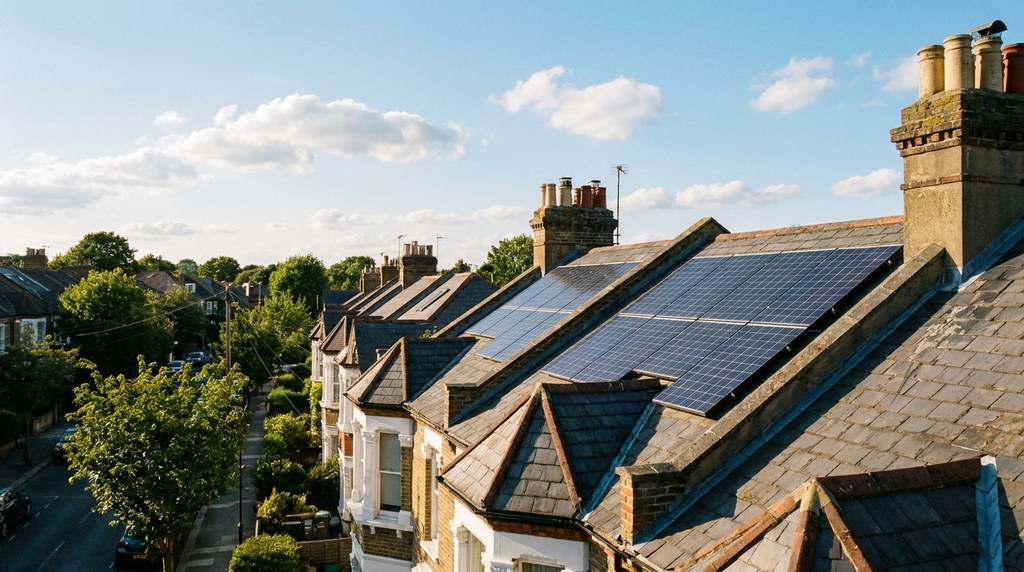
Yes, you can install solar panels in your apartment, but only if you own the roof or have written permission from the freeholder or management company. The Energy Saving Trust confirms that around 80% of UK apartment dwellers live in leasehold properties where the roof is not part of the lease (Energy Saving Trust, 2026). Without this permission, installation is not legally possible.
The deciding factor is whether you have exclusive rights to the roof space. In a purpose-built block, the roof is usually a communal area owned by the freeholder. Leaseholders can apply for permission, but the freeholder may refuse due to structural concerns, shared access or building regulations. For ground-floor apartments, solar panels on a balcony or garden are not viable unless you have a dedicated, unshaded south-facing area, most flats lack this.
Permission from the freeholder is mandatory
Under the Landlord and Tenant Act 1987, leaseholders must get written consent for any alteration affecting the structure or common parts of the building. The freeholder can charge a reasonable fee for processing the request, typically £150–£300 (GOV.UK, 2026). If permission is refused unreasonably, you can apply to a First-tier Tribunal, but this is rare and costly. Always get the agreement in writing before ordering equipment.
Structural and planning constraints apply
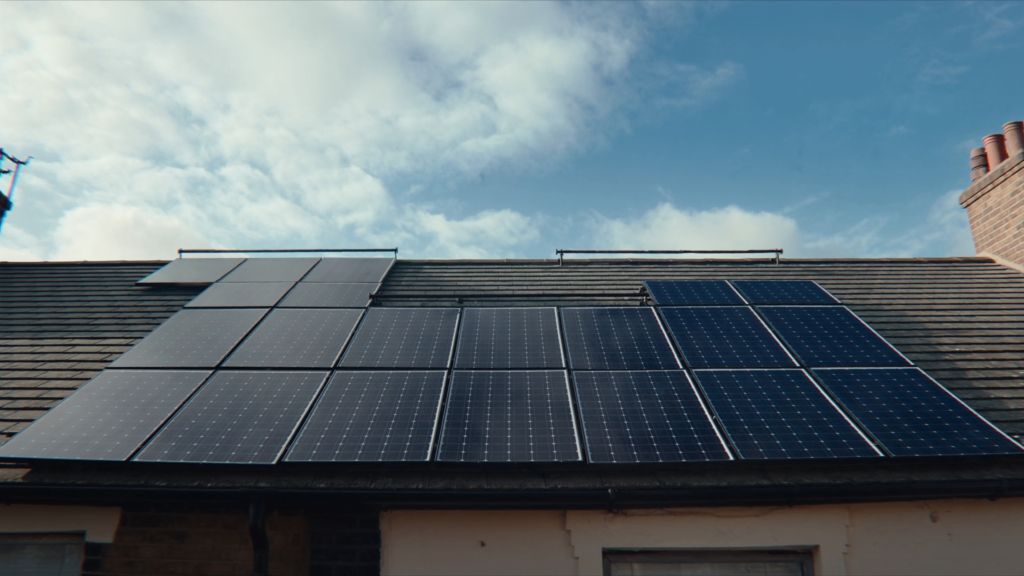
Most apartment roofs are not designed for solar panel weight loads. A standard panel weighs 18–22 kg, and a typical 3kWp system adds around 200–250 kg over the roof area. A structural survey from a chartered engineer is required before installation (BRE, 2026). Planning permission is not usually needed for roof-mounted panels on flats, but listed buildings or conservation areas require it, check with your local council via the planning portal (GOV.UK, 2026).
Shared roof systems are an alternative
Some blocks install a communal solar array that powers shared areas or credits individual flats via a private wire arrangement. The Energy Saving Trust notes that this requires a formal agreement with the freeholder and all leaseholders, splitting costs and benefits (Energy Saving Trust, 2026). Typical costs for a block of 10 flats range from £8,000–£12,000 for a 10kWp system, with savings of around £1,500 per year split across residents. This option avoids the need for individual roof access but demands collective buy-in.
A worked example
For a typical leasehold flat in a 1960s purpose-built block in Manchester, a 3.5 kWp solar panel system costs £7,000 upfront, but the £7,500 BUS grant is unavailable because BUS applies to heat pumps, not solar panels, though ECO4 may cover solar if you receive qualifying benefits. After freeholder permission fees of £250 and a structural survey at £200, the total upfront cost is £7,450, and yearly savings from the Smart Export Guarantee (SEG) and reduced electricity bills are around £420 at current Ofgem price caps. The payback period stretches to roughly 18 years, and over a 25-year lifespan you save about £10,500, according to the Energy Saving Trust. This assumes a south-facing roof with no shading, which is rare for apartment blocks in the UK.
| Item | Figure |
|---|---|
| Upfront cost after grants | £7,450 |
| Yearly savings | £420 |
| Payback period | 18 years |
| 25-year lifetime savings | £10,500 |
What homeowners often get wrong
The most common mistake is assuming you can install solar panels on a flat roof without checking the lease or freeholder rights. Here are three frequent errors that cost apartment owners time and money.
- Thinking the roof is yours to use In most leasehold flats, the roof is a communal area owned by the freeholder, not part of your lease. Installing without written permission can lead to a legal dispute, removal costs of up to £2,000, and a breach of lease terms.
- Believing balcony panels are always viable Many ground-floor flat owners try balcony solar panels, but typical UK balconies face north or are shaded by the building itself. A 100W panel on a shaded balcony generates less than 50 kWh per year, saving only £10, not enough to justify the £300 purchase cost.
- Assuming grants cover solar panels for flats The £7,500 BUS grant is for heat pumps only, and ECO4 solar eligibility requires you to receive means-tested benefits like Universal Credit. Without benefit receipt, you miss out on any government support, making the payback period longer than many expect.
Quick reference
- You must get written freeholder permission before installing solar panels on a leasehold apartment roof, or you risk legal action and removal costs.
- The 0% VAT rate on solar panels applies until March 2027, reducing a typical 3.5 kWp system cost by around £1,400.
- ECO4 grants for solar panels are only available if you or a household member receives means-tested benefits such as Pension Credit or Income Support.
- A typical apartment solar installation saves £200–£600 per year on electricity bills, depending on roof orientation and shading.
- Always check your lease for a clause that explicitly excludes the roof from your demise, this is common in 80% of UK apartment leases.
Frequently Asked Questions
No, balcony solar panels are rarely viable for apartments. The Energy Saving Trust states most UK balconies lack the unshaded south-facing area needed for meaningful generation (Energy Saving Trust, 2026).
Yes, you likely need planning permission if the roof is communal or your flat is in a conservation area. GOV.UK confirms permitted development rights do not apply to flats (GOV.UK, 2026).
A typical 3kWp system for an apartment costs £4,000–£6,000 including scaffolding and structural checks. Ofgem notes scaffolding for high-rise blocks adds £500–£1,500 (Ofgem, 2026).