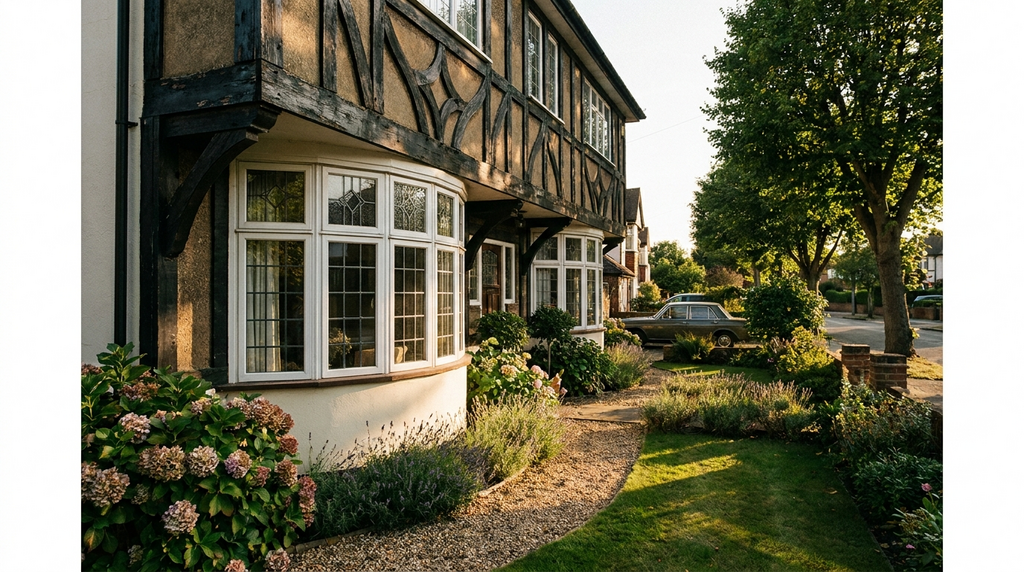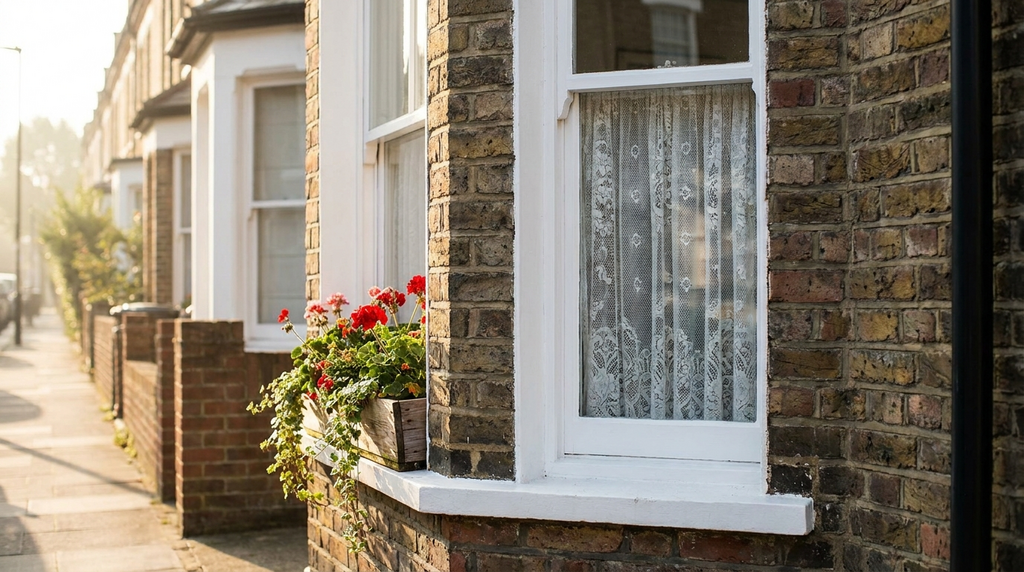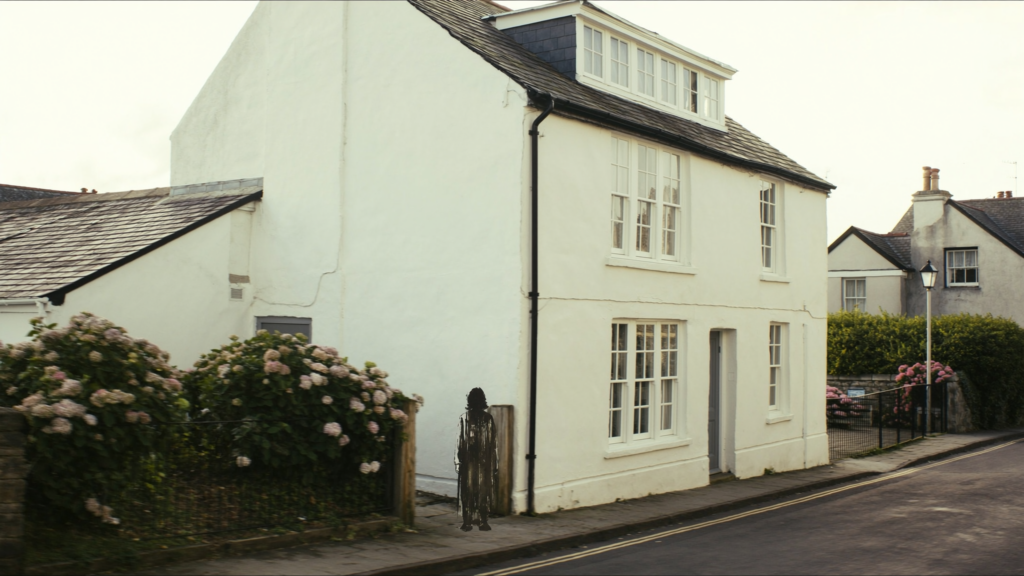
Secondary Glazing, The Discreet Heritage-Friendly Alternative
Secondary glazing saves £195 per year on heating bills for a single-glazed semi-detached home. Installation costs £1,200–£2,500 for a 3-panel kit. It reduces heat loss by up to 65% and…
Expert guides on double glazing, triple glazing, window types, costs, and energy ratings for UK homeowners. Find out which windows save the most energy and money.
452 articles
Secondary glazing saves £195 per year on heating bills for a single-glazed semi-detached home. Installation costs £1,200–£2,500 for a 3-panel kit. It reduces heat loss by up to 65% and…
Triple glazing costs £800–£1,500 per window installed in 2026, with a typical 10-window semi-detached home costing £8,000–£15,000. Annual energy savings are £110–£195, but the payback period is 40–80 years, so…
Double glazing UK 2026 costs £4,000–£8,000 for a three-bed semi. Annual energy savings range from £115 to £255 when replacing single glazing, according to the Energy Saving Trust. Compare quotes…
Double glazing reduces internal condensation by up to 60–70% versus single glazing, but ventilation matters more. Find out what actually works.
Yes, double glazing will reduce noise by up to 32 dB, but performance varies by glass type and gap width. Find out which option works best for your home.
UK Building Regulations 2026 require certain windows and doors to open inwards for fire escape and wind-load safety. Here is what the rules mean for your home.
EPC flags double glazing as poor when U-values exceed 1.2 W/m²K. Older units often reach 3.0 W/m²K. Upgrading to A-rated windows can cut heat loss by 50%.
Double glazing is better than single because it cuts heat loss by ~50% and saves £115-£195 yearly. Learn how U-values and argon gas improve efficiency.
Argon gas cuts heat loss by 30% and drops U-values from 2.7 to 1.6 W/m²K, saving a semi-detached home £75–£100 a year on energy bills.
Condensation between double glazing panes means a failed seal that cuts thermal efficiency by up to 50%. Replacing the sealed unit costs £150–£300 per window.
Windows and doors cause up to 25% of UK home heat loss. Draught-proofing alone saves £60 a year, here's what's driving the problem.
Thermal stress causes 15% of double glazing failures, says the Glass and Glazing Federation. Find out what else shatters sealed units and how to prevent it.
Yes, external misting on double glazing is normal and means your windows are energy efficient. Learn why it happens and when to worry.
Failed seals let moisture into the gap between panes, causing misting. Learn why seals fail after 10–20 years and how replacing the sealed unit saves money.
UK Building Regulations have required trickle vents on replacement double glazing since 2022. Here is what that means for your home and property sale.
Seal failure causes cloudy double glazing in over 90% of cases. Find out why it happens, how argon gas escapes, and when to replace the sealed unit.
Condensation on the inside of double glazing usually means a failed seal. Learn the difference between trapped moisture and room-side dampness.
UK Building Regulations require openable windows covering 1/20th of floor area. Here's what the rules mean for ventilation, fire escape, and security.
Headers stop walls sagging over openings wider than 600mm. UK Building Regulations require a lintel in every loadbearing wall, here is how to choose the right one.
Closing windows when sweeping reduces dust and allergens. The Energy Saving Trust says open windows let outdoor particles in, making cleaning less…
Yes, double glazing windows blow when the seal fails, costing £50–£150 to repair. Learn why seals break and how to fix blown windows.
Edge seal failure causes most double glazing misting, with units lasting 20–25 years. Learn what accelerates failure and when replacement is worth it.
External condensation on double glazing is a sign of high energy efficiency. Learn why it happens and what UK Building Regulations require for new windows.
External condensation on double glazed windows proves they are working efficiently. Learn why it happens and what it means for heat retention in your home.
A full house of uPVC double glazed windows typically costs between 4,000 and 8,000 pounds for a three-bedroom semi-detached house. Individual windows range from 300 to 800 pounds depending on size and opening style. Prices include supply, fitting, and building regulations certification.
Triple glazing costs around 20 to 30 percent more than double glazing but delivers a U-value of around 0.8 compared to 1.2 for standard double glazing. The energy savings are modest for most UK homes, making it most worthwhile for north-facing rooms, noisy locations, or new builds where the price premium is smaller.
Most window replacements fall under permitted development and do not need planning permission. However, if your home is a listed building or in a conservation area, you will likely need consent. The installer must be FENSA registered or you will need separate building control sign-off.
Modern double glazed sealed units typically last 20 to 25 years. uPVC frames can last 25 to 35 years with minimal maintenance. Signs that replacement is needed include misting between panes, draughts around seals, difficulty opening or closing, and visible frame deterioration.
No UK scheme funds replacement windows on their own. The Great British Insulation Scheme closed on 31 March 2026 and only ever covered insulation, never glazing. ECO4 runs to 31 December 2026 in Great Britain only and targets insulation and heating for households on qualifying benefits; glazing is included only where it forms part of a wider whole-house retrofit. Glazing is also standard-rated for VAT at 20%, as HMRC lists double and secondary glazing as excluded from the energy-saving materials zero rate.
Triple glazing achieves U-values of 0.8 W/m²K compared to 1.4 W/m²K for double glazing, saving UK homeowners an additional £30-50 per year in heating costs while providing superior noise reduction…
New windows in the UK cost £300-£1,200 per window depending on material and specification. A full house replacement for a three-bedroom semi ranges from £3,500 to £7,500 for uPVC double…
Secondary glazing is generally worth it for a Victorian terraced house, particularly where conservation area rules prevent sash window replacement. Fitted internally without altering the building's exterior, it can reduce…
Low E glass windows are worth it for UK homeowners because the invisible metallic coating significantly reduces heat loss through the glass, helping homes meet Building Regulations under Part L…
Window security ratings in the UK are primarily defined by PAS 24, a British Standards Institution specification requiring windows to pass independent forced-entry testing, and Secured by Design, a police-backed…
Double glazed windows mist up inside when the hermetic seal around the unit fails, allowing humid air to enter the gap between the panes where it condenses. This is a…