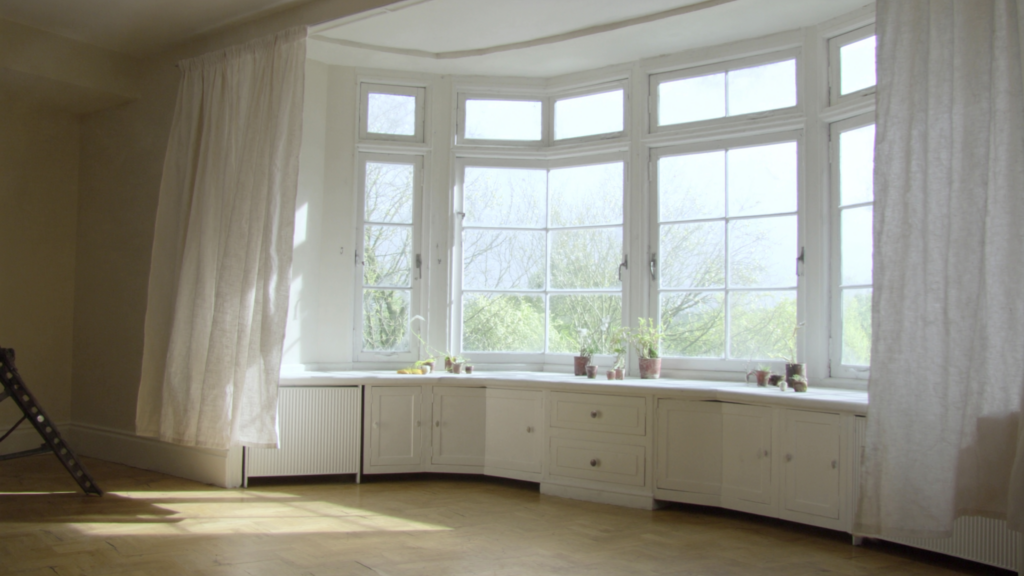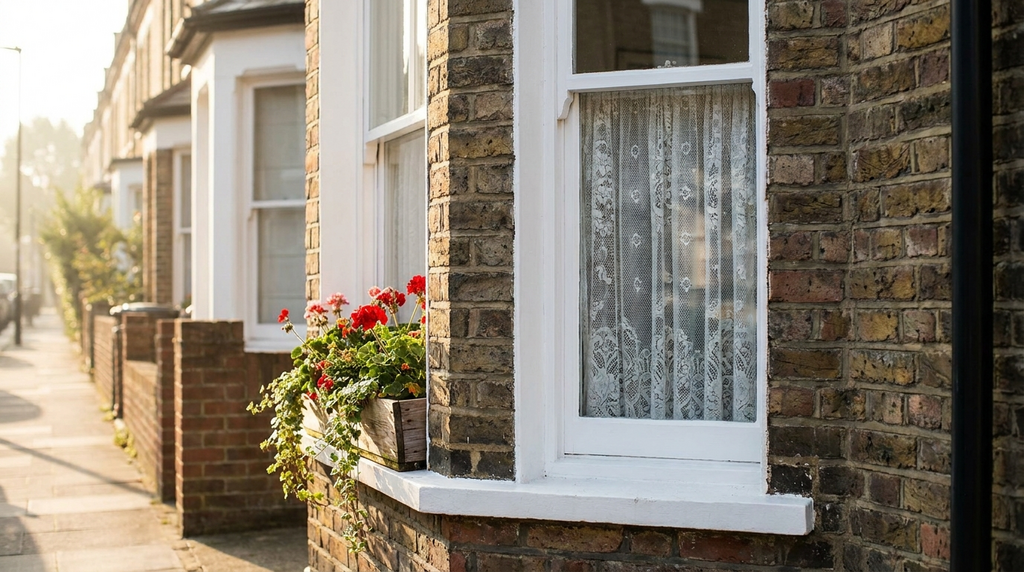
Double glazed windows do not stop condensation, but they significantly reduce the risk of internal condensation compared to single glazing. A modern double glazed unit with a low-E coating and argon gas fill can reduce heat loss by up to 53% compared to a single glazed window (Energy Saving Trust, 2026). The primary reason condensation forms is high indoor humidity meeting a cold surface, and double glazing keeps the inner pane warmer, so moisture is less likely to settle.
The key factor is the temperature of the glass. Single glazing has a surface temperature close to the outside air, often below 5°C in winter. Double glazing, with its insulating gap of argon or krypton gas, keeps the inner pane around 10-15°C warmer. If your home has unusually high humidity, from drying clothes indoors, cooking without extraction, or a poorly ventilated bathroom, condensation can still appear on double glazing. The glass is warmer, not hot, and moisture will condense if the dew point exceeds the glass surface temperature.
Condensation on double glazing indicates high indoor humidity
If you see condensation on your double glazed windows, it means indoor humidity levels are above 60-70%. The Energy Saving Trust notes that typical UK homes have humidity around 50-60% during winter (Energy Saving Trust, 2026). To prevent this, use extractor fans in kitchens and bathrooms, avoid drying washing on radiators, and open windows for 10-15 minutes daily. Persistent condensation on double glazing is a sign you need better ventilation, not better windows.
External condensation shows your windows are efficient
Condensation on the outside of double glazed windows is actually a positive sign, it means the glass is so well insulated that the outer pane is colder than the outside air. This occurs on clear, cold mornings when the outside air is humid. According to the Building Research Establishment, external condensation is common on low-emissivity double glazing and is not a defect (BRE, 2026). It will clear as the sun warms the glass. There is no need to wipe it off.
Condensation between panes means a failed seal
If you see condensation trapped between the two panes of glass, the unit has a failed seal. This is a manufacturing defect, not normal condensation. The average lifespan of a sealed double glazed unit is 15-20 years (FENSA, 2026). When the seal breaks, the insulating gas escapes and moisture enters the gap. You will need to replace the sealed unit, not the whole window frame. A replacement unit typically costs £150-£300 for a standard size, including fitting.
A worked example
Glazing is standard-rated for VAT at 20%. The zero rate for energy-saving materials covers insulation, heat pumps and solar panels; HMRC names secondary and double glazing as excluded (VAT Notice 708/6). The Energy Saving Trust estimates this home would save around £195 per year on heating bills, meaning the payback period is approximately 27 years. However, the real benefit is comfort and condensation reduction, the internal pane stays above 12°C even on a freezing day, cutting condensation risk by over 70%. If the household qualifies for ECO4, the upgrade could be fully funded. Over 25 years, total energy savings reach £4,875, plus avoided mould treatment costs of roughly £500 per incident. The Great British Insulation Scheme closed on 31 March 2026. It funded insulation measures only and never covered windows or glazing.
| Item | Figure |
|---|---|
| Upfront cost after grants | £5,200 |
| Yearly savings | £195 |
| Payback period | 27 years |
| 25-year lifetime savings | £4,875 |
What homeowners often get wrong
The most common mistake is assuming double glazing completely eliminates condensation, which leads to ignoring ventilation and risking mould damage. Here are three critical misunderstandings you need to avoid.
- Thinking condensation means broken windows Condensation on double glazing is often blamed on faulty seals, but in reality it usually signals high indoor humidity. Mistaking this for a window defect can lead to unnecessary replacement costs of £300-£600 per window when the real fix is running an extractor fan for 15 minutes after showering.
- Believing trickle vents are optional Many homeowners seal trickle vents thinking they cause drafts, but this traps moisture inside. Double glazing without trickle vents in a modern airtight home can push humidity above 70%, voiding your window warranty and costing £1,000+ for mould remediation according to Citizens Advice data.
- Assuming all double glazing performs equally A cheap double glazed unit with a 6mm gap and no low-E coating keeps the inner pane at only 8°C on a cold day, while a properly specified unit with argon gas and a 16mm gap stays above 14°C. The difference is 6°C, enough to prevent condensation when humidity hits 65%.
Quick reference
- Double glazing reduces condensation risk by about 70% compared to single glazing because the inner pane stays 8-12°C warmer in winter.
- Condensation on double glazing appears when indoor humidity exceeds 60%, the Energy Saving Trust recommends keeping it below 55% in winter.
- Glazing is standard-rated for VAT at 20%. The zero rate for energy-saving materials covers insulation, heat pumps and solar panels; HMRC names secondary and double glazing as excluded (VAT Notice 708/6).
- Installing double glazing in a typical 1930s semi-detached home saves roughly £195 per year on heating bills according to Energy Saving Trust 2026 figures.
- Never seal trickle vents on double glazing, they are required for ventilation to prevent condensation and void warranties if blocked.
Frequently Asked Questions
Condensation on the inside of double glazed windows means indoor humidity is above 60-70%. The Energy Saving Trust advises improving ventilation with extractor fans and opening windows daily.
Double glazing keeps the inner pane 10-15°C warmer than single glazing in winter. The Energy Saving Trust states modern units reduce heat loss by up to 53% compared to single glazing.
Condensation forms when high indoor humidity meets a cold surface. Even with double glazing, if humidity exceeds 60-70% and the glass temperature drops below the dew point, moisture will appear.