A River Town With Real Character, and Some Interesting Energy Challenges
Upton upon Severn sits right on the bank of the River Severn, and if you’ve lived here for any length of time, you’ll know that the river shapes everything, including how your home performs. The flood risk in lower-lying parts of town, particularly around the waterfront and Old Street area, means some homeowners have had to think carefully about where they install equipment like heat pump units or battery storage. It’s a picturesque backdrop, but it genuinely affects the choices you make.
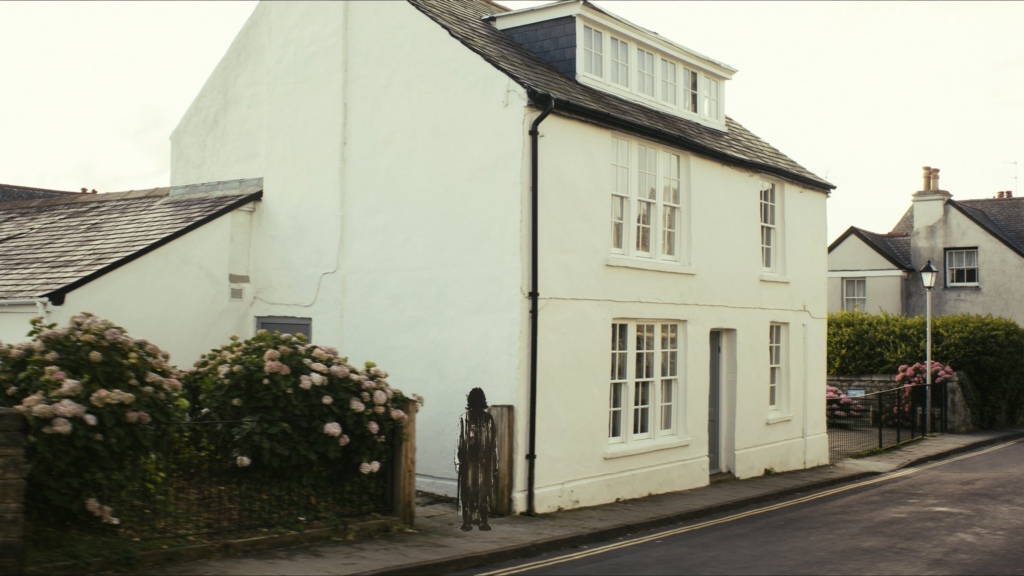
The town itself is a characterful mix. There are lovely older properties clustered around the famous “Pepperpot” church tower in the historic centre, solid Victorian and Edwardian terraces along the main streets, and a spread of post-war detached homes on the residential estates that grew up around the fringes through the 1950s and 1960s. With around 2,884 residents, Upton is small enough that word gets around quickly about which installers do a good job, and which ones don’t.
What makes eco improvements particularly interesting here is the combination of genuinely good solar potential (you’re in the southern part of Worcestershire, with better sunshine hours than most of the Midlands), the town’s position in a moderate climate that makes heat pumps viable, and the fact that many homes are sitting at Band D and could realistically reach Band C with a focused programme of upgrades. For many homeowners, that shift represents £600 to £900 in annual energy savings, real money worth going after.
For the wider county picture, including how Upton sits within Worcestershire’s retrofit landscape, take a look at our eco homes in Worcestershire overview.
What Does Band D Actually Mean for Your Energy Bills in Upton upon Severn?
Band D is the national average EPC rating, and Upton upon Severn sits right on that mark. That sounds reassuring until you realise “average” in the UK means your home is probably losing heat in ways that are entirely fixable. Band D homes typically score between 55 and 68 on the EPC scale, which translates to a home that’s adequately but not well insulated.
In practical bill terms, a typical Band D home in Upton upon Severn with 12,600 kWh of gas use per year and 3,100 kWh of electricity is spending roughly £1,700 to £2,000 per year on energy at 2026 tariff rates. That’s before you add standing charges. A Band C home doing the same things typically spends £300 to £500 less annually, and a Band B home can save £700 to £900 compared to Band D.
The West Midlands as a region has a higher-than-average proportion of 1930s to 1960s housing, and many homes in this era have unfilled cavity walls, meaning insulation was never added even though the cavity is there waiting. In Upton’s residential estates off School Road and the newer streets around the edges of town, this is genuinely common. It’s one of the quickest and cheapest wins available.
The historic properties around the town centre are a different story. Older solid-wall buildings lose heat faster and need a different approach, which we’ll cover in the insulation section below. If you’re in a listed property near the conservation area around the High Street, you’ll also need Malvern Hills District Council’s sign-off before making changes to the exterior.
Solar Panels in Upton upon Severn, Better Than You Might Expect
Upton upon Severn sits in one of the better solar zones in the UK. With 1,200 to 1,500 sunshine hours per year and solar irradiance of around 1,100 to 1,200 kWh per square metre annually, you’re performing meaningfully better than towns further north in the county like Kidderminster or Redditch. For a rooftop solar installation, that difference in irradiance directly translates into more electricity generated per panel.
The typical housing mix here, terraced homes along the older streets and detached properties on the residential estates, suits solar reasonably well. South-facing roofs on the detached homes around the Tunnel Hill Road area and the estates to the north and east of town are particularly well positioned. If you’re in a terraced property with an east-west roof orientation, you can still generate useful amounts, though your system will perform perhaps 15 to 20 percent below the figures in the table below.
One practical note, if your property falls within the Upton upon Severn Conservation Area (which covers much of the historic core around the High Street and Old Street), you’ll need to check with Malvern Hills District Council before fitting panels on a principal elevation. Rear roof installations are usually fine and sometimes don’t even require planning permission under permitted development rules, but it’s always worth confirming first.
| System Size | Typical Install Cost (2026) | Annual Generation (estimated) | Annual Bill Saving | Payback Period |
|---|---|---|---|---|
| 3 kW | £5,500 – £6,500 | 2,700 – 3,000 kWh | £480 – £560 | 11 – 13 years |
| 4 kW | £7,000 – £8,200 | 3,600 – 4,000 kWh | £630 – £730 | 10 – 12 years |
| 6 kW | £9,500 – £11,500 | 5,400 – 6,000 kWh | £900 – £1,050 | 9 – 11 years |
Adding a battery storage system (around £3,500 to £5,000 for a 5–10 kWh unit) makes a meaningful difference in Upton, where evening electricity use is significant. You capture the solar generation that would otherwise be exported, and the payback on the combined system improves noticeably if you run appliances in the evening.
Installers regularly covering Upton upon Severn typically travel from Worcester (15km away) and Pershore (11km), and some from Cheltenham (20km). You’re well within the service radius of a decent number of MCS-certified solar companies, so getting three competitive quotes shouldn’t be difficult.
Heating Choices That Actually Work for Upton upon Severn Homes
Upton upon Severn’s climate is genuinely mild compared to much of England. With 1,200 to 1,500 heating degree days per year (compared to around 2,000 in parts of northern England), your heating system doesn’t have to work nearly as hard. This is actually good news for heat pump performance, air source heat pumps perform best in milder climates and are a strong fit here.
Here’s how the main options compare for typical Upton properties at 2026 running costs:
| Heating System | Best Suited To | Install Cost | Annual Running Cost (typical) | Key Consideration |
|---|---|---|---|---|
| Gas boiler (A-rated) | Gas-connected homes | £2,500 – £3,500 | £900 – £1,100 | Lower upfront cost, carbon not reducing |
| Air source heat pump | Detached and semi-detached homes | £10,000 – £14,000 | £800 – £1,200 | Boiler Upgrade Scheme cuts install cost by £7,500 |
| Ground source heat pump | Detached homes with garden space | £20,000 – £28,000 | £700 – £1,000 | High efficiency, high upfront cost |
| Oil boiler (upgrade) | Off-gas-grid homes | £3,500 – £5,000 | £1,300 – £1,700 | Volatile fuel costs, phase-out planned |
Given that Upton upon Severn is a smaller settlement at the edge of the main gas network, it’s worth checking your specific street’s connection status. Some properties on the outer edges of town and in the surrounding hamlets rely on oil or LPG. If you’re in that situation, an air source heat pump with the £7,500 Boiler Upgrade Scheme grant effectively brings your out-of-pocket cost to £2,500 to £6,500, which is genuinely competitive with fitting a new oil boiler and eliminates ongoing fuel price volatility.
For terraced homes in the older parts of town, heat pumps work well provided the insulation is improved first. A poorly insulated terrace will make any heat pump strain to keep up. Get the insulation sorted, then switch the heating, that’s the right sequence.
Where to Start With Insulation, the Upton upon Severn Priority Order
Insulation is almost always the first thing to tackle, and in Upton upon Severn the priorities are fairly clear depending on which type of property you own.
Cavity Wall Insulation
If you’re in one of the post-war detached homes or terraces built from the 1930s onwards, there’s a very good chance your cavity walls are unfilled. This is the single best-value upgrade you can make in terms of cost versus annual savings. A professional cavity wall survey (often free from installers) will confirm whether your walls are suitable.
- Typical cost for a terraced home, £700 to £1,200
- Typical cost for a detached home, £1,200 to £1,800
- Annual saving, £200 to £350
- Payback, often under 5 years
Loft Insulation
If your loft has less than 270mm of insulation (the current recommended depth), topping it up is cheap and fast. Many homes in Upton have older loft insulation that was installed to previous standards and is now underperforming.
- Typical cost, £400 to £700 for a top-up
- Annual saving, £150 to £250
- Often partially or fully funded through grant schemes (see below)
Solid Wall Insulation for Older Properties
The historic properties around the town centre and Conservation Area present more of a challenge. Solid stone or brick walls need either internal wall insulation (which reduces room size slightly) or external wall insulation (which requires planning approval in a conservation area and Malvern Hills District Council’s consent). It’s more expensive but can transform the comfort and efficiency of an older property.
- Internal wall insulation, £5,000 to £12,000 depending on property size
- External wall insulation, £8,000 to £20,000, planning permission likely required in conservation areas
- Annual saving, £300 to £600
Floor Insulation
Often overlooked, but suspended timber floors (common in Victorian and Edwardian terraces) can lose a surprising amount of heat. Insulating underneath costs £1,000 to £2,000 for a typical terraced home and saves around £80 to £130 annually. It’s not the first priority, but once you’ve done the walls and loft, it’s worth adding.
Grants and Funding Upton upon Severn Residents Can Actually Get in 2026
Funding the work is where many homeowners get stuck, so here’s a clear breakdown of what’s actually available to you.
The Warm Homes Plan, Great British Insulation Scheme
This is the main national grant route for insulation in 2026. You may qualify if your home is rated Band D or below (Upton’s average, so many households will be eligible) and you either receive means-tested benefits or live in a low-income area. Grants cover loft and cavity wall insulation at no cost to you if you qualify on income grounds, or a significant subsidy otherwise. Apply through the national portal or ask your energy supplier directly, they’re obligated to participate.
The Boiler Upgrade Scheme
This provides a £7,500 grant towards an air source heat pump and £7,500 towards a ground source heat pump. You apply through your MCS-certified installer, not directly to the government. The grant comes off the installer’s invoice, so you just pay the balance. For off-gas-grid homes in and around Upton, this is highly relevant.
West Midlands Combined Authority Retrofit Programme
The WMCA runs its own retrofit funding stream that can complement national grants, particularly for lower-income households and properties with poor EPC ratings. Eligibility and available funding amounts vary, check directly with Malvern Hills District Council for how this applies to Upton upon Severn specifically, as the local authority administers referrals. The council’s housing team is your first port of call.
ECO4 Scheme
Energy Company Obligation 4 continues in 2026, funding insulation and heating upgrades for households on qualifying benefits. If you receive Universal Credit, Pension Credit, or similar, you may be entitled to a fully funded package of measures. Again, your energy supplier is the starting point, or use the Simple Energy Advice government service online.
VAT Reduction on Energy Efficiency Measures
All energy efficiency installations, insulation, solar panels, heat pumps, currently attract 0% VAT rather than the standard 20%. This isn’t a grant but it makes a material difference to the quoted price. Glazing is standard-rated for VAT at 20%. The zero rate for energy-saving materials covers insulation, heat pumps and solar panels; HMRC names secondary and double glazing as excluded (VAT Notice 708/6).
Finding Good Installers Around Upton upon Severn, What to Look For
Upton is a small town, and most specialist eco-home installers will travel from Worcester, Pershore, Evesham, or occasionally Cheltenham. That’s not a problem, these are all within easy reach, but it does mean you should expect a slight premium on travel time compared to larger towns, and waiting times for popular installers can run to