Are you considering replacing your gas or oil boiler with a heat pump? Understanding the full breakdown of installation costs in 2026 is the first step to deciding if this is the right investment for your home.
The average heat pump install cost in 2026 is £12,000–£15,000 for an air-source system before the £7,500 Boiler Upgrade Scheme grant. Ground-source pumps cost £24,000–£35,000. Your final cost depends on whether your home needs radiator or hot water cylinder upgrades.
- Air-source heat pump installation costs £12,000–£15,000 before grant.
- Boiler Upgrade Scheme cuts cost by £7,500 for air-source pumps.
- Ground-source heat pumps cost £24,000–£35,000 before grant.
- Unit price ranges from £4,000 to £8,000 of the total.
- System modifications add £3,000–£6,000 for pipework and radiators.
- The main cost components are the heat pump unit, installation labour, and system modifications
- Quick numbers key cost and savings figures for 2026
- Eligibility for the Boiler Upgrade Scheme grant depends on property type, existing heating system, and installer certification
- You must use an MCS-certified installer to qualify for the grant, and you can verify their certification online
- The direct answer to "how much does a heat pump installation cost in 2026?" is £7,500–£10,500 after the £7,500 grant
- Additional costs and savings you should factor into the total
- How to get an accurate quote and confirm your eligibility before you commit
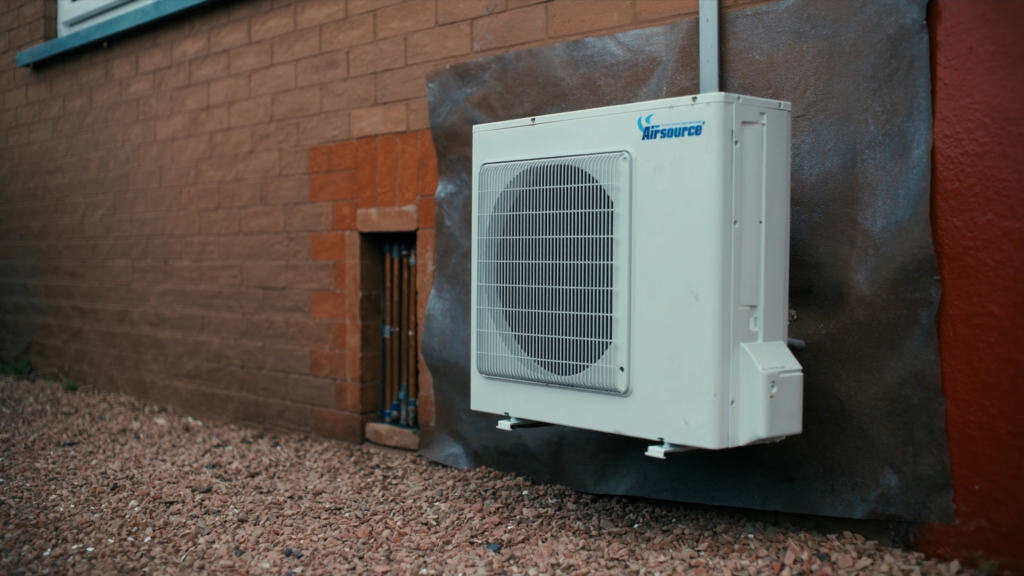
The average heat pump install cost breakdown for 2026 shows a typical air-source heat pump installation in a three-bedroom semi-detached home costs between £12,000 and £15,000 before the government grant, and between £7,500 and £10,500 after the Boiler Upgrade Scheme (BUS) grant of £7,500 is applied (DESNZ, 2026; Energy Saving Trust, 2026). Ground-source heat pumps cost significantly more, typically £24,000–£35,000 before the same £7,500 grant.
The main cost components are the heat pump unit, installation labour, and system modifications
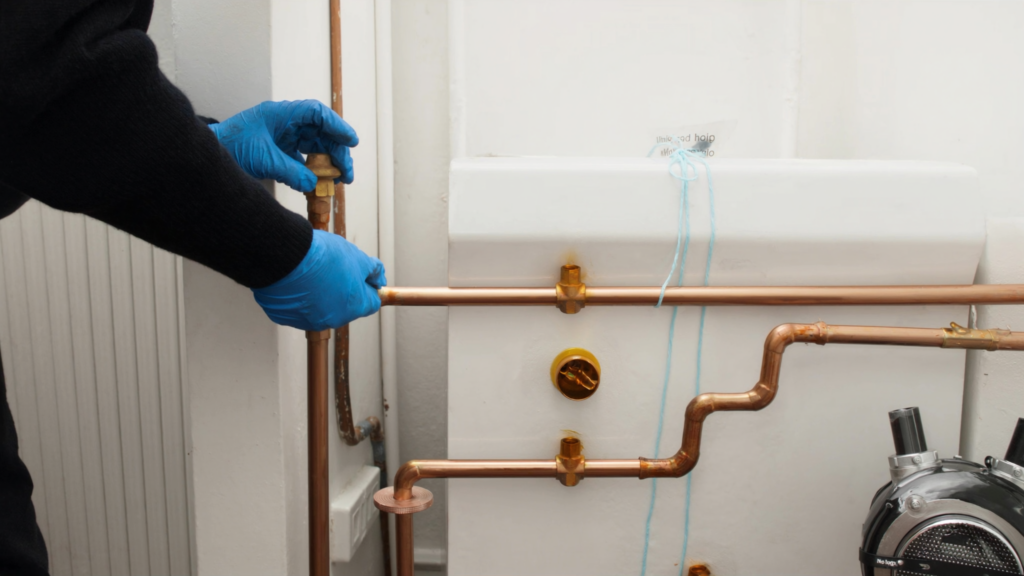
The total price of a heat pump installation is made up of three main categories. The heat pump unit itself typically costs between £4,000 and £8,000. Installation labour adds another £3,000 to £5,000. The largest variable cost is often system modifications, which include a new hot water cylinder, pipework, and radiator upgrades, and can range from £3,000 to £6,000 (Energy Saving Trust, 2026).
The condition of your existing heating system determines how much you will pay for modifications. An older system with single-pipe radiators or an inefficient hot water cylinder will require more work. MCS installer survey data shows that homes with modern condensing boilers and double-panel radiators often need fewer upgrades, keeping costs towards the lower end of the range (MCS, 2026).
Quick numbers key cost and savings figures for 2026
| Item | Typical Cost/Range | Source |
|---|---|---|
| Air-source heat pump (unit + installation) | £12,000–£15,000 | Energy Saving Trust, 2026 |
| Ground-source heat pump (unit + installation) | £24,000–£35,000 | Energy Saving Trust, 2026 |
| Boiler Upgrade Scheme grant (air-source) | £7,500 | DESNZ, 2026 |
| Boiler Upgrade Scheme grant (ground-source) | £7,500 | DESNZ, 2026 |
| Net cost after grant (air-source, typical) | £7,500–£10,500 | Energy Saving Trust, 2026 |
| Annual running cost saving vs. gas boiler (typical) | £400–£700 | Energy Saving Trust, 2026 |
| Annual running cost saving vs. oil boiler (typical) | £800–£1,200 | Energy Saving Trust, 2026 |
Eligibility for the Boiler Upgrade Scheme grant depends on property type, existing heating system, and installer certification
The Boiler Upgrade Scheme grant is available to homeowners in England and Wales who replace an existing fossil-fuel heating system, such as gas, oil, or LPG, with a heat pump. Your property must have a valid Energy Performance Certificate (EPC) with no outstanding recommendations for loft or cavity wall insulation, unless an exemption applies (GOV.UK, 2026).
The installer must be MCS-certified, and you must apply for the grant before installation begins. Ofgem’s BUS application guidance confirms that applications submitted after the installation has started will be rejected (Ofgem, 2026).
You must use an MCS-certified installer to qualify for the grant, and you can verify their certification online
MCS (Microgeneration Certification Scheme) certification is mandatory for all BUS grant applications. It assures that the installer meets technical standards and consumer protection requirements. You can check an installer’s MCS status on the MCS register or via the TrustMark website for additional quality assurance (MCS, 2026; TrustMark, 2026).
Gas Safe Register or FENSA registration alone is not sufficient for heat pump installations under the BUS. Only MCS certification meets the grant requirements (Ofgem, 2026).
The direct answer to “how much does a heat pump installation cost in 2026?” is £7,500–£10,500 after the £7,500 grant
The net cost for a typical air-source heat pump installation after the Boiler Upgrade Scheme grant is £7,500 to £10,500. This figure assumes a standard installation in a well-insulated three-bedroom home with no major system upgrades (Energy Saving Trust, 2026; DESNZ, 2026).
Costs can rise to £15,000–£20,000 for larger homes or those requiring extensive radiator or pipework upgrades. The final price depends on the size of your property, the condition of your existing heating system, and the insulation levels in your home.
Additional costs and savings you should factor into the total
Beyond the main installation cost, you may need to budget for several additional items. A new hot water cylinder typically costs £800–£1,500. Upgraded radiators add £1,500–£3,000. Electrical work, such as upgrading your consumer unit or wiring, can cost £500–£1,500. Removing the old boiler adds £200–£500 (Energy Saving Trust, 2026).
Annual savings on heating bills vary by the fuel you currently use. Compared to a gas boiler, you could save £400–£700 per year. Against oil, savings are higher at £800–£1,200 per year. Against LPG, savings range from £500–£900 per year. If you pair your heat pump with solar panels, the Smart Export Guarantee (SEG) can add £100–£300 per year in income from exporting electricity to the grid (Energy Saving Trust, 2026; Ofgem, 2026).
Compare heat pump running costs vs gas boiler 2026
How to get an accurate quote and confirm your eligibility before you commit
To get a reliable heat pump install cost breakdown, obtain at least three itemised quotes from MCS-certified installers. Each quote should separate the unit cost, labour, and system modifications. Check the MCS register and TrustMark to confirm installer certification. Verify that your property meets BUS insulation requirements by checking your EPC (MCS, 2026; TrustMark, 2026).
The installer should conduct a full heat loss survey using MCS 020 or BS EN 12831 to size the system correctly. This survey is free in most cases. Ofgem’s BUS application checklist recommends that you do not proceed with any work until you have received your grant application reference number (Ofgem, 2026).
Boiler Upgrade Scheme eligibility guide 2026
Frequently Asked Questions
An air-source heat pump installation for a typical three-bed semi costs between £12,000 and £15,000 before the government grant. After the £7,500 Boiler Upgrade Scheme grant, the net cost is £7,500–£10,500, according to the Energy Saving Trust (2026).
The total cost covers the heat pump unit (£4,000–£8,000), installation labour (£3,000–£5,000), and system modifications such as a new hot water cylinder, pipework, and radiator upgrades (£3,000–£6,000). The Energy Saving Trust provides these typical ranges for 2026.
A ground-source heat pump installation typically costs between £24,000 and £35,000 before the Boiler Upgrade Scheme grant. The same £7,500 grant applies, according to Energy Saving Trust data for 2026.
Yes, the Boiler Upgrade Scheme (BUS) provides a £7,500 grant for air-source heat pump installations in 2026. This grant is administered by Ofgem and deducted from your installation cost by an MCS-certified installer.
The condition of your existing heating system is the biggest variable. Homes with modern condensing boilers and double-panel radiators need fewer upgrades, keeping costs lower. MCS installer survey data shows older systems with single-pipe radiators can push modifications towards £6,000.