Insulating a stone-built Scottish home is possible but requires a breathable approach, with costs typically ranging from £8,000 to £25,000 depending on wall type and property size (Scottish Government, 2026). The most-searched figure is that internal wall insulation can reduce heat loss by up to 50% in solid stone walls.
The key variable is whether your stone walls are solid (typically pre-1919) or have a cavity. Most Scottish stone homes are solid, meaning no gap to fill. Insulation must be vapour-permeable to avoid trapping moisture, which can cause damp and rot. This applies to listed buildings, homes in conservation areas, and any property with traditional lime mortar. Modern foam-based insulations are unsuitable here. The Scottish Government’s Home Energy Scotland programme offers grants of up to £7,500 for eligible households, but only for approved systems.
Internal insulation is the most practical option
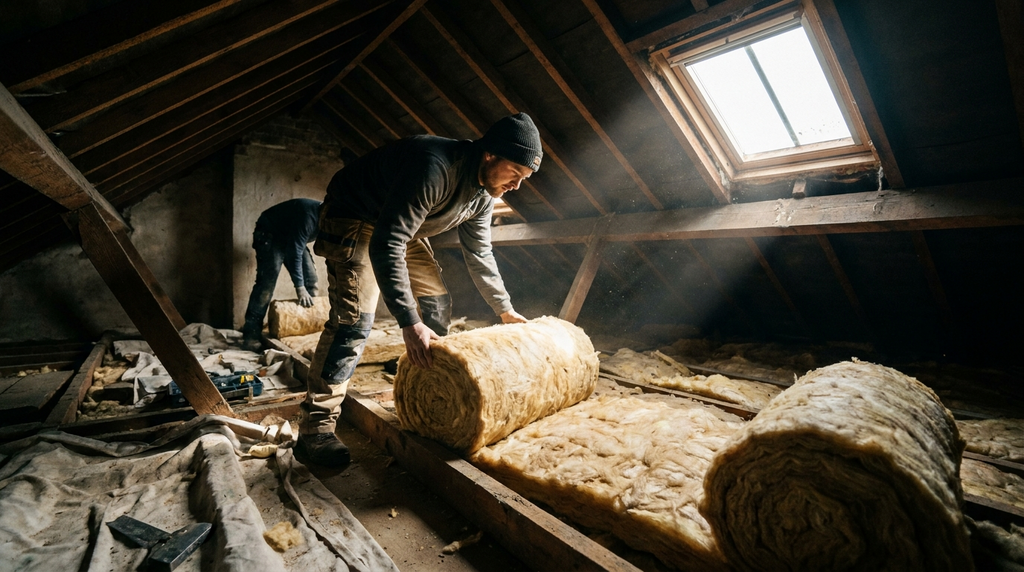
Internal wall insulation (IWI) involves fixing insulated boards or a stud wall to the inside face of external stone walls. For a typical three-bedroom stone home, costs range from £8,000 to £15,000 for a full installation (Energy Saving Trust, 2026). IWI reduces room size by around 100mm per wall but avoids altering the external appearance, which is critical for listed buildings. The insulation must be vapour-open, typically wood fibre, calcium silicate, or aerogel, to let moisture escape. Installing IWI can cut heating costs by up to £400 per year for a gas-heated stone home.
External insulation is possible but rare in Scotland
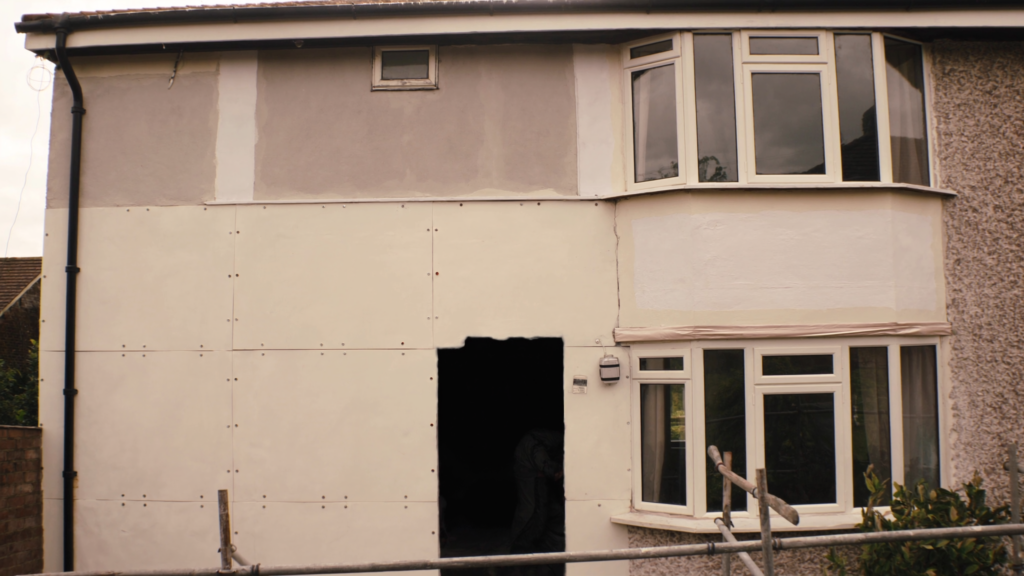
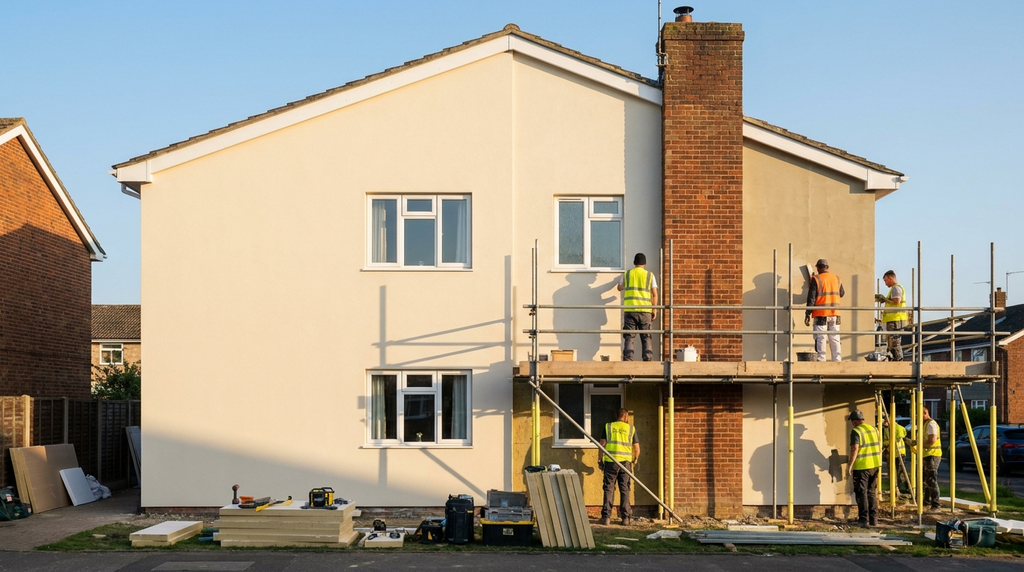
External wall insulation (EWI) involves fixing insulation boards to the outside of the stone wall and rendering over them. This is rarely suitable for Scottish stone homes because it hides the stone finish and can conflict with planning rules. For a typical semi-detached stone house, EWI costs £10,000 to £25,000 (MCS, 2026). It is only viable on plain stonework without decorative features, and only with a breathable system. Planning permission is almost always required in Scotland, and listed building consent is needed for any change to the external appearance. EWI can reduce heat loss by up to 60%.
Grants and professional installation are essential
Home Energy Scotland provides grants of up to £7,500 for solid wall insulation for eligible homeowners, including those on certain benefits or living in homes with an EPC rating of D or lower (Ofgem, 2026). All work must be carried out by a TrustMark-registered installer and meet PAS 2035 standards. Using an unapproved contractor can void your grant and cause damp problems. You must also ensure the installer specifies a vapour-permeable system, ask for a hygrothermal assessment. For listed buildings, you must apply for listed building consent from your local council before starting any insulation work.
A worked example
A typical three-bedroom Victorian end-terrace stone home in Edinburgh, with solid 500mm stone walls, costs around £12,000 for full internal wall insulation using wood fibre boards. After a £7,500 Home Energy Scotland grant, the upfront cost drops to £4,500. The Energy Saving Trust estimates heat loss through solid stone walls is cut by 50%, saving roughly £650 per year on heating bills. At current energy prices, the payback period is about seven years. Over 25 years, total savings reach £16,250, assuming 3% annual energy price inflation. Glazing is standard-rated for VAT at 20%. The zero rate for energy-saving materials covers insulation, heat pumps and solar panels; HMRC names secondary and double glazing as excluded (VAT Notice 708/6). The homeowner chose vapour-permeable wood fibre to avoid trapping moisture in the lime mortar, a critical requirement for Scottish stone properties.
| Item | Figure |
|---|---|
| Upfront cost after grants | £4,500 |
| Yearly savings | £650 |
| Payback period | 7 years |
| 25-year lifetime savings | £16,250 |
What homeowners often get wrong
The most common mistake is installing non-breathable foam insulation on solid stone walls, which traps moisture and causes structural damp. Here are three frequent errors you must avoid.
- Using modern foam or PIR boards on solid stone These materials are vapour-impermeable and lock moisture inside the wall, leading to rot, mould, and timber decay. The right answer is vapour-permeable insulation like wood fibre, hemp, or aerogel, which allows the wall to breathe and avoids a £10,000-plus damp repair bill.
- Sealing the wall with cement-based plaster instead of lime Cement plaster traps moisture in stone walls, causing frost damage and spalling brickwork. The correct approach is lime-based plaster or clay render, which wicks moisture away and preserves the historic fabric of the building.
- Ignoring the need for a full condensation risk analysis Many homeowners skip this step and later face interstitial condensation inside the wall assembly. A proper hygrothermal assessment, required for BUS grant approval, ensures the insulation system is safe for your specific stone type and exposure level.
Quick reference
- Internal wall insulation reduces heat loss by up to 50% in solid stone walls, saving around £650 per year on heating for a typical three-bedroom home.
- Home Energy Scotland offers grants of up to £7,500 for approved vapour-permeable insulation systems in stone-built properties.
- Solid stone walls (pre-1919) require breathable materials such as wood fibre, hemp, or aerogel; foam-based insulations void warranties and can cause damp.
- Payback on internal wall insulation for a Scottish stone home is typically 5 to 10 years after grant deductions, depending on energy price trends.
- Listed buildings and conservation area homes must use approved systems; unauthorised insulation can lead to enforcement action from the local planning authority.
Frequently Asked Questions
Yes, but only with breathable insulation. The Scottish Government recommends vapour-permeable materials like wood fibre or calcium silicate for solid stone walls.
Costs range from £8,000 to £25,000 depending on wall type and size, according to the Energy Saving Trust. Internal wall insulation for a three-bedroom stone home typically costs £8,000–£15,000.
Yes, the Home Energy Scotland programme offers grants up to £7,500 for eligible households. The insulation system must be approved and vapour-permeable.