Before the bifolds, a room that held the light back
You remember it, don’t you? That old patio door. A single slab of glass, sliding grudgingly to one side, leaving a narrow gap you had to squeeze through. The light it let in was a miserly thing, pooling in a bright rectangle on the laminate floor while the rest of the room sulked in shadow. The garden was there, framed like a postcard you could never quite reach, a view you observed rather than inhabited. The room felt like a waiting room for the outdoors, not a bridge to it.
That fixed pane or sliding door did its job, technically. It kept the rain out and let a bit of sun in. But it also drew a line, a firm, psychological boundary between inside and out. You could see the garden, but you couldn’t feel it. The light arrived in a single, stubborn block, leaving the corners of the room cold and the back wall untouched. So what happens when you stop framing the view and start living inside it?
The first hinge, a decision about width, not just glass
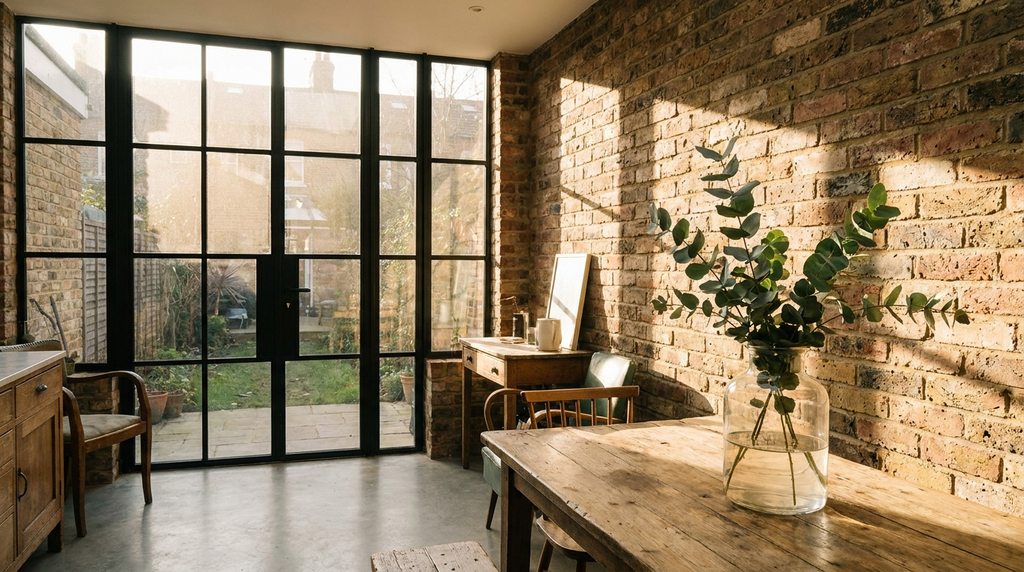
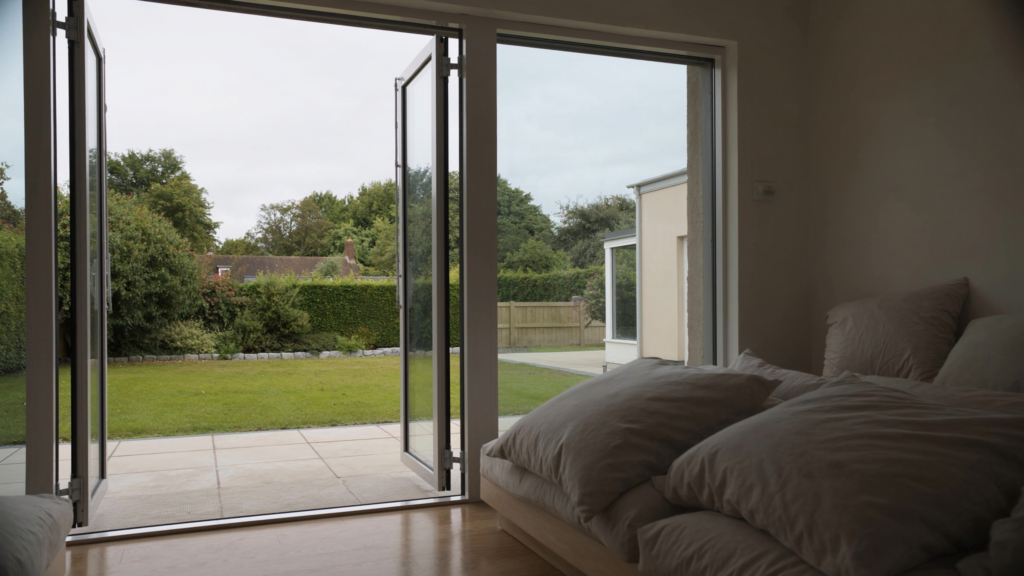
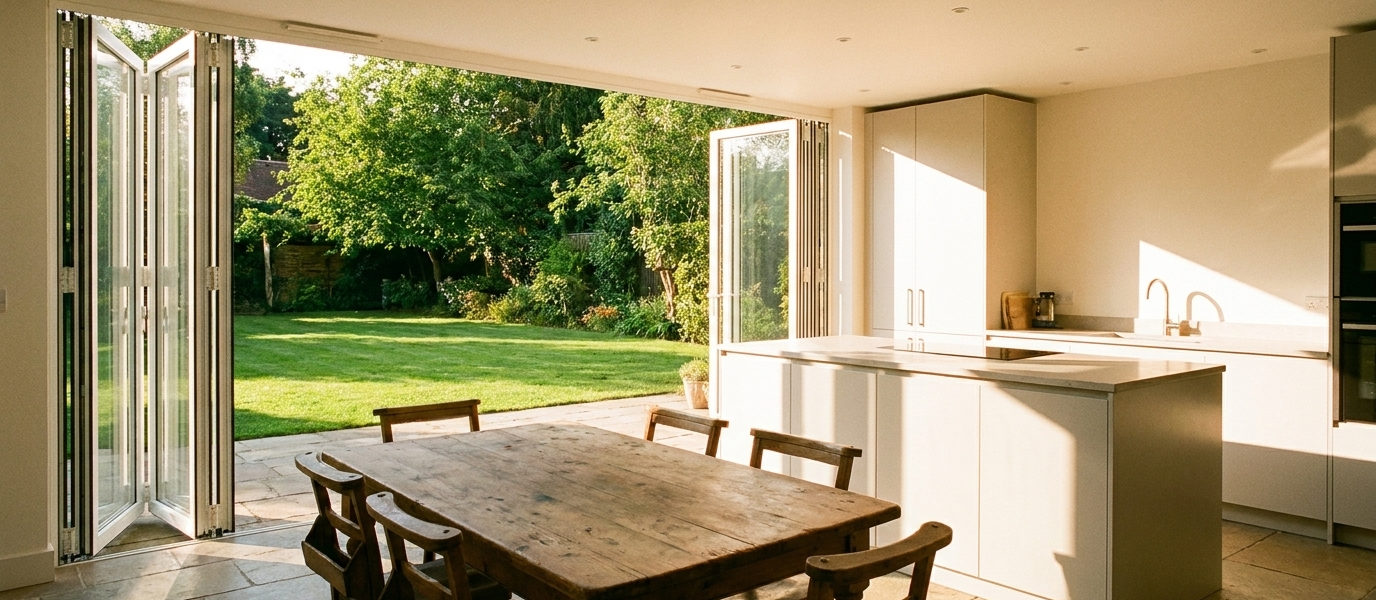
The moment you choose your bifold configuration is the moment everything shifts. It’s not just about how much glass you want, it’s about how you want the light to behave. A three-panel set, folded to one side, opens a generous aperture but still keeps the light somewhat contained. A five- or seven-panel wall, concertinaed fully, changes the game entirely. The light no longer enters through a single opening; it arrives from multiple angles, sliding across the floor as the panels move, shifting with the rhythm of your day.
This is the detail that surprises most homeowners. It’s not simply more light, it’s light that moves. In the morning, the eastern panels catch the first low rays and throw them across the room. By afternoon, the western panels take over, flooding the space with a warm, diffuse glow that reaches the back wall. The room breathes with the day, rather than trapping the afternoon sun in a single hot square that forces you to close the curtains by three o’clock. That’s the real gift of bifold doors: light that travels, not light that lands.
Light that walks through the room
After installation, the first morning is a revelation. The light no longer stops at the threshold. It walks across the floor, climbs the skirting boards, touches the ceiling in places you’d never seen lit before. The shadows shift as you slide the panels, a slow, deliberate choreography that changes the room’s mood by the hour. That old patio door gave you a snapshot; bifolds give you a moving picture.
You notice something else, too: the colour of your walls changes with the light. A soft Farrow & Ball Drop Cloth, which looked beige in the old room, now reads as a warm stone in the morning and a pale lavender in the late afternoon. A deep Setting Plaster pink on the back wall glows like a blush when the low winter sun catches it. The room feels alive, responsive, as though it’s breathing with the day. You didn’t just install new doors, you gave your home a pulse.
Pick a frame colour that softens with the seasons
The frame colour isn’t just a style decision, it’s a light-management decision. Dark frames, like anthracite grey or bronze, absorb light and anchor the view. They make the garden feel deeper, the light warmer, as though the glass is a frame for a living painting. In summer, when the light is high and golden, the dark frame recedes, letting the garden take centre stage. In winter, when the light is low and silver, the frame holds its ground, giving the room a sense of structure and warmth.
White or light-grey frames do the opposite. They bounce the light back into the room, making the space feel larger and brighter, especially in north-facing rooms that struggle for natural illumination. But they can feel stark in winter, when the low sun casts long, cold shadows. The trick is to think about how the frame will look in both seasons, not just the one you’re in now. The frame becomes a quiet partner to the changing year, a subtle anchor that shifts the light’s character without saying a word.
Why texture matters more than colour, the floor, the walls, the ceiling
The light from bifold doors arrives differently. It comes at a lower angle and spreads wider than light from a standard window, catching every surface in a new way. This is where texture becomes your secret weapon. A gloss floor will throw harsh, unforgiving glare across the room, turning the afternoon into a squint. A matte finish, by contrast, absorbs and softens the light, creating a calm, even glow that feels natural.
Three surfaces that respond beautifully to bifold light:
- Lime-washed walls, the irregular, porous surface catches the light in tiny pockets, creating a soft, ethereal shimmer that changes with the angle of the sun.
- Wide-plank oak flooring, the grain catches the low light, throwing subtle shadows that add depth and warmth without overwhelming the room.
- Hand-trowelled plaster, the subtle undulations create a living surface that seems to breathe, reflecting light in a way that flat paint never can.
These textures don’t shout. They whisper, catching the light and letting it play across the room like a slow tide. That’s the point: bifold light is generous, but it needs surfaces that know how to receive it.
Eight ways to soften a tall sash window
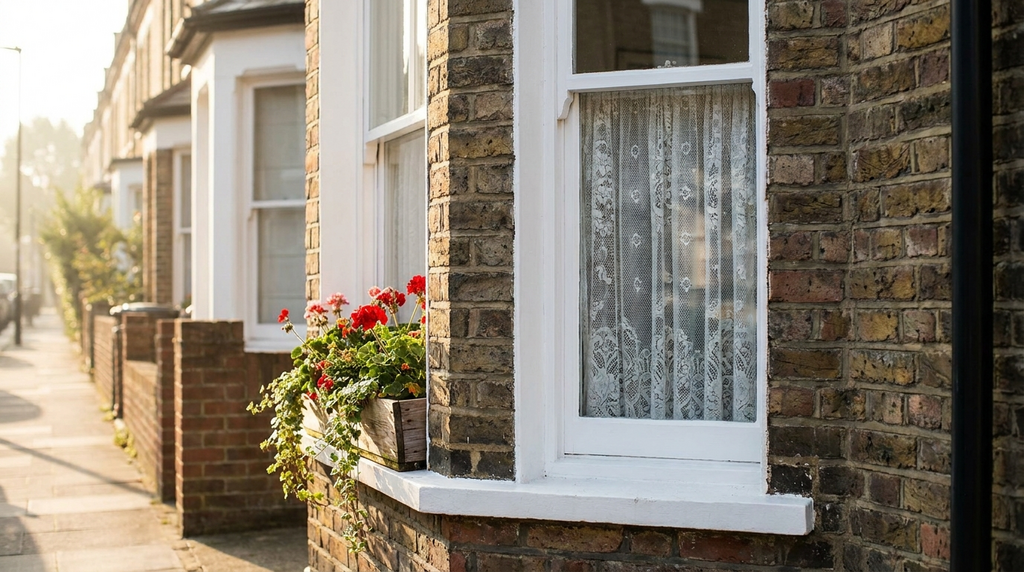
The same principle that guides bifolds, light can be shaped, not just admitted, applies to every window in your home. A tall Victorian sash, for instance, is a vertical column of light that can feel harsh if left bare. Here are eight ways to soften it, channelling the bifold ethos of choreographing light:
- Sheer linen blinds that filter without blocking, they catch the light and turn it into a soft, ethereal haze.
- A low bookshelf placed beneath the window, where the afternoon glow can warm the spines and create a quiet reading nook.
- A single pendant hung at the right height to mirror the window’s proportions, a low-hung glass globe that catches the light and scatters it across the ceiling.
- Roman blinds in a textured natural fabric, they soften the hard lines of the sash while still allowing light to pool at the sill.
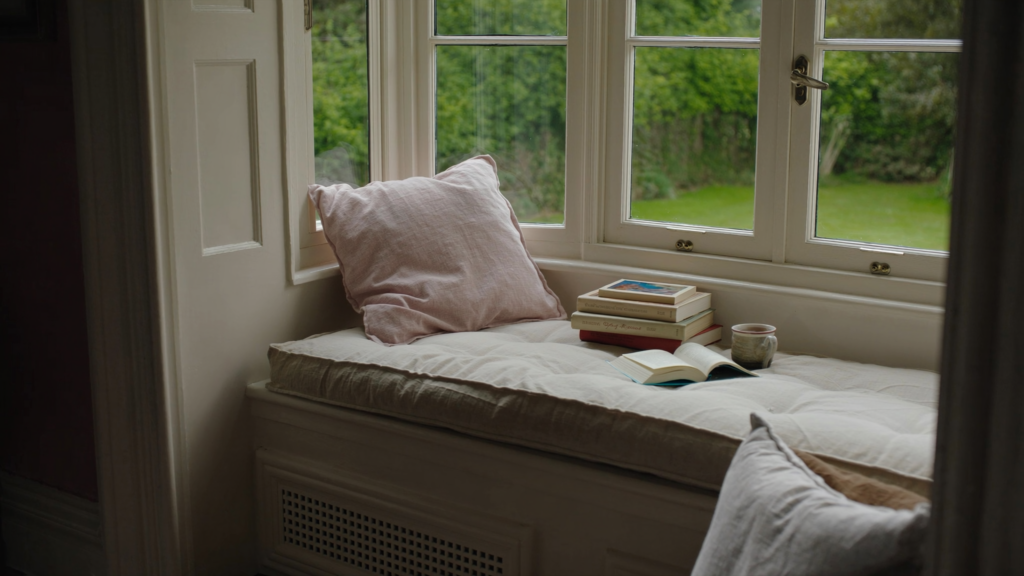
- A shallow window seat with a matte cushion, turning the sash into a perch for morning coffee or evening contemplation.
- Indoor plants placed on a shelf at the window’s midpoint, the leaves diffuse the light and cast shifting shadows that animate the room.
- A full-height mirror on the opposite wall, reflecting the sash’s light back into the room and doubling its reach.
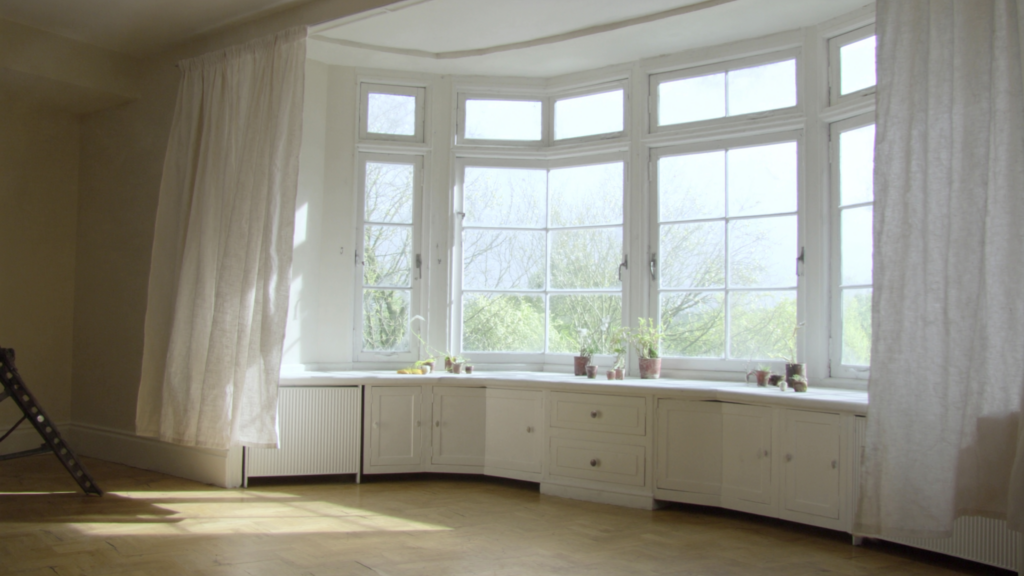
- Curtains hung from ceiling to floor, pooling slightly on the ground, they soften the window’s edges and create a sense of depth, just as a bifold’s panels frame the garden.
For more ideas on how to work with your home’s existing windows, take a look at our guide to door colour ideas, the same principles of light and finish apply.
The evening shift, when the doors become a mirror
As the sun drops, something unexpected happens. The glass turns reflective. The garden fades, and the room doubles in size. You’re no longer looking out, you’re looking in. The bifolds that spent the day opening the house to the outside now turn it inward, catching the warm glow of lamps and candles, reflecting the room back at itself. It’s a quiet magic, a transformation that happens every evening without fail.
This changes the way you arrange furniture. A sofa placed to face the glass now catches the room’s own light, not just the garden. A dining table set perpendicular to the doors becomes a stage for the evening’s reflections. You find yourself rearranging the room to face inward, enjoying the doubled space and the soft, mirrored glow. And there’s a quiet note about privacy: the bifolds that looked out all day now look back, and that’s part of their charm. They’re not just doors, they’re a mirror for the life you’ve built inside. For more on how to make the most of your home’s light, see our piece on window treatment ideas and open plan living tips.