Before The promise of a free quote
You’re at the kitchen table. The surveyor has gone, leaving a clipboard of numbers behind, a cup of tea barely touched, and a handshake that felt a little too firm. The quote says free, no obligation, no pressure, no catch. It feels like a win. You’ve done the sensible thing: invited someone in, listened to their advice, and now you have a number to compare against the others. Simple.
But later, when the kitchen is quiet and the light has shifted to that dim, just-past-dusk grey, a quiet unease creeps in. The quote was easy to get, too easy. And the real price, you begin to suspect, hasn’t shown itself yet. It’s hiding in the fine print, in the follow-up calls that start the next morning, in the mention of gaskets and trickle vents and “we always recommend upgrading to the premium seal.” The quote was free. The clarity was not.
After What the free quote actually cost
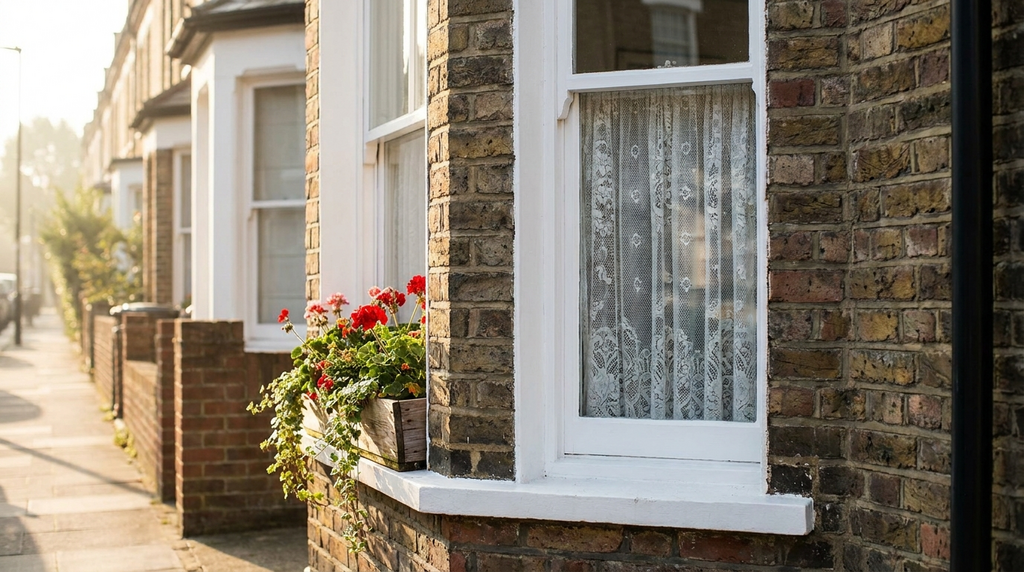
You realise, eventually, that the “free” quote was never free. It came with a time cost, two hours lost to a sales pitch disguised as a survey, where the friendly chat about your Victorian sash windows turned into a monologue about uPVC thermal efficiency. It came with an emotional cost, the pressure to sign before the “discount” expired, the slight shift in the surveyor’s tone when you said you’d think about it, the follow-up call that felt less like a check-in and more like a chase.
The hidden cost is not financial, but attentional. The quote was a gateway to a system built to close, not to inform. You didn’t leave with knowledge; you left with a deadline. And that, for a homeowner trying to make a considered decision about a £4,000–£8,000 investment, is the most expensive thing of all.
Why this matters
Here’s the thing: a free quote is not a favour. It is a marketing tool. A very effective one. It gets a salesperson through your front door, into your home, into your headspace, and onto your kitchen table, all before you’ve even decided whether you want new windows at all. Understanding this changes how you listen, what you ask, and when you walk away.
The moment you stop treating a free quote as a neutral piece of information and start seeing it as the first move in a carefully choreographed sales dance, you reclaim the upper hand. You stop being the person being sold to and start being the person doing the buying.
Let the quote do the revealing, not the promising
A good quote is a neutral document. It lists materials, labour, timelines, exclusions. It tells you what you’re getting, what you’re not getting, and when you can expect it. A bad quote is a promise dressed in numbers: “lowest price guaranteed”, “today only”, “we’ll beat any quote by 10%.” These phrases are not information. They are pressure in costume.
The hidden cost of a free quote is the promise itself. It locks you into a narrative before you’ve seen the competition or understood your own needs. You start comparing quotes not on their merits, but on their promises. And a promise, unlike a specification, is very hard to hold anyone to six months later when the draught returns.
So let the quote do the revealing. Look for the line that says “exclusions apply”, that’s where the truth lives. A quote that lists everything, including the things it doesn’t cover, is a quote you can trust. A quote that promises everything is a quote you should leave on the table.
Three things a free quote never tells you
1. The upgrade pipeline. The base quote is deliberately bare. It’s a starting point, not a final product. The real window, the one with acoustic glass, heritage colours, security locks that actually work, trickle vents that don’t whistle, is the one you’re upsold to. The hidden cost is the gap between what you thought you were paying and what you actually need to pay for a window that doesn’t feel like a compromise.
2. The installation timeline. Free quotes almost always underestimate lead times. They’ll say “four to six weeks” and mean “eight to twelve, but we won’t tell you that until you’ve signed.” The cost is waiting, weeks of living with plastic sheeting taped over a hole in your wall, of putting up with the cold, of rearranging your life around a promise that keeps slipping. And then, when the installers finally arrive, the pressure to accept a rushed job because they’re already behind schedule.
3. The aftercare fine print. Guarantees are not warranties. A ten-year guarantee sounds solid until you read the small print and discover it covers only the frame, not the glass, the seals, or the labour. The true hidden cost of a free quote is discovering, six months later, that a draught is not covered, that the handle has loosened and the manufacturer says it’s “wear and tear”, that the installer has changed their name and their phone number is no longer in service.
Pick a quote that costs you nothing but your attention
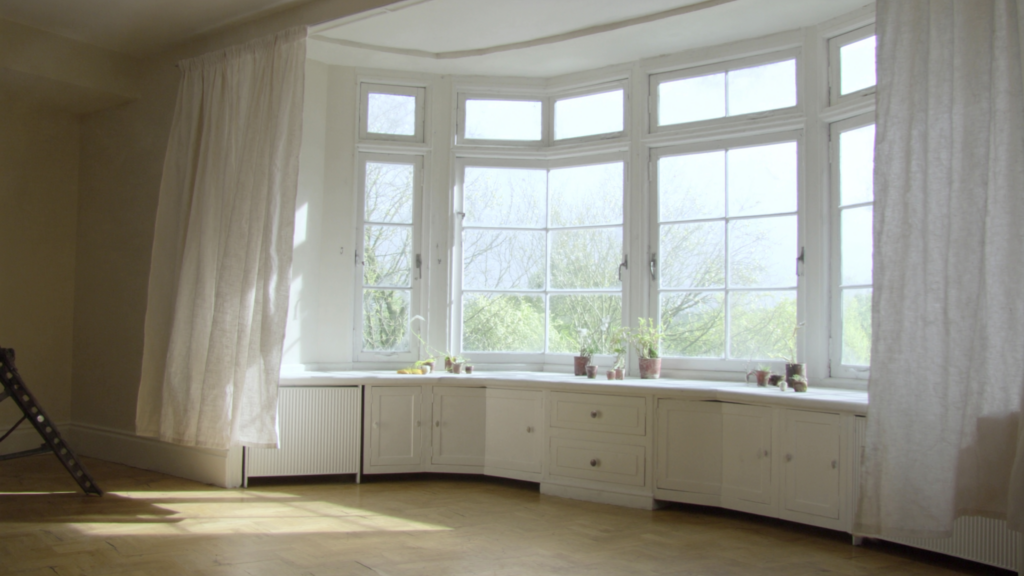
The best “free” quote is the one you treat as research, not a commitment. You invite three surveyors in, you listen to all of them, you take notes, you compare not just the numbers but the way they talk about your home. One will mention your 1930s suntrap bay and the original timber; another will talk only about thermal efficiency and U-values. The third might say something surprising about light, about how a different configuration could change the way the room feels at midday.
The hidden cost is only hidden if you don’t look. Once you know what you’re looking for, the upgrade pipeline, the timeline optimism, the aftercare gaps, the quote becomes transparent. You start to see the real price behind the “free”. And that is the moment you stop being sold to and start making a choice.
The truly free quote is the one you never take. It taught you what you wanted, what you didn’t want, and what you were willing to pay for it. And you went elsewhere, to a local specialist, a heritage-friendly fitter, someone who didn’t promise the world but delivered exactly what they said they would. That is the cost of a free quote well spent: your full attention, and nothing more. choosing a window installer