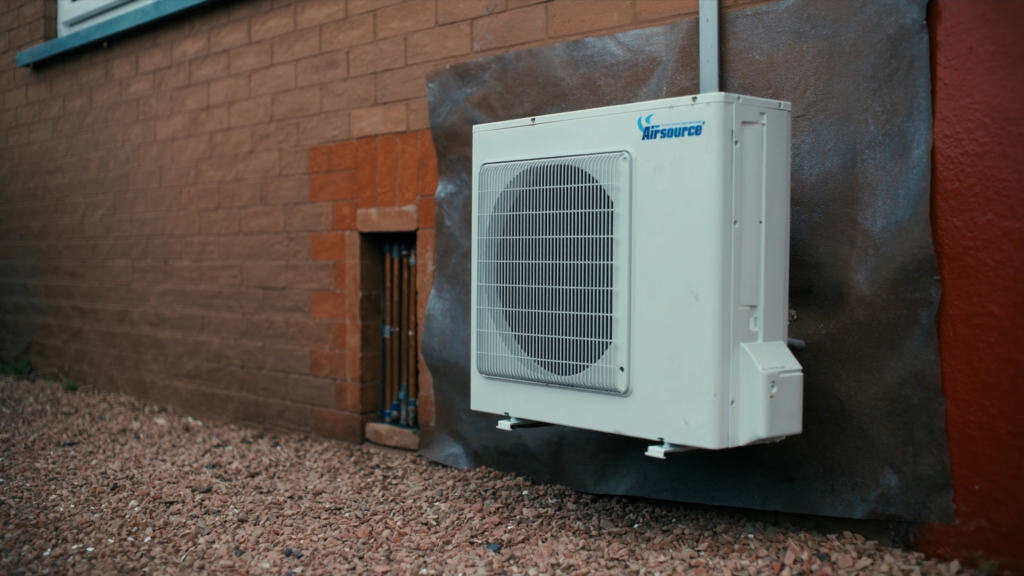
Replacing an LPG boiler in 2026 is a significant financial decision, with a standard installation costing between £6,000 and £9,000. However, the most cost-effective alternative for many homes is an air-source heat pump, which can cost as little as £3,000 to £5,500 after the £7,500 Boiler Upgrade Scheme grant.
LPG boiler alternatives start at £3,000 after the £7,500 Boiler Upgrade Scheme grant, with air-source heat pumps costing £3,000–£5,500 installed. Electric combi boilers are cheapest upfront at £3,000–£5,000 but have higher running costs. Compare your options to find the best fit.
- Replace an LPG boiler for £6,000–£9,000 or a heat pump from £3,000 after grant.
- Air-source heat pump costs £3,000–£5,500 after the £7,500 Boiler Upgrade Scheme.
- Electric combi boiler is cheapest upfront at £3,000–£5,000 installed.
- Electric combi running costs are 3–4 times higher than LPG at 28p vs 6–8p per kWh.
- Boiler Upgrade Scheme grant only covers renewable systems, not LPG boilers.
- Replacing an LPG boiler costs £6,000–£9,000, but alternatives start at £3,000 after the £7,500 Boiler Upgrade Scheme grant
- The cheapest LPG boiler alternative in 2026 is an electric combi boiler at £3,000–£5,000 installed
- Quick numbers LPG boiler running costs vs three alternatives
- The direct answer the most cost-effective LPG boiler alternative for most homes in 2026 is an air-source heat pump
- Who qualifies for the £7,500 Boiler Upgrade Scheme grant – and who does not
- How to verify an LPG boiler replacement installer – MCS and TrustMark are mandatory for the grant
- The hidden cost of switching from LPG upgrading radiators and insulation
This article explains the costs, savings, and eligibility criteria for the main LPG boiler alternatives, helping you decide which option suits your home and budget.
Replacing an LPG boiler costs £6,000–£9,000, but alternatives start at £3,000 after the £7,500 Boiler Upgrade Scheme grant
A new LPG boiler installation in the UK, including the external tank if needed, typically costs between £6,000 and £9,000 (Energy Saving Trust, 2026). This price covers the boiler unit, tank installation, pipework, and labour.
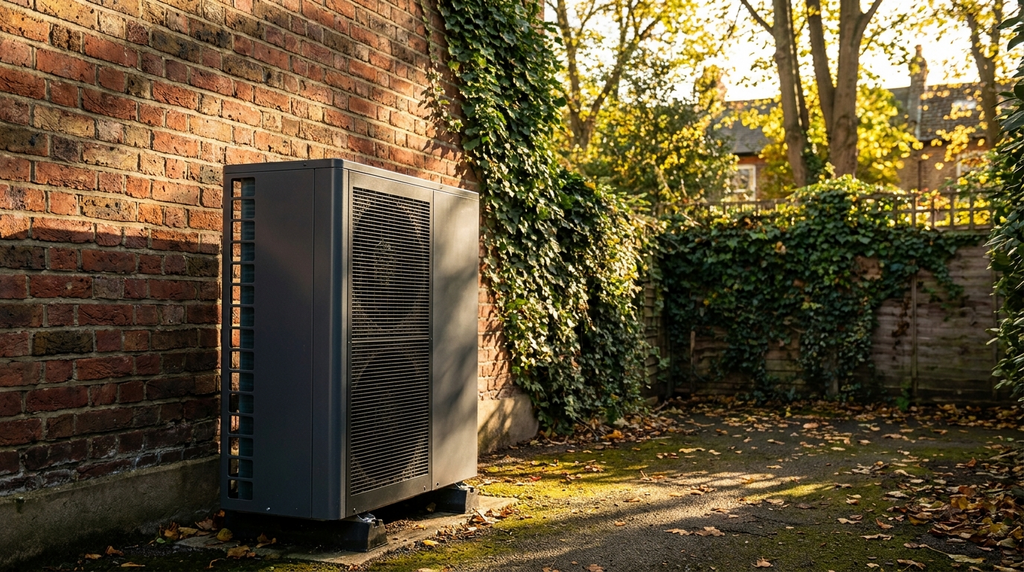
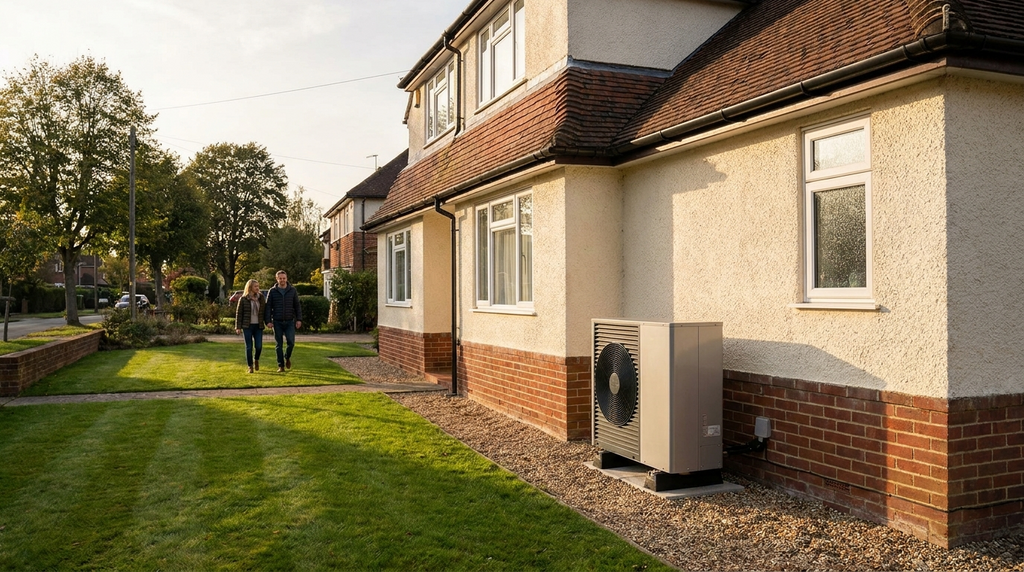
The £7,500 Boiler Upgrade Scheme grant is available for renewable heating systems, specifically air-source and ground-source heat pumps (GOV.UK, DESNZ, 2026). After the grant, an air-source heat pump installation can cost from £3,000 to £5,500, depending on the system size and property type. The grant is not available for LPG boilers themselves, only for renewable alternatives.
This means switching from LPG to a heat pump can be cheaper upfront than replacing like-for-like, while also reducing annual fuel bills.
The cheapest LPG boiler alternative in 2026 is an electric combi boiler at £3,000–£5,000 installed
An electric combi boiler is the cheapest upfront alternative to an LPG boiler, with installation costs ranging from £3,000 to £5,000 (Energy Saving Trust, 2026). It requires no gas supply or external tank, so installation is simpler and less disruptive.
However, running costs are significantly higher. Electricity costs around 28p per kWh, while LPG costs between 6p and 8p per kWh (Ofgem, 2026). This means an electric combi boiler will cost roughly three to four times more to run than an LPG boiler for the same amount of heat.
Electric combi boilers are best suited for smaller homes with good insulation, where the higher running costs are offset by lower heating demand.
Quick numbers LPG boiler running costs vs three alternatives
| Heating system | Typical annual running cost (3-bed semi) | Typical installation cost (after grants) | Average lifespan | CO₂ emissions (kg/year) |
|---|---|---|---|---|
| LPG boiler | £1,200–£1,600 | £6,000–£9,000 | 15–20 years | 2,500–3,500 |
| Electric combi boiler | £1,800–£2,500 | £3,000–£5,000 | 10–15 years | 1,500–2,000 |
| Air-source heat pump | £800–£1,100 | £3,000–£5,500 (after £7,500 grant) | 15–20 years | 500–800 |
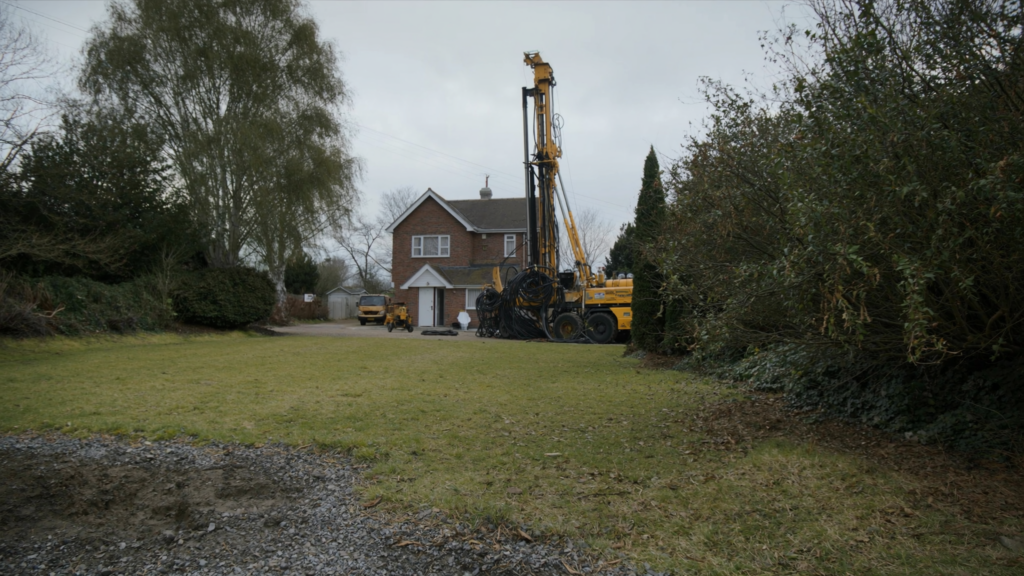
| Ground-source heat pump | £700–£1,000 | £8,000–£14,000 (after £7,500 grant) | 20–25 years | 400–700 |
These figures are UK averages and vary by home size, insulation levels, and usage patterns (Energy Saving Trust, 2026; DESNZ, 2026; MCS, 2026).
The direct answer the most cost-effective LPG boiler alternative for most homes in 2026 is an air-source heat pump
For a typical three-bed semi-detached home, an air-source heat pump saves £300–£500 per year on fuel bills compared to an LPG boiler (Energy Saving Trust, 2026). The £7,500 Boiler Upgrade Scheme grant reduces the upfront cost to £3,000–£5,500. That makes it cheaper than replacing an LPG boiler.
Heat pumps are three to four times more efficient than LPG boilers, with a coefficient of performance (CoP) of 3–4. This means for every 1 kWh of electricity used, they produce 3–4 kWh of heat. In contrast, an LPG boiler operates at around 90% efficiency, meaning 10% of the fuel is wasted.
LPG prices are volatile and are likely to rise further due to carbon pricing and supply constraints (Ofgem, 2026). Switching to a heat pump now locks in lower running costs and reduces exposure to future price increases.
How to choose between an air-source and ground-source heat pump
Who qualifies for the £7,500 Boiler Upgrade Scheme grant
The Boiler Upgrade Scheme grant is available for owner-occupied homes in England and Wales only (GOV.UK, DESNZ, 2026). To qualify, you must replace an existing fossil fuel heating system, such as LPG, oil, or gas. The grant is not available for new-build properties.
Exclusions include landlords (unless the property is their primary residence), second homes, and homes that already have a renewable heating system. The property must have a valid Energy Performance Certificate (EPC) with no outstanding recommendations for loft or cavity wall insulation (Ofgem, 2026).
If your EPC recommends insulation improvements, you must complete them before applying for the grant, or the application will be rejected.
How to verify an LPG boiler replacement installer – MCS and TrustMark are mandatory for the grant
All heat pump installations must be carried out by an MCS-certified installer to qualify for the Boiler Upgrade Scheme (MCS, 2026). MCS certification covers air-source and ground-source heat pumps, not boilers. You can check the MCS register at mcscertified.com to find accredited installers in your area.
For electric combi boilers, no MCS certification is needed. However, the electrician must be registered with NICEIC or NAPIT for Part P compliance, which covers electrical safety in dwellings (GOV.UK, 2026).
It is recommended to check TrustMark at trustmark.org.uk for government-endorsed installers. TrustMark provides a quality guarantee and a complaints procedure if work is unsatisfactory.
What to ask a heat pump installer before you sign a contract
The hidden cost of switching from LPG upgrading radiators and insulation
Heat pumps operate at lower flow temperatures, typically 45–55°C, compared to LPG boilers which run at 70–80°C. This means larger radiators or underfloor heating may be needed to deliver the same amount of heat. Upgrading radiators in a three-bed semi typically costs £1,500–£3,000 (Energy Saving Trust, 2026).
Poor insulation, with a U-value above 0.3 W/m²K, reduces heat pump efficiency and may void the grant guarantee. Cavity wall insulation costs £500–£1,000, and loft insulation costs £300–£600 (MCS, 2026). These improvements are often required before a heat pump can be installed under the Boiler Upgrade Scheme.
Factoring in these costs is important when comparing the total expense of switching from LPG to a heat pump versus replacing your LPG boiler.
Frequently Asked Questions
The cheapest upfront alternative is an electric combi boiler, costing £3,000–£5,000 installed (Energy Saving Trust, 2026). However, running costs are three to four times higher than LPG due to electricity at 28p per kWh versus LPG at 6–8p per kWh (Ofgem, 2026).
After the £7,500 Boiler Upgrade Scheme grant, an air-source heat pump installation costs from £3,000 to £5,500, depending on system size and property type (GOV.UK, DESNZ, 2026). This is often cheaper than a like-for-like LPG boiler replacement.
No, the Boiler Upgrade Scheme grant is only available for renewable heating systems such as air-source and ground-source heat pumps, not for LPG boilers (GOV.UK, DESNZ, 2026). It supports switching to greener alternatives.
An electric combi boiler costs roughly three to four times more to run than an LPG boiler, as electricity is about 28p per kWh while LPG is 6–8p per kWh (Ofgem, 2026). This makes electric combi boilers expensive for continuous heating.
A full LPG boiler replacement, including the external tank if needed, costs between £6,000 and £9,000 (Energy Saving Trust, 2026). This covers the boiler unit, tank installation, pipework, and labour.