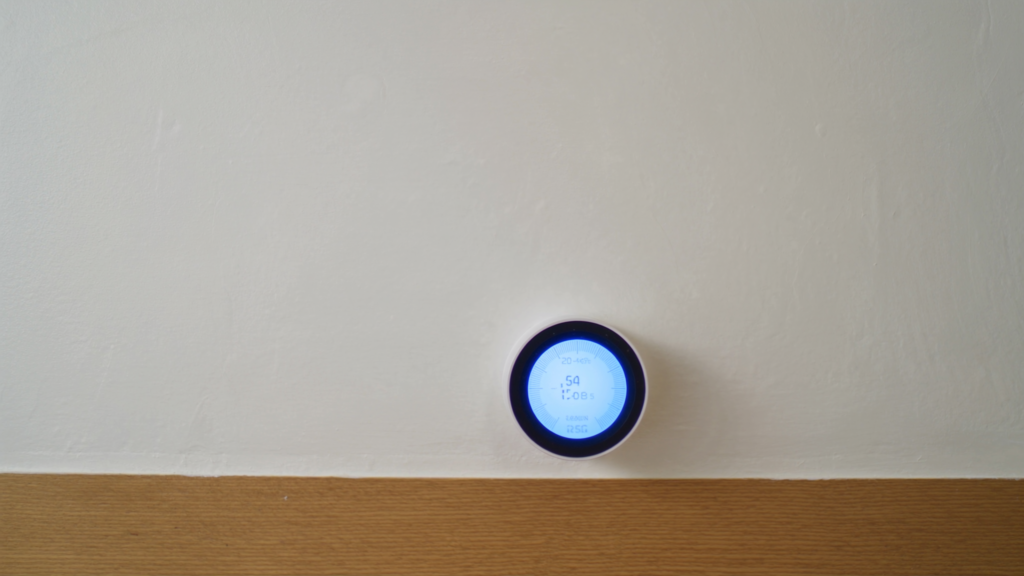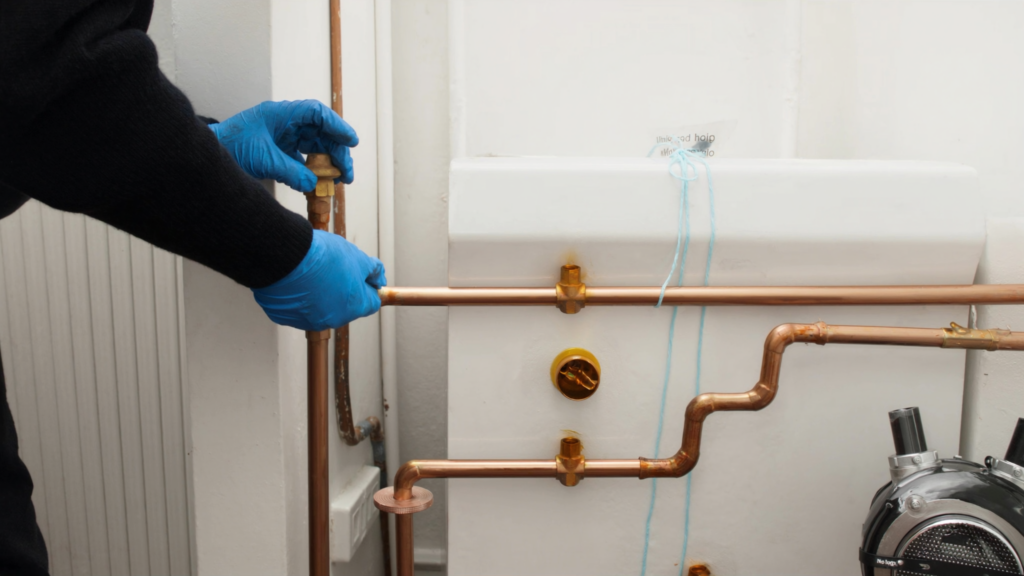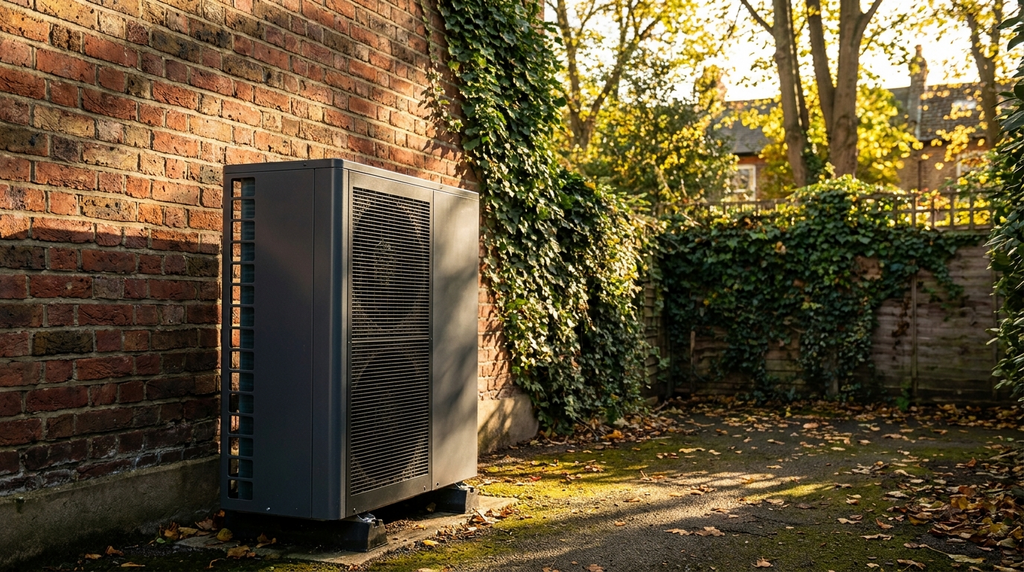
The single most important fact a smart thermostat is not a heat pump, and the wrong one can prevent your heat pump from working efficiently
A smart thermostat controls when and how your heating runs, but a heat pump needs a specific type of control that standard boiler thermostats do not provide. Fitting a boiler-only smart thermostat to a heat pump can force the heat pump to cycle on and off, destroying efficiency and potentially voiding the MCS warranty. The key distinction is that heat pumps work best with constant, low-temperature output, while boilers work best with short, high-temperature bursts.
A smart thermostat for a heat pump must support OpenTherm or a heat-pump-specific protocol, not just on/off signals. Using a boiler-only thermostat like Hive or Nest Gen 3 can cut efficiency and void your MCS warranty. Check compatibility before installation.
- Check your thermostat supports OpenTherm or a heat-pump-specific protocol.
- Using a boiler-only thermostat can force a heat pump to cycle on and off.
- MCS standard MIS 3005 requires control system compatibility with the heat source.
- Weather compensation adjusts flow temperature based on outdoor temperature.
- Load compensation adjusts flow temperature based on indoor heat loss.
- The single most important fact a smart thermostat is not a heat pump, and the wrong one can prevent your heat pump from working efficiently
- How to confirm your existing smart thermostat is compatible with a heat pump, the three checks you must make
- The three types of smart thermostat that work with a heat pump, and the one type that does not
- Quick numbers, typical costs, savings, and grant amounts for smart thermostat upgrades with a heat pump
- The direct, plain-English answer to "does a smart thermostat work with a heat pump?", yes, but only if it is the right type, and the wrong type can make your heat pump cost more to run than a boiler
- Who is eligible for a smart thermostat upgrade under the Boiler Upgrade Scheme (BUS), and who is not
- How to verify your smart thermostat installer is certified to work with heat pumps, MCS, TrustMark, and the specific controller qualification
The Energy Systems Catapult reviewed heat pump controls in 2025/2026 and found that many smart thermostats designed for gas boilers cannot modulate a heat pump’s compressor speed (Energy Systems Catapult, 2026). The MCS standard MIS 3005 (Section 5.2) also requires that the control system is compatible with the heat source, meaning your thermostat must match the heat pump, not the boiler you are replacing.
How to confirm your existing smart thermostat is compatible with a heat pump, the three checks you must make
Before you install a heat pump, check whether your existing smart thermostat can handle the job. Three checks will tell you if it is compatible.
Check 1: Does the thermostat support OpenTherm or a heat-pump-specific protocol? Most standard boiler-only thermostats, such as Hive or Nest Gen 3, do not. OpenTherm is a communication protocol that allows the thermostat to modulate the flow temperature of a heat pump. Without it, the thermostat can only send an on/off signal. Manufacturer-specific protocols, like Mitsubishi Ecodan or Vaillant sensoComfort, are designed for their own heat pumps (MCS installer guidance MCS 022, 2026).
Check 2: Does the thermostat have a weather-compensation or load-compensation mode? Weather compensation adjusts the flow temperature based on outdoor temperature. Load compensation adjusts based on indoor temperature loss. If your thermostat lacks these modes, it will not modulate the heat pump’s compressor speed, which is essential for efficient operation.
Check 3: Is the thermostat listed on the manufacturer’s approved heat-pump controller list? Manufacturers including Daikin, Mitsubishi, and Vaillant publish compatibility tables. If your thermostat is not on that list, the installer may refuse to commission the system, and the warranty could be invalidated (MCS 022 installer guidance, 2026).
The three types of smart thermostat that work with a heat pump, and the one type that does not
Type 1: Heat-pump-specific smart thermostats, examples include the Mitsubishi Ecodan Controller, Vaillant sensoComfort, and Daikin One+. These are designed for modulating control and include weather compensation as standard. They are the safest choice for new heat pump installations.
Type 2: Universal smart thermostats with OpenTherm, examples include Tado X, Netatmo, and Honeywell Evohome with an OpenTherm bridge. These can modulate flow temperature if the heat pump supports OpenTherm. The Energy Saving Trust’s heat pump controls field trial (2023) found that OpenTherm thermostats can reduce running costs by 10–25% compared to on/off controls (Energy Saving Trust, 2026).
Type 3: Zone-control systems, examples include Heatmiser Neo and Hive with a heat-pump add-on. These allow room-by-room control but require a separate heat-pump interface to manage modulation. They are best for larger homes with multiple heating zones.
Does not work: On/off-only smart thermostats, such as Nest Gen 3 without a heat-pump add-on, or Hive Active Heating. These force the heat pump to cycle on and off, which reduces the coefficient of performance (COP) by 20–30%, according to the DESNZ heat pump ready programme (2025) (DESNZ, 2025).
Quick numbers, typical costs, savings, and grant amounts for smart thermostat upgrades with a heat pump
| Upgrade type | Cost range (installed) | Annual heating cost saving | BUS eligible? |
|---|---|---|---|
| New heat-pump-specific thermostat (e.g., Ecodan Controller) | £250–£500 | 10–25% vs. on/off control | Yes (included in heat pump system) |
| Retrofit OpenTherm thermostat (e.g., Tado X) | £150–£350 | 10–20% vs. on/off control | Partial (labour only if bundled) |
| Zone-control add-on (e.g., Heatmiser Neo) | £400–£800 | 15–25% vs. single zone | Partial (if part of system design) |
| On/off-only thermostat (not recommended) | £100–£200 | None; increases costs by 20–30% | No |
Costs are based on the Energy Saving Trust cost tables (2025/2026) and the MCS installer price survey for Q1 2026 (Energy Saving Trust, 2026; GOV.UK BUS scheme guidance, 2026).
The direct, plain-English answer to “does a smart thermostat work with a heat pump?”, yes, but only if it is the right type, and the wrong type can make your heat pump cost more to run than a boiler
A standard on/off smart thermostat, like a basic Hive or Nest, will turn a heat pump on and off, but it will make the heat pump run inefficiently, increasing your electricity bill by 20–30% compared to a heat-pump-specific controller. A heat-pump-compatible smart thermostat, such as the Ecodan Controller or Tado X with OpenTherm, can reduce running costs by 10–25% by modulating flow temperature to match outdoor conditions (Energy Saving Trust field trial, 2023).
The answer is not a simple yes or no. It depends on the thermostat’s control protocol and whether your installer has set up weather compensation. The DESNZ heat pump performance data (2025) shows that homes with weather-compensated controls achieve a seasonal COP of 3.2 or higher, while on/off controls drop to 2.5 or below (DESNZ, 2025). How to interpret COP ratings for heat pumps
Who is eligible for a smart thermostat upgrade under the Boiler Upgrade Scheme (BUS), and who is not
Homeowners in England and Wales installing a new air-source or ground-source heat pump under the BUS are eligible for a grant of £7,500 (as of 2026). A heat-pump-specific smart thermostat is usually included in the system design and covered by the grant. If your installer lists “heat pump controls” or “system controller” separately on the quote, ask whether it is included in the £7,500 (GOV.UK BUS scheme guidance, 2026).
Homeowners retrofitting a smart thermostat to an existing heat pump are only partially eligible. The thermostat itself is not covered by BUS, but if it requires professional installation, the labour may be bundled with a separate heat pump service or upgrade. Homeowners with a gas, oil, or LPG boiler only are not eligible, BUS is for heat pumps only, not for smart controls on fossil-fuel systems (Ofgem BUS installer FAQ, 2026).
How to verify your smart thermostat installer is certified to work with heat pumps, MCS, TrustMark, and the specific controller qualification
MCS certification is mandatory for BUS grants. The installer must be MCS-certified for heat pumps under MCS 3005 or MCS 022. A standard gas-safe or electrical qualification is not enough. You can check an installer’s MCS status on the MCS installer directory (MCS installer directory, 2026).
TrustMark registration is required for any government-funded heat pump work. Check the installer’s TrustMark record for “heat pump” and “controls” entries. TrustMark scheme rules require that all work meets the relevant British Standards (TrustMark scheme rules, 2026).
Many manufacturers, including Mitsubishi, Vaillant, and Daikin, require installers to complete a product-specific training course before they can commission the smart thermostat. Ask to see the certificate. Without it, the thermostat may not be set up correctly, and the warranty could be voided. What to ask a heat pump installer before signing a contract
Frequently Asked Questions
No, standard Hive thermostats do not support OpenTherm or heat-pump-specific protocols. According to MCS installer guidance MCS 022 (2026), they can only send on/off signals, which will reduce heat pump efficiency and may void your warranty.
The best smart thermostat for a heat pump supports OpenTherm or a manufacturer-specific protocol like Mitsubishi Ecodan or Vaillant sensoComfort. The Energy Systems Catapult (2026) recommends models that include weather compensation or load compensation for optimal efficiency.
Nest Gen 3 does not support OpenTherm and is designed primarily for gas boilers. The Energy Systems Catapult (2026) found it cannot modulate a heat pump’s compressor speed, so it is not recommended for heat pump installations.
OpenTherm is a communication protocol that allows a thermostat to modulate the flow temperature of a heat pump, rather than just sending an on/off signal. According to MCS installer guidance MCS 022 (2026), it is essential for maintaining efficiency and avoiding cycling.
Yes, using an incompatible smart thermostat can void your MCS warranty. MCS standard MIS 3005 (Section 5.2) requires the control system to be compatible with the heat source, and a boiler-only thermostat may force the heat pump to cycle, damaging efficiency and coverage.