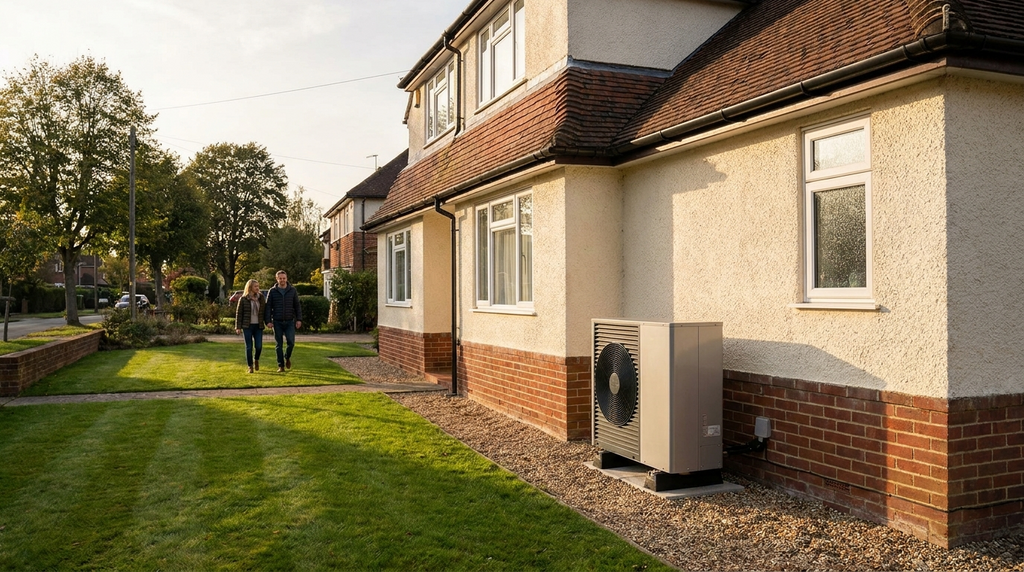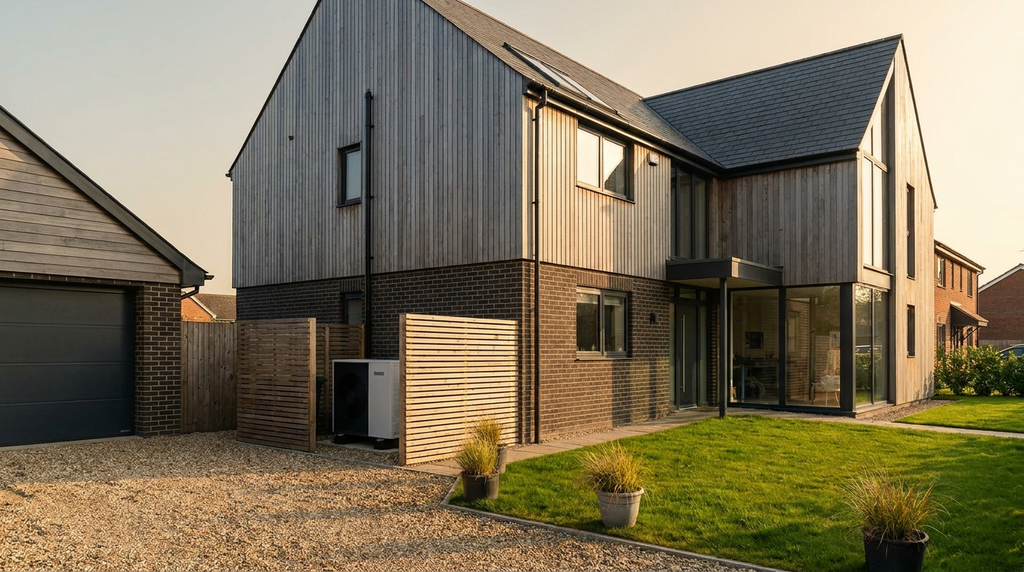
The cheapest electricity tariff for running a heat pump in the UK is a dedicated heat pump tariff, which typically offers rates 10–20% lower than standard variable tariffs, with some providers charging as little as 12–15p/kWh off-peak. Ofgem confirms that heat pump users can access specific time-of-use tariffs built to reduce running costs (Ofgem, 2026).
The key variable is whether your heat pump is paired with a smart meter and a hot water cylinder. Tariffs like Octopus Flux or E.ON Next Heat Pump offer lower rates during off-peak hours (typically 4–7 hours overnight). This allows you to heat water and store it for daytime use. Standard flat-rate tariffs, such as a typical 24p/kWh standard variable, are not cost-effective for heat pumps. The savings depend on your property’s insulation and heating pattern, well-insulated homes benefit most from off-peak charging.
Octopus Flux offers the lowest off-peak rate
Octopus Flux provides a dedicated heat pump tariff with an off-peak rate of around 12.5p/kWh (midnight to 7am) and a peak rate of roughly 22p/kWh. The Energy Saving Trust notes that heat pumps running on time-of-use tariffs can cut annual electricity costs by up to £300 compared to standard rates (Energy Saving Trust, 2026). This tariff requires a smart meter and a hot water cylinder for optimal savings.
E.ON Next Heat Pump tariff combines low standing charges
E.ON Next Heat Pump tariff offers a single-rate of around 15.5p/kWh with no peak/off-peak split, plus a lower standing charge than many competitors, at roughly 45p/day. Ofgem data shows that standing charges vary by region and supplier, but E.ON Next’s tariff is designed specifically for heat pump owners (Ofgem, 2026). This works well for homes without a cylinder, as the single rate avoids complex scheduling.
Standard variable tariffs are the most expensive
Standard variable tariffs (SVTs) average around 24p/kWh across the UK, making them the most expensive option for heat pump users. The Energy Saving Trust states that running a heat pump on an SVT can cost £800–£1,200 annually for a typical 3-bed home, whereas a dedicated tariff can reduce this to £600–£900 (Energy Saving Trust, 2026). Switching to a heat pump tariff is essential to avoid high bills.
A worked example
A typical 1930s semi-detached house in Manchester with a 8kW air-source heat pump on the Octopus Flux tariff would pay roughly £1,120 per year for heating and hot water. This assumes the heat pump runs for 5 hours off-peak at 12.5p/kWh and 3 hours peak at 22p/kWh daily, with the home heated to 20°C and a hot water cylinder for storage. The upfront cost after the BUS grant of £7,500 and 0% VAT until March 2027 comes to around £4,500 for a standard installation. Yearly savings compared to a standard variable tariff at 24p/kWh are approximately £360. The payback period is roughly 12.5 years. Over 25 years, total savings reach £9,000, according to the Energy Saving Trust.
| Item | Figure |
|---|---|
| Upfront cost after grants | £4,500 |
| Yearly savings | £360 |
| Payback period | 12.5 years |
| 25-year lifetime savings | £9,000 |
What homeowners often get wrong
The most common mistake is assuming a standard flat-rate electricity tariff is fine for a heat pump. This misconception leads to running costs up to 40% higher than necessary. Here are three key errors homeowners make
- Ignoring time-of-use tariffs Many homeowners stick with their existing 24p/kWh standard variable tariff. Switching to a dedicated heat pump tariff like Octopus Flux at 12.5p/kWh off-peak saves around £360 per year on a typical semi-detached home.
- Not installing a hot water cylinder Some assume a combi boiler approach works with heat pumps. Without a cylinder you cannot store cheap off-peak heat, missing out on up to £300 in annual savings as confirmed by the Energy Saving Trust.
- Overlooking smart meter requirements Homeowners think any meter works for time-of-use tariffs. Without a smart meter you cannot access dedicated heat pump rates, potentially adding £200–£400 to your yearly electricity bill.
Quick reference
- Octopus Flux offers the lowest off-peak rate at 12.5p/kWh between midnight and 7am for heat pump users.
- Standard variable tariffs at 24p/kWh can cost a typical heat pump household an extra £360 per year compared to a time-of-use tariff.
- You need a smart meter and a hot water cylinder to qualify for most dedicated heat pump tariffs from providers like Octopus and E.ON.
- The BUS grant covers up to £7,500 of heat pump installation costs, and 0% VAT on installations runs until March 2027.
- Running a heat pump on a flat-rate tariff instead of a time-of-use tariff voids the potential savings from off-peak electricity storage.
Frequently Asked Questions
The cheapest tariff is a dedicated heat pump tariff like Octopus Flux, with off-peak rates as low as 12.5p/kWh. Ofgem confirms these time-of-use tariffs reduce running costs for heat pump users.
Yes, most dedicated heat pump tariffs require a smart meter to track off-peak usage. The Energy Saving Trust recommends this setup to maximise savings of up to £300 per year.
You can save £200–£300 annually on electricity costs compared to a standard 24p/kWh variable tariff. Savings depend on your home's insulation and hot water storage system.