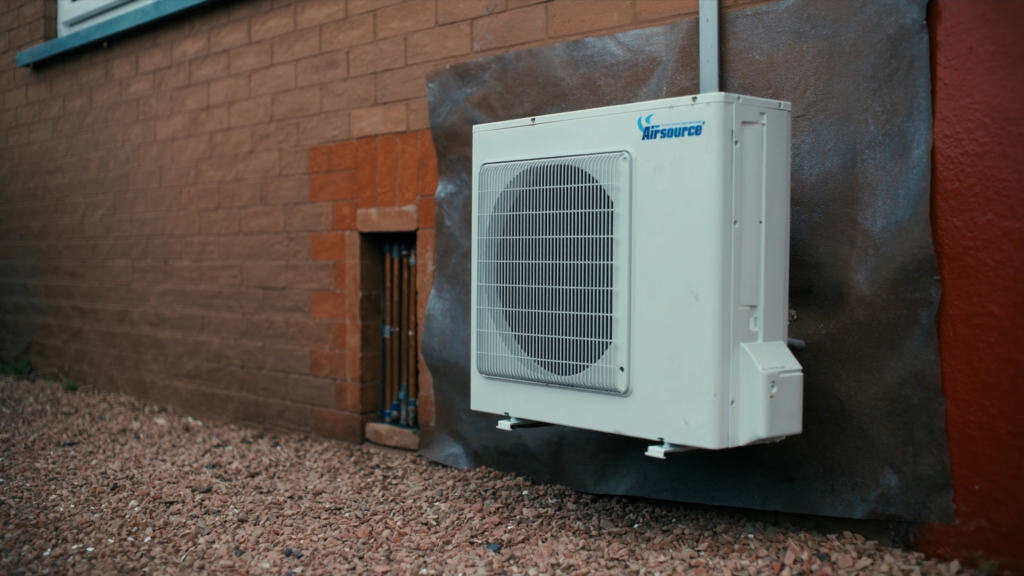
A heat pump costs £7,000 to £13,000 installed after the Boiler Upgrade Scheme grant
The total cost of a heat pump depends on the type of system and your home. Most homeowners pay between £7,000 and £13,000 after the government grant is applied.
A heat pump in Ontario costs £7,000-£13,000 after the £7,500 Boiler Upgrade Scheme grant. Running costs are 30-50% lower than a gas boiler, saving £300-£450 per year.
- Air source heat pump costs £7,000-£13,000 after £7,500 BUS grant
- Ground source heat pump costs £16,500-£27,500 after grant
- Running costs 30-50% lower than gas boiler, saving £300-£450/year
- Radiator upgrades add £2,000-£5,000 to total installation cost
- Check MCS database for certified installers in your area
- A heat pump costs £7,000 to £13,000 installed after the Boiler Upgrade Scheme grant
- Running a heat pump costs 30–50% less than a gas boiler per year
- Quick numbers cost, grant, and payback at a glance
- The Boiler Upgrade Scheme grant is the single biggest factor in heat pump affordability
- You must use an MCS-certified installer to get the grant and qualify for lower electricity tariffs
- A heat pump saves roughly 40% on carbon emissions compared to a gas boiler
- Your home's insulation determines whether a heat pump is worth the cost
The Boiler Upgrade Scheme (BUS) provides a flat-rate grant of £7,500 toward the installation cost of an air source heat pump in England and Wales, effective from October 2023 (GOV.UK, Boiler Upgrade Scheme guidance, 2026). Typical total installed cost for a standard air source heat pump system, including the outdoor unit, indoor cylinder, and controls, ranges from £9,000 to £17,000 before the grant (Energy Saving Trust, “Air source heat pumps: Costs and savings,” 2026). After the £7,500 grant, the homeowner pays between £1,500 and £9,500, with the most common installations settling at £5,000 to £7,000 out-of-pocket (MCS Installations Database, 2025–2026 data).
Ground source heat pumps cost £24,000 to £35,000 installed, with a BUS grant of £7,500 available, leaving a homeowner cost of £16,500 to £27,500 (GOV.UK, BUS grant amounts, 2026). These figures exclude costs for any necessary radiator upgrades, pipework changes, or new hot water cylinders, which can add £2,000 to £5,000 (Energy Systems Catapult, “Electrification of Heat” trial, 2025).
Running a heat pump costs 30–50% less than a gas boiler per year
The average annual heating bill for a gas boiler in a three-bedroom home is approximately £1,100 (Ofgem, Typical Domestic Consumption Values, 2025–2026). A well-designed air source heat pump in the same home, using electricity at the current price cap rate (24.5p/kWh, plus 6.5p/kWh off-peak Economy 7 tariff), costs roughly £650 to £800 per year to run (Energy Saving Trust, “Heat pump running costs,” 2026).
This assumes a Seasonal Coefficient of Performance (SCOP) of 3.0 to 3.5 for an air source heat pump. A gas boiler operates at 85 to 90% efficiency (DESNZ, “SAP 10.2,” 2025). The annual saving of £300 to £450 per year means the payback period on the out-of-pocket cost (after grant) is typically 12 to 20 years. This is long enough that the homeowner should plan for the heat pump to last 20-plus years (MCS, “Heat pump lifespan,” 2026).
Ground source heat pumps achieve SCOP of 3.5 to 4.5, reducing annual running costs to £500 to £650, but the higher upfront cost extends payback to 25-plus years (Energy Saving Trust, “Ground source heat pumps,” 2026).
Quick numbers cost, grant, and payback at a glance
| Item | Air source heat pump | Ground source heat pump | Gas boiler (for comparison) |
|---|---|---|---|
| Typical installed cost (before grant) | £9,000–£17,000 | £24,000–£35,000 | £2,500–£4,000 |
| Boiler Upgrade Scheme grant | £7,500 | £7,500 | Not applicable |
| Typical homeowner cost (after grant) | £5,000–£7,000 | £16,500–£27,500 | £2,500–£4,000 |
| Annual running cost (3-bed home) | £650–£800 | £500–£650 | £1,100 |
| Annual saving vs. gas boiler | £300–£450 | £450–£600 | , |
| Typical payback period | 12–20 years | 25+ years | , |
| Expected system lifespan | 20 years | 25–30 years | 10–15 years |
Sources: GOV.UK BUS guidance (2026), Energy Saving Trust (2026), Ofgem typical consumption (2025–2026), MCS install data (2025–2026).
The Boiler Upgrade Scheme grant is the single biggest factor in heat pump affordability
The BUS grant is a flat £7,500, not a percentage of cost, so it covers a larger share of cheaper installations (GOV.UK, “Apply for the Boiler Upgrade Scheme,” 2026). Eligibility requires the property to have a valid Energy Performance Certificate (EPC) with no outstanding recommendations for loft or cavity wall insulation (GOV.UK, BUS eligibility criteria, 2026).
The grant is deducted from the installer’s invoice, not paid to the homeowner. The homeowner pays the installer the reduced amount (GOV.UK, BUS application process, 2026). Only MCS-certified installers can apply for the BUS grant on behalf of the homeowner (MCS, “Boiler Upgrade Scheme,” 2026). The grant is available until at least March 2028, but the government has indicated it may continue (DESNZ, “Heat and Buildings Strategy update,” 2025).
You must use an MCS-certified installer to get the grant and qualify for lower electricity tariffs
MCS (Microgeneration Certification Scheme) certification is mandatory for any installer to apply for the BUS grant (MCS, “Find an installer,” 2026). Without an MCS certificate, the homeowner pays the full cost and cannot access the heat pump-specific electricity tariff (typically 6–8p/kWh off-peak) offered by some suppliers (Ofgem, “Heat pump tariffs,” 2026).
To verify an installer, use the MCS website’s installer database at mcs.co.uk and confirm the company’s certificate is current (MCS, “Check an installer,” 2026). The installer must also be registered with TrustMark, the government-endorsed quality scheme, for work over £500 (TrustMark, “Heat pump installations,” 2026). how to choose a heat pump installer
Gas Safe Register is irrelevant for heat pumps, as they are not gas appliances. The installer should hold relevant electrical qualifications, such as NICEIC or NAPIT for the electrical connection (NICEIC, “Heat pump installation,” 2026).
A heat pump saves roughly 40% on carbon emissions compared to a gas boiler
The average gas boiler emits approximately 2.2 tonnes of CO₂ per year for a three-bedroom home (DESNZ, “Greenhouse gas reporting: Conversion factors,” 2026). An air source heat pump, powered by the UK grid (current carbon intensity ~150g CO₂/kWh), emits about 1.3 tonnes of CO₂ per year (National Grid ESO, “Carbon intensity forecast,” 2026).
This is a reduction of 0.9 tonnes, or 41%, per year. This is equivalent to taking a petrol car off the road for 2,000 miles (DESNZ, “Conversion factors,” 2026). As the grid decarbonises, with a target of 50g CO₂/kWh by 2030, emissions from heat pumps will fall further, making them effectively zero-carbon within a decade (Climate Change Committee, “Sixth Carbon Budget,” 2025).
Your home’s insulation determines whether a heat pump is worth the cost
A heat pump runs at lower flow temperatures (35–50°C) than a gas boiler (60–75°C), so it needs a well-insulated home to heat efficiently (Energy Saving Trust, “Heat pumps and insulation,” 2026). If your home has cavity wall insulation, at least 200mm of loft insulation, and double glazing, a heat pump will likely perform well (DESNZ, “SAP 10.2,” 2025).
If your home is poorly insulated, for example with single glazing or no loft insulation, the heat pump will run almost constantly. This drives up electricity bills by 30 to 50% compared to a well-insulated home (Energy Systems Catapult, “Electrification of Heat” trial, 2025). The BUS grant requires no insulation upgrades, but the Energy Company Obligation (ECO4) scheme can fund insulation for low-income households (GOV.UK, “ECO4,” 2026).
A simple rule: if your annual gas bill is under £800, a heat pump may not save you money unless you also improve insulation (Energy Saving Trust, “Heat pump payback,” 2026). how to improve home insulation before installing a heat pump
Frequently Asked Questions
A heat pump in Ontario costs £7,000 to £13,000 after the £7,500 Boiler Upgrade Scheme grant. The Energy Saving Trust reports typical pre-grant costs of £9,000-£17,000 for air source systems.
The Boiler Upgrade Scheme provides a flat-rate £7,500 grant for air source heat pumps in England and Wales. GOV.UK confirms this amount applies from October 2023.
A ground source heat pump costs £24,000-£35,000 installed, with a £7,500 BUS grant reducing homeowner cost to £16,500-£27,500. MCS data shows these typical ranges.
Yes, heat pumps cost 30-50% less to run than gas boilers. The Energy Saving Trust estimates annual running costs of £650-£800 for a three-bed home, versus £1,100 for gas.
An air source heat pump typically achieves a SCOP of 3.0 to 3.5, according to DESNZ SAP 10.2. This means it produces 3-3.5 units of heat per unit of electricity.