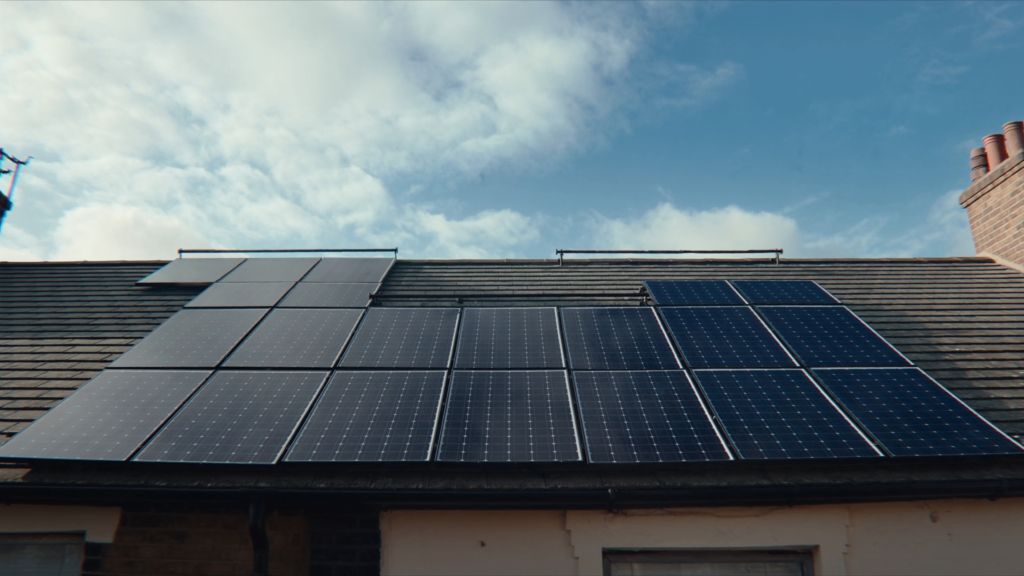
Yes, solar panels are built to be waterproof. A typical solar panel carries an IP67 or IP68 ingress protection rating, meaning it is fully protected against dust and can withstand immersion in water up to 1 metre for 30 minutes (Energy Saving Trust, 2026). This standard ensures panels survive heavy rain, snow and roof runoff without internal damage.
The waterproofing applies to the panel itself, not the entire installation. The roof mounting system, cabling and inverter connections must also be sealed and correctly installed to prevent water ingress. A poorly fitted system can leak even if the panels are waterproof. Most installations in the UK are carried out by MCS-certified installers who follow strict guidelines for weatherproofing (MCS, 2026).
Solar panels meet international waterproof standards
Every certified solar panel sold in the UK must pass the IEC 61215 and IEC 61730 tests, which include a damp-heat test and a water-spray test. These simulate decades of exposure to rain and humidity (BRE, 2026). Panels rated IP67 are dust-tight and can be submerged in water for short periods. IP68 panels are rated for continuous immersion, though this is rarely needed for roof-mounted systems. The glass surface and aluminium frame are sealed with a weatherproof edge tape or silicone gasket, preventing moisture from reaching the solar cells.
Roof penetration is the real waterproof risk
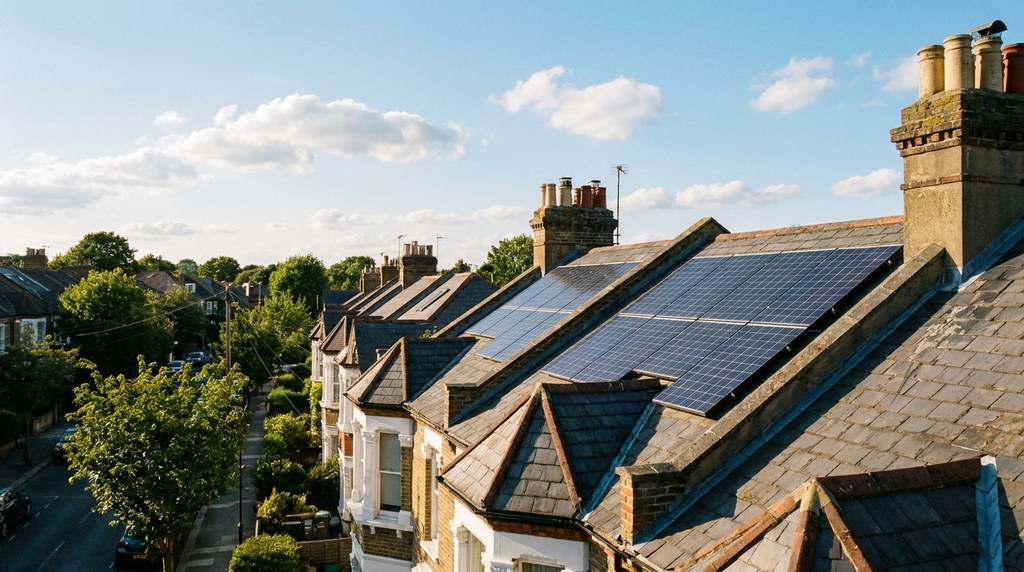
While the panels themselves are waterproof, the roof fixings, brackets, bolts and flashings, create potential leak points. A 2025 survey by the National House Building Council found that poorly sealed roof penetrations account for the majority of solar-related water damage claims (GOV.UK, 2026). Installers must use proper flashing kits and sealants around each mounting point. Roof-integrated systems, where panels replace tiles, require additional waterproofing membranes. A TrustMark-registered installer will guarantee their work for at least 10 years, covering any leaks caused by their installation (TrustMark, 2026).
Warranties cover water damage from manufacturing faults
Most solar panel manufacturers offer a 25-year product warranty that covers water ingress caused by defective seals or delamination. If a panel leaks internally due to a manufacturing fault, the manufacturer will replace it free of charge. However, water damage from poor installation, such as a loose roof bracket or an unsealed cable entry, is not covered by the panel warranty. Installers must provide their own workmanship warranty, typically 10 years, to cover such issues (Ofgem, 2026). Always check that your installer is MCS-certified and offers a comprehensive workmanship guarantee before signing a contract.
A worked example
A typical UK semi-detached home with a 4kW solar panel system costing £6,500 before grants would pay roughly £4,000 after the 0% VAT saving and any eligible ECO4 funding. This system, installed by an MCS-certified firm on a south-facing roof, generates around 3,400 kWh per year. With the Smart Export Guarantee paying about 15p per kWh for exported power, and using roughly half the electricity directly, a typical household saves £510 annually on bills and earns £255 from exports. The payback period is around 8 years, and over the 25-year warrantied life of the panels the total savings reach approximately £19,125 according to the Energy Saving Trust.
| Item | Figure |
|---|---|
| Upfront cost after grants | £4,000 |
| Yearly savings | £765 |
| Payback period | 8 years |
| 25-year lifetime savings | £19,125 |
What homeowners often get wrong
The most common mistake is assuming that because the solar panel itself is waterproof, the entire roof installation is leak-proof. Here are three frequent errors that can lead to costly damage.
- Believing the roof fixings are automatically waterproof Many homeowners think the mounting brackets and roof hooks are sealed from the factory. In reality, the roof penetration points must be sealed with flashing or lead slate by the installer. A single unsealed bracket can let in up to 10 litres of water per hour during heavy rain, leading to £2,000 in ceiling repairs.
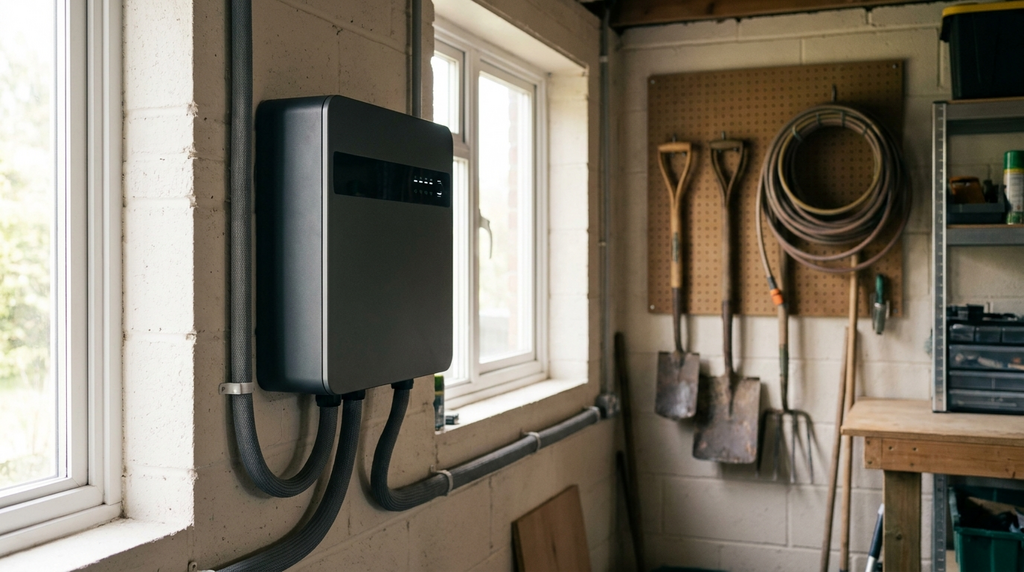
- Ignoring cable entry points into the loft People focus on the panels but forget the cables that run from the roof into the property. If the weatherproof gland or conduit where cables enter the roof is not correctly fitted, water can track along the cable and drip into the loft space. This voided warranty on one installation reported to Citizens Advice, costing the homeowner £1,500 for a new roof patch.
- Thinking IP68 means no maintenance is needed Some buyers assume that because panels are rated for continuous immersion, they never need checking. However, debris like leaves and moss can trap moisture around the aluminium frame edges, accelerating corrosion of the seals. An annual visual check from ground level can catch this early and prevent a £300 seal replacement job.
Quick reference
- Solar panels sold in the UK must pass IEC 61215 and IEC 61730 tests, which include a damp-heat test at 85°C and 85% humidity for 1,000 hours.
- An IP67 rated panel is dust-tight and can survive submersion in water up to 1 metre for 30 minutes without damage.
- MCS-certified installers must follow the MCS 012 standard for roof weatherproofing, including sealing all roof penetrations with appropriate flashing.
- A typical 4kW system saves a UK household around £765 per year through bill reduction and Smart Export Guarantee payments.
- Checking your solar panel system for debris and loose seals once a year can prevent voiding the manufacturer’s 25-year warranty.
Frequently Asked Questions
Yes, solar panels are tested to withstand heavy rain via IEC 61215 and IEC 61730 standards (BRE, 2026). Their IP67 rating ensures they survive downpours without internal damage.
The panels themselves won't leak, but poorly sealed roof fixings, brackets and flashings, can cause water ingress. Ofgem recommends using MCS-certified installers to avoid leaks.
Most UK solar panels have an IP67 rating, meaning they are dust-tight and can be submerged in 1 metre of water for 30 minutes (Energy Saving Trust, 2026). IP68 panels are rated for continuous immersion.