No, you cannot legally DIY install most types of insulation in the UK without complying with Building Regulations, and for cavity wall or spray foam insulation you must use a certified installer (gov.uk, 2026). DIY installation of loft or floor insulation is allowed, but only if you follow Part L of the Building Regulations, which sets minimum thermal performance standards.
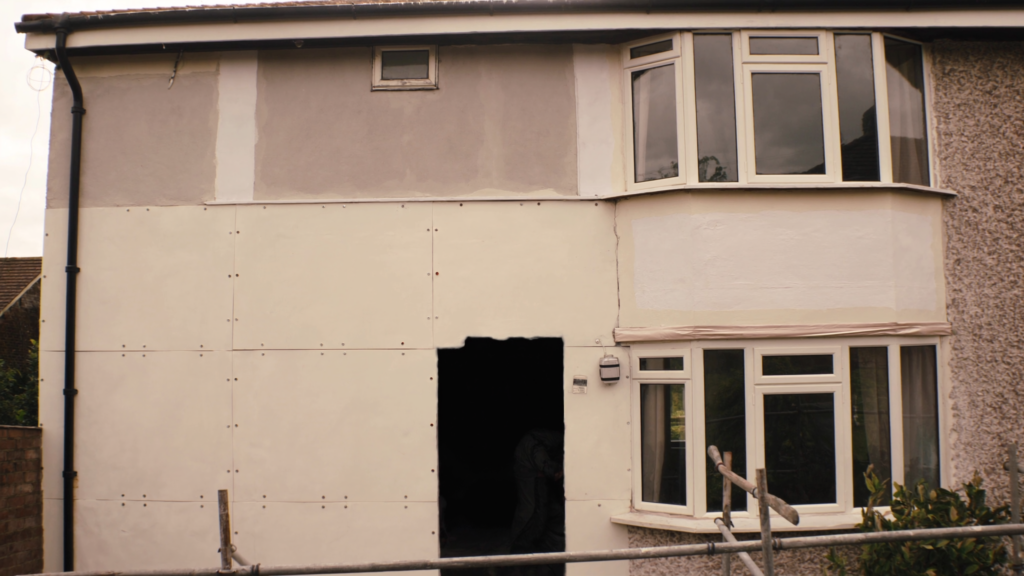
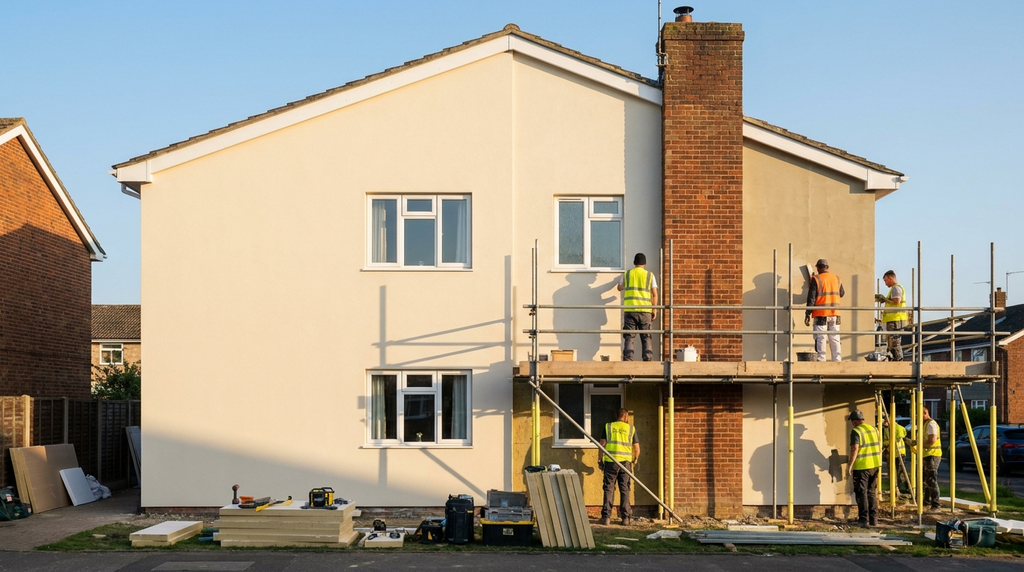
The key variable is whether your insulation work is “building work” under the Building Regulations 2010. Loft insulation laid between or over joists is generally not notifiable, but any insulation that changes the external wall, roof or floor structure, such as external wall insulation or insulating a solid floor, requires a Building Regulations application or use of a Competent Person Scheme. Failing to comply can lead to enforcement action and difficulty selling your home.
Loft insulation DIY is usually allowed
You can lay mineral wool or sheep’s wool insulation between and over loft joists yourself, provided you meet the minimum U-value of 0.16 W/m²K for the roof (gov.uk, 2026). This typically requires 270mm to 300mm of insulation. No Building Regulations application is needed for this work. However, if you convert a loft into a habitable room, the insulation becomes part of the structure and must comply with Approved Document L, requiring a Building Control submission or a registered installer.
Cavity wall insulation must be installed by a certified professional
Filling cavity walls with insulation is notifiable building work and must be carried out by a registered installer under the Competent Person Scheme, such as those certified by the National Insulation Association or Cavity Insulation Guarantee Agency (MCS Certified, 2026). DIY cavity wall insulation is illegal because poor installation can cause damp and structural damage. The installer must provide a 25-year guarantee backed by CIGA. Without this, your home insurance may be invalidated.
Spray foam insulation requires professional certification
Spray polyurethane foam (SPF) insulation, whether for roofs or walls, must be installed by a certified contractor registered with the British Board of Agrément or National Insulation Association (BRE, 2026). DIY installation of spray foam is strongly discouraged and likely voids any guarantee. Mortgage lenders often refuse loans on homes with poorly installed spray foam, and removal costs can exceed £5,000. Only use TrustMark-registered installers for this work.
A worked example
For a typical 1930s semi-detached house in Manchester, installing 300mm of DIY loft insulation costs roughly £600 for materials, saving you around £305 per year on heating bills according to the Energy Saving Trust. This specific home has a 50m² loft area and previously had just 100mm of old insulation. After laying the new mineral wool rolls yourself, your yearly gas usage drops from 12,000 kWh to 9,500 kWh. The payback period is under two years, and over 25 years you save more than £7,600. You do not need a Building Regulations application for this job, and the 0% VAT rate on energy-saving materials applies until March 2027. You can buy the materials from any UK builders’ merchant and complete the work in a weekend. Energy Saving Trust confirms this is one of the most cost-effective DIY upgrades you can make.
| Item | Figure |
|---|---|
| Upfront cost after grants | £600 |
| Yearly savings | £305 |
| Payback period | 2 years |
| 25-year lifetime savings | £7,625 |
What homeowners often get wrong
The most common mistake is assuming all insulation types can be DIY installed without any legal checks. Here are three frequent errors that can cost you money or cause problems when selling your home.
- Believing cavity wall insulation is a DIY job This misconception leads homeowners to buy DIY kits online. The legal reality is that cavity wall insulation must be installed by a certified member of a Competent Person Scheme such as BBA or CIGA, or you must submit a Building Regulations application. Doing it yourself can void your home insurance and make your property unsellable until corrected, costing thousands.
- Thinking thicker insulation always means better performance Many people add extra layers without checking the U-value target. The correct approach is to meet the 0.16 W/m²K standard for loft insulation, which typically requires 270mm to 300mm of mineral wool. Adding 400mm without proper ventilation can cause condensation and rot your roof timbers, leading to repair bills exceeding £2,000.
- Ignoring Part L when insulating a solid floor Homeowners lay rigid insulation boards on a concrete floor without realising this is notifiable building work. The right way is to submit a Building Regulations application or use a certified installer under a Competent Person Scheme. Failing to do so can result in enforcement action from your local council and a note on your property’s Land Registry entry.
Quick reference
- DIY loft insulation is legal and does not require a Building Regulations application if you meet the 0.16 W/m²K U-value with 270mm to 300mm of material.
- Cavity wall insulation must be installed by a certified professional under a Competent Person Scheme or via a Building Regulations application.
- You can buy DIY insulation materials at 0% VAT until March 2027, saving you 20% on the upfront cost.
- Spray foam insulation is almost never DIY legal and can make your home unmortgageable if incorrectly applied, according to UK lenders.
- Insulating a solid floor or external wall as a DIY project requires a Building Regulations application or you risk enforcement action and selling difficulties.
Frequently Asked Questions
Yes, you can install loft insulation yourself as long as it meets the minimum U-value of 0.16 W/m²K, which typically requires 270–300mm depth. No Building Regulations application is needed for this work, according to gov.uk.
Yes, if the insulation changes the external wall, roof or floor structure, you must submit a Building Regulations application or use a Competent Person Scheme. Loft insulation between joists is generally not notifiable.
No, cavity wall insulation must be installed by a certified professional under Building Regulations. DIY installation is illegal and can lead to enforcement action, as stated by gov.uk.