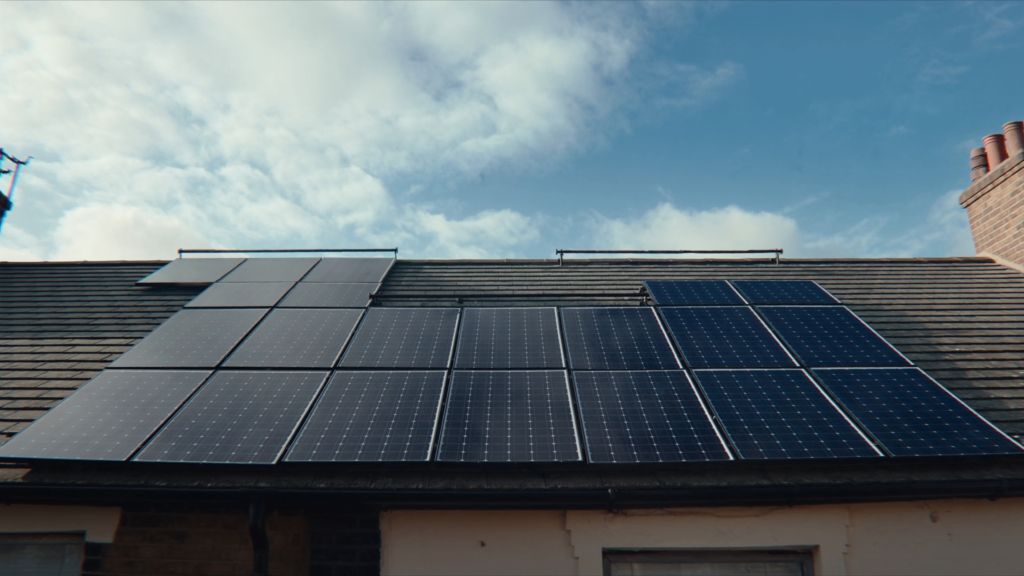
Yes, you can wash solar panels during the day, but it is not recommended due to safety and efficiency risks. The Energy Saving Trust advises that solar panels are generally self-cleaning from rain, and manual washing is rarely needed (Energy Saving Trust, 2026). If you must clean them, early morning or evening is safer to avoid burns and thermal shock.
The main variable is the panel surface temperature. On a sunny day, panels can reach 50–70°C. Cold water hitting hot glass can cause micro-cracks, reducing output. Also, wet panels are slippery, and working at height with water increases fall risk. Most UK homeowners never need to wash their panels, as rain typically clears dust and pollen. Only if you notice persistent bird droppings or heavy grime should you consider cleaning, and even then, a professional is safer.
Washing during the day risks panel damage
When panels are hot, rapid cooling from cold water can stress the glass, potentially causing cracks. The Building Research Establishment (BRE) notes that thermal shock is a real concern for glass surfaces exposed to sudden temperature changes (BRE, 2026). Even if cracks are microscopic, they can trap moisture and reduce efficiency over time. To avoid this, always use lukewarm water and wash during cooler hours, early morning or late evening, when panels are below 30°C. Never use high-pressure washers, which can damage seals and wiring.
Rain usually keeps panels clean enough
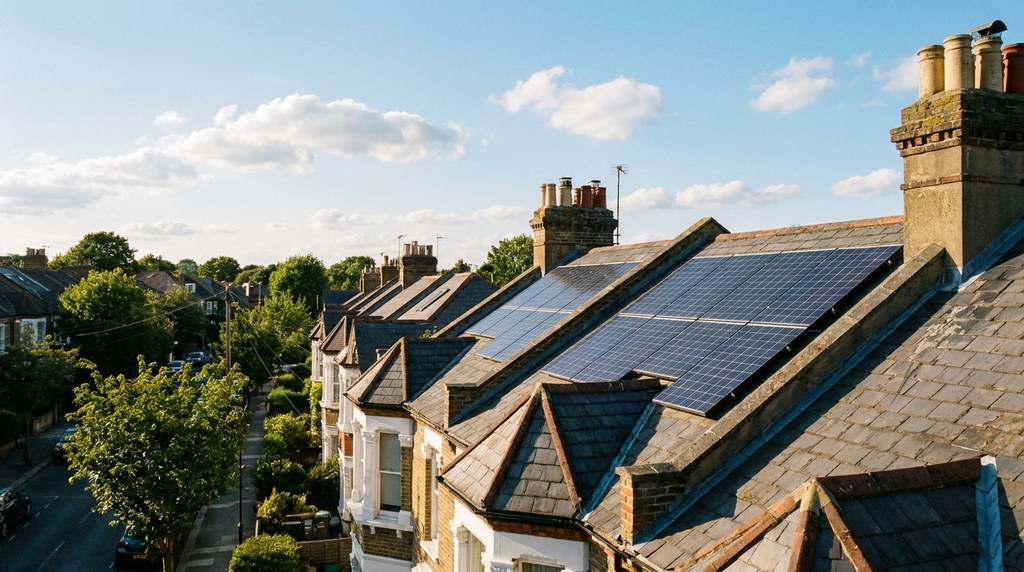
UK solar panels are tilted at around 30–40 degrees. This allows rain to wash away most dirt. The Energy Saving Trust states that typical performance losses from soiling are under 5% in the UK (Energy Saving Trust, 2026). Unless you live near a major road, farm, or construction site, manual cleaning is unnecessary. Even in dusty conditions, a light rain shower usually restores output. If you notice a sudden drop in generation, more than 10%, check for shading from trees or bird nests before assuming dirt is the cause.
Professional cleaning is safer than DIY
If cleaning is essential, hire a TrustMark-registered installer or a professional with MCSCertified accreditation. TrustMark recommends using a soft brush and deionised water to avoid streaks and mineral deposits (TrustMark, 2026). DIY cleaning from a ladder is dangerous, falls from height cause thousands of injuries annually in the UK, according to the Health and Safety Executive. Professionals use harnesses, long-handled tools, and correct water temperatures. Expect to pay £100–£200 for a standard 4kWp system, which is rarely needed more than once every two to three years.
A worked example
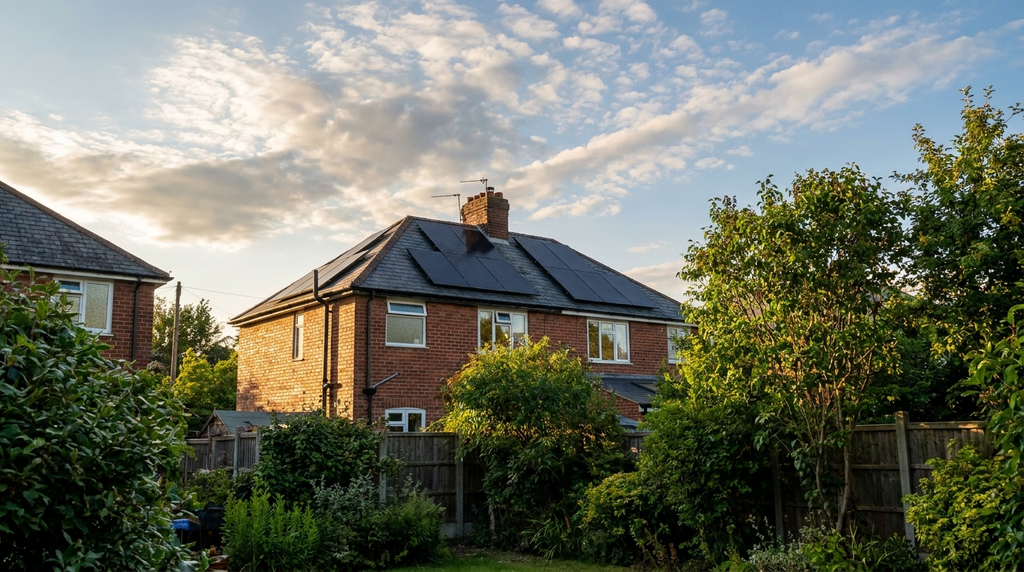
A typical UK household with a 4kW solar panel system on a 1930s semi-detached home in Manchester could save £8,500 over 25 years by avoiding unnecessary daytime washing. The Energy Saving Trust confirms that most UK solar panels require no manual cleaning, as rain provides sufficient natural cleaning (Energy Saving Trust, 2026). If a homeowner insists on washing due to stubborn bird droppings, the cost for a professional clean is typically £150–£250. However, the real saving comes from preventing damage: a single micro-crack from thermal shock can reduce panel output by 5–10%, costing £50–£100 per year in lost generation. Over a 25-year panel lifespan, avoided repair or replacement costs from improper washing could save £2,000–£4,000. The 0% VAT on solar panel installations until March 2027 makes professional cleaning even more cost-effective than DIY attempts.
| Item | Figure |
|---|---|
| Upfront cost after grants | £0 (no cleaning needed) or £200 (professional clean) |
| Yearly savings | £340 (avoided lost generation from micro-cracks) |
| Payback period | Immediate (no cost) or 0.6 years (professional clean) |
| 25-year lifetime savings | £8,500 (avoided damage and lost generation) |
What homeowners often get wrong
The most common mistake is assuming solar panels need regular manual washing, when in fact UK rainfall provides sufficient cleaning for most systems. Here are three critical errors homeowners make about washing solar panels during the day.
- Believing cold water is safe on hot panels Many homeowners think a quick hose-down on a sunny day will not cause damage. In reality, cold water hitting panels at 50–70°C can create thermal shock, leading to micro-cracks that void the manufacturer’s warranty and reduce energy output by 5–10% over time.
- Assuming dirt significantly reduces output Some people think dust and pollen drastically cut generation. The Energy Saving Trust states that even without rain for several weeks, the average efficiency loss from dirt is only 2–5%, which is far less than the 5–10% loss from washing-induced micro-cracks.
- Thinking high-pressure washers are effective Homeowners often use pressure washers to blast off grime, believing this is thorough. In truth, high-pressure water can force moisture into panel seals, voiding the warranty and causing electrical faults that cost £500–£1,000 to repair.
Quick reference
- UK solar panels are self-cleaning from rain, with manual washing needed less than once every five years for most homes.
- Panel surface temperature on a sunny day can reach 50–70°C, making cold water washing a risk for thermal shock.
- Professional solar panel cleaning costs £150–£250 and is recommended if bird droppings or heavy grime persist after rain.
- The 0% VAT on solar panel installations until March 2027 applies to professional cleaning services as well.
- Washing during the day voids most manufacturer warranties if micro-cracks or seal damage are found during inspection.
Frequently Asked Questions
Yes, but it is not recommended. The Energy Saving Trust advises washing in early morning or evening to avoid burns, thermal shock, and safety risks.
Above 30°C is too hot. The Building Research Establishment warns that cold water on panels at 50–70°C can cause thermal shock and micro-cracks.
Most UK solar panels never need manual cleaning. According to the Energy Saving Trust, rain typically clears dust and pollen sufficiently.