Why Cambridgeshire homeowners are choosing Double Glazed Windows in 2026
If you live in Cambridgeshire, you already know the struggle. Those cold easterly winds whip across the flat Fens from November through March, and your heating bills can make you wince. In 2026, more homeowners across the county are finally saying enough is enough. Double glazed windows have become the go-to upgrade for good reason.
Cambridgeshire sits in Southern England with milder winters than the rest of the UK, but that doesn’t mean your home stays warm. The county averages around 1,200 to 1,500 heating degree days per year. That is lower than the national average, but your energy consumption tells a different story. With average gas usage of 10,950 kWh per year and electricity at 3,025 kWh, many homes are leaking heat through old single glazing or poorly sealed frames.
Your home’s Energy Performance Certificate rating matters more than ever. The county average sits at Band D, right on the UK median. That means most homes have significant room for improvement. Double glazed windows are one of the quickest ways to climb from Band D to Band C or even B. Estate agents across Cambridge, Ely, Huntingdon, and Peterborough now flag poor window ratings as a dealbreaker for buyers.
There is also a practical push from the local climate. Cambridgeshire enjoys 1,200 to 1,500 sunshine hours per year, with lower rainfall than most of the UK at just 500 to 700mm annually. That sounds great, but it also means your windows face more UV exposure and temperature swings between sunny days and frosty nights. Modern double glazing with low-emissivity coatings handles this perfectly, keeping heat in during winter and reflecting solar warmth in summer.
Another local factor driving demand is the mix of property types. Cambridgeshire has a healthy spread of semi-detached, terraced, and detached homes. Many of these were built in the Victorian and Edwardian eras, especially in Cambridge and Ely. Those older homes often have beautiful but draughty timber sash windows. Double glazed replacements that match the original style are now widely available, and homeowners are jumping at the chance to keep the character without the chill.
Insider tip: If you live near the River Cam or in the Fens, ask your installer about argon gas-filled units. The higher humidity levels in these low-lying areas can cause more condensation on standard glass. Argon fill reduces this and boosts thermal performance by around 20%.
How much Double Glazed Windows costs across Cambridgeshire in 2026
Let’s talk money. Double glazed window costs in Cambridgeshire have settled in 2026 after a few years of material price fluctuations. You will pay slightly more than the national average in some areas, especially around Cambridge, because of higher labour rates and demand. But prices in Huntingdon and Peterborough tend to be closer to the UK median.
Here is a detailed cost breakdown for different property types across the county. These figures include supply and installation by a certified installer using quality components.
| Property type | Window count | Standard double glazing (uPVC) | Premium double glazing (timber or aluminium) | National average for comparison |
|---|---|---|---|---|
| Terraced house (2-bed) | 6 windows | £2,400 – £3,000 | £4,200 – £5,100 | £2,200 – £2,800 |
| Semi-detached house (3-bed) | 8 windows | £3,200 – £4,000 | £5,600 – £6,800 | £3,000 – £3,700 |
| Detached house (4-bed) | 10-12 windows | £5,000 – £6,500 | £8,500 – £11,000 | £4,800 – £6,000 |
Why the variation across Cambridgeshire? Labour rates are the biggest factor. Installers based in Cambridge charge a premium because their overheads are higher. In Peterborough and Huntingdon, competition keeps prices more reasonable. Ely sits somewhere in the middle, with a mix of local tradespeople and Cambridge-based teams traveling out.
Material choice also drives costs. uPVC remains the most affordable option and works well for most homes. Timber frames cost 40% to 60% more but are essential for period properties in conservation areas. Aluminium frames are another premium choice, popular for modern builds and large glazed sections. You should budget an extra £300 to £500 per window if you need bespoke sizes or heritage styles.
One more cost factor specific to Cambridgeshire is access. If your home has upper-storey windows that are hard to reach, expect a surcharge of £50 to £100 per window. This is common on tall Victorian terraces in Cambridge city centre.
County-specific considerations for Double Glazed Windows
Cambridgeshire is not a one-size-fits-all county. Your home’s location, age, and local regulations all affect what double glazing works best. Let me walk you through the key considerations.
Climate and geography: The flat Fenland landscape means your home is exposed to wind from all directions. Cold easterly winds in winter are relentless. You want windows with a U-value of 1.2 W/m²K or lower. That is the measure of heat loss, and lower numbers mean better insulation. Standard double glazing typically achieves 1.4 to 1.6 W/m²K, but premium options with warm edge spacers and argon gas can drop below 1.0.
Sunshine is another factor. Cambridgeshire gets more solar irradiance than most of the UK, which is great for passive solar heating in winter. But it also means your windows need to manage solar gain in summer. Look for glass with a solar heat gain coefficient (SHGC) around 0.5 to 0.6. This lets in warmth when you want it but reduces overheating on hot days.
Conservation areas and planning: This is a big one. Cambridge has several conservation areas, including the historic city centre, Newnham, and parts of Chesterton. Ely also has a designated conservation area around the cathedral. If your property is in one of these zones, you cannot simply swap in modern uPVC windows. You need approved replacements that match the original style, usually timber or timber-effect aluminium.
Listed buildings are another matter. Cambridgeshire has hundreds of listed properties, especially in the villages around Cambridge and Ely. If your home is Grade I or Grade II listed, you will need listed building consent before any window replacement. Your local planning authority at Cambridgeshire County Council or your district council handles this. The process takes 8 to 12 weeks, so plan ahead.
Building regulations: All window replacements in Cambridgeshire must comply with Part L of the Building Regulations, which covers conservation of fuel and power. Since 2022, the standards have tightened. Your new windows must achieve a U-value of 1.6 W/m²K or better for the whole window unit. Most reputable installers will handle Building Control notification for you through FENSA or CERTASS certification.
Property types: Semi-detached homes are the most common in Cambridgeshire, making up about a third of the housing stock. These typically have 8 to 10 windows and benefit greatly from double glazing because they share one exposed wall with a neighbour. Terraced homes, common in Cambridge and Peterborough city centres, have fewer external walls but often suffer from more draughts through old sash windows. Detached homes, prevalent in villages and the outskirts of Huntingdon, have the most windows and the highest potential savings.
County note: If you live in a new-build home built after 2002, your windows may already be double glazed but could be nearing the end of their lifespan. The average double glazed window lasts 20 to 25 years. Many homes built in the early 2000s are now due for replacement.
The best Double Glazed Windows options for Cambridgeshire homes
Based on the county’s housing stock, climate, and typical budgets, here are my top recommendations for Cambridgeshire homeowners.
For period homes in Cambridge and Ely: Go for timber double glazed sash windows. These cost more upfront, around £800 to £1,200 per window, but they preserve your home’s character and meet conservation area requirements. Look for Accoya or engineered timber, which resists the damp Fenland air better than softwood. Add a trickle vent for ventilation, as older homes need airflow to prevent condensation.
For modern semi-detached and terraced homes: uPVC is your best bet. Prices range from £400 to £600 per window installed. Choose welded frames with multi-chamber profiles for strength. A 70mm frame depth with a 28mm double glazed unit gives excellent thermal performance. Add a Low-E coating to reflect heat back into your home during winter.
For detached homes in Huntingdon and Peterborough: Aluminium frames are becoming popular for their slim sightlines and modern look. They cost £700 to £1,000 per window but last 40 to 50 years with minimal maintenance. Thermal break technology means they perform as well as uPVC. They are also ideal for large picture windows that let in Cambridgeshire’s abundant natural light.
Energy ratings to look for: The British Fenestration Rating Council (BFRC) rates windows from A++ to G. In 2026, aim for at least a B rating. A-rated windows are common and give a U-value of 1.2 to 1.4. A++ rated windows achieve U-values below 0.8 but cost 20% to 30% more. For most Cambridgeshire homes, an A or B rating provides the best balance of cost and performance.
| Window type | U-value (W/m²K) | BFRC rating | Best for | Price per window |
|---|---|---|---|---|
| Standard uPVC double glazing | 1.4 – 1.6 | C | Budget-friendly upgrades | £400 – £500 |
| Premium uPVC with argon gas | 1.0 – 1.2 | A | Semi-detached and terraced homes | £550 – £700 |
| Timber sash double glazing | 1.2 – 1.4 | B | Conservation areas and listed buildings | £800 – £1,200 |
| Aluminium double glazing | 1.0 – 1.2 | A | Modern detached homes | £700 – £1,000 |
Grants and funding for Double Glazed Windows in 2026
Money is tight for many households in 2026, but there are real funding options for Cambridgeshire homeowners. Let me break down what is available and whether you qualify.
ECO4 (Energy Company Obligation): This is the main national scheme for low-income households. It runs until March 2026, so you need to act quickly. ECO4 covers the full cost of double glazing if you receive certain benefits, including Pension Credit, Universal Credit, or Income Support. The scheme targets homes with an EPC rating of D or below, which covers most of Cambridgeshire. Your energy supplier funds the work, and you do not pay anything upfront.
To apply, contact your energy supplier or a local ECO4 installer. In Cambridgeshire, British Gas, E.ON, and Octopus Energy are the main suppliers running schemes. Be prepared for a home assessment to confirm your eligibility and the work needed.
Great British Insulation Scheme (GBIS): This is a newer scheme launched in 2023 and still running in 2026. It covers a wider range of households than ECO4, including those with less severe fuel poverty. You do not need to be on benefits, but your household income must be below £31,000 per year. The scheme covers up to 75% of the cost of double glazing, with a cap of £1,500 per household. It is ideal for Cambridgeshire homeowners who do not qualify for ECO4 but still need help.
Local authority schemes: Cambridgeshire County Council runs a discretionary home improvement grant scheme. It is smaller than the national programmes but worth exploring. The grant covers up to £5,000 for energy efficiency improvements, including double glazing. Priority goes to homeowners over 60, families with young children, and those on means-tested benefits. Contact the council’s housing team directly for an application form.
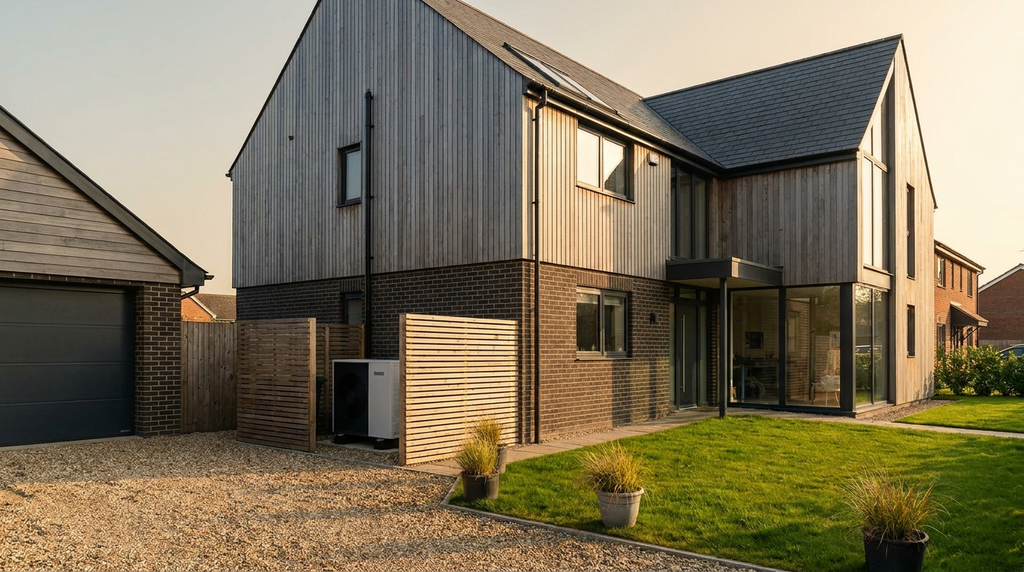
Boiler Upgrade Scheme (BUS): This scheme covers heat pumps and biomass boilers, not windows directly. But here is the trick. If you are installing a heat pump, you need your home to be well insulated first. Many installers bundle double glazing with a heat pump installation and claim the £7,500 BUS grant for the heat pump while you pay for the windows separately. This can make the overall project more affordable.
VAT reduction: Since 2022, the VAT on energy-saving materials has been reduced to 0% for installations in homes. This includes double glazing. The zero rate applies to the supply and installation of windows that meet the required energy performance standards. A typical Cambridgeshire installation saves around £600 in VAT on a £5,000 job.
Heads up: Grant funding is limited and competition is high in Cambridgeshire. Apply as early as possible in 2026. Some schemes, like ECO4, are closing to new applications later this year.